
Porsche is in a fair bit of trouble, profits dipped by a staggering 98% in 2025, sales are down 15% in the first quarter of 2026, and a disastrous pivot towards EVs has done a lot of damage to the sports car stalwart.
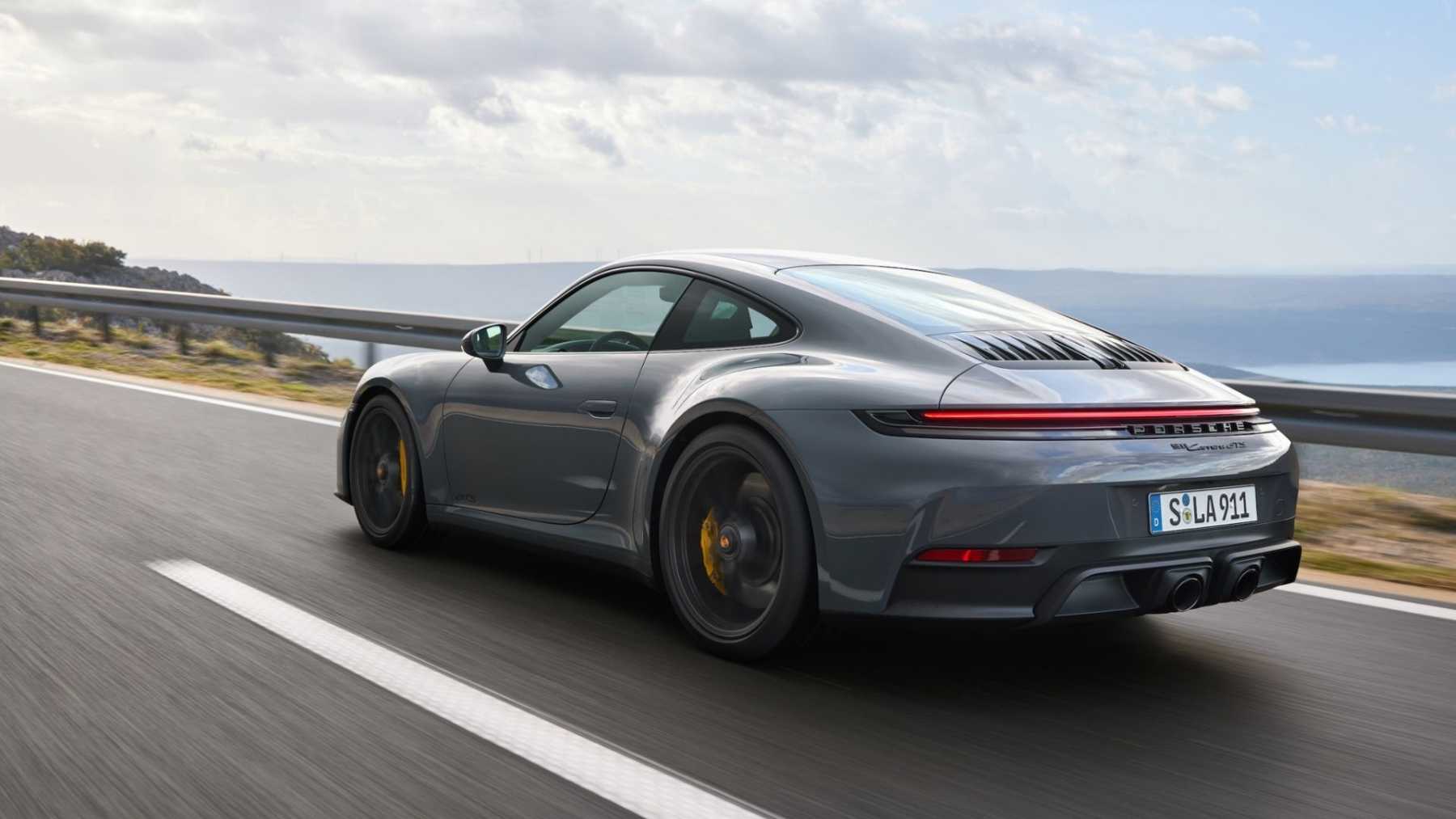
But one of Porsche’s models, and arguably its most famous, bucked the trend. 911 sales increased by 22% as the likes of the Panamera (-44%), Cayenne (14%), and Taycan (-19%) floundered.
The 911 is pretty unique too. While some manufacturers only produce flagships, or sexier, sportier, stuff in limited numbers Porsche does crank out a fair number of 911s. The total volume of 911 sales only amounted to 13,889 units. The company’s best seller this quarter is the Cayenne, and that only sold 19,183 despite being a more practical, higher-volume, vehicle.
Exactly which 911s are selling well, we don’t really know. Porsche has only disclosed that “Across all model lines, the derivative mix was well balanced, with a strong share of GTS, Turbo or GT models.”
A successful quarter for the 011 also makes the company’s decision to can the cheaper, popular, 718 look even worse. The company’s customer base is obviously more partial to two-door sports cars than it is EVs. Though, Porsche seems to have realized that in recent months, and may be pivoting back towards what it does best.
The 911 saved Porsche before, it can do so again
While things aren’t looking great for Porsche at the moment, the German sports car manufacturer has been here before. Back in the 1990s, Porsche was on the verge of bankruptcy, only selling 14,000 vehicles in 1993. In a last ditch attempt at survival, the company decided to ditch the air cooled engine it was best know for, abandon hand-built assembly methods, and develop its flagship vehicle alongside a surprisingly similar entry-level option.
What came about was the Porsche 996 and the Boxster. While the criticism did flow, with everything from the vehicle’s “fried egg” headlights to the number of parts it shared with the Boxster coming under fire. But the vehicles both sold well, Porsche started shifting over 30,000 vehicles a year again, and the company was saved.
Another gamble on SUVs in the 2000s saw Porsche compound its success, despite again facing its fair share of criticism. Unfortunately, the recent push into EVs didn’t pan out the same way for the iconic German brand.
While the decision to strip things back to basics, and focus on its two-door vehicles, may be seen as a “safe bet” rather than the desperate gambles that have led Porsche to success over the last few years, it is a sensible choice. There are more people that want a 911 than there are 911s. The electric Macan on the other hand, doesn’t seem to be something anyone wants.