Nobody wants luxury EVs, and Porsche found out the hard way in 2025. On March 11th, Porsche’s new CEO, Michael Leiters, said that the carmaker was switching back to sports cars and leaving electric vehicles behind after its push towards electrification led to disaster last year. Despite its iconic namesake, Porsche saw its profits plummet by 98% in 2025.
Last year, Porsche delivered 10% fewer cars, with declining sales in all regions except the United States. However, the country’s tariffs ravaged Porsche’s profits, with President Donald Trump’s 15% tariffs on imported vehicles eroding margins. In China, Porsche’s sales declined by 26% to 41,938 vehicles. Porche spokesperson Linda Riechers wrote: “Key reasons for the decline remain challenging market conditions, especially in the luxury segment, as well as intense competition in the Chinese market, particularly for fully electric models.”
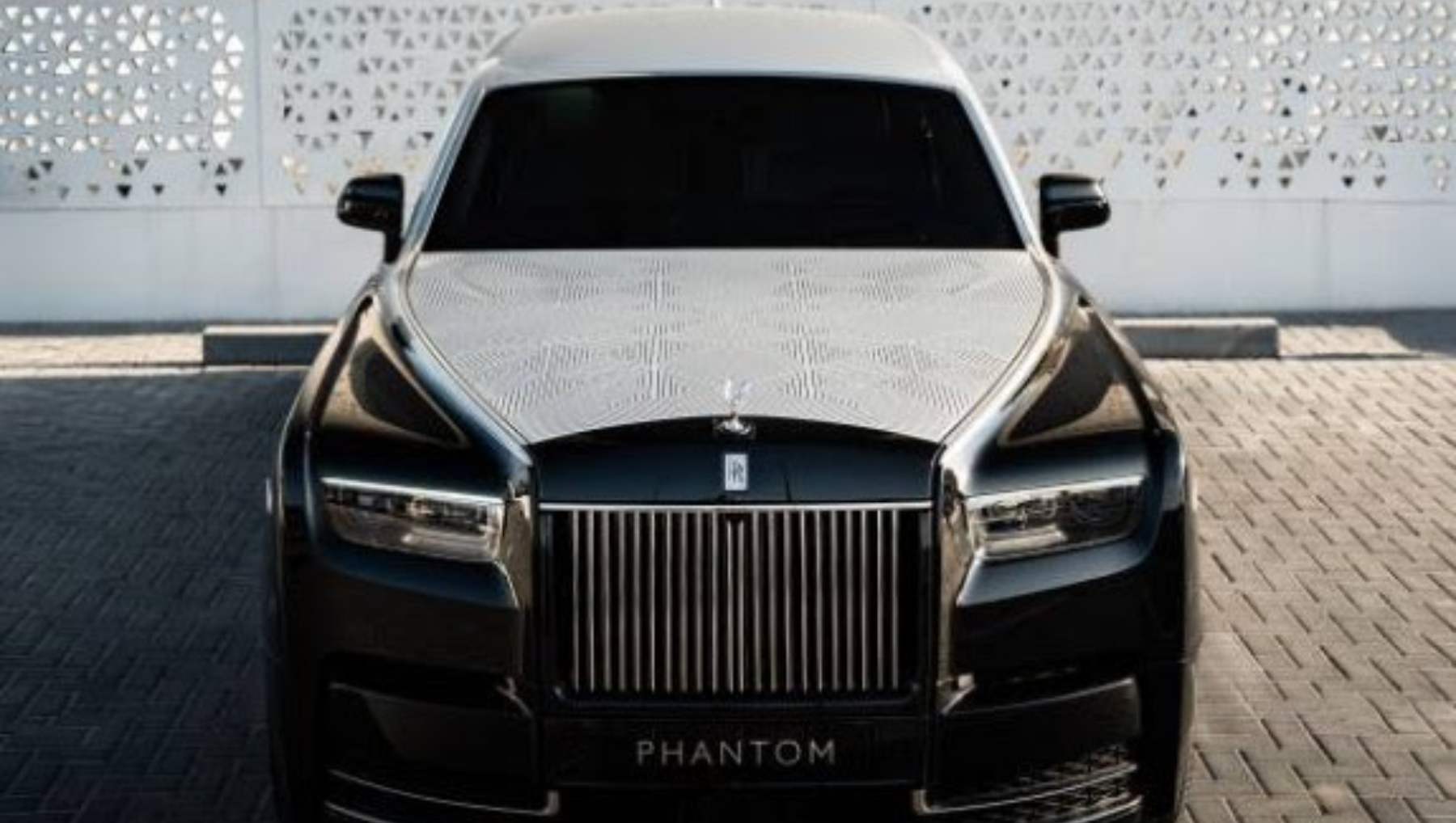
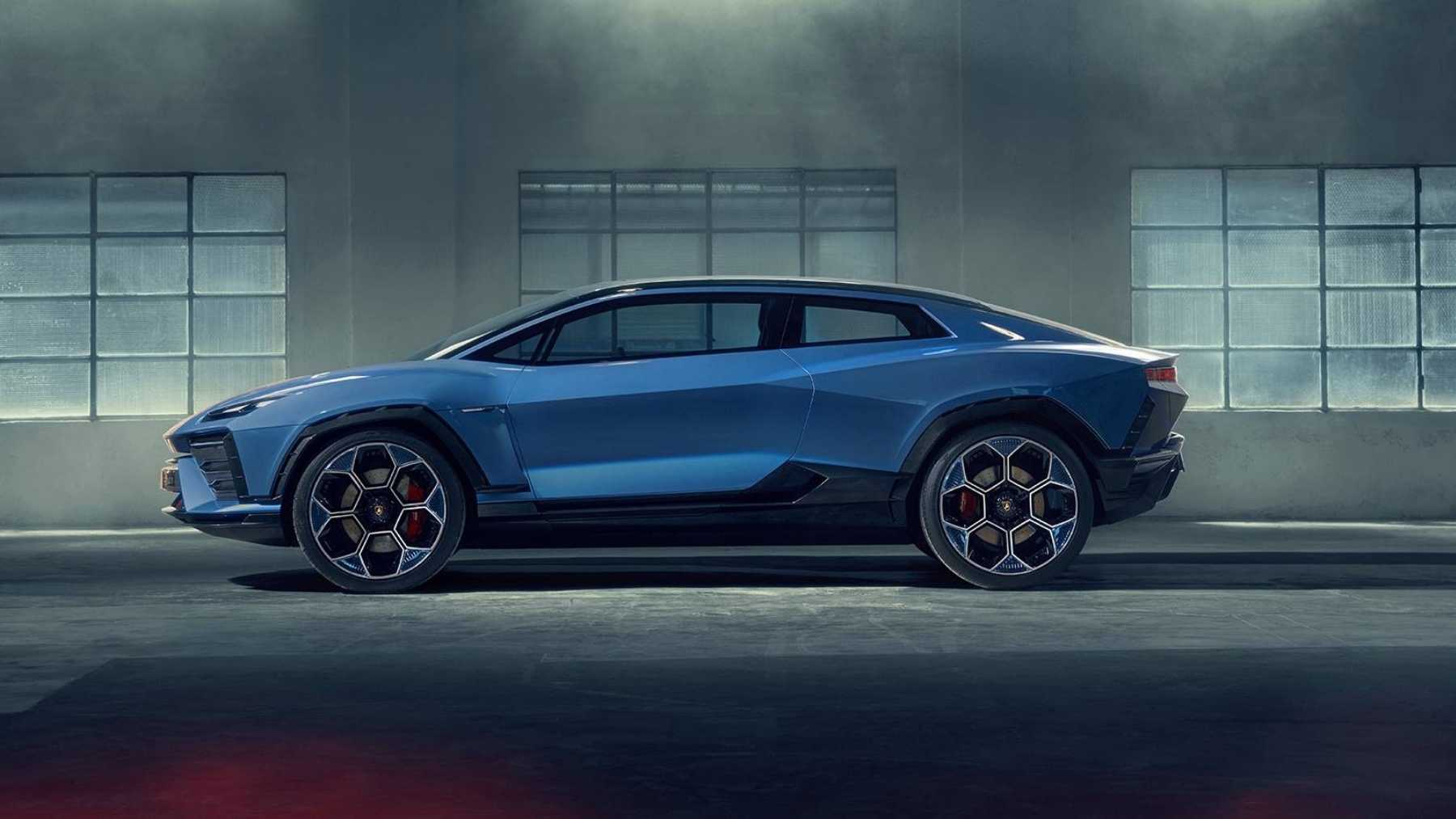
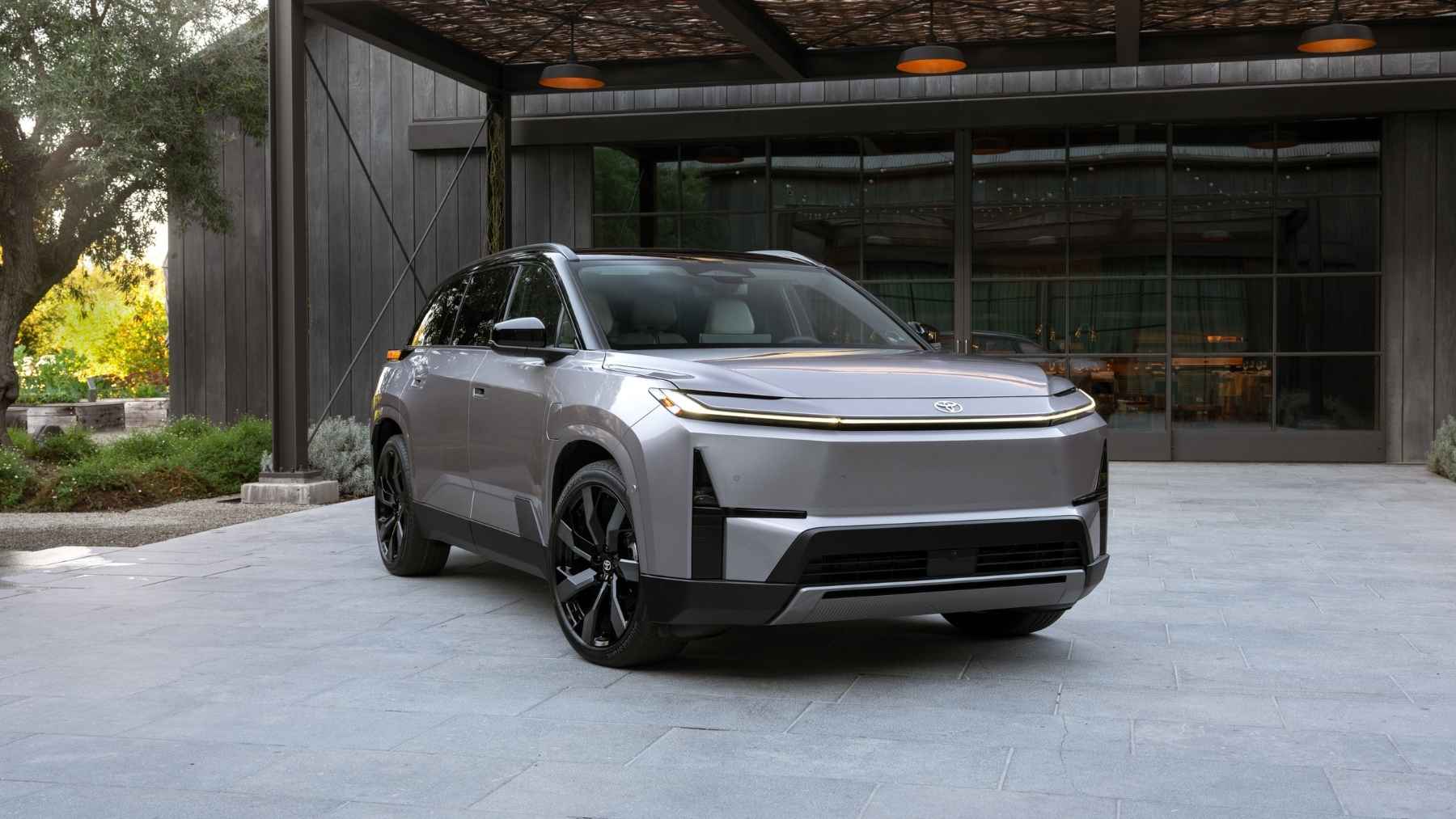
As China has continued to crank out cost-effective EVs that are making their way across Europe and North America, Porsche and other luxury automakers can’t compete. It’s become clear that most people want small, affordable EVs, not big, luxury ones. In 2025, Porsche only sold 4,142 Taycans to the United States and 16,339 worldwide. This was a 22% decrease from 2024 as the economy worsens, jobs become scarcer, and people beg for affordable solutions. After sales declines, a massive drop in profits, and continued layoffs, Leiters is throwing in the towel on EVs, a pivot that has cost the carmaker another $5.5 billion.
What is Porsche’s solution after a miserable 2025?
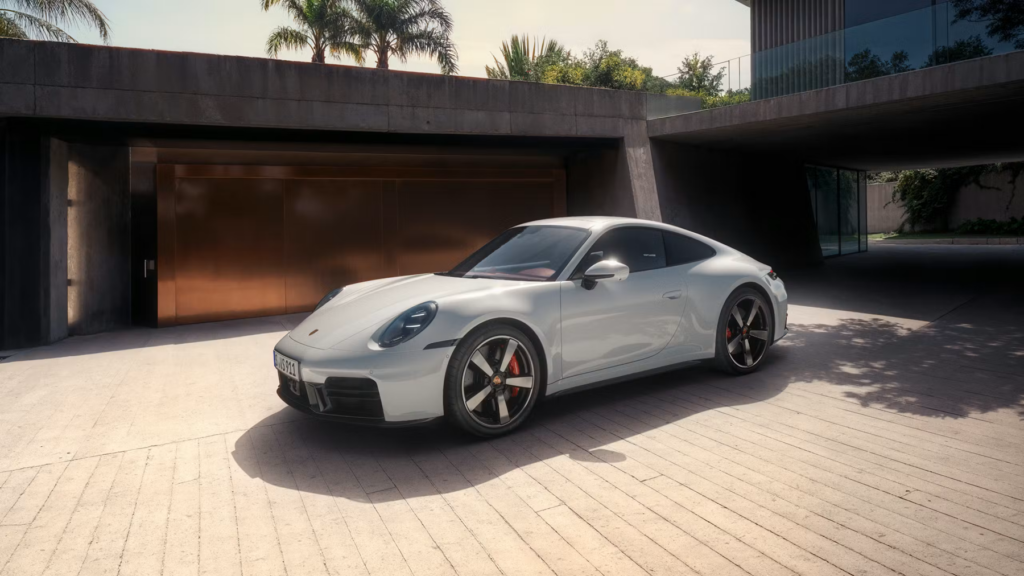
Porsche will focus on sports cars going forward to offset last year’s massive losses. According to Reuters, Leiters told investors: “You can well imagine that over the last 70 days or so, I’ve worked hard with my team to delve into every detail of our strengths and weaknesses. […] We have to be leaner, that’s for sure. We are not looking at volume.”

The lineup will be slimmed down, Porsche announced. The carmaker will be looking closer at its two-door sporty models, including the Porsche 911, 718, and Cayenne SUV. This makes sense, since Porsche reported in January 2026 that the 911 had 51,583 deliveries in 2025, “setting another delivery record.” The 718 was down due to the line’s phase-out and production ending in October 2025, but it seems Porsche may be having a change of heart now that its luxury EVs have been a bit of a disaster.
Porsche will also be considering more “personalized features” to increase its profit margins. Rather than volume and an expanding lineup, it seems that Porsche wants to go more exclusive, offering high-end sports cars with special touches. This plan will be “pursued with urgency” over the next few months. Leiters said: “We will comprehensively reposition Porsche, make the company leaner, faster, and the products even more desirable.”
Expect combustion engine models and plug-in hybrids into the 2030s, along with a few electric vehicles.
Will Porsche’s sports car bet pay off?
After such a hard push towards electric vehicles, Porsche is taking a massive risk by betting on combustion engines once more. Rather than offering all the bells and whistles of a luxury electric vehicle, Porsche will be focusing on performance and emotion — on the connection people have to their cars. The 911 makes for a good foundation, but the climb will be quite challenging.
The war in the Middle East and ongoing tariff confusion will be tough to navigate. Lower-income families want small, cheap cars, jealous of China’s offerings as America’s under $20,000 category completely disappears. But even the upper class could be a tough sell with the shaky economy. Said Metzler analyst Pal Skirta to Reuters: “Even high-net-worth individuals may become more cautious with discretionary spending, which could create another headwind for Porsche.”
Recovery could stall, with high-end combustion sports cars not really fitting anyone’s budget right now. There’s no time to rest, however, as investors demand answers.
“We would like clarity on his strategy as soon as possible,” said Ingo Speich of Deka Investment. “We expect a strong focus on costs. He has control over costs and can manage them.”