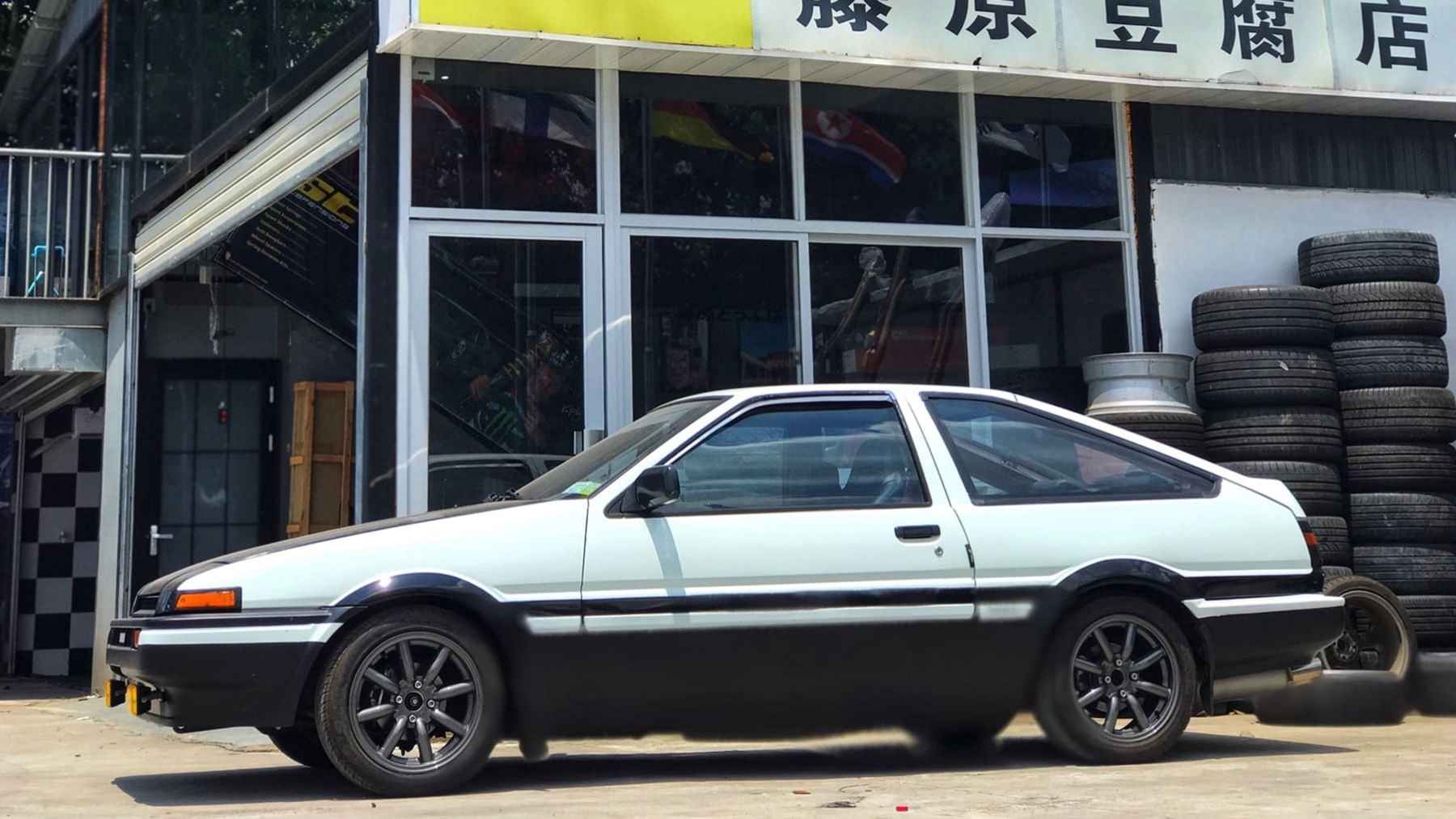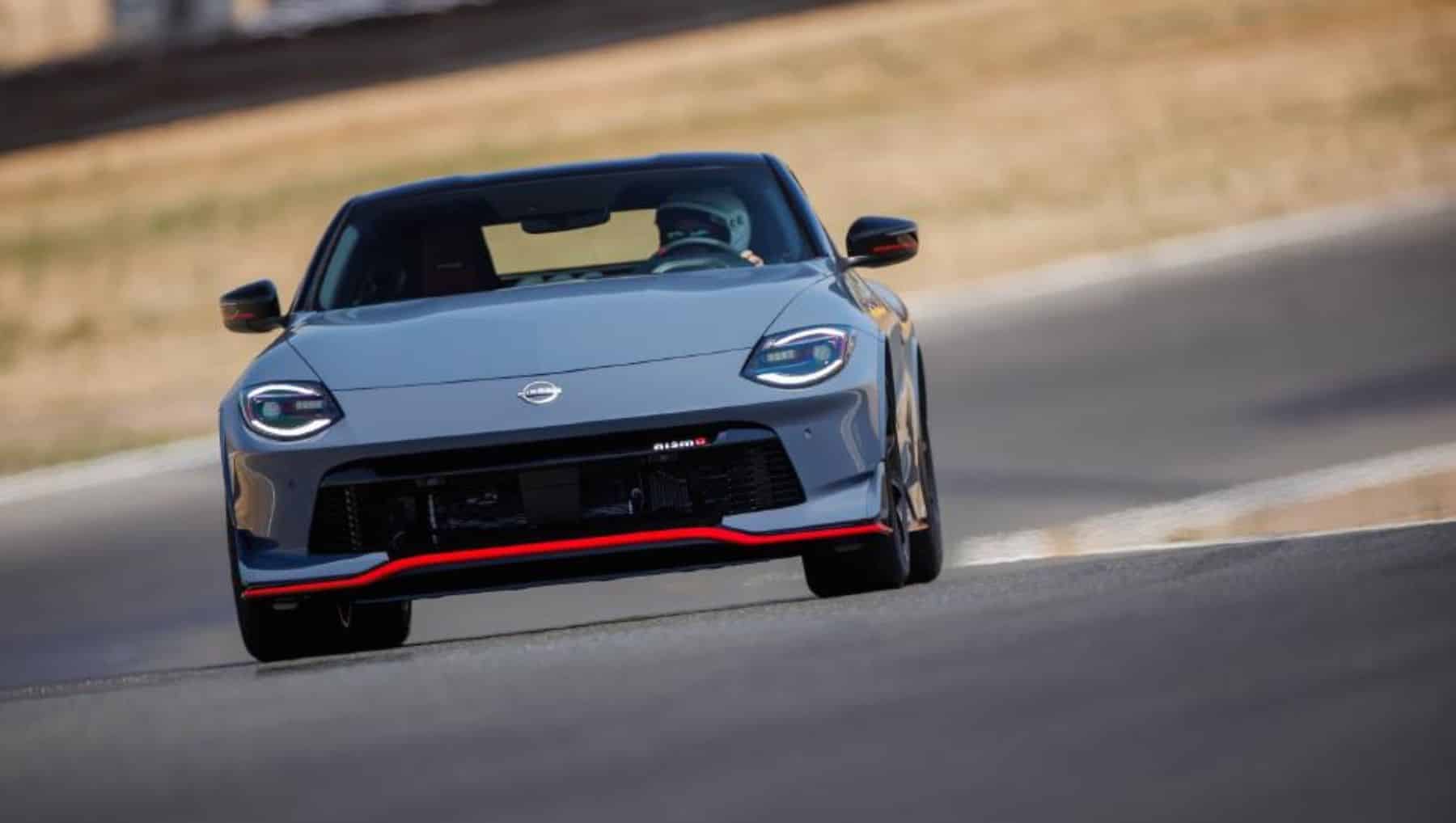

Nissan will not release a new generation “Z” this decade. Development of the sequel to the RZ34 has been pushed back beyond 2030, partially due to plans to slot the next Z beneath the next generation GT-R which is set for a 2030 launch.
According to The Drive, development of the next generation of Nissan Z has been pushed back until 2030. Which means the actual vehicle won’t exist until some time after that. So Z fans will be looking at a four-year wait for a new model at minimum. The decision may be a bit strange, as the Z is one of the few Nissans actually doing well. Sales have increased year on year since this generation’s launch, despite production numbers of the performance car being somewhat limited. Last year, Nissan is estimated to have sold just under 5,500 Zs, up from around 3,164 in 2024. Though there is a suggestion that rising gas prices, among other factors, led to a drastic sales slump in early 2026, a 50th anniversary edition was announced in June of that year.
The current generation of Nissan Z came in 2023 as part of model year 2024. So, there’s a chance that a decade could pass between Nissan Z generations. The automaker isn’t doing absolutely nothing with the Z brand, though. More special “heritage editions” of the Z are set to roll out over the next few years, hopefully cashing in on some nostalgia from the more dedicated members of the vehicle’s fanbase. It also keeps the spotlight on the Z during the upcoming lull and distracts from Nissan’s other issues. One heritage edition, based heavily on the 300ZX, was announced in September 2025.
As for the current Z, that’s shifting to an “Order Only” model. Which basically means you won’t be able to walk into a dealership and drive one off the lot. Instead, you pick what you want, put your money down, and wait for Nissan to build it for you. This is good news for the dealerships, who are now less likely to have older stock of a somewhat niche vehicle sitting around, unsold and waiting for a hefty discount to be applied.
It’s also sort of good news for customers who’ll be getting the exact vehicle they want and not compromising. It’s bad news for impatient people. though.
I feel we ask this a lot, but what is Nissan doing?
The move, as confusing as it seems, is pretty on brand for Nissan. The company seems to regularly make very strange decisions, which have undoubtedly caused the string of financial issues that the company is suffering from.
Nissan has been flirting with bankruptcy for a while and has posted losses numerous times over the past few years. This includes a staggering $6.2 billion loss in the company’s 2019 financials, a further $4.5 billion loss reported in 2024/25, and an expected $4.2 billion loss in the year leading up to March 2026.
Other strange decisions Nissan has made in recent years include attempting to go upmarket with both the Nissan Armada and Nissan Murano. This included significantly upgraded, somewhat luxurious interiors in both vehicles, along with nicer paint and cutting-edge camera systems. But driving performance wasn’t particularly standout on either vehicle, and Nissan ran into a bit of a branding issue.
Firstly, the number of people willing to spend $50,000-$70,000 on a non-Z Nissan is pretty small. And if Nissan’s reshaping itself as a luxury brand, what’s Infiniti even for?
Then there’s the Leaf, which is the product of Nissan’s early pivot into EVs and one of the first mass production electric vehicles of the modern era. Nissan decided to spike its cheapest model as Americans sit crying out for more affordable EVs and other automakers move to meet those demands.
Leaf sales have also fallen off a cliff in recent years, with just 5,149 sold in 2025, down over 50% from the year before. Reports are showing a further 71.2% year-over-year decline in Q1 2026. Fewer than 700 Leafs were sold in the US during that period, and I’m being generous to Nissan in rounding that number up.
The Z’s production numbers are pretty limited compared to volume sellers like the Rogue, so the decision is unlikely to impact Nissan’s bottom line. But the Japanese automaker is in need of a win right now, so stalling on the next generation of one of its few truly exciting vehicles will likely cause it more harm than good.