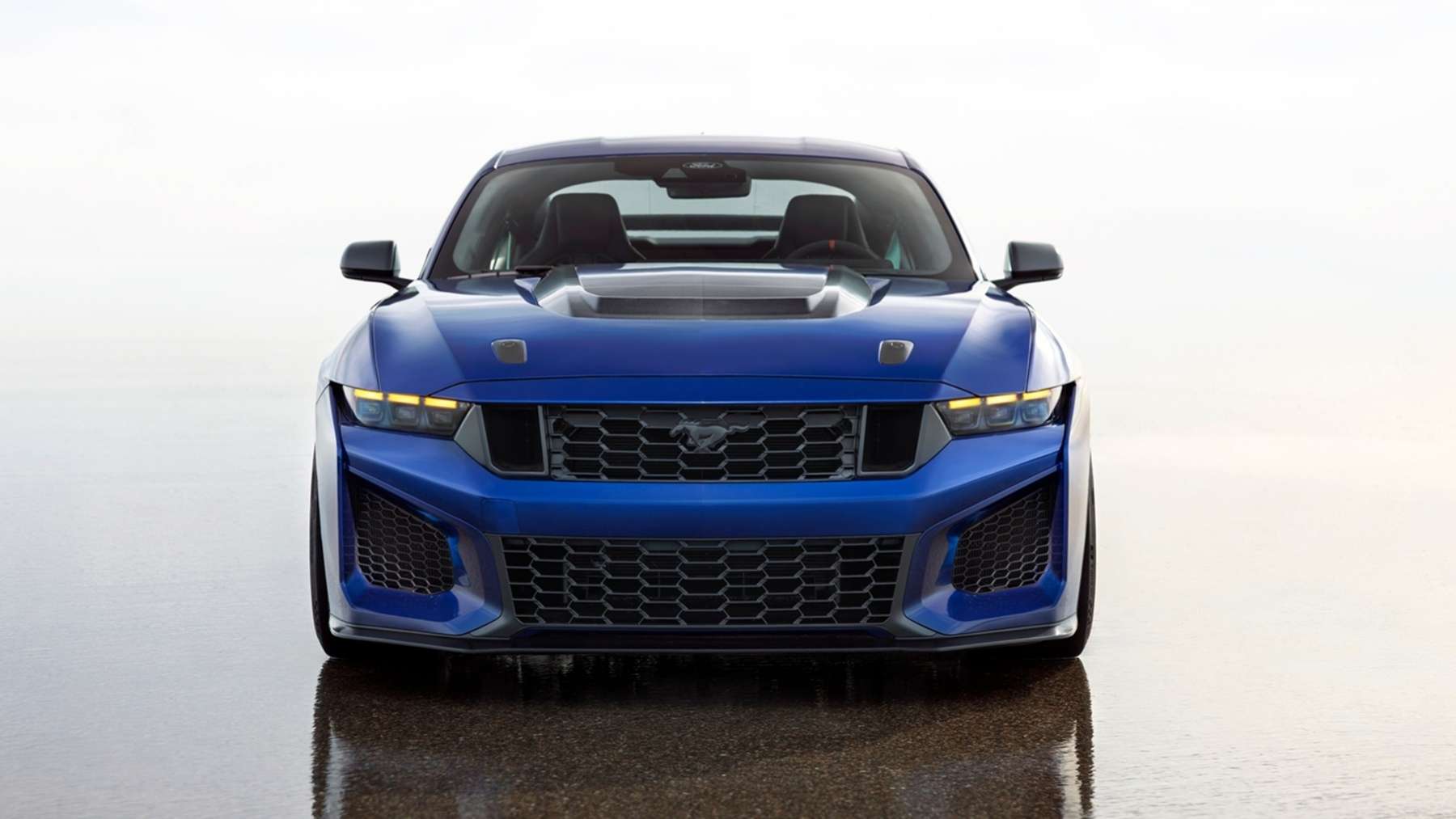
America hates luxury EVs, and Mercedes is feeling the effects of that very strongly in 2026.
Mercedes has some massive deals for those who want a luxury EV in March 2026. The first is a hidden $25,000 discount off of the 2026 Mercedes-Maybach EQS, through something called the Mercedes Incentive Bonus. This is a dealer cash incentive, meaning the automaker has given dealerships the option to give special discounts to customers in order to sweeten the deal.
Wildly enough, the Maybach EQS had a $50,000 dealer cash incentive last year for the 2025 model — maybe Mercedes will reach the brink of desperation later this year and bring this one back.
In contrast, the discount on the 2026 Mercedes G 580 has doubled. Just a few months ago, the G-Wagen with EQ Technology had a $5,000 discount, but that’s ballooned to $10,000 in March 2026. Like the Maybach EQS, this is another dealer cash incentive, which means it’s not a guarantee but worth testing out if you are dying for one of these things.


Why doesn’t America want luxury EVs?
The EV market is growing, with carmakers all over the world rushing to keep up with China’s most successful brands. However, it’s a rush to the bottom and everyone wants to make the cheapest EVs possible. China even had to ban practices that had automakers in debt as they sold dirt-cheap EVs without profit.
America has continuously begged for cheap, small cars. However, automakers have been eliminating their smaller options over the past 10 years under the guise that buyers are obsessed with oversized EVs and trucks. The reality? Those are selling because the people that want them can afford them. The people that want small cars couldn’t afford the continued price hikes of those cars, leading to a decline in sales. Now, the sub-$20,000 market is dead.
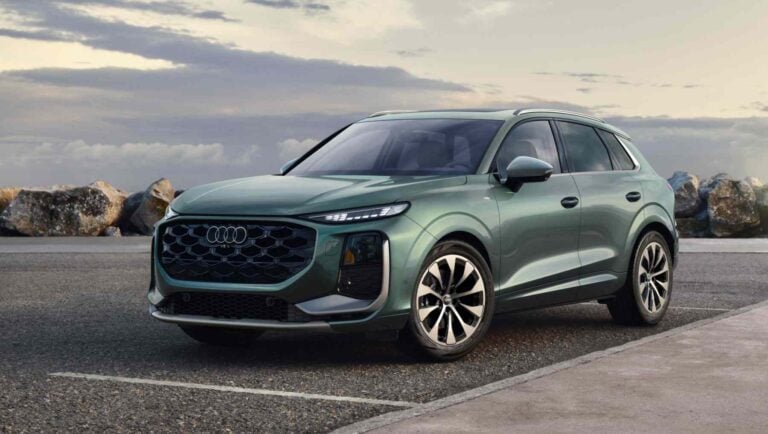
Meanwhile, luxury automakers — believing Americans were loving all the massive, feature-heavy vehicles they were putting out — decided to make the same massive vehicles for the EV market. This backfired. You see carmakers like Mercedes, Porsche, Ferrari, and Lamborghini walking back their previously gung-ho EV-first plans over the past year. Audi discontinued its Q8 E-tron then shut down its Brussels plant, stating it was due to a “global decline in customer orders in the electric luxury class segment.”
Why isn’t the luxury EV market growing along with the rest of the EV market?
First, the price. While luxury vehicles are already expensive, luxury EVs are even more expensive. These large vehicles need larger batteries to have noteworthy performance — and these larger batteries cost more. This has skyrocketed luxury EVs to nearly six figures, including the $90,000 2026 Mercedes-Maybach EQS before the discount. Or the $164,000 2026 Mercedes G 580. That $10,000 is literally meaningless.
In fact, only 1,450 G 580s sold in the first four months of 2025 (worldwide) while the cheaper gas-powered G-Class vehicles totaled 9,700 sales. Paying more than $14,000 extra to turn it into an EV just wasn’t enough of a selling point. On top of that, most EVs have the same technology across the board, whether it’s an entry level Chinese EV or a luxury EV from a supercar maker. Paying more won’t really get you that much more. Maybe a quicker acceleration, but that’s not even tied to hypercars anymore. You can see soccer moms in Tesla SUVs launching out of the parking lot.
“For years, brands like Porsche, Audi, and others have been able to expand output and model ranges while continuing to command premium prices in the market. Those days are now over,” Peter Wells, a business professor and director of the Center for Automotive Industry Research at Cardiff University, told Wired.
Not only are they more expensive, but they are not at the performance level that drivers would expect when they are paying even more money. The gas-powered G-Wagen has a 500-mile range while the EV version gets 239 miles. hardly a selling point. With ever-evolving technology, whatever performance they do have is considered behind the times in a year or less. This causes rapid depreciation on these expensive fossils.
As Americans struggle to afford eggs and gas, attention is turning to cost-effective EVs that compete with China. Everyone’s waiting on Ford’s long-awaited lineup of sub-$40,000 electric vehicles. Nobody is waiting for Porsche’s next Taycan. In fact, only 4,142 were sold in America in 2025 — and 16,339 worldwide, a 22% decrease from 2024.
Indeed, Americans did want luxury EVs a few years ago, according to The New York Times. But the economy has changed. There are tariffs. No jobs. Neat little EVs from China. Eggs so expensive they should be in a locked case in the grocery store. Now, small and cheap is in. Big and expensive is out. Sorry, Mercedes.