
Lucid is taking aim at Waymo with its latest robotaxi plans: get 100,000 six-seater robotaxis across the United States by 2027.
Testing has already begun in San Francisco (starting late last year). This is a city where Waymo has been dominating in the ride-sharing department. The autonomous fleet has been in San Francisco since 2024. Lucid claims that its services will start in San Francisco by late 2026, pending approval.
Lucid robotaxis have a lot of challenges ahead in San Francisco
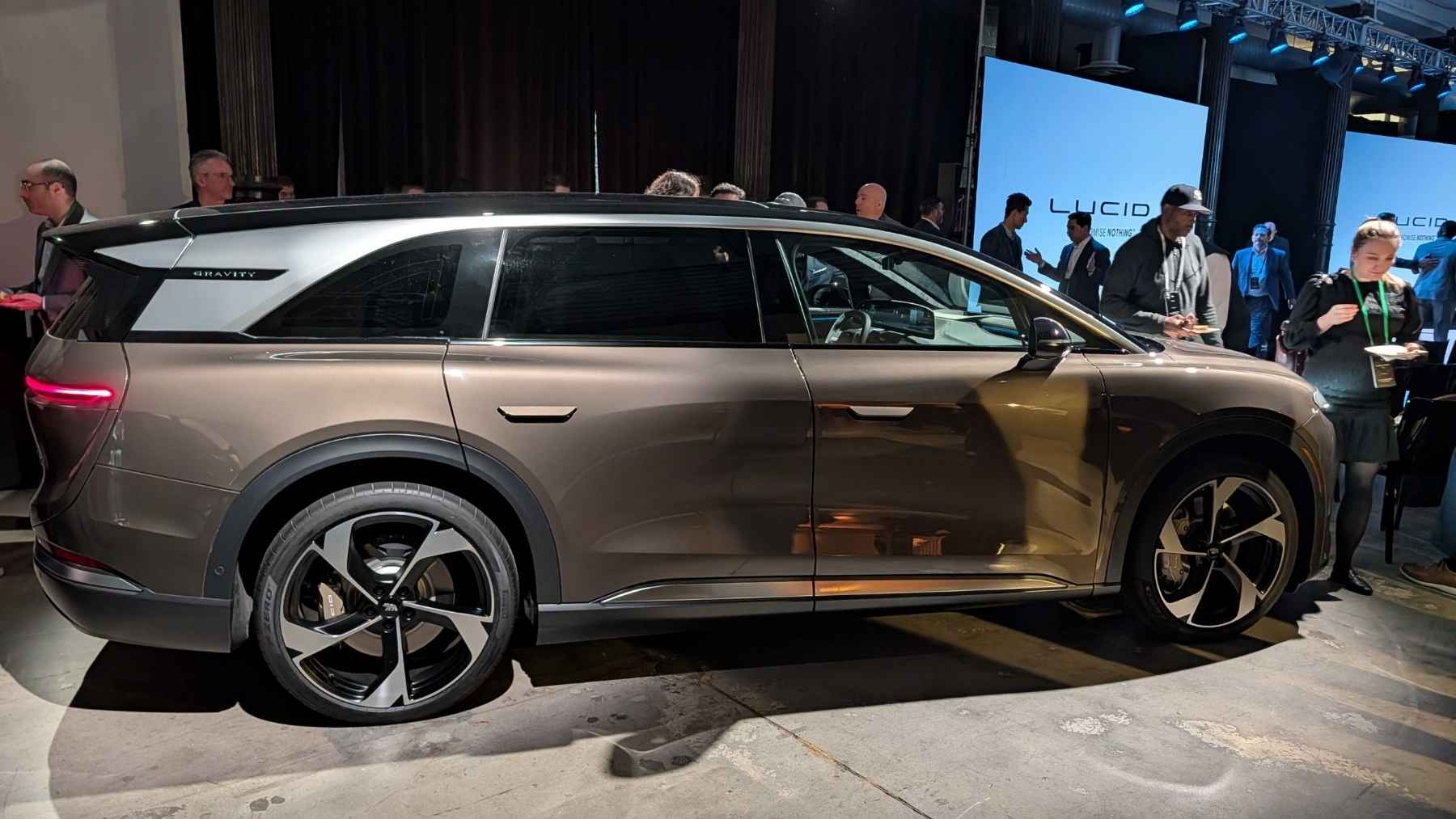
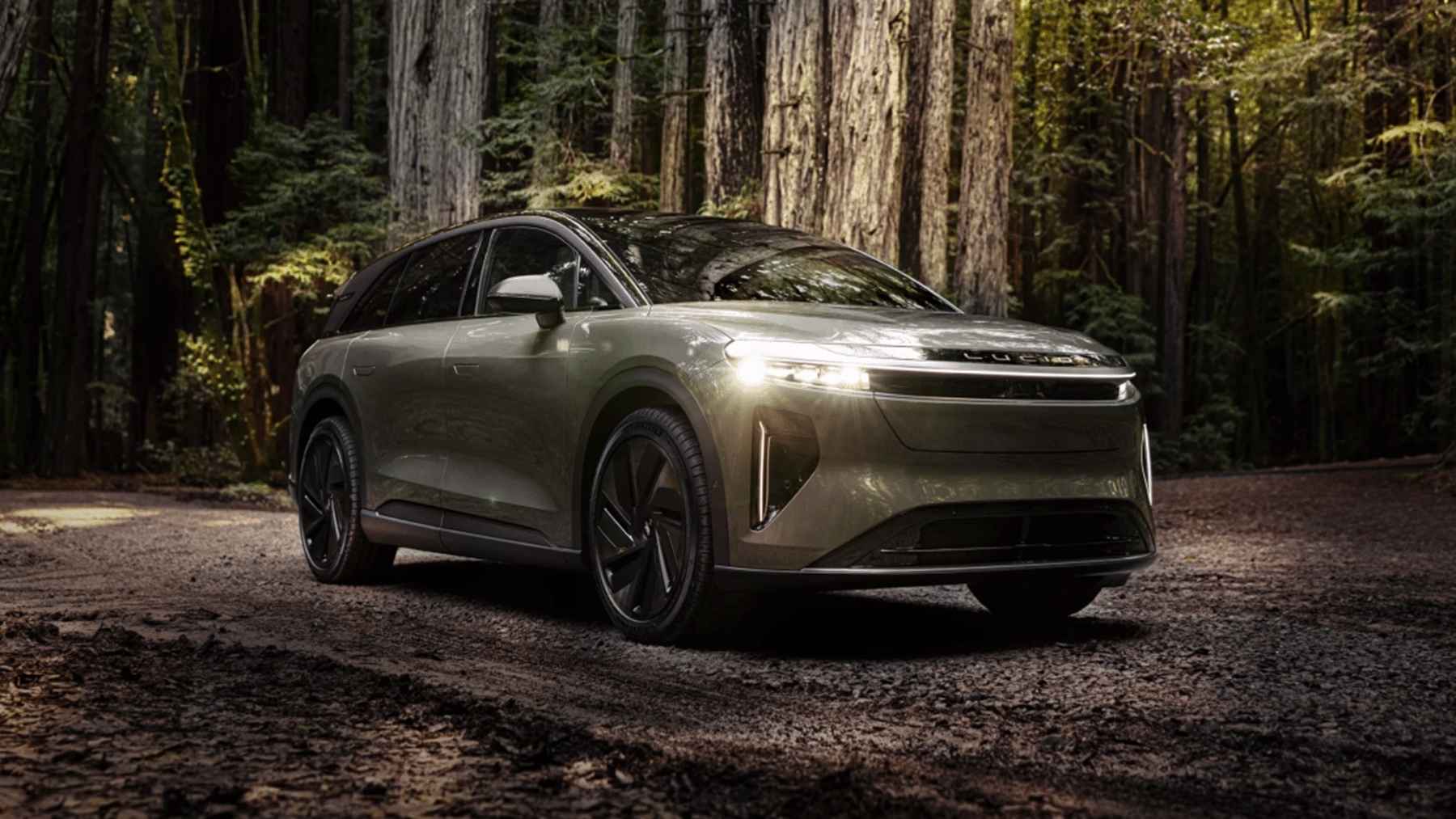
The Lucid robotaxi is being produced in partnership with Uber. With six seats, these will be based on the Lucid Gravity SUV and will share its exterior design. However, it will be set apart due to its sensors, cameras, and radars. The interior will have additional screens for customers, displaying a wide range of sensor data and cabin functions.
Lucid first revealed its robotaxi plans in March 2026 at an investor day, with Uber claiming that its customers have been clamoring for more autonomous taxi options. CEO Dara Khosrowshahi even claimed the robotaxis were often selected over human drivers. With the reveal of Lucid’s lofty goals for 2027, Khosrowshahi added: “We’re excited to bring our robotaxi technology to San Francisco and challenge Waymo’s dominance in the market.”
Does Lucid truly have what it takes to take down Waymo?
There are currently around 800 Waymo robotaxis in San Francisco. Lucid hasn’t stated how many of its 100,000 robotaxis will be heading to San Francisco by the end of 2026, but it probably won’t be 800.
However, it’s not only numbers that matter. Lucid could have the advantage over Waymo when it comes to larger groups. The maximum for Waymo is four, while the Lucid Gravity can fit six. The issue? Nearly 60% of Uber users are individuals. The average group size is around 2 to 3 passengers. It doesn’t seem like large parties are some kind of massive part of the market that’s not being tapped into. Most people will be alone or with a single friend, meaning there won’t really be an advantage for Lucid in most cases.
The other challenge will be public reception. A lot of people in San Francisco have expressed frustration with Waymo’s growing fleet. Multiple articles have focused on the alleged caginess of Waymo, with former San Francisco Supervisor Aaron Peskin calling the company “non-transparent” and “uncooperative.” Others have said that Waymo won’t disclose its exact number of robotaxis in the city.
Then you have people all over the country just hating on robots and AI, flooding TikTok with rants about that Waymo that ran over a cat that was hiding under its tire. On Reddit, passengers have noted that Waymo seems “more aggressive” these days. One person noted: “I don’t like how they creep towards pedestrians in crosswalks and sometimes fail to yield to pedestrians when turning right on red.” Someone replied that it was just Waymo’s way of appearing more human.
It seems like Lucid will have a hard time changing the growing resentment towards Waymo. I believe it’ll just add to it, with those who hate robotaxis getting frustrated at the idea of more robots coming to the city. Waymo runs relatively smoothly compared to competitors like Tesla, so Lucid would need near-perfect Level 4 autonomous driving to even reach Waymo’s level. Anything below and it will be heavily criticized.
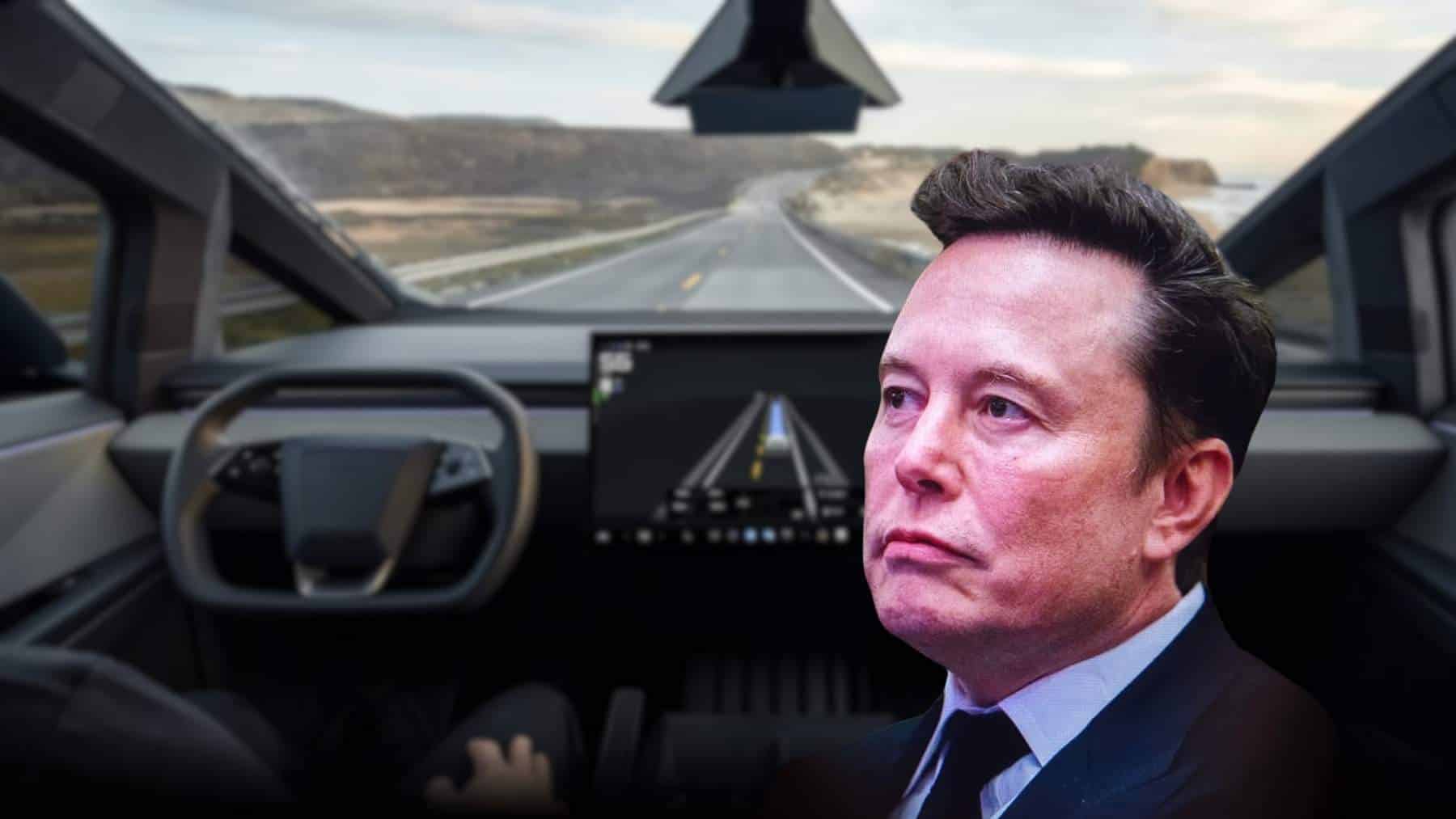
I don’t think that Lucid can compete with Waymo in San Francisco. Not at this stage. But I do think it can compete with Tesla. Its robotaxi service really only exists at this point because Tesla has a lot of supporters and fanboys. Without them, Tesla would just have some semi-functioning Model Y’s with human supervisors inside covering a few streets around Austin.