
AI assistance may be the next frontier when it comes to premium and luxury vehicles. There are few “bad” cars in a driving sense these days, so when one top manufacturer beats another on performance the difference tends to be minimal. The same goes with interiors, even mid-tier companies like Hyundai are cladding the inside of their cars with stuff that would be considered luxury a few years back. So AI agent integration is one of the few areas OEMs can truly duke it out over the next few years, and it seems Lucid is all in on it.
The assistant comes with three “personalities.” You can set it to be very businesslike and straightforward, pretty relaxed and laid-back, or somewhere in between. Lucid’s AI will also be able to apply context to various situations, which means it won’t spill personal info to your passengers and should be able to give you more appropriate directions.
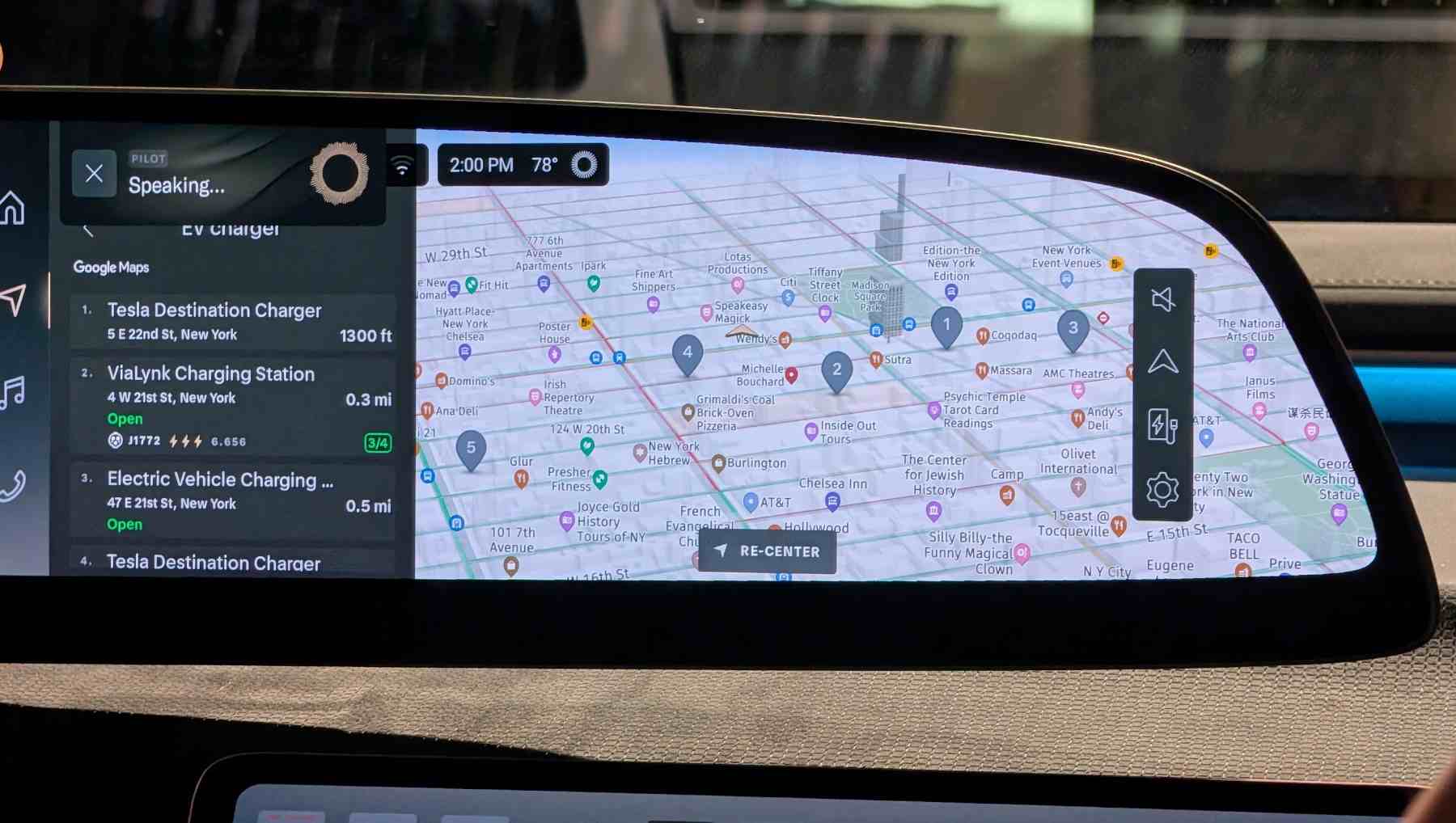
Lucid’s AI assistant isn’t rolling out until later this year, but I was lucky enough to get hands (or voice, technically) on with it at the company’s 2026 Investor’s Day. I can confirm it understands slightly obscure Northern English accents, and despite it being pre-release, it can currently do a whole lot more than that.
Like BMW, Lucid’s AI didn’t encourage self-destructive behavior
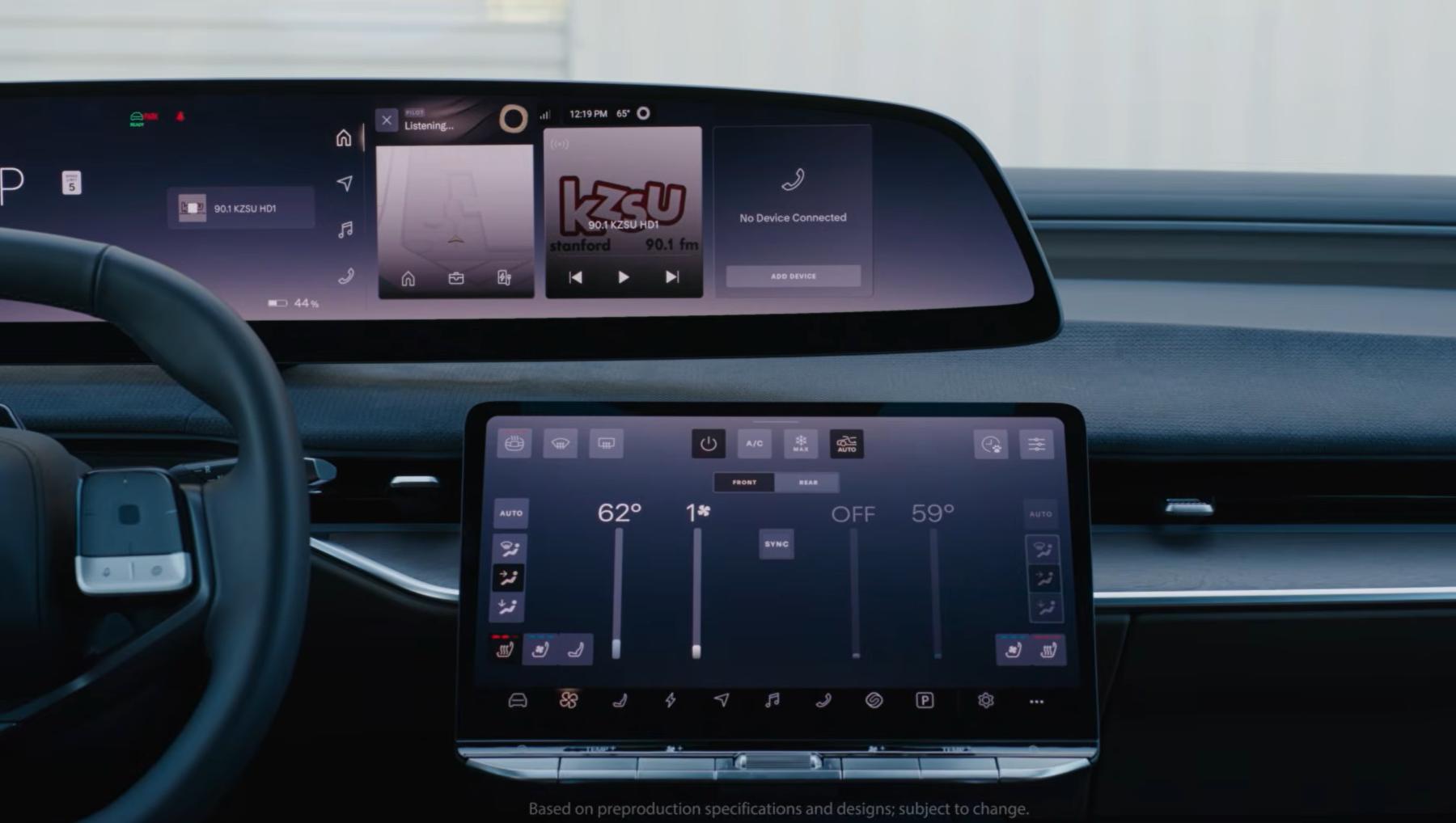
In January, I got to experience BMW’s new AI assistant, developed in conjunction with Amazon. The assistant could give you directions, handle calls, make recommendations, roll your windows down, and set the vehicle’s temperature.



Lucid’s model can pretty much do all of the same things. Like BMW, it’s also limited by local legislation, so you’ll be able to roll your windows back up with AI in Europe but not in North America. Because that would be unsafe or something.
As I was testing BMW’s model in Vegas, I naturally told it I was a degenerate gambler and asked it to direct me to whatever nearby casino has the best blackjack payout. It refused and offered to help me call Gamblers’ Anonymous.
For science, I had to see how Lucid’s system responds in a similar situation. So I told the AI it was time to blow through my rent and the kids’ college fund and asked it for directions to a nearby gambling den. Unlike BMW, it didn’t just refuse and refer me to counseling. Instead, it sort of tried to counsel me itself, asking if I’m going through anything and pointing out help is available, before claiming it would follow my request if I really wanted to go gambling. But when I restated that I wanted to try my luck at the casino, it essentially repeated its offer of help and asked me again if I was sure. This happened a third time, so it seems I’ll be paying my rent on time this month and not going broke in front of a roulette wheel. Boring.
Unlike BMW, Lucid’s AI did give me directions to a bar afterwards once I told it I needed to drink away all of my problems. However, to be fair to it, I didn’t mention I would be driving afterwards. Plus, when Level 4 self-driving rolls out by the end of the decade, getting sloshed at a remote bar may be less of an issue, as you may not have a wheel to get behind.
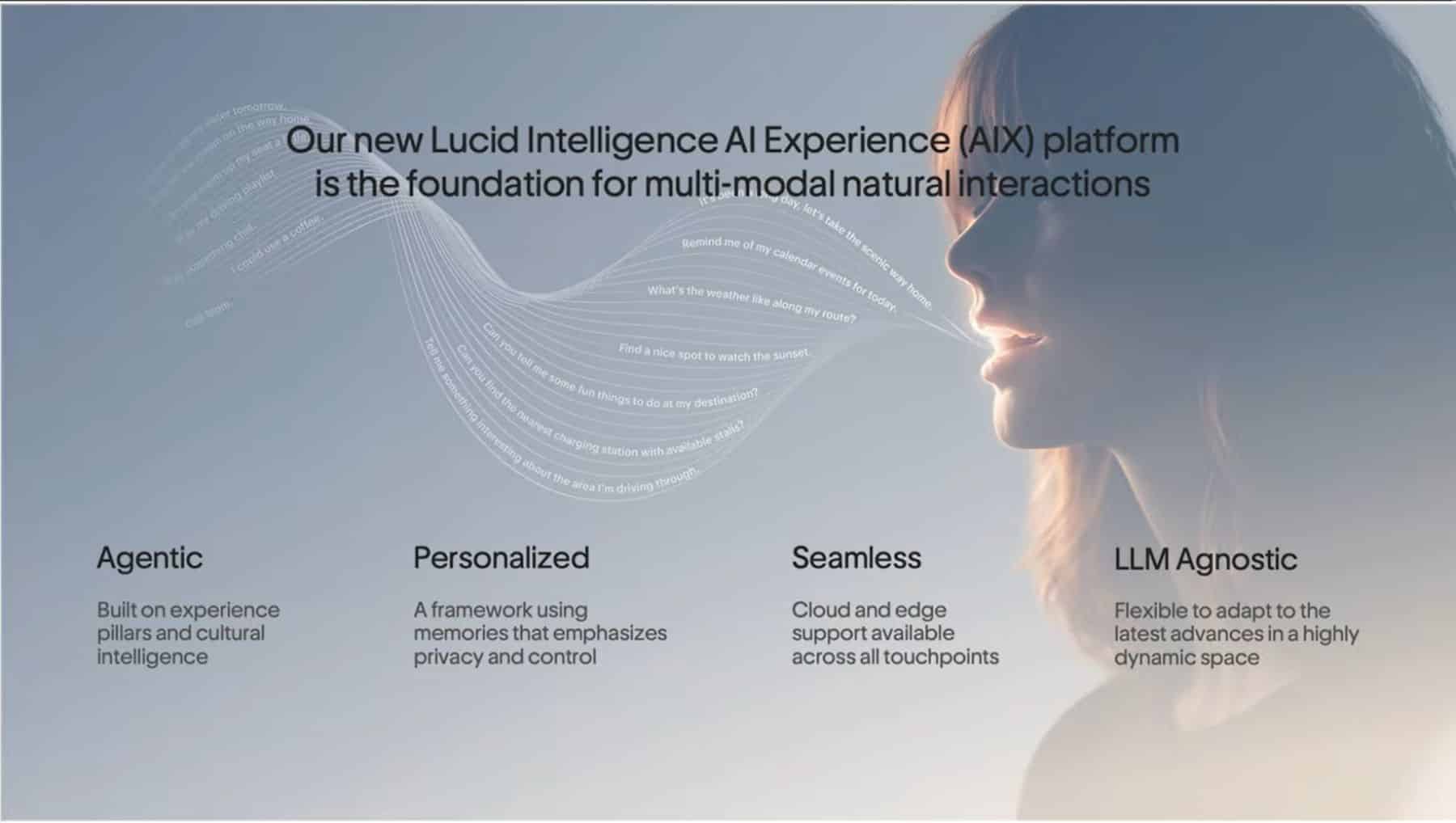
Privacy is also pretty central to the whole deal. Lucid’s AI can understand context, and what’s happening with the vehicle. So if you’re having a private conversation with it and the door opens, it knows someone else is in the car and it should avoid continuing that conversation unless you prompt it too. This also goes for conversations where someone is already in the car, and then someone else hops in. I saw this myself when I opened the door to hop into the back seat of a suspiciously quiet car, and when someone else got in later — cutting off the conversation the second the handle was pulled.
The company also acknowledges that people are basically using LLMs as therapists these days, and that is also taken into account. Conversation details are kept private and not scraped or stored by Lucid itself. Any data that is shared is done so with consent, with users able to opt out.
Lucid’s AI does use third-party LLMs to function, but the company has not built its own model from scratch. Instead, it’s basically built a front-end that will manage things like personality and functions, while the likes of Google Gemini, Grok, Claude, or ChatGPT do the heavy lifting. This allows Lucid’s AI to essentially use the best tool for the job at any given time. On the customer side, the experience should improve as a result, and costs shouldn’t be affected; the AI-model-based stuff is all happening under the hood.
There’s a lot more to come for Lucid’s AI
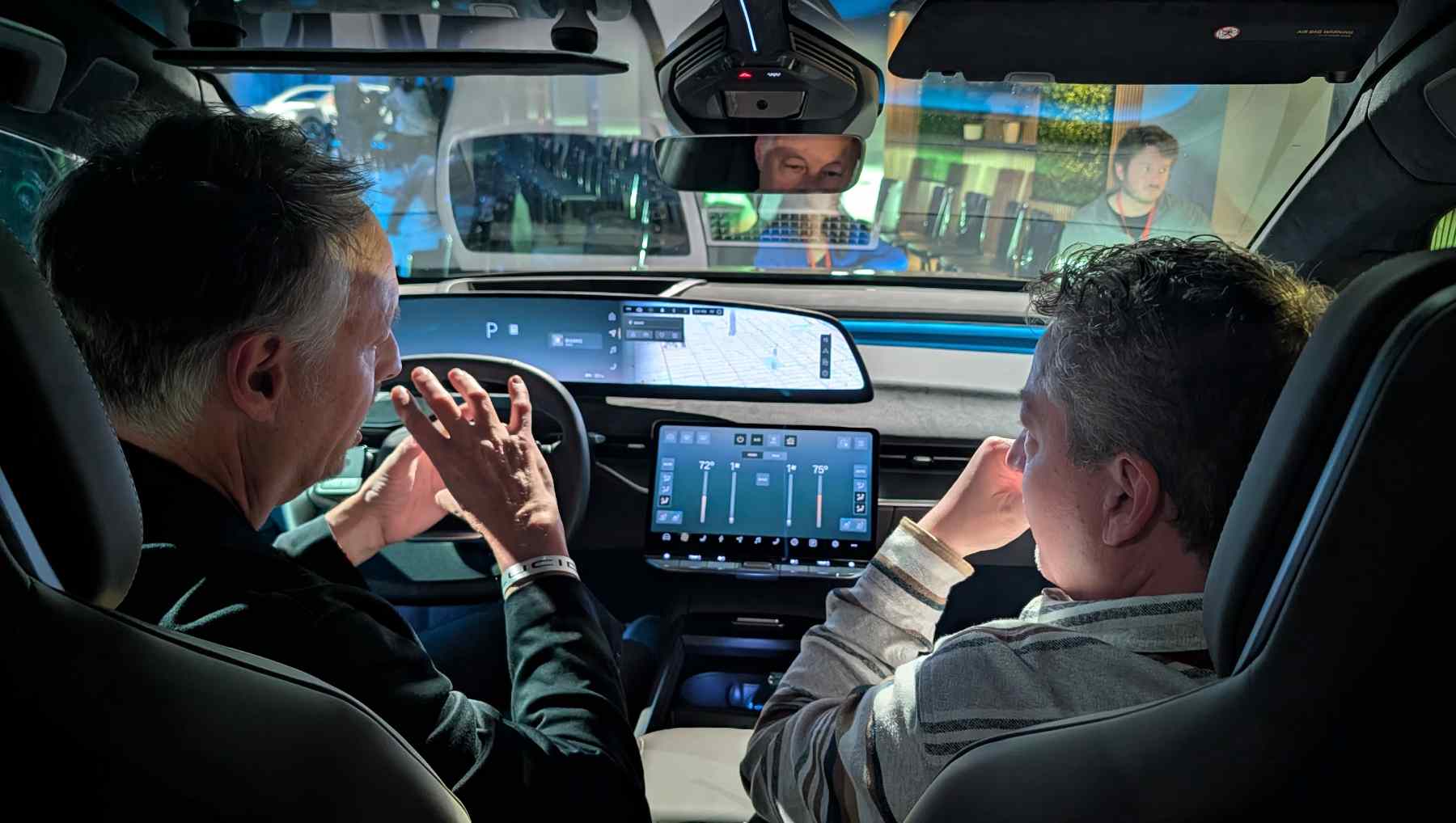
While the current system seems somewhat limited, plans are to expand it significantly in the future. I spoke to Lucid’s Dave Flint, who was demoing the system in a Lucid Gravity during the company’s 2026 Investor Day. Flint, who is Lucid’s Head of User Experience, is pretty proud of the system and has big plans for its future.
One of those involves the bot learning your routes and habits, then using that to provide better assistance. So if you drive home a particular way and need to buy laundry detergent, it can pick a store you’ll be passing anyway. Or if the usual route is congested for whatever reason, it can proactively suggest an alternative that saves you time.
Smart home integration, the ability to order goods or services, and other little tweaks that turn Lucid’s assistant into a full-blown PA capable of managing the more boring bits of your life are also on the wishlist. Again, none of this is particularly unique. TomTom is among the companies that offer a system that tracks your usual route between places and can use that for context when making suggestions. BMW’s AI assistant may end up offering similar shopping and smart-home functions, particularly as the German automaker has partnered with Amazon on it. Who ultimately does the best job and offers the most value remains to be seen.
It will be part of Lucid’s “software as a service” strategy
Over the next few years, Lucid will sell far more than just cars. “Software as a service” is a large part of the company’s roadmap to profitability, and subscriptions sold to its customer base will likely account for around half of the company’s income eventually.
Self-driving systems are probably the biggest part of this strategy, and customers will pay different amounts depending on the level they choose. From the high $60s to just under $200 per month, as things stand, for level 2++ to level 4 systems.
The AI assistant will also be subscription-based rather than a one-time purchase. But it’s unlikely to be standalone. When asked, Flint insinuated it would be part of a package, likely a connectivity-based one, which makes sense. So if you want an AI assistant that can manage your life as you drive, and help curb your vices, you’ll also need to pay for in-vehicle WI-FI and a few other connectivity-centered features.
The AI system is set to roll out on both the Air and the Gravity later in 2026. Lucid’s recently announced mid-size vehicles will have the system available at launch, should buyers opt to subscribe to it. The system will also be present in the company’s upcoming Robotaxis, and will be able to track users individually. So you’ll be hopping in a cab with an AI bot that knows you well, as terrifying as that sounds.