
EV manufacturer Tesla’s stock has started to tank after a pessimistic assessment from a JP Morgan analyst. This is a car site, so I won’t bore you with the technicalities, but essentially someone who makes a living predicting share prices has predicted that a Tesla share will be valued at around $145 in December 2026.
This is a pretty significant drop from the $360 or so price a Tesla share demanded before this news broke. At the time of writing, the price has sunk by close to $13 per share, or a roughly 3.5% dip. Suggesting investors are taking this prediction pretty seriously.
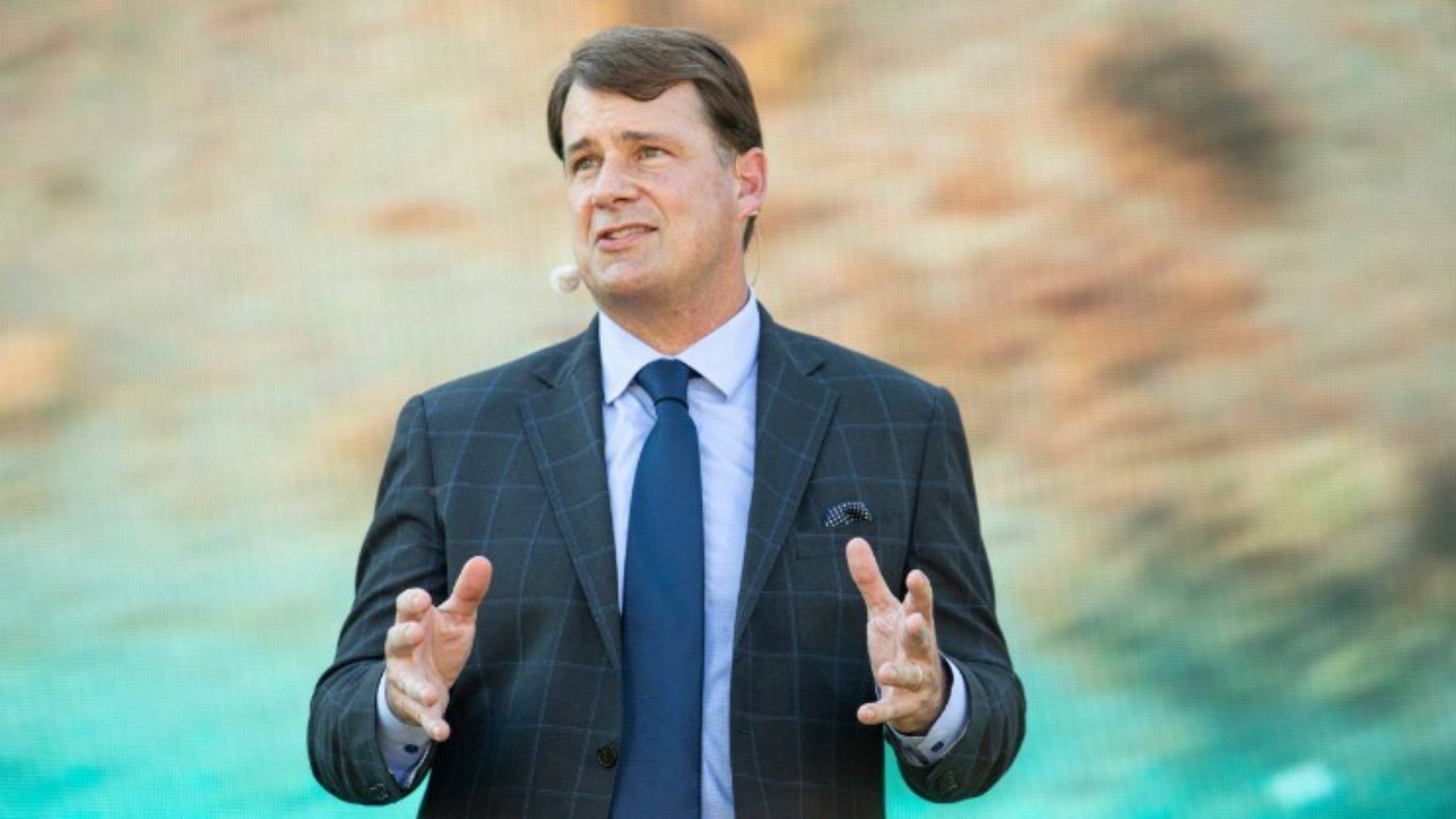
But is Brian Brinkman — the analyst whose portrait is likely pinned to Elon Musk’s dart board at the moment — likely to be correct? Wall Street on the whole seems to have differing opinions, though none are as pessimistic as Brinkman’s.
We may not be stock experts at AutoNotion, but we do write about EVs a lot. So here’s our take on the situation.
Musk may have known Tesla was on shaky ground
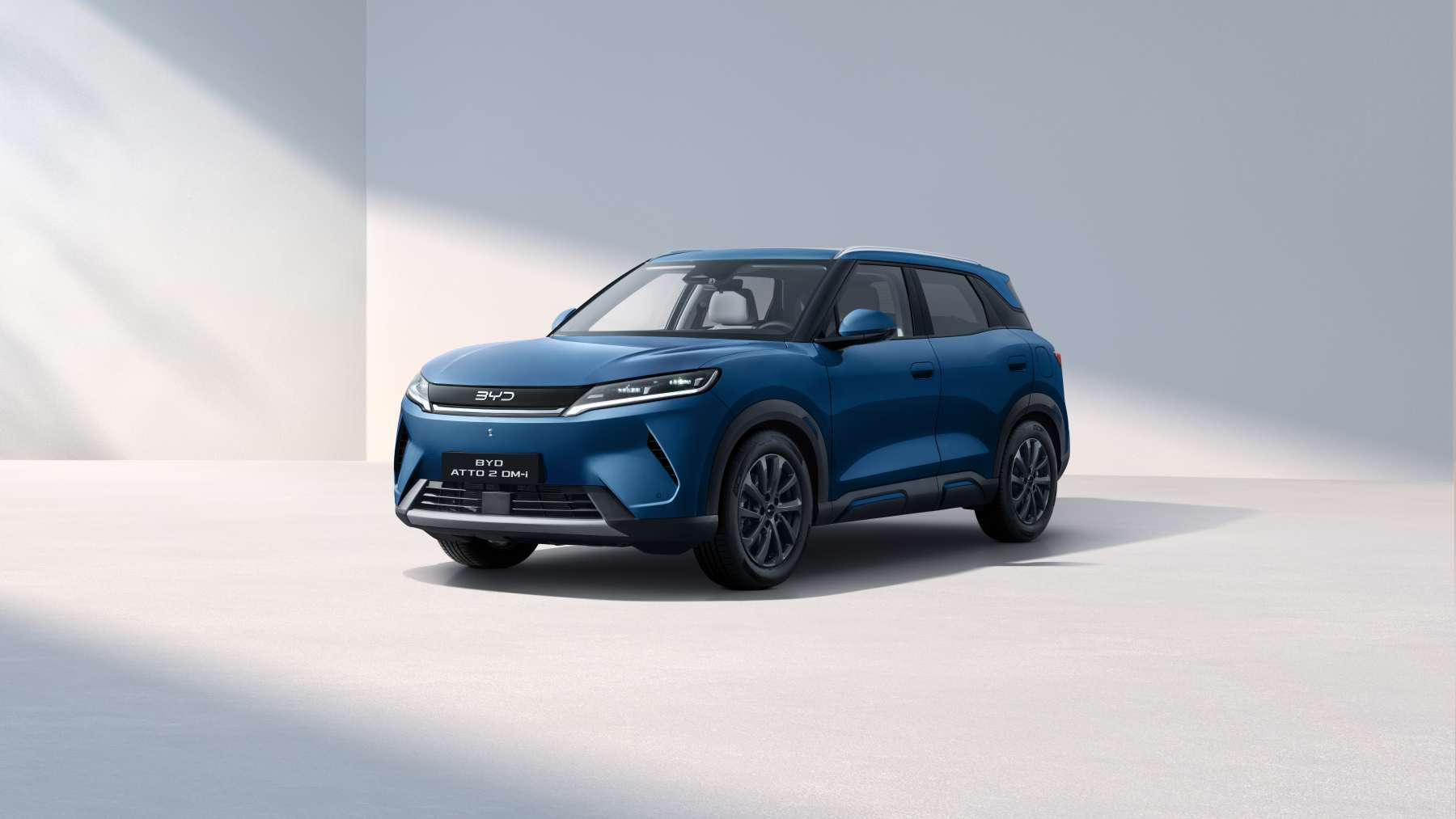
Recent months have been objectively rough for Tesla. BYD overtook it as the world’s largest EV manufacturer again. Musk’s company lost a major lawsuit in California and had to rename its “Autopilot” self driving system. It’s also lost a tremendous share of the lucrative Chinese market, and the price war there suggests it’s not getting that back any time soon.
All of this might explain Tesla’s pivot away from EVs at the start of 2026. Musk dropped the high-performance Model S and the Model X SUV from its lineup. Going from “S3XY” to 3Y.
The decision to drop the S and X apparently freed up manufacturing space for the company’s “Optimus” robot. Musk sees the robot as revolutionary, taking over many manual jobs and sending the costs of goods through the floor, while also acting as a domestic servant to anyone who can drop around $30,000 on one. There may be a bit of an issue with this plan though.
The EV market is suspicious, but I still believe the butler did it
On the face of things, Musk made a smart move. The Model 3 and Model Y are Tesla’s bread and butter, so ditching showy fringe vehicles like the Model S does streamline things. The EV market is not the one Tesla dominated a few years ago either.
It’s heavily saturated, with every major manufacturer having dipped its toes in the pool. Some are even doing u-turns and either re-assessing their entire EV strategy or bringing back big thirsty V8s.
Government subsidies are also gone for the most part, leading to a plateau in EV sales. Chinese manufacturers like BYD are dominating both the Asian and European markets, undercutting western manufacturers like Tesla, Volkswagen, and Ford.
So diversifying is smart. The problem is Optimus looks as much pie in the sky as Musk’s Mars colony at the moment. Robotics has come a long way, I’ve been up close to a Boston Dynamics Atlas (the large humanoid robot currently working in Hyundai’s factories) and it is impressive. Though it’s also slow and limited to basic tasks that have been highly trained.
There’s a huge gulf between training a robot to go to a specific spot in a factory, find a specific part, scan a QR code to confirm it, then bring that part to a human who does the actual work, and what Musk claims Optimus can do. You can’t currently shove any humanoid robot into a random apartment and get it to do the dishes. It would get confused.
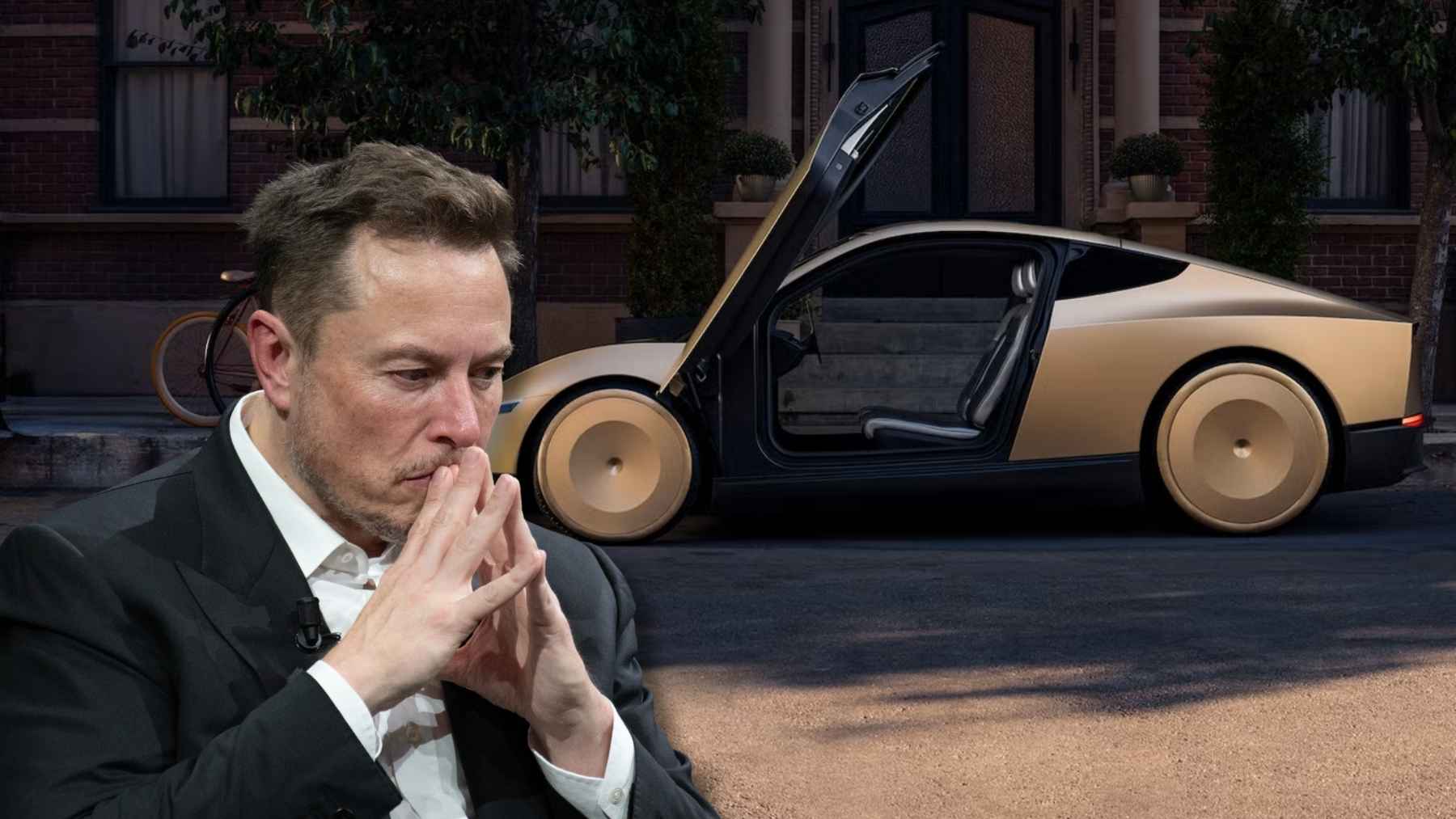
Yes, Musk did show Optimus off at that weird Blade Runner-style launch for the Cybercab. But those were as much of a facade as that guy he crammed into a lycra jumpsuit for the original Optimus “unveiling.” All of the robots at that event were controlled by humans, right down to the conversations they were having.
Plus, recent reports suggest the Cybercab itself may be in trouble. Which would mean Tesla’s other big bet for the future was off.
The automotive industry in general isn’t in a great spot. And Tesla could well be one of its biggest casualties. So while Elon Musk hasn’t made too many friends in recent years, I’d advise against taking that JP Morgan assessment with a pinch of salt.