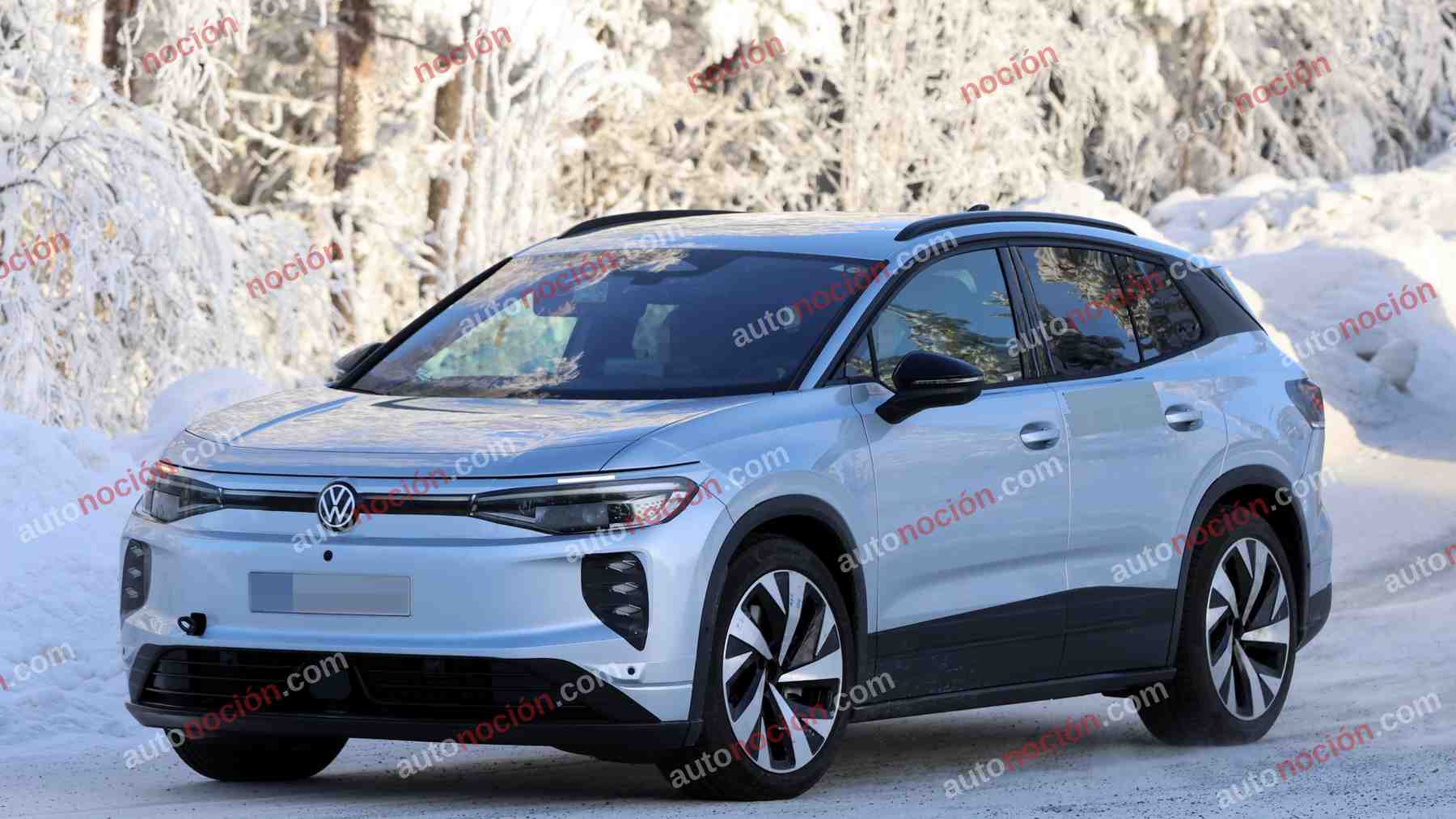

Volkswagen really meant it when they said that they believed in their ID. brand. While the VW ID.4 is on its way out, it’s evolving into the ID. Tiguan, which we recently caught driving around in gray. So get your Great Balls ready to catch this new evolution if you’re one of the dedicated ID. fans that VW recently talked about.
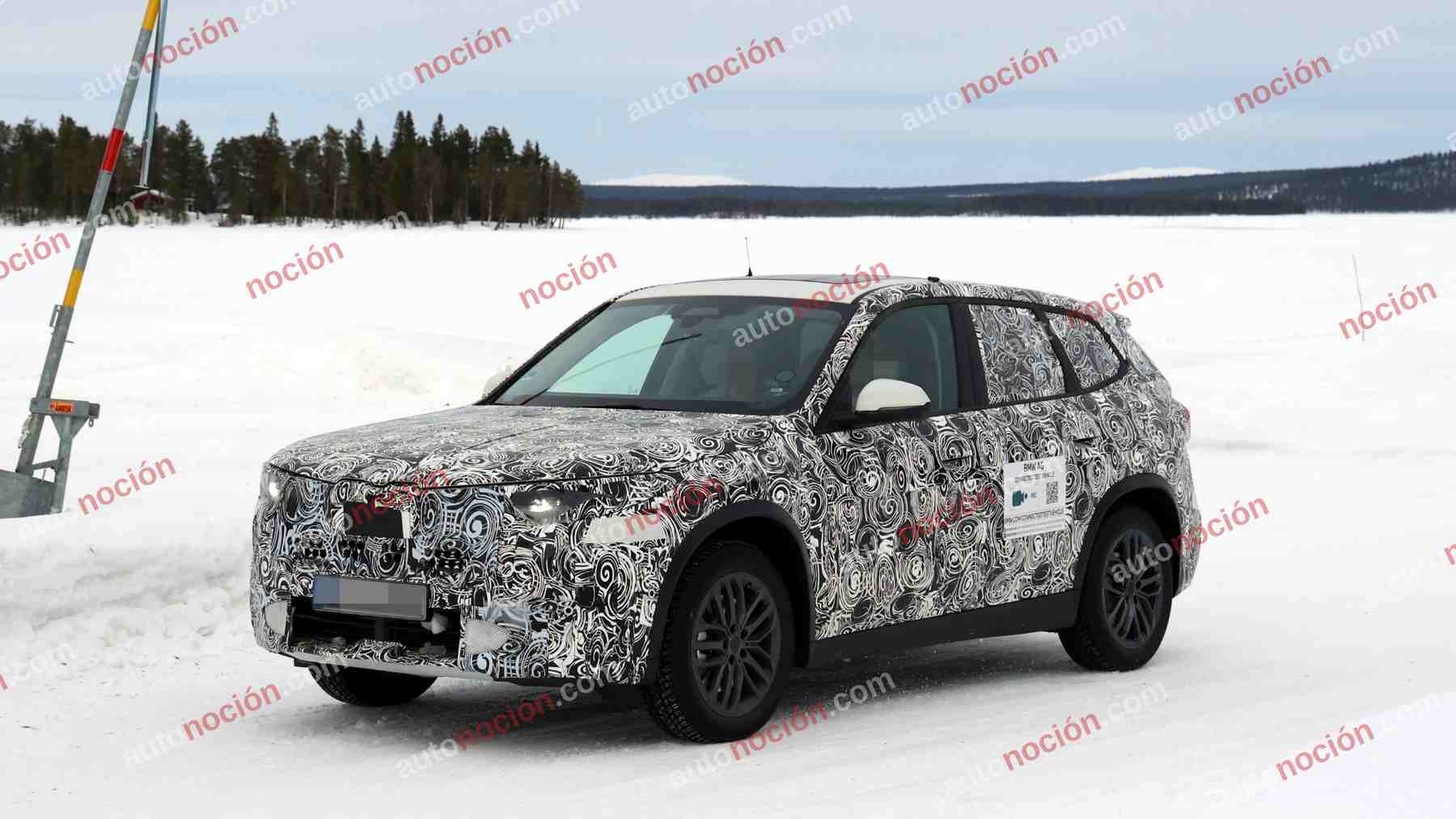
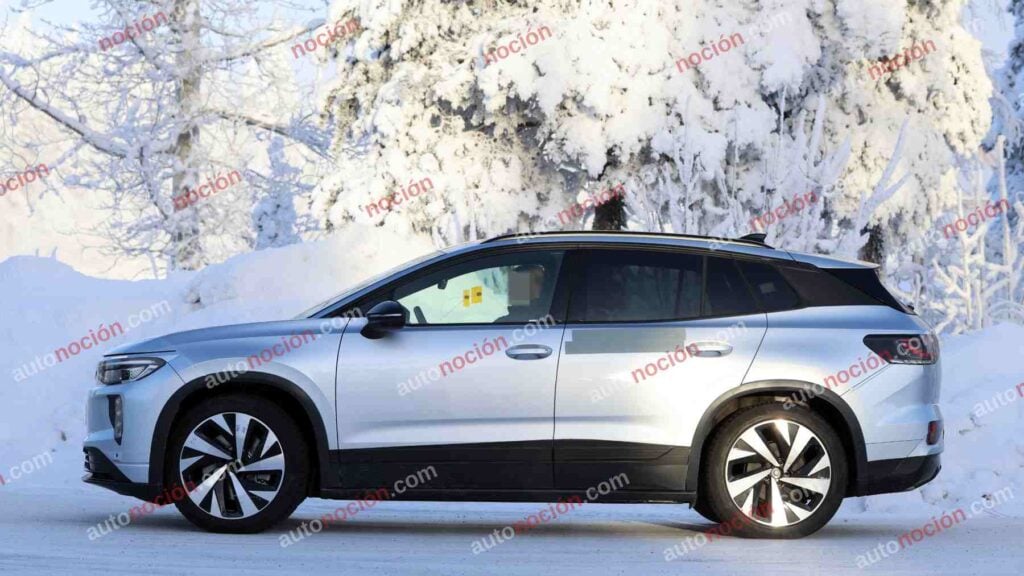
The world premiere of the new ID. Tiguan is scheduled for October 2026, with production beginning in Germany in November 2026. However, we can already see many major changes in the images an Autonocion photographer snapped. The swoopy, curvy look of the ID.4 has been replaced with a lot sharper, straighter, and more aggressive edges and lines on every panel. It’s less flowy and more blunt.
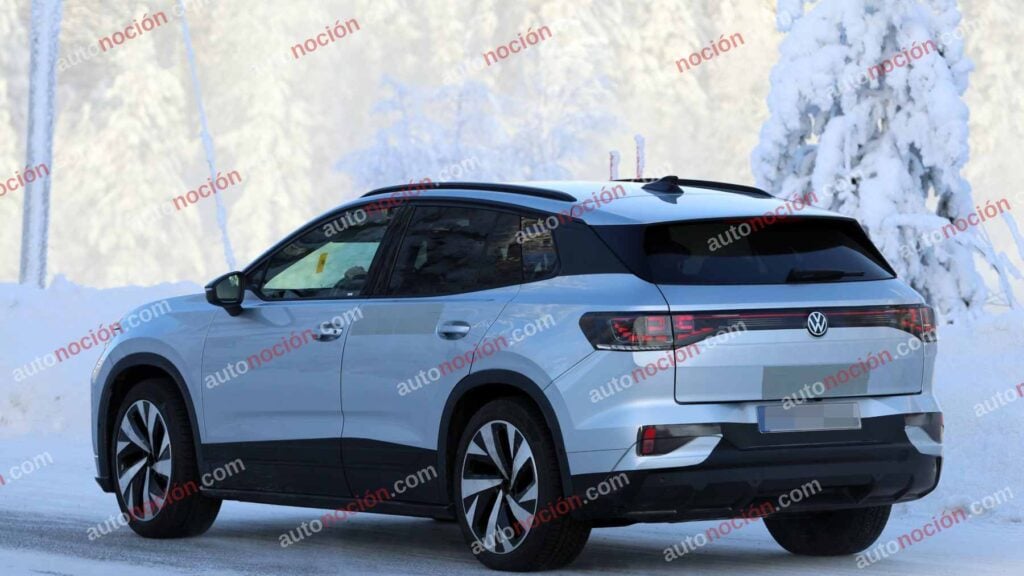
The ID. Tiguan also has new headlights, a new front bumper, and a possible LED light bar hidden underneath the disguise. The rear is a bit harder to decipher with the sticker and fake stuff there to trick us (guess it’s working), but we can tell there is defintely going to be some different stuff on the back as well. The rear bumper is new, although we are not seeing the final color and shape just yet.
It’s an overall positive redesign, though we can’t fully see what’s going on. However, it seems the biggest change is the name, retiring the ID.4 moniker for the ID. Tiguan. This is the part that’s really gotten the car community curious.
Volkswagen’s naming strategy becomes clear with ID. Tiguan
Volkswagen has been trying to create a brand that drivers can latch onto, which means dropping the whole number shtick. The number thing is something I’ve never been a fan of, whether it’s a strict code like BMW or nonsensical numbers like Polestar. In the end, neither will make you feel anything. If BMW dropped the “BMW 17” would you truly have any vision in your mind? You’d better break out the BMW naming chart to decipher what that entails. But you’re not going to have an emotional reaction or detailed image in your mind.
Volkswagen dropped the ID.2 already, switching it to the ID. Polo, with the carmaker vowing to transfer more “established” names to its EVs going forward. This is an attempt at bridging the gap between the combustion and electric worlds, hoping that it’s newer electric vehicles can connect with consumers. It makes sense: getting drivers to connect with EVs has been one of the biggest challenges for established automakers. Lamborghini even had to drop its upcoming electric supercar after they realized it was difficult to get rich supercar buyers to connect with a vehicle that had no authentic engine noises.
Thomas Schäfer, CEO of the Volkswagen brand, Head of the Brand Group Core stated: “Our model names are firmly anchored in people’s minds. They stand for a strong brand and embody characteristics such as quality, timeless design and technologies for all. That’s why we’re moving our well-known names into the future. The ID. Polo is just the beginning.”
When discussing the ID. Golf, Martin Sander, VW’s board member for Sales, Marketing, and Aftersales, expressed that the “ID.” aspect is also an important component of the vehicles’ names. He explained: “ID. is a really strong brand. There is an ID. community; ID. drivers meet up once a year at Lake Como. This shows that ID. in itself, is becoming a strong brand — we need to think very, very carefully about whether we want to ditch that.”
I personally am not too certain about the impact a meetup in Lake Como has on Volkswagen’s sales, but it’s clear how much thought the brand is putting into the identity of its vehicles. The name has become almost as important — maybe even more important — than the re-designs. Maybe even more important than the new motors and battery packs. No, probably not. But in the end, the further range, faster charging speeds, and names people can remember and connect with all come together to make VW’s new EV lineup resonate with the car community more than a new bumper.