
Automakers largely pivoted to an all-electric future over the past few years, driven by countries’ regulations, incentives, and goals. It seemed almost mandatory for survival, even leading Lamborghini to consider an all-electric supercar. However, 2026 has seen nearly a 180% increase in EVs, as tax credits fade and China dominates the electric market. There isn’t a huge push or demand for electric cars anymore, and automakers are paying the price.
While some carmakers are still pushing forward with EVs (often ones that don’t have a choice), others are going back to hybrid, gas, and even diesel vehicles — anything to find a new niche that China can’t overtake with its cheap-o EVs. According to Automotive News, the sudden need to shift away from an all-electric future has cost Honda, General Motors, Ford Motor Co., and Stellantis $70 billion.
Here are the EVs that have already been discontinued and canceled just a few months into 2026.
Honda cancels 0 Series SUV, 0 Series Saloon, and Acura RSX
With EV plans down the drain, Honda had to write down the value of its China operations, and supplier compensation cost the brand $15.7 billion. Honda previously planned a collection of EVs for the United States market, but has instead decided to focus on hybrid vehicles, having attempted to keep up with China’s lineup. And failed.
“In such a difficult competitive environment, Honda was unable to deliver products that offer value for money better than that of newer EV manufacturers, resulting in a decline in competitiveness,” the company said.
The Honda 0 Series was introduced at CES in 2024 and was meant to roll out this year, starting in America. These vehicles were meant to be “thin, light, and wise,” according to Honda at the Japan Mobility Show in 2025. Despite years of planning and designing, Honda has put an end to that vision.
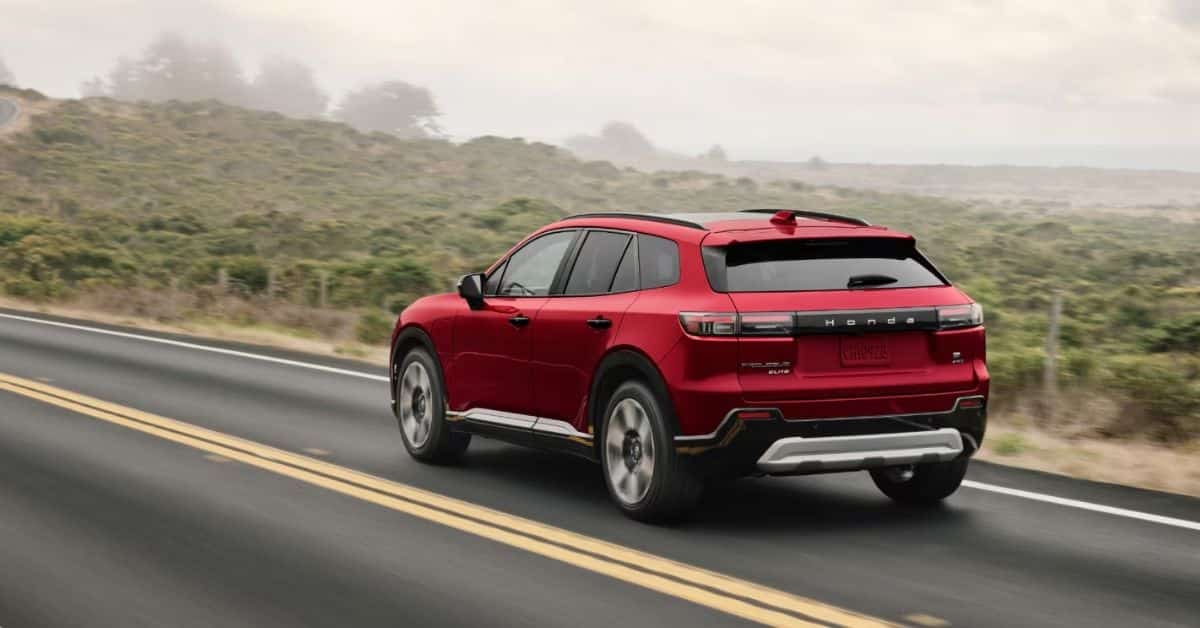
Honda’s pivot from EVs is so dramatic, in fact, that it may even include discontinuing the existing Prologue by the end of 2026. This would have given the vehicle just two years, with sales declining in late 2025 into January 2026. Maybe it’ll come back as a hybrid, but we’ll have to see what Honda has to say when this is confirmed.
Kia delays EV4 and two EV6 and EV9 trims
Due to ongoing market conditions, Kia has been trimming its electric vehicle lineup, but it hasn’t given up hope like Honda has just yet.
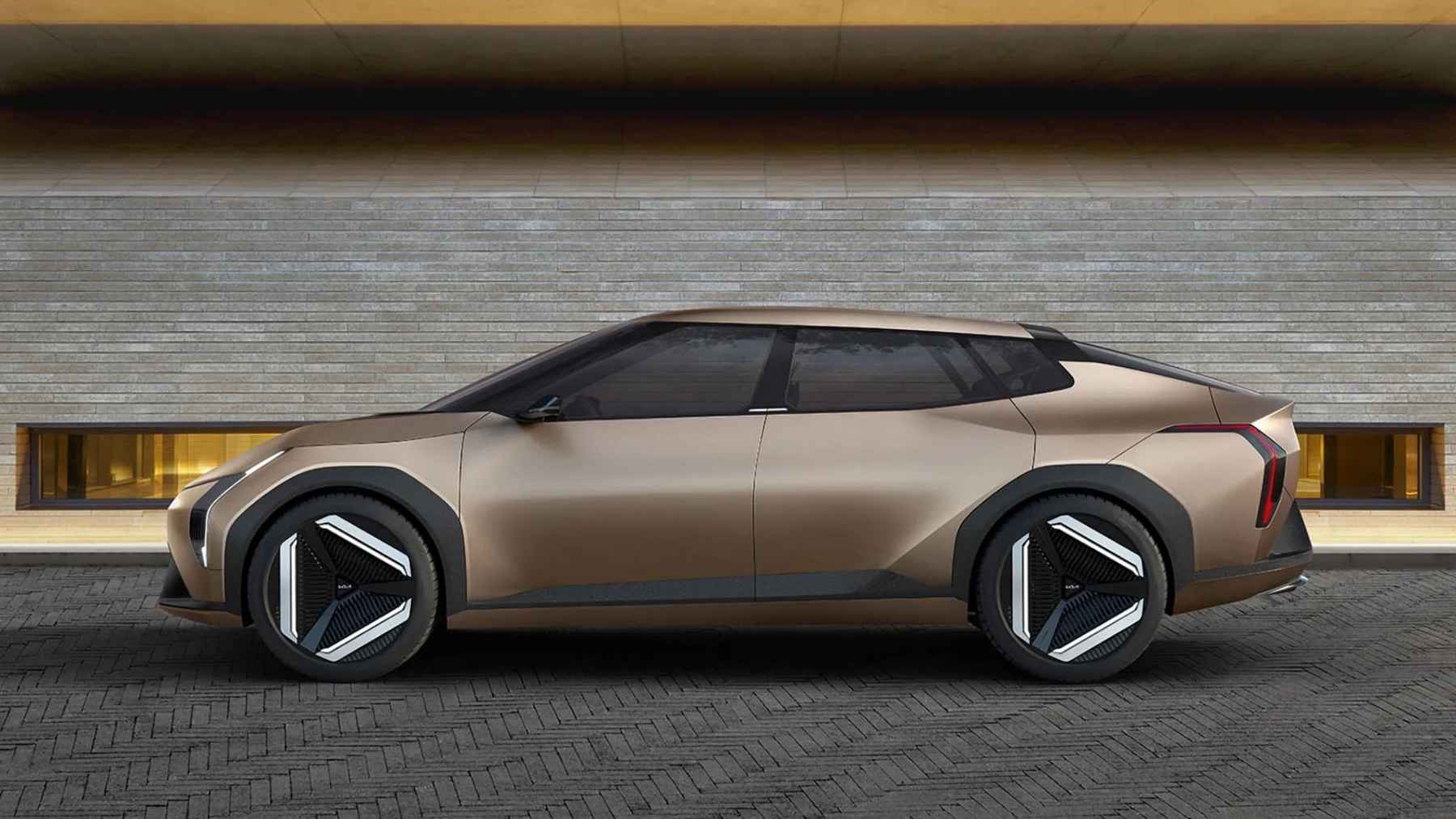
The EV4 was meant to come out in 2026, with three trims and two battery options. But the small EV is now delayed “until further notice,” according to a spokesperson. Priced below $40,000, this would have been one of the cheaper new EVs of 2026, offering 235 to 330 miles of range.
The EV6 and EV9’s GT trims have also been delayed indefinitely. These are built in South Korea, and Kia clearly doesn’t want to pay the devastating tariffs imposed by President Donald Trump on them. These tariffs, later ruled as illegal (not that it stopped them), cost Kia $2.3 billion in 2025. Its operating profit fell from $9.3 billion in 2024 to $6.4 billion due to these tariffs.
Meanwhile, the EV6 GT-Line and EV9 GT-Line are both made in Georgia, so these will continue as planned. Stated Kia to Road & Track: “Offering tremendous value and exhilarating performance to customers across Kia’s full range of vehicles is paramount, but due to changing market conditions, the 2026 EV6 GT will be delayed until further notice. This delay does not impact the availability of other trims in the EV6 lineup, which are proudly assembled in our world-class facility in West Point, Georgia.”
America!
Hyundai also reduces trims, leaving just Ioniq 6 N
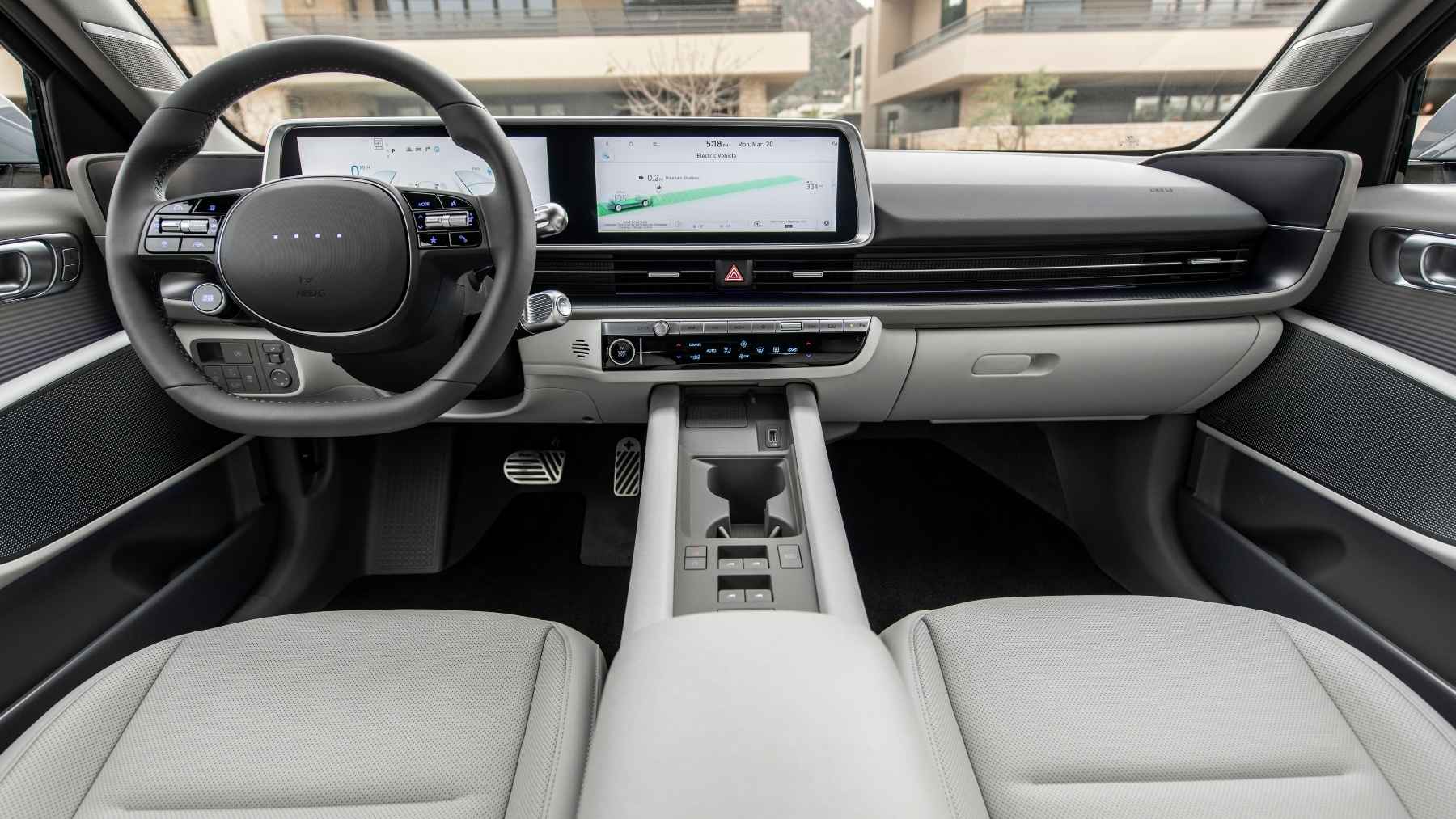
The Hyundai Ioniq 6 SE, SEL, and Limited have been discontinued, leaving only the high-performance Ioniq 6 N. It’s a bit of an interesting move, killing off the lowest and most affordable trims but keeping the sportier model that’s meant for car enthusiasts. However, Hyundai likely wants its more commuter-friendly lineup to focus on SUVs.
The Ioniq 6 is made in Hyundai’s plant in South Korea, meaning every model that comes into the United States has a 15% tariff attached. Reducing the number of Ioniq 6 models exported to America makes sense, with the Ioniq 6 N a more niche, low-volume offering. The N trim is around $70,000 to $75,000, with 601 horsepower or 641 hp with N Grin Boost. This feature allows the Ioniq 6 N to accelerate from 0 to 60 miles per hour in just 3.2 seconds. If you still care about that kinda thing.
For the rest of the driving masses that don’t need that, Hyundai will focus on the Ioniq 5 and Ioniq 9 SUVs. These are a bit more versatile and offer a more “normal” appearance, so Hyundai is probably banking on them selling far more than its electric sedan did. The Ioniq 6 had sluggish sales in 2025, while the Ioniq 5 had a record-breaking year with 47,390 units sold. The Ioniq 9 did alright.
Tesla discontinues Model S and Model X
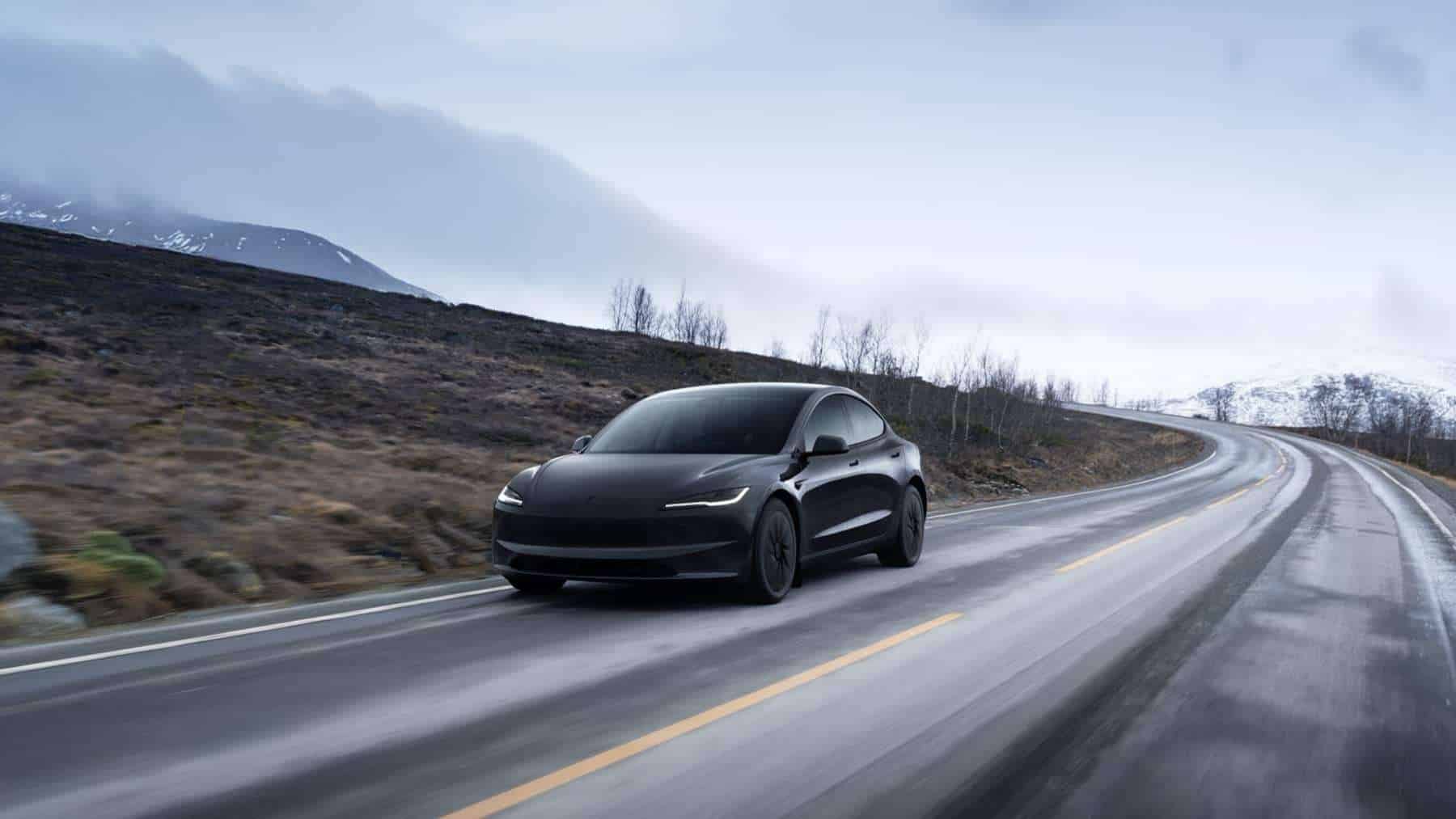
In a move that Tesla fanboys probably didn’t enjoy, Tesla has ended production for the Model S and Model X despite the factory being in the United States. Elon Musk has stated that he plans to use this space to build an Optimum robot assembly line instead.
While he can paint it as purely innovative for the future, there was a sharp decline in sales for the Model S and Model X in 2025 that can’t be denied. The desire for luxury EVs is down, with fewer people willing to spend around six figures on a Model S or Model X. In total, the Model S, Model X, and Cybertruck recorded 50,850 sales last year, a 40% drop. Tesla’s total sales were also down, marking the American EV company’s second year of decline.
With Tesla dropping some models, many EV-focused automakers see an opportunity to fill the gap. Lucid recently introduced three mid-size SUVs packed with tech and Rivian is hoping to win over some EV drivers with the upcoming R2.
Lamborghini drops electric Urus and turns Lanzador into a plug-in hybrid
Lamborghini announced its “electrification” plans in 2021 and revealed its first-ever all-electric supercar a few years later. The Lanzador offered more “sportiness” and “charisma” than most EVs, with 1,300-plus horsepower and sharp, aggressive lines. However, Lambo decided to drop its Lanzador plans after years of planning due to a lack of interest from rich supercar guys. Without the loud engine, the Lamzador didn’t feel as “quintessentially Lamborghini” as the brand had hoped — drivers felt no emotional connection.
Instead, the Lanzador is becoming a plug-in hybrid (PHEV). By 2030, Lamborghini’s entire lineup will also be plug-ins. Said CEO Stephan Winkelmann: “Plug-in hybrids offer the best of both worlds, combining the agility and low-rev boost of electric battery technology with the emotion and power output of an internal combustion engine.”
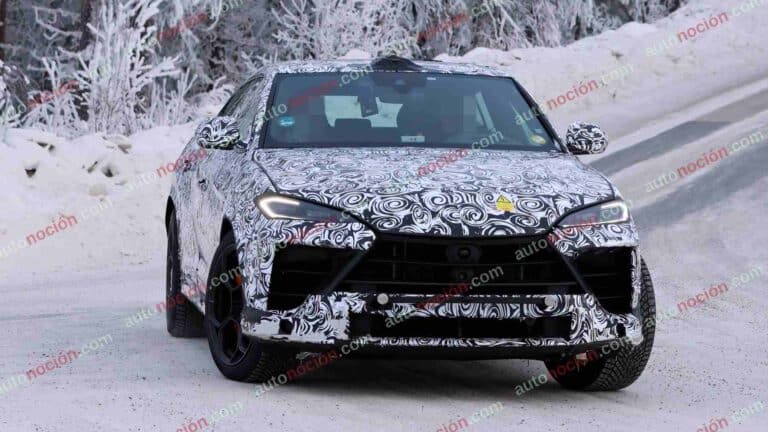
More recently, the 2027 Lamborghini Urus Performante was spotted in camo. While we couldn’t see every little detail of Lamborghini’s upcoming SUV, we do know it will be another PHEV rather than the previously promised full-electric powertrain. While this doesn’t seem like the best fit for the Urus, it aligns with Lamborghini’s goal of becoming a fully plug-in hybrid company in four years.
It’s just not looking good for fully electric vehicles right now. Demand is low, Chinese EVs are undercutting them, and they are costing automakers tons of money. It’s no surprise to see all of these brands switching so drastically, and we expect more EVs to be canceled as 2026 goes on. However, things can always change — we found that out the hard way the past few years.