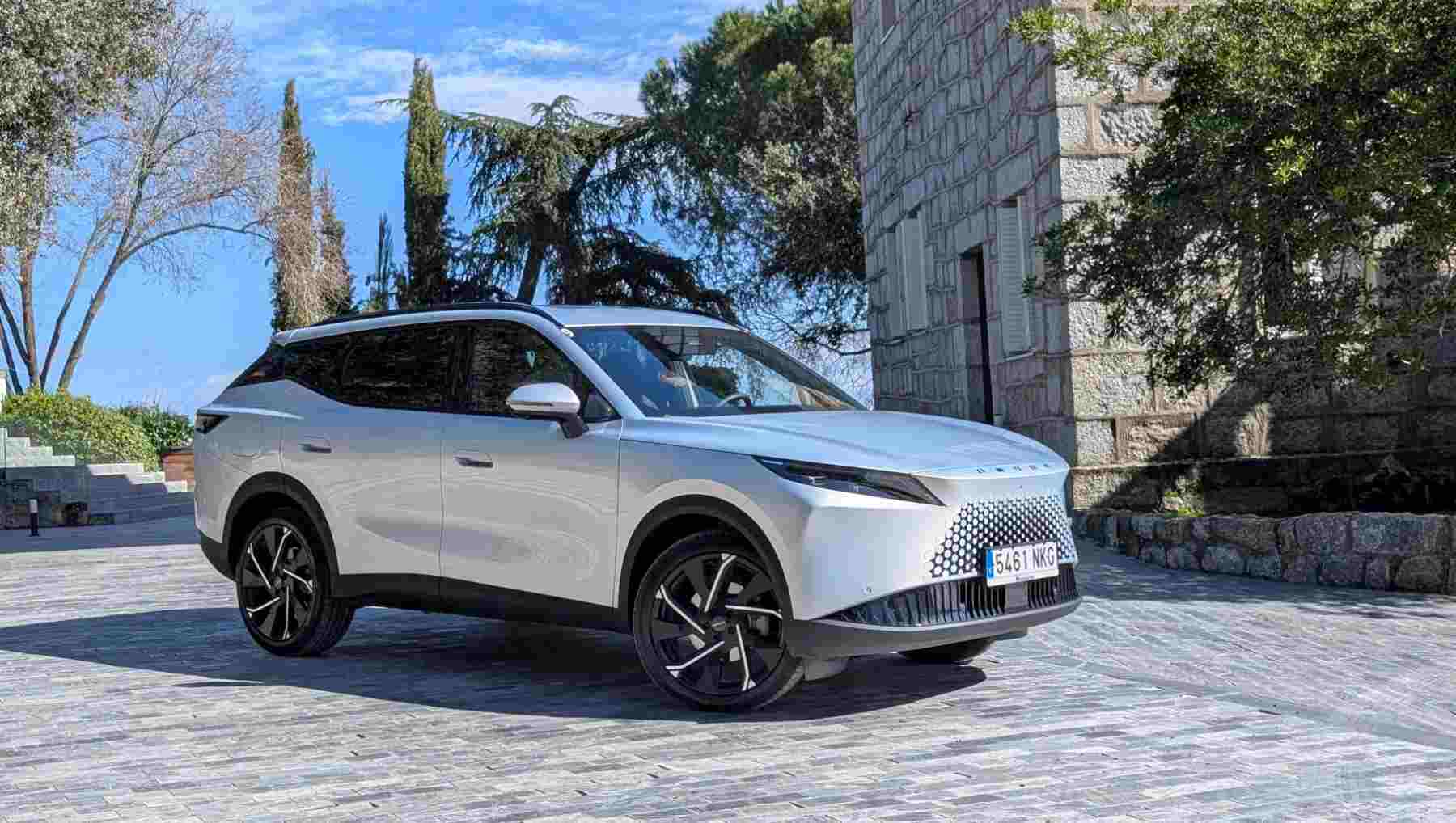

Chinese hybrids and other vehicles can now be imported into Canada after tariffs north of the border were relaxed. The OMODA 7 SHS is one of the vehicles that are likely to join a variety of BYD’s vehicles on the import list, but should Americans even care?
The vehicle is available (and selling very well by all accounts) in Europe. Autonocion’s colleagues across the pond have also had a chance to give an OMODA 7 SHS a full and thorough review. Specifically, Luis Reyes tested the Canada-bound Chinese EV back in February, describing it as a major leap forward for the brand.
Here’s the gist of what Reyes thought, but translated into English and with all of the metric stuff converted for your convenience. He paints a beautiful picture of the OMODA 7 SYS, which is unfortunately crushed by the realities of the American automotive market. Here’s our take on what may be the best non-BYD Chinese vehicle hitting the Canadian market, along with why it’s doomed to fail in North America.
How did Autonocion feel about the OMODA 7 SHS?
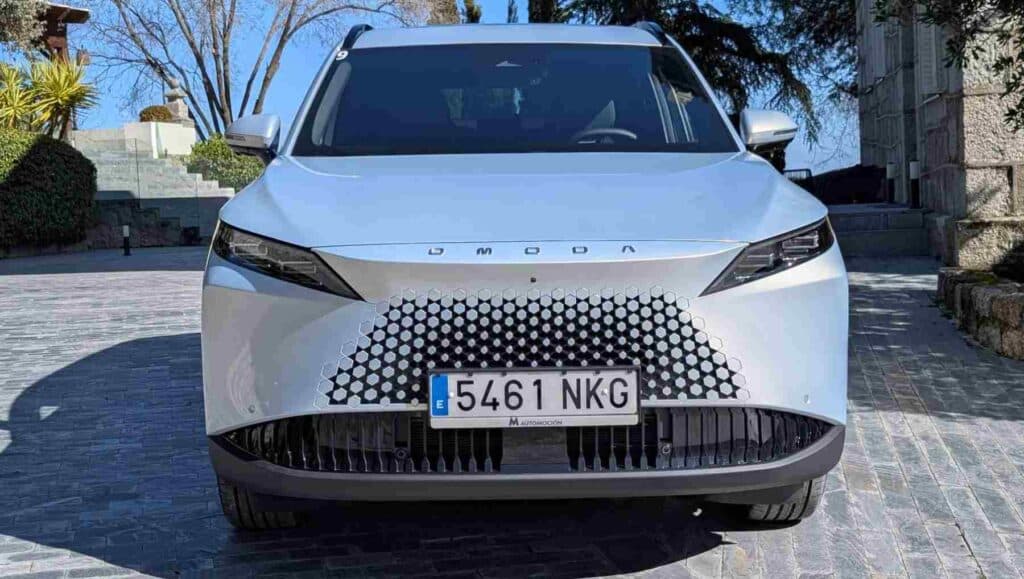
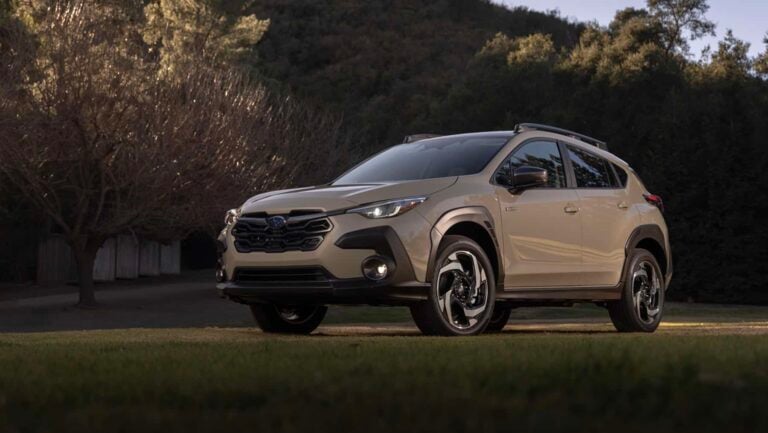
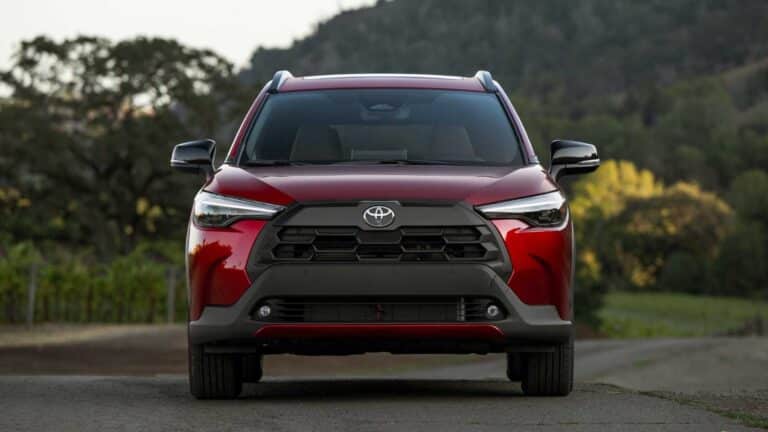
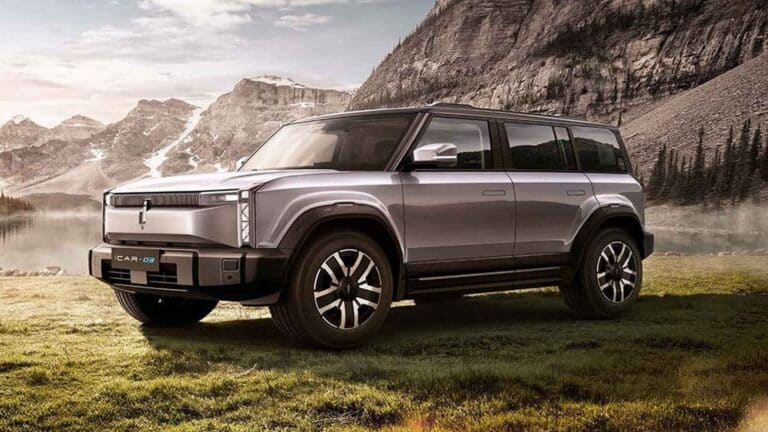
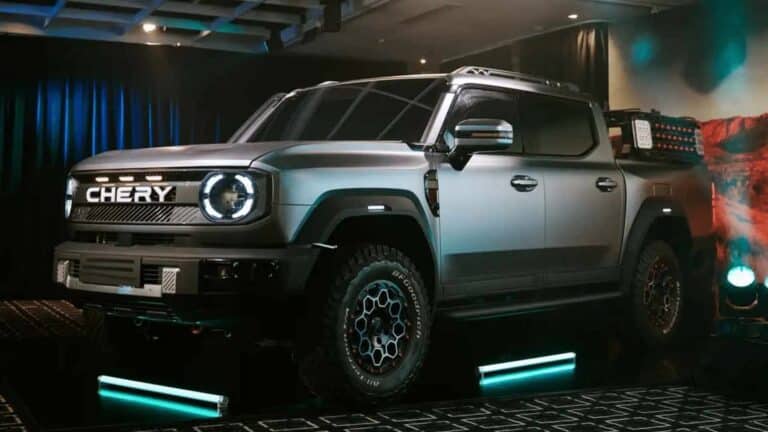
Reyes described the exterior as having a “lot of personality” with the “Lexus-like” lighting and exaggerated front grille receiving particular praise. The fastback roofline also reminded Reyes of a Land Rover to a degree. The interior was minimalist, and serious, while also giving a sense of spaciousness. Though the lack of physical buttons was as much of a concern in Spain as it tends to be here in the US. That interior also features a lot of plastic, though the plastic in question is of high quality with a “soft touch” feel. Which you get in a lot of vehicles these days anyway.
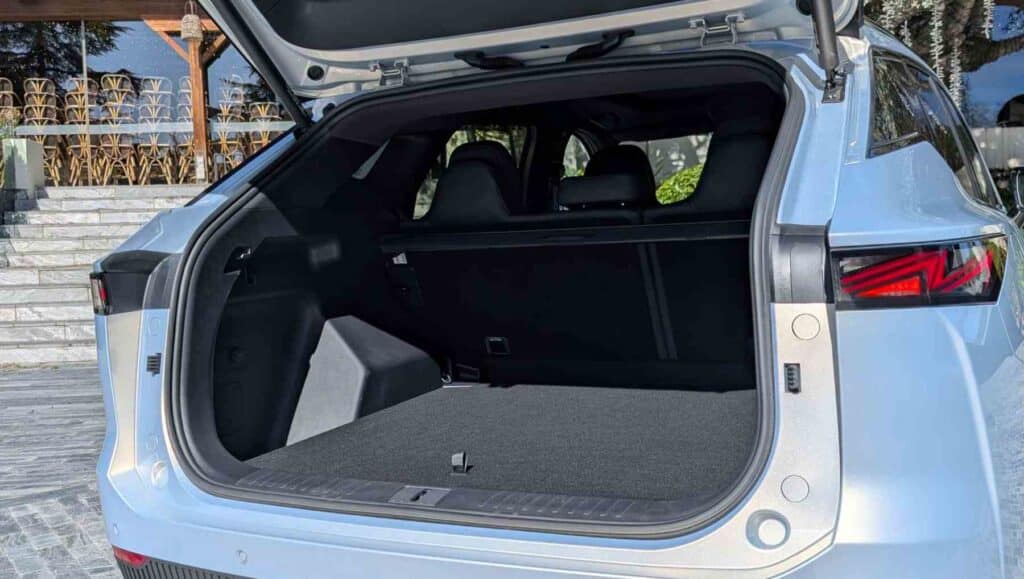
The vehicle has two rows of seats, though the middle seat of the rear bench isn’t too spacious. That also extends to the cargo room, you get 537 liters, expandable to 1,294 liters when the rear seats are folded down. In freedom units, that’s just shy of 19 cubic feet expandable to 49.7. Which is firmly on the smaller side in a country where a crossover is seen as a “compact” option. The front seats were described as “sporty yet comfortable” with that comfort extending in the back (provided you aren’t stuck in the middle).
The reviewer praised the vehicle’s infotainment system, and pointed out the array of driver’s aids included with the vehicle. This included a functional self parking system, which is shocking because that’s something I’ve never encountered in North America. Despite driving what must be at least 50 cars that allegedly include one.
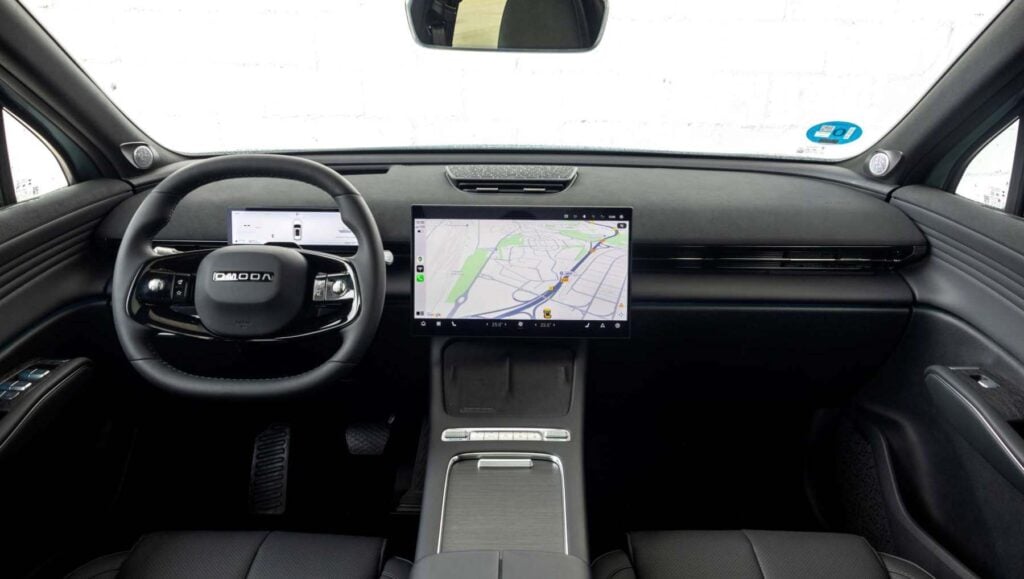
As for how it drives, Reyes claims it feels more like an EV in an urban environment. This makes sense as the OMODA 7 SHS functions more like an EREV than it does a plug-in hybrid. The engine produces 143 horsepower while the motor contributes 204 horsepower, though those are European figures. America measures horsepower slightly differently, because that tea didn’t go into the harbor so we could spend our days measuring things like those Eurocommies, right?
So yeah, 141 horsepower engine, 201 horsepower motor, when adjusted for freedom. Working together, the engine and motor can produce 275 horsepower, which is a good amount for a vehicle of this size. Most of that power comes from the electric side.
Pure electric mode nets 92km of range (57 miles) which sounds fairly average for a PHEV. However, because of how the vehicle is configured, you actually get 1,200km (745 miles) of range on a full tank and full battery. Which is what we were expecting from Chinese vehicles. If you’re the sort of person who does plug in a plug-in hybrid then 400W charging means it won’t have to stay plugged in for long. If you do run out of electric range, the transition from pure EV to electric + combustion is apparently very smooth.
Despite the horsepower, the Omoda isn’t exactly punchy. Reyes clocked the 0-60 time at 8.6 seconds which he describes as “more than sufficient for a family SUV of this size.” You can argue that 0-60 times aren’t that important, but that is pretty sluggish by modern North American standards. Even a cheap, small, SUV like the Kia Niro can hit the benchmark in a shade over six. And that has less horsepower in total than the Omoda has in its motor.
Will the Omoda do well in Canada — and would it sell well in the US?
Overall, Reyes claimed he would buy one so it’s obviously a solid vehicle well suited to the Spanish market. However, with a starting price of €42,900 (just shy of $50,000) when you knock off government subsidies, it could be a hard sell in the US.
It’s dropping right into the most competitive segment of the market, and dismissing the affordability factor which makes the North American public want Chinese vehicles in the first place. For that money you can get something bigger, more powerful, and more luxurious. You’re utterly spoiled for choice.
The top trim of the Hyundai Santa Fe is less than $50,000. It’s a hybrid that gets up to 34 MPG, the interior includes plenty of leather and a beautiful dashboard, it goes from 0-60 over two seconds faster than the Omoda, and it’s built in Alabama so you’re supporting the American economy instead of China when you throw your cash down for this South Korean vehicle I’m using as an example.
The one thing Omoda seems to have going for it is a near 750 mile range due to its EREV-style setup. And other manufacturers will be selling similar things in the US very soon.
Technical Specs
| Engine Displacement | 1.5l |
|---|---|
| Power (hp) | 275 |
| Torque (lb-ft) | 276.5 |
| 0–62 mph | 8.4 seconds |
| Top Speed | 112 mph |
| Cargo Capacity (cu ft) | 19 to 49.7 |
|---|
| EPA Fuel Economy (combined) | 102 (OMODA's estimate) |
|---|---|
| EV Range (miles) | 57 (Electric only) 745 (total) |
| Starting MSRP | $50,000 |
|---|
The OMODA 7 SHS is one of the most ambitious plug-in SUVs right now. It looks and feels more premium than you’d expect, the cabin is modern and genuinely tech-forward, and the PHEV system is smooth enough in town that it drives like an EV most of the time. Claimed 57 miles of EV range, 40 kW DC fast charging, and V2L power are big real-world wins. The trade-offs are familiar: too much touchscreen dependency, a few minor fit-and-finish quirks, and performance that’s “good enough,” not quick. In Canada, it could be a disruptor—if pricing and dealer support are right.Design & Styling - 9
Build Quality - 8
Standard Features - 8.5
Available Options - 6
Cargo Space - 8.5
Powertrain & Refinement - 7.5
Performance - 8
Fuel Economy - 7.5
Transmission - 8
Steering - 7.5
Braking & Tires - 8.5
Handling - 8.5
Ride Comfort - 8
Value for Money - 8.5
8