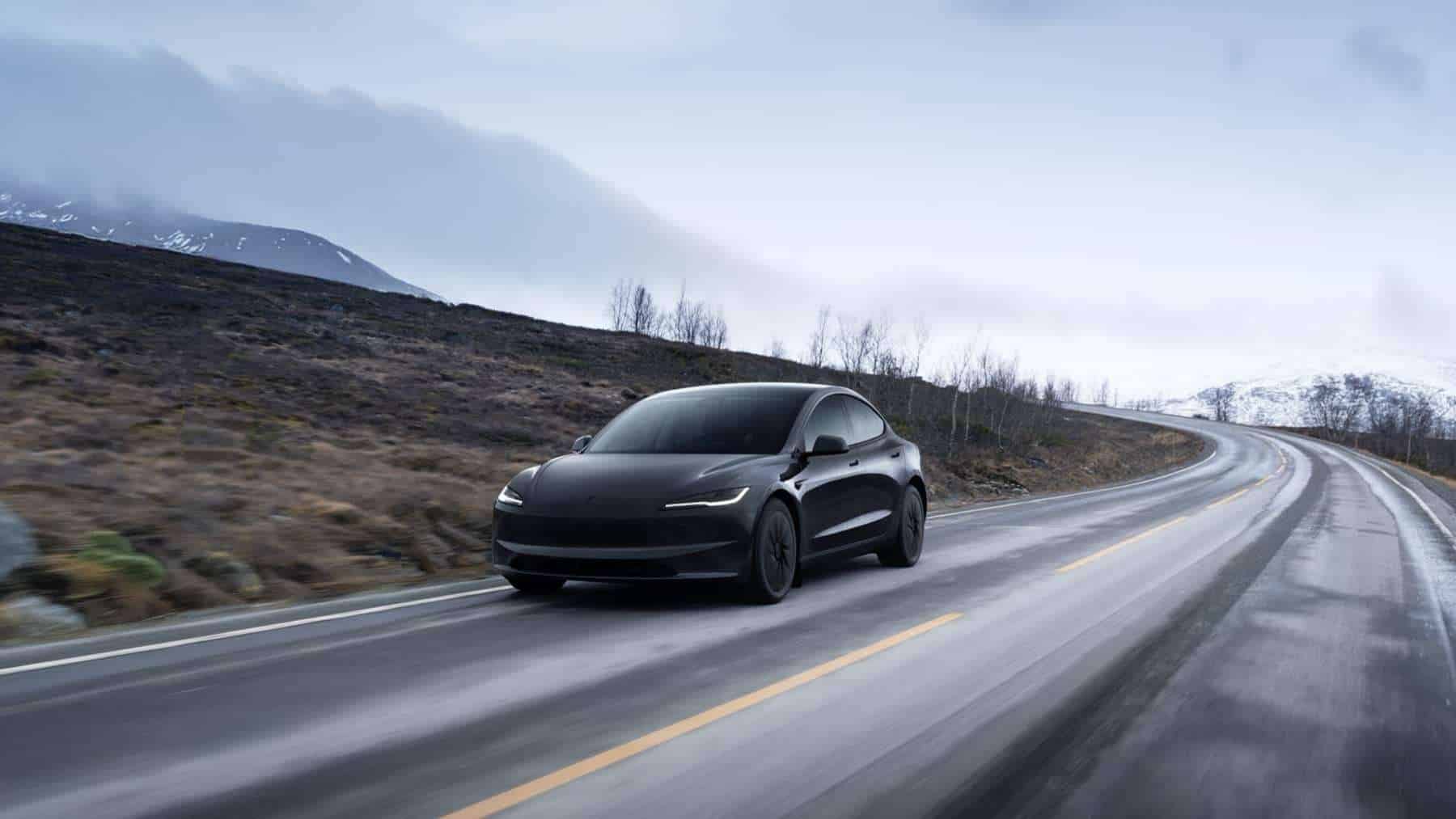

An EV battery fire is a major risk due to a lack of proper infrastructure, according to president and CEO of the National Waste & Recycling Association Michael E Hoffman. While the fires are notoriously difficult to deal with in the open air, an EV burning in an apartment complex garage could lead to disaster.
In a conversation with Autonocion, Hoffman outlined what the fires can do when thermal runaway takes hold, saying: “We had a total loss of a battery recycler in Missouri related to EV battery fires. This is a chemical reaction. It’s less about the energy, you can pull off the energy in the context of whatever’s there.
“Your big risk is the chemical reaction that’s occurring if you have damaged cells. That chemical reaction, you’re going to end up with thousands of degrees Fahrenheit.”
Hoffman is used to hearing about EV fires. In the recycling facilities he deals with, batteries bursting into flames is a pretty common occurrence: “EV bikes down, we have a fire every single day in every single state somewhere just in the waste and recycling infrastructure. In the truck, not because it’s battery operated but [because of] the transportation of landfill because batteries get damaged in that waste collection process and and you know, that’s just our world.”
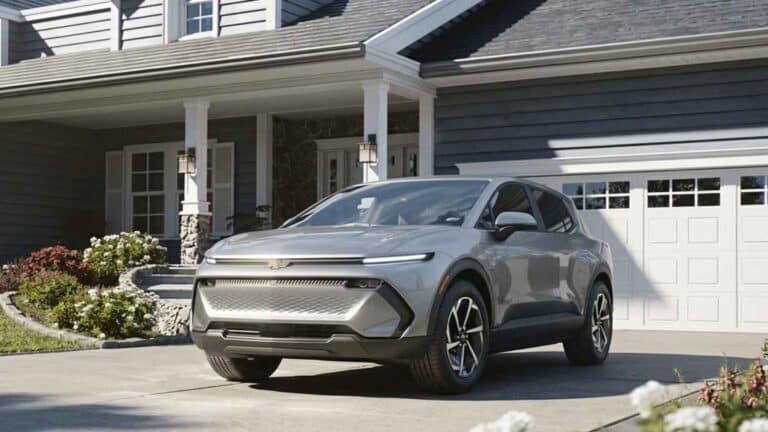


“So we were at Consumer Electronic Showing out our national battery safety campaign I had Ed Kelly, who’s the general president of the International Association Firefighters, on the panel. He shared a real real life example. And I’m not picking on the car maker. It’s just that Jeep had recalled their plug-in vehicle and the message to the consumer was, ‘Don’t charge it. Take it out of the garage. We don’t know what the solution is yet, but we’re working on it because of what you were describing.'”
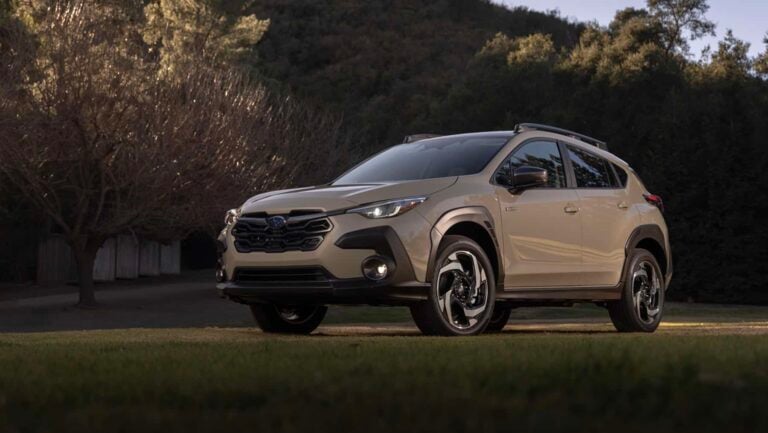
The CEO is correct about the issue not being exclusive to Jeep. Many recalls involving batteries or charging come with similar warnings, including ones from both Subaru and Jaguar in recent weeks. Though Subaru’s was gas tank related, a gas tank fire is likely to set the battery burning too.
Hoffman went on to detail what a fire chief said about firefighters not entering garage fires where EVs may be charging inside — instead opting to contain the fire from the outside of the building. He went on to mention the dangers electric vehicle charging could pose to buildings that lack the correct infrastructure, saying: “I think about the airport I pull into and it’s an open air garage. It’s covered but it has wide open air flow. In apartment buildings where you have garages that are underground and they were never designed with the level of venting that would be appropriate for what might happen if that vehicle does go up.
“And so you’ve got these toxic fumes concentrating and you don’t have enough ventilation to pull it off. And we don’t have to get into the toxic part. Just pull it off so you don’t get the explosion.”
Batteries are here to stay, so infrastructure has to catch up
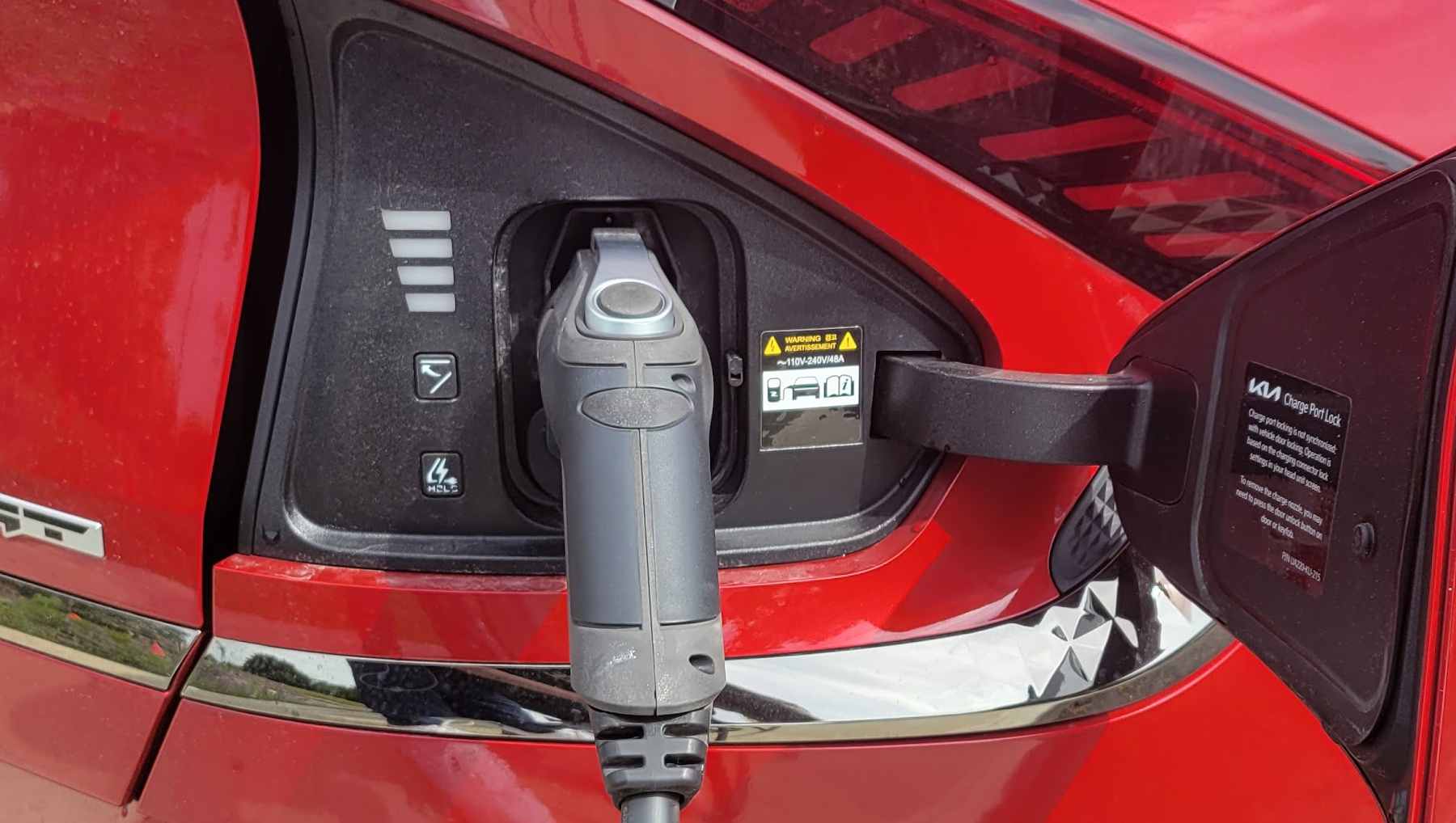
Hoffman isn’t campaigning against batteries, and is more than aware that they’re a part of our everyday lives. What he and his organization are pushing for is better infrastructure, and changes in legislation which could help save lives and prevent disasters. However, he is pessimistic about any of this happening on a federal level, believing it will instead roll out on a state-by-state basis.
There’s also a campaign to raise awareness of battery safety via www.batterysafetynow.org, a site managed by Hoffman’s organizations.
Greater public awareness will also save lives, and Hoffman was on hand to give some advice on dealing with EV fires along with other battery-related blazes, saying: “If you’re in a car scenario, EV transportation, scooters and up, you have a fire, do not throw a fire blanket on it. Because you trap the gases and it’s big. Even with a scooter it’s a big enough volume that you’ll trap the gases, contain them, and you’ll get an explosion.”
It is worth noting that EV batteries catch fire far less often than ICE vehicles, with fires affecting only 25 out of every 100,000 sold. But they do still happen, and they are serious. Because of this, it makes sense to keep an eye out for recall notices, monitor your vehicle while charging when possible, and consider parking it on a driveway instead of a garage when you can.
With smaller battery powered vehicles, like bikes and scooters, safety standards can be lower. They probably shouldn’t be stored inside the house, and definitely should not be obstructing an exit.