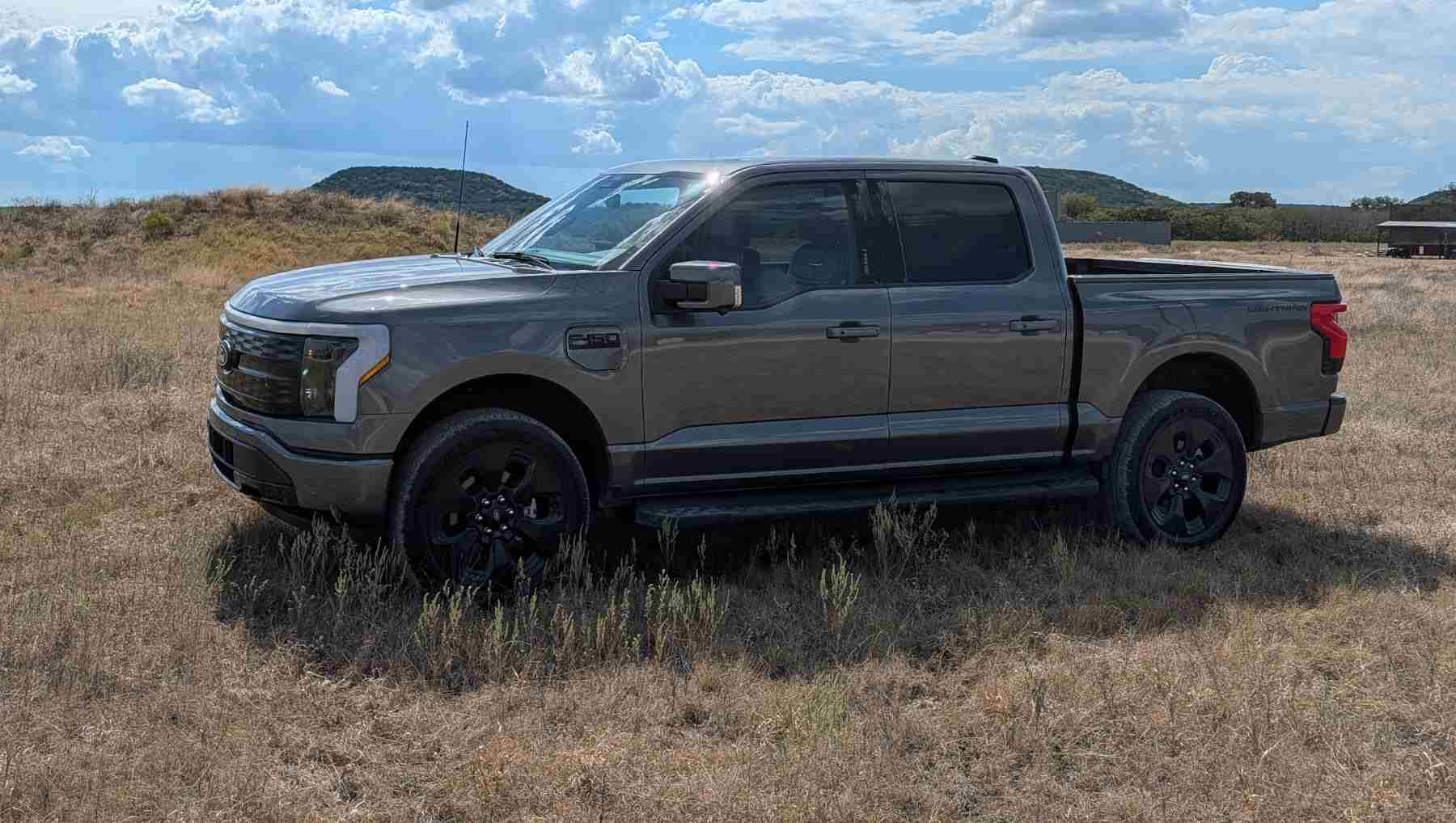

Ford recently shelved the F-150 Lightning, joining the likes of rivals RAM and feeding speculation that the American electric pickup truck may be dead in its current form.
While this isn’t too much of a surprise in the current EV market — and other OEMs are performing similar U-Turns — it wasn’t always like this. The F-150 Lightning was essentially the first successful EV pickup truck (that didn’t cost a billion dollars like the Rivian R1T). It was near impossible to get hold of when it made its debut; Ford even had to threaten dealerships who were using limited stocks as an opportunity to scalp customers.
So where did it all go wrong? Well, the sales dried up with the early adopters, the EV market became a bit saturated, and people started crying out for cheaper vehicles. But that doesn’t mean the F-150 Lightning was not a big loss.
For all its faults, the F-150 Lightning was immensely practical
There’s a lot that goes into the F-150 lightning. The ride is pretty comfortable, and the acceleration is as violent as you would expect from an EV. Range on the standard version isn’t that impressive at 240 miles, but it isn’t terrible either. The extended range variant manages 320 miles, again not a world beater, but it is pretty good. But the features of Ford’s electric truck go far beyond the driving experience.


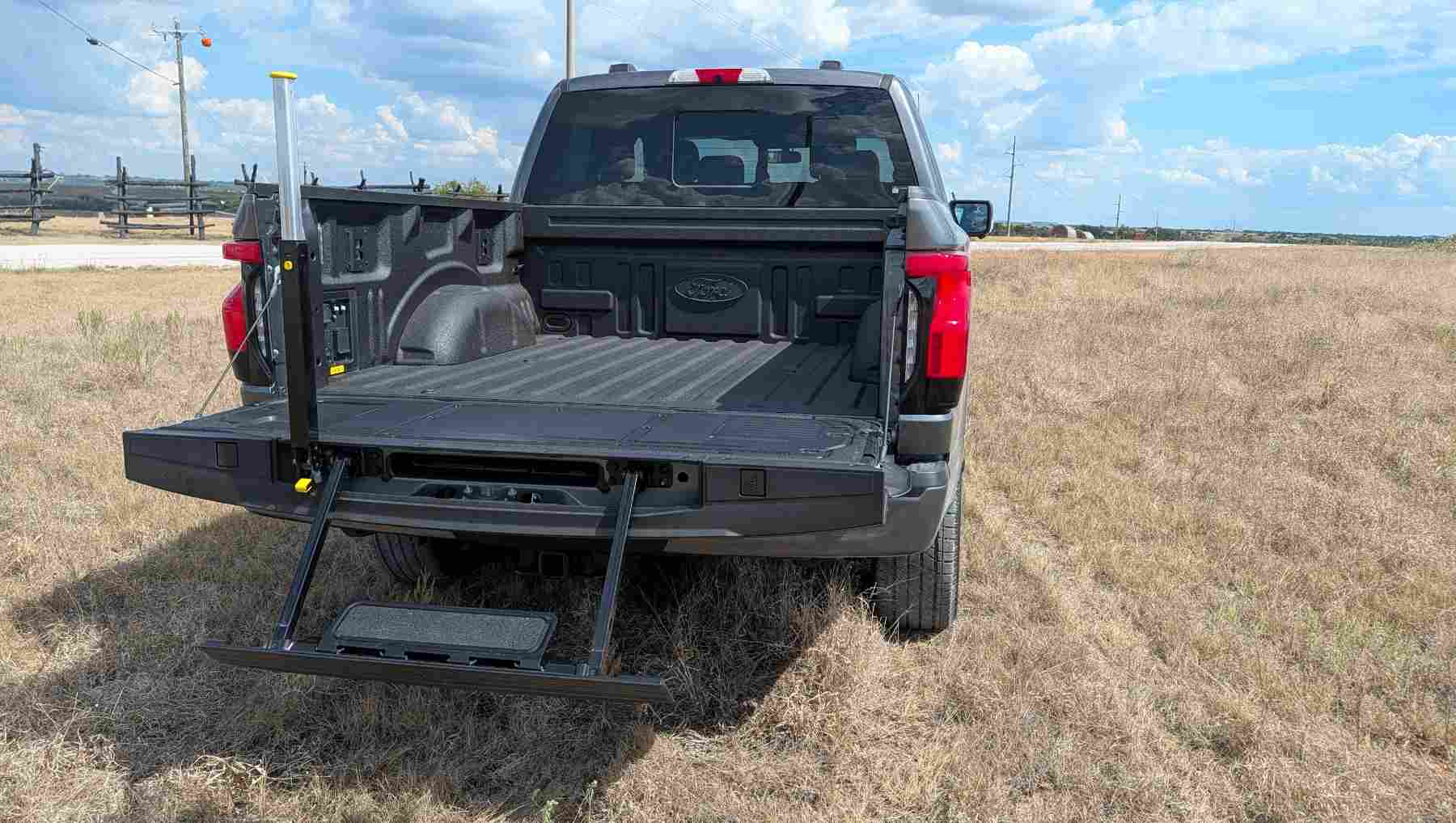
As with any F-150, the bed is of a good size and some off-roading ability. You can use that bed for farm work, or slap a tent in it to go overlanding. The infotainment system, with its large screen, provides plenty of entertainment. This includes a Karaoke Mode, which is fully usable when the vehicle is in park. It even had a “writing desk” you can deploy in the center of the vehicle if you fold the gear selector down and flip the lid of the center console forwards.
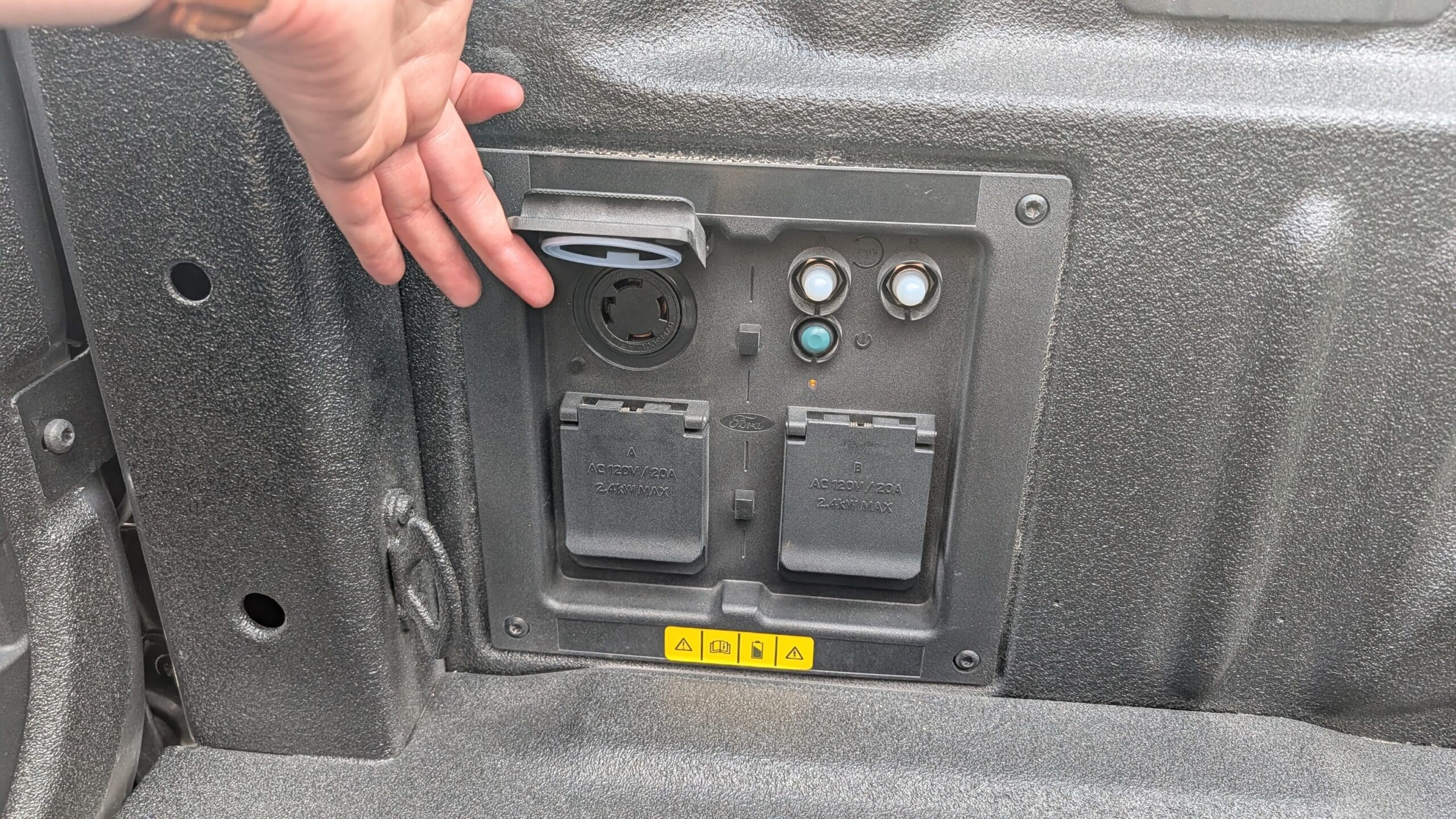
Then there’s the fact there are plugs everywhere, allowing you to power pretty much anything you can use in your house. Electric hot plates, TVs, games consoles, if it fits into a standard American outlet it will plug into the F-150 Lightning. Oh and the frunk is pretty significant, which isn’t always the case. 14.1 cubic feet is more than you get in the back of many cars.
Moving beyond recreation, the truck was still pretty handy for a tradesman. It included a 240-volt outlet you can use for things like recharging other BEVs that have become stranded or powering a welding set. Powering your house with an F-150 lightning is also an option, provided a few criteria are met. The extended-range version of the truck can even power an average house for up to three days.
With that being said, you can’t just plug the truck into the wall and hope for the best. Older homes may require an extensive rewiring before they can take power from an F-150 Lightning, while newer homes will still need a pretty expensive home integration system install and a “Ford Charge Station Pro” to use this feature. In short, it’s going to cost you well into five figures.
All in all, trucks are about utility and for all of its faults, the F-150 Lightning provides more utility than pretty much any other truck. Which is why it’s a shame Ford has shelved it. But the Ford F-150 Lightning may not be gone forever.
The electric pickup truck isn’t actually dead, nor is the F-150 Lightning
The electric pickup truck isn’t actually dead as a concept, not at Ford anyway. While large, “luxury,” electric pickups might be on a hiatus, smaller, cheaper utility vehicles are a major part of Ford’s plans going forwards.
Ford’s upcoming electric vehicle range will include at least one pickup truck, at the moment that’s rumored to be called the “Ranchero” — a kind of homage to Ford’s mid-sized pickup of the 1980s. We could see it as soon as last year, and it could be as cheap as $30,000. That’s Ford Maverick money, for a full on BEV.
The price isn’t the only thing the upcoming “UEV” has in common with the Maverick. It’s also going to be a unibody-type vehicle. Even there, though, Ford is taking things to the extreme with their “Unicasting” system which combines what would traditionally be hundreds of parts into a solid body for the vehicle. Beyond that, you have companies like Scout releasing some form of EV truck in the near future, while Rivian continues to do pretty well in the large, luxury, EV market.
Ford’s F-150 Lightning isn’t exactly dead either. A new generation is planned, though it isn’t coming as a pure BEV. Instead, it’s going to be an EREV which uses an engine to keep the batteries charged. The upcoming large EV truck should have a range of over 700 miles, let’s just hope it carries a few of the features that made the original F-150 Lightning special over too.