
We may be seeing Chinese EVs in Canada sooner than expected. After significantly reducing tariffs on China’s electric vehicle imports in early February, Global Affairs Canada announced that 49,000 EVs from China could be imported on a “first-come, first-served” basis over the next year.
Canada’s tariff rate on Chinese vehicles is currently 6.1%, a drastic change from the 106.1% rate it imposed in 2024. Now, 24,500 vehicles made in China can be imported into Canada from March 1st through August 31st. Up to 24,500 more vehicles will be allowed in from September 1st to February 28th, 2027. By 2030, Canada will allow 70,000 Chinese vehicles a year, including all-electric, hybrid, and plug-in hybrid models.
However, there may be some limitations in the first six months, like the number of permits granted per automaker, Automotive News Canada reported. Global Affairs spokesperson Samantha Lafleur explained that they will “monitor the application and issuance of import permits for the purpose of providing equitable access to the quota to eligible applicants.”
You can look to countries like Australia to see what type of Chinese EVs will be imported to Canada, but I’m sure whatever vehicles end up in the Great White North will taunt Americans who are waiting another year for Ford’s $40,000 EV lineup. But what is happening over in China regarding Canada’s new EV quota?


Which Chinese cars are most likely coming to Canada first?
While Canada seems to be moving fast after Ottawa and Beijing reset trade relations, it’s still a little unclear what will be going on in China to make the EV imports happen. Automotive News Canada noted that it’s currently “not clear” how China will manage what vehicles can be exported to Canada. However, there are currently no export permits being administered by China, according to Lafleur.
There may be no government limitations, but it’s difficult to say which automakers will be shipping their vehicles overseas. Not every automaker has the capacity to export vehicles or open factories in other countries. Right now, Tesla, Volvo, and Polestar are the most likely since they were importing EVs to Canada from China before the massive tariffs were implemented in 2024. In early February, Volvo and Polestar said they were “assessing” the situation, but nothing concrete.
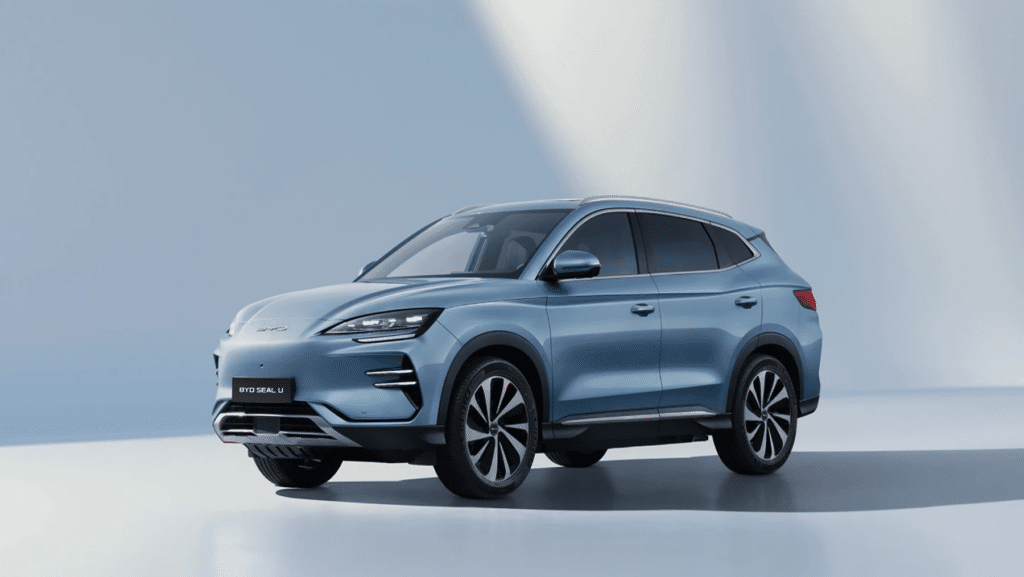
For those more interested in Chinese EV brands, BYD has been another possible contender. The carmaker said in January 2026 that it was internally evaluating the concept of exporting vehicles to Canada when the talks first started happening. This could shake up Canada’s car market, introducing cheap, innovative vehicles like small plug-in hybrid pickup, the BYD Shark 6, and the fully-electric SUV, the BYD Sealion 6.
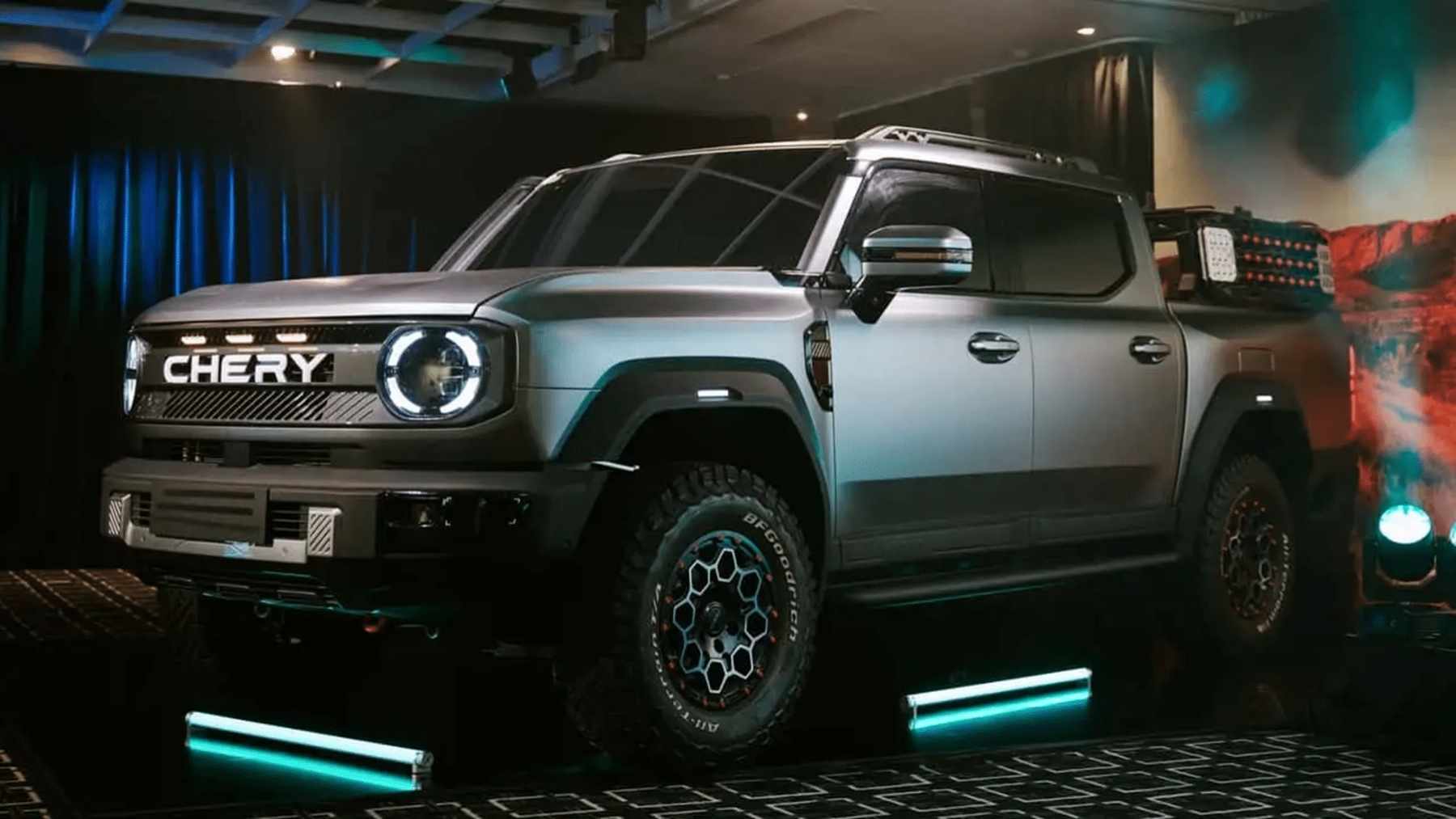
There is also the rumor that Chery is considering opening a plant in Canada. Recruiters working for Chery Automobile Co. contacted Canadians in the automotive industry on LinkedIn, asking if they’d be interested in upcoming roles for the expansion. Chery would be an interesting contender as well, with innovative concepts like the diesel plug-in hybrid. The recruiter also mentioned its sub-brands Omoda and Jaecoo.
However, big Chinese automakers like XPeng, Nio, GAC Group, and Li Auto don’t seem interested — at least not yet. Still, limited access to China’s cheap and unique electric vehicles is exciting for the Canadians that recently said they were interested in giving Chinese EVs a chance.
A growing number of younger Americans have also expressed curiosity and desire for Chinese EVs, likely not wanting to shell out over $50,000 for a new vehicle, but the Trump Administration has been slow to make any decisions regarding imports. There will likely be growing pressure as China’s presence in Canada grows, with companies like Ford allegedly asking the administration to allow Chinese companies to partner with American automakers.