You’ve probably been to the gas station plenty of times and never really saw the E85 pump being used. What is it even there for? What does it do? Which vehicle is using it?
Well, E85 fuel is made for a specific type of vehicle, and some states have more of these vehicles than others. This explains why some states have more E85 pumps than others. Before you try it out for yourself, you may want to read a bit more about E85 fuel and the vehicles that use it.
What is E85 fuel?
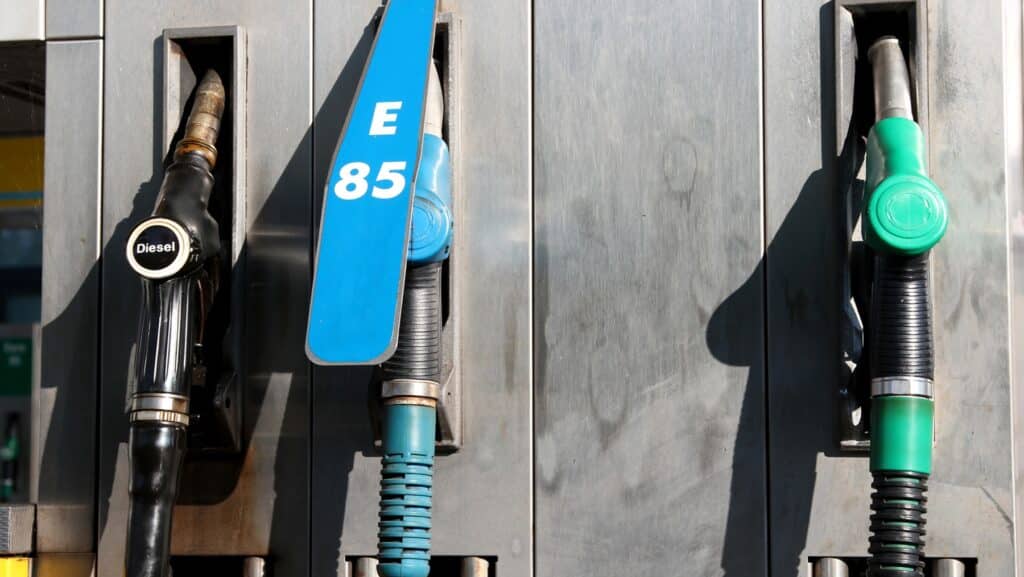
E85 fuel is gasoline that contains 51% to 83% ethanol, primarily produced from fermented corn, according to the Environmental Protection Agency (EPA). Most regular gasoline has about 10% ethanol. E85 offers a better performance than normal gas, improving engine performance with increased power and torque. It’s also said to improve the balance of air and fuel during combustion, reducing knocking.
However, not every vehicle can use E85. It’s used exclusively by “flex-fuel vehicles” (FFVs). These are vehicles that can run on a blend of gasoline and another fuel, like ethanol, usually the same percentage as what E85 fuel offers. Automakers made FFVs since the 1990s due to ethanol producing lower greenhouse gas emissions, which also played into a tax incentive for automakers who produced FFVs for a while.
Is my car compatible with E85?
If you are unsure if your car is considered a flex-fuel vehicle, there are a few ways to find out. First, check for a yellow fuel cap or a label near the tailgate or fuel door. That’s probably the easiest way to find out whether your vehicle can use E85. Still nada? The vehicle identification number can often reflect FFV status, usually the 8th digit. If it’s a Ford, look for a “K,” “L,” or “V.” For a GM, a “0,” “3,” “C,” “K,” “L,” “M,” “U,” “V,” or “Z” can point to FFV status. Chrysler, Dodge, and Jeep use “T,” “G,” or “K” in that spot. If you’re still unsure, check the owner’s manual.
There are really not that many FFVs coming out anymore. In 2026, there’s just a handful:
- Chevrolet Trax with a 1.2-liter turbocharged 3-cylinder
- Buick Envista with a 1.2-liter turbocharged 3-cylinder
- Chevrolet Silverado 1500 with a 5.3L V8
- GMC Sierra 1500 with a 5.3L V8
- Buick Encore GX with four-wheel drive and a 1.2L
- Chevrolet Trailblazer with four-wheel drive and a 1.2L
Over the past few decades, a handful of popular vehicles have been E85-compatible. This includes certain trims of the Ford F-150, Dodge Ram 1500, Ford Fusion, Chevrolet Impala, Dodge Charger, Dodge Durango, Chevrolet Tahoe, Toyota Tundra, Chrysler 300, Buick LaCrosse, and Jeep Grand Cherokee. But as I said, it depends on the exact trim, engine, and model year. It’s always best to check the owner’s manual or see if there’s a yellow cap or label before you start using E85.
What happens if you use E85 in a non-compatible car?
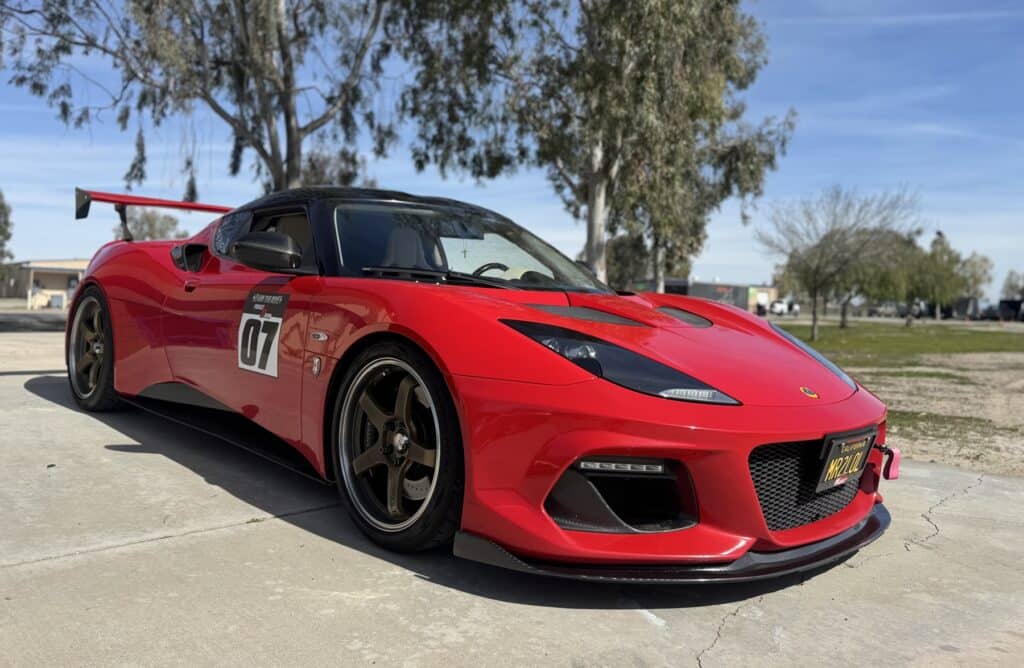
If your vehicle is not an FFV, using E85 could be very unsafe for your engine, especially if it’s an older model. If the engine is running very lean, it could stall, idle roughly, or hard-start. One unfortunate driver mentioned constant misfiring after accidentally using E85. Due to the increased ethanol, which is corrosive, it can damage fuel lines, pumps, and injectors over time. However, this is usually only true for older vehicles.
These days, plenty of people with performance and track cars use E85 to boost horsepower and go faster. Said one driver: “Don’t underestimate the amount of performance cars running corn on the street. It makes a massive difference when you’re trying to push that final big push. And if you’re one of those areas that has corn subsidies, it’s common and cheap.”
Added another: “Once you modify your car to a certain point, E85 is the only readily-accessible fuel you can get for a ton of power. It’s like a 300whp difference in power between 91 and E85 for my setup.”
So, why not just use E85 all the time for a faster car and cheaper fill-up? Well, that full tank isn’t as much of a bargain as you may think. Ethanol has about 30% less energy density than gas, and E85 is largely made up of ethanol. For this reason, most cars will burn E85 much more quickly, meaning your miles per gallon will drop drastically. In other words, you’ll be fueling up a lot more often. It’s not really worth it for a regular commute, but people bringing their car to the track usually don’t care much about burning gas faster. It’s essentially part of the experience.
This explains why you will likely never see someone filling up with E85 at your local gas station.