
United States lawmakers are pushing to pass national safety standards for self-driving vehicles to override state-level restrictions and regulations.
Republican Representative Bob Latta is sponsoring the SELF DRIVE Act, which the House Energy and Commerce Committee passed on February 9th, 2026, in a 12-11 vote. The piece of legislation will eventually head to a chamber-wide vote, although the timing is currently unclear. Currently, half of the states in America have their own rules for autonomous vehicles.
“There is currently no federal framework for autonomous vehicles, even as the technology continues to advance at a rapid pace,” Latta noted. “It is critical that we prioritize safety, transparency, and innovation while keeping up with these developments.”
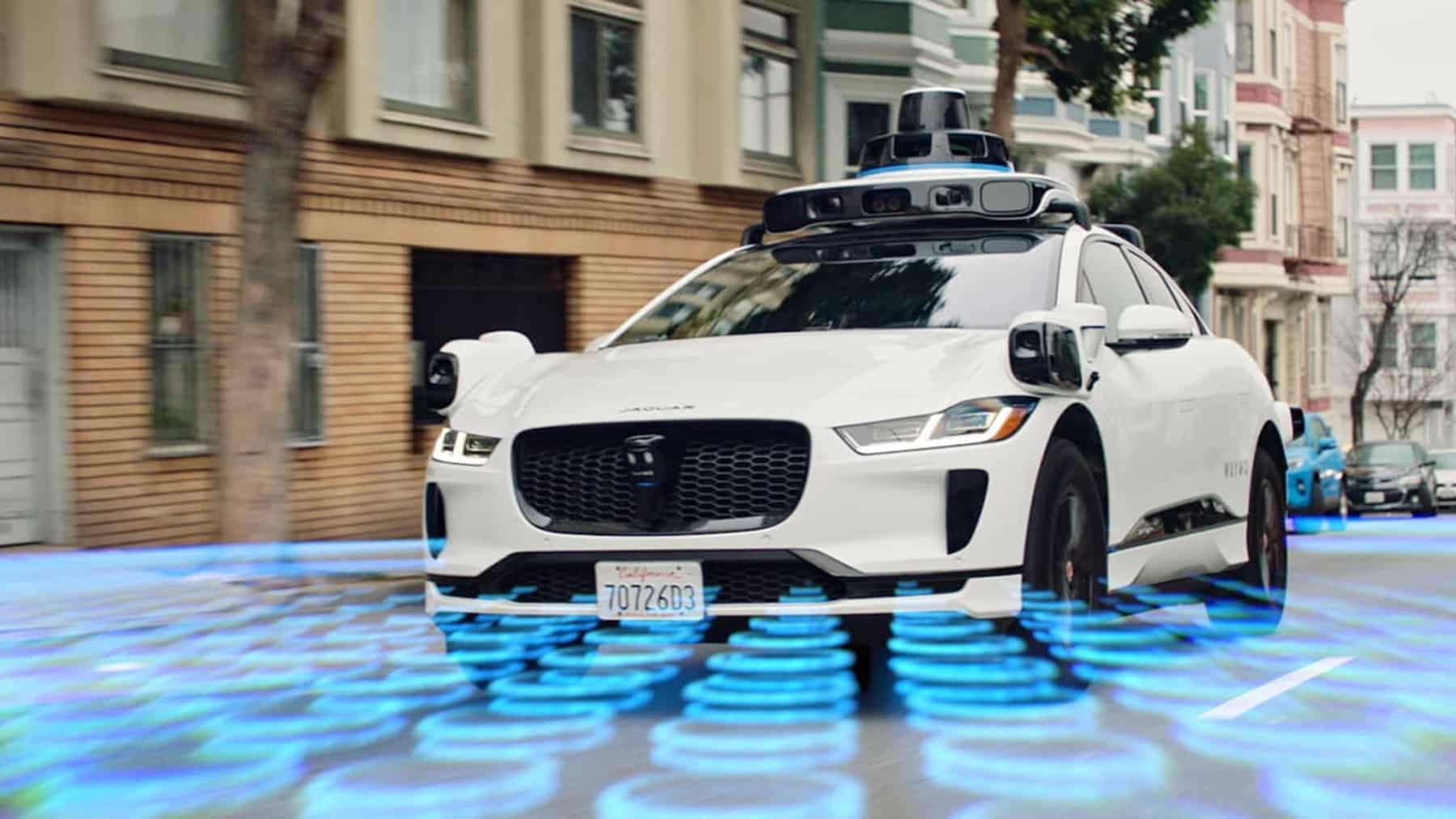
The SELF DRIVE Act aims to establish federal safety standards that autonomous vehicle manufacturers must follow by September 2027. This includes a countrywide definition of “autonomous driving,” which currently spans varying levels (from assisted driving to fully autonomous), as well as a required safety framework. The bill also seeks to limit autonomous driving tests, as Waymo sends its fleet to various cities across America to test how they perform. The standards would be governed by the National Highway Traffic Safety Administration (NHTSA).
“By strengthening America’s role in developing and regulating the autonomous vehicle safety framework, the United States has an opportunity to set the global standard for AV safety,” Latta said.
Ahead of the SELF DRIVE Act’s passage, other lawmakers had spoken out in support of national safety standards. Self-driving vehicles have been a constant target of criticism across the United States, with even the slightest infraction raising alarms among the anti-AV crowd. However, a Waymo recently hit a child, resulting in some minor injuries, causing an investigation, even more backlash, and a call to ban the technology altogether.
“Like it or not, they are here, and they will be central to the future of roadways,” said Senator Ted Cruz. “Congress has failed to establish a clear federal framework to govern AV deployment. That inaction is no longer neutral. It is unsafe without federal oversight.”
AV execs agree with SELF DRIVE Act, but Waymo feels a bit attacked
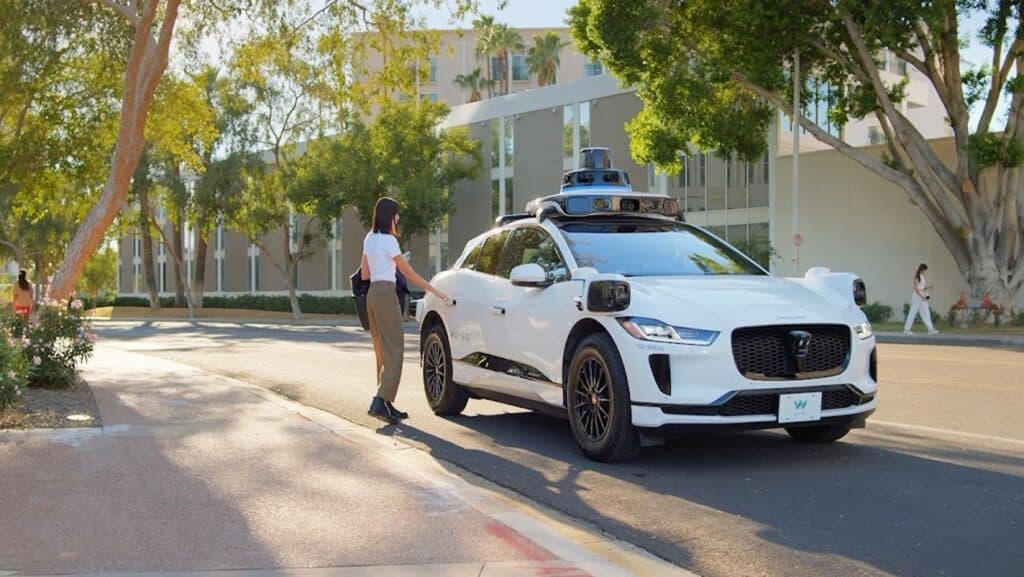
In response to the ongoing fight for national safety standards, autonomous driving companies have come out in support of the concept. This includes Tesla, Waymo, and even Honda, which has autonomous driving technology but no AV fleet in the works.
“The SELF DRIVE Act would establish a clear national framework for the deployment of autonomous vehicles that will save American lives and unlock significant growth in U.S. manufacturing,” Tesla Inc. said in a statement about the bill.
Waymo has been making software changes since the recent incidents to become even safer. Waymo’s Chief Safety Officer, Mauricio Peña, said in response to Senators earlier this week: “We have already incorporated many changes to our software to dramatically improve our performance.”
Per usual, however, Waymo added that its own self-driving vehicles “reacted faster” than a human driver in those instances. But honestly, Waymo isn’t wrong. I was recently telling a colleague how impossible it would be to keep up with the number of minor infractions people commit on the road every day. Even with AI technology, no media could keep up with that. According to the NHTSA, the United States sees about 16,000 to 17,000 car accidents a day, ranging in severity. Of course, this doesn’t include ones that don’t get reported, like a person going down the wrong street (as I saw my boyfriend do while tired in Downtown Los Angeles a few weeks ago) or running a red light. When a Waymo does this, however, there is national outrage and a call to ban AVs entirely.
I recall TikTok going into a frenzy a few months ago when a well-known bodega cat was run over by a Waymo in San Francisco. The story got quite overblown as the retellings went on, with many even claiming the autonomous vehicle had driven onto the curb to hit KitKat. While it’s a sad story, no doubt about it: 5.4 million cats are hit by cars every year in the United States. And most of these people don’t even stop.
Calling for a ban on Waymo almost feels performative, like we are just a bunch of robot haters. Is Waymo perfect? No. But is Waymo severely dangerous to society? No. The SELF DRIVE Act will hopefully give people some peace of mind, knowing that the robots have laws they must abide by, just as we do. It’s not a bad thing. I just think people are watching a bit too much I, Robot.