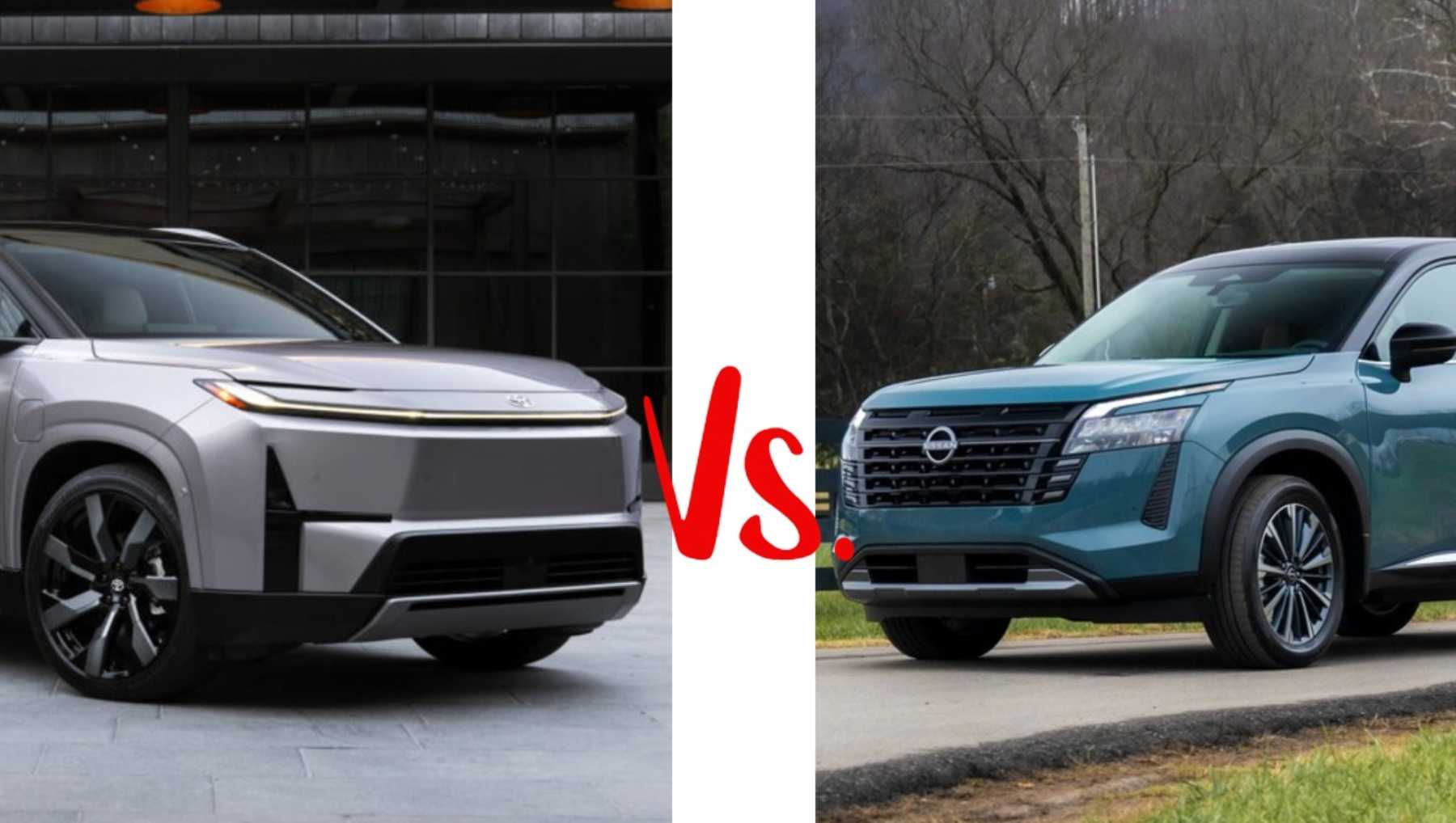
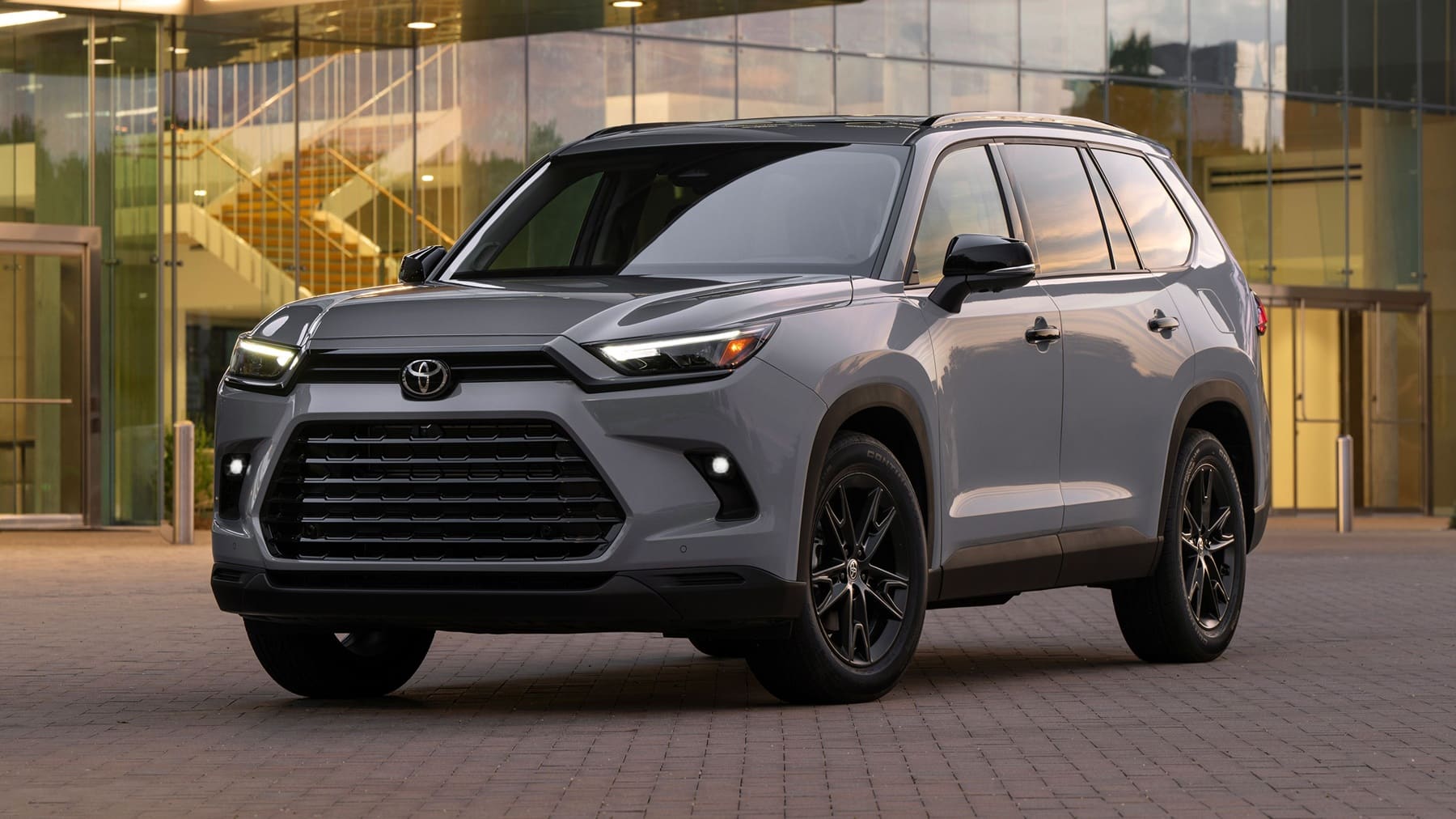
Many of you may be disappointed with Toyota’s decision to ditch the ICE-powered Highlander. You may like the mid-sized, Japanese-built SUV, while also being a bit skeptical about the whole EV thing. Well, don’t worry, Nissan is coming to the rescue.
That other Japanese vehicle manufacturer is hoping the Pathfinder will plug the SUV gap Toyota is leaving. Nissan’s updated SUV, which is set to hit the road by 2029, is designed to be affordable, reliable, and practical — which is why people bothered buying Toyotas in the first place. If Automotive News‘ reports are correct, then the crossover version of the Pathfinder isn’t getting a hybrid or all-electric option. It will be ICE-only.
The exact powertrain for the “entry-level” version of the SUV has yet to be announced. But what we do know is the Pathfinder won’t just have a unibody variant going forward. Nissan wants to take the fight to Toyota on multiple fronts, and this is where it gets interesting.
Nissan’s Pathfinder is taking on the Toyota 4Runner and Land Cruiser, too
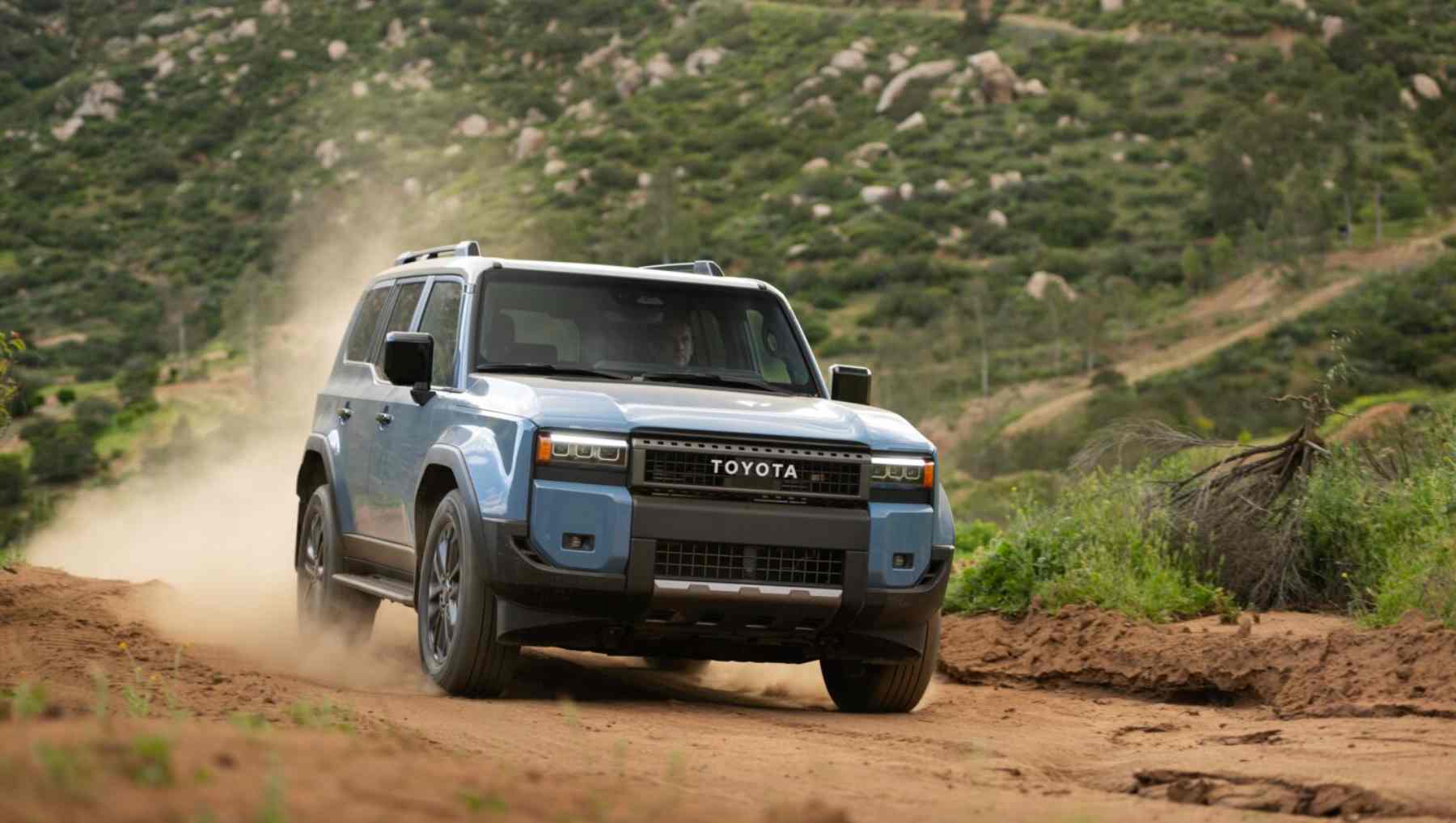
In addition to the unibody Pathfinder, Nissan intends to include a robust “body on frame” variant with its next generation. This higher-end, performance-oriented model is a direct challenge to the Toyota 4Runner and Land Cruiser SUVs.
The body-on-frame version will obviously command a higher price than its unibody sibling, but with the extra expense comes off-roading capabilities and a higher towing capacity. To give you some idea of its scale, the new vehicle is likely to be built on the same platform of the Xterra, Infiniti Q60, and the upcoming Nissan Frontier.
As with the crossover, the body-on-frame variant is likely to launch with only ICE powertrain options available. However, there are plans to introduce a hybrid variant further down the line.
Is Nissan’s pivot part of a perfect storm?
Nissan hasn’t exactly had a solid few years. The company flirted with bankruptcy, saw its long-running partnership with Renault collapse, and came pretty close to selling a chunk of itself to fierce rivals Honda. But this shift in the SUV segment could be the move that saves the 92-year-old Japanese company.
The mid-sized utility segment is a significant part of the US automotive market. It makes up more than 16% of all US automotive sales, with many of those sales being high-margin “premium” vehicles. Nissan’s plan is pretty much a photocopy of the one that has served Toyota well for years. Offer a large number of affordable vehicles for families, while putting a more limited number of premium options on the table for enthusiasts and professionals.
Ford’s planned next generation of vehicles takes a similar approach. The company is using modern manufacturing techniques to drive costs down, giving American consumers the cheaper vehicles they have been crying out for following years of price rises. Toyota’s decision to ditch the ICE Highlander also creates a slight gap in the market. Many people aren’t sold on EVs, so a major player has arguably just exited the segment.
Toyota will still offer the “Grand Highlander” with ICE powertrains as an option. However, that is a larger and more expensive vehicle, especially as you move up to the top-tier trims. This gives the Pathfinder a clear chance to slip into the gap left by Toyota’s more affordable mid-sized variant.