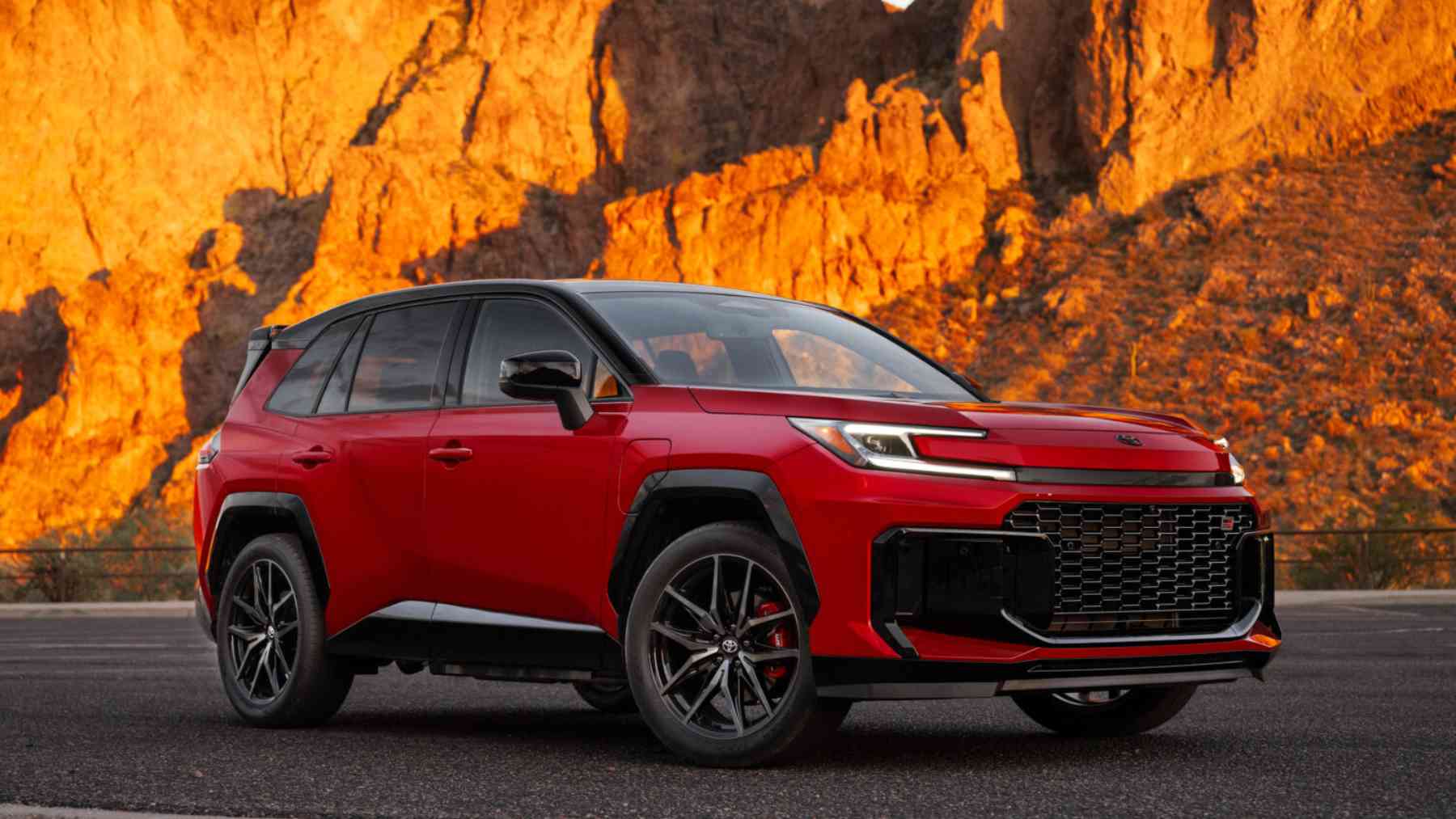

The Toyota RAV4 is not in any way exciting, but it is arguably the best car on the market for the average person. It just does everything well. It has great fuel economy, a decent interior, a good amount of space, handles well in adverse weather, and can cope with some mild to moderate off roading.
This is likely why the RAV4 is the best selling car in America, and also one of the main reasons why you probably won’t be able to get one. The other is a switch to the next generation throttling RAV4 production, with Automotive News claiming dealerships are being told to prepare for a shortage and start pushing other vehicles.
Even if you do somehow find one with a “For Sale” sign on it, MSRP just isn’t going to happen. So one of its main selling points, the fact the RAV4 is “reasonably priced,” is gone. Don’t worry though, there are some solid alternatives out there.
The Honda CR-V
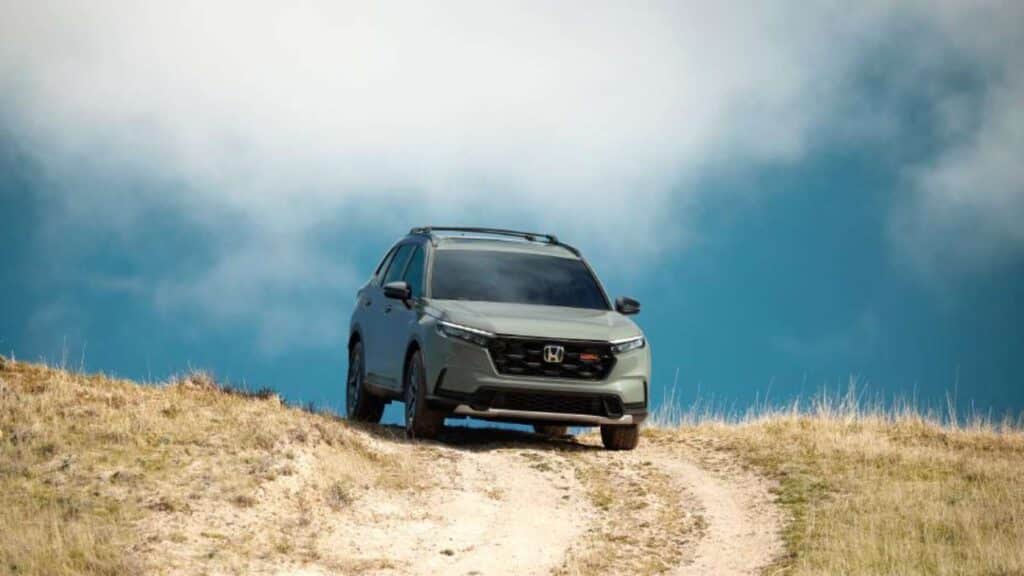

If the Toyota RAV4 has a rival, it’s the Honda CR-V, a similar SUV from a different Japanese manufacturer. They both offer a similar range of trims, with hybrid options included if fuel economy is a major concern.
The differences between the two vehicles are really minuscule. The MSRP is roughly the same when comparing trims; the CR-V has a slightly nicer interior and a touch more cargo space. The RAV4 has slightly better fuel economy and around 10 more horsepower. All of this is so close that you won’t really notice a difference in day-to-day use.
If your heart is set on the RAV4 as a concept, I would argue this is the closest equivalent. The downside of that is that the CR-V is pretty popular. So, depending on where you are, you may struggle to get one of Honda’s boring but popular SUVs as well.
The Mazda CX-50 Hybrid
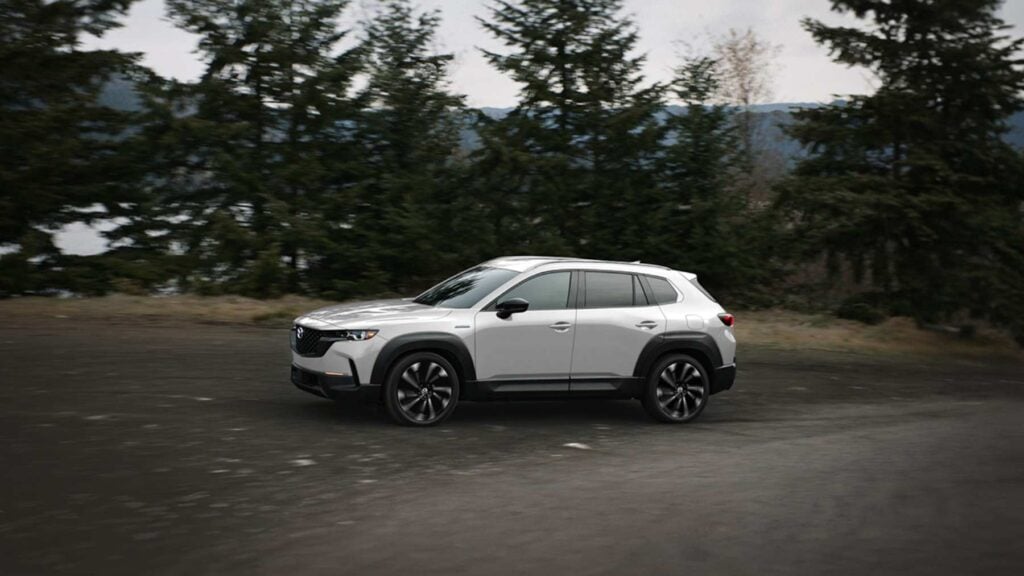
If you want something close to a straight swap, cheaper, and widely available, you’re probably looking for the Mazda CX-50 Hybrid. For a start, Mazda gets the CX-50 Hybrid’s powertrain from Toyota, so it’s essentially the same one you’ll find in the RAV4. But the CX-50 arguably boasts better handling, which is no surprise considering exceptional handling is kind of Mazda’s thing. I would also argue Mazda is doing a far nicer job with interior design these days. The Japanese company has a borderline luxury feel.
There is a bit of a trade-off that comes in the form of cargo space. The RAV4 has 37.6 cubic feet of trunk space, which can increase to 69.8 cubic feet if you put the rear seats down. The CX-50 has 31.4 cubic feet and 56.3 cubic feet, respectively. There’s also the infotainment system, which isn’t perfect but is a lot better than anything Mazda’s jammed into a car in the last decade.
The CX-50 Hybrid starts at $34,000, which means it’s similar in price to a RAV4 hybrid, should you manage to snag the latter at MSRP.
The Hyundai Tucson
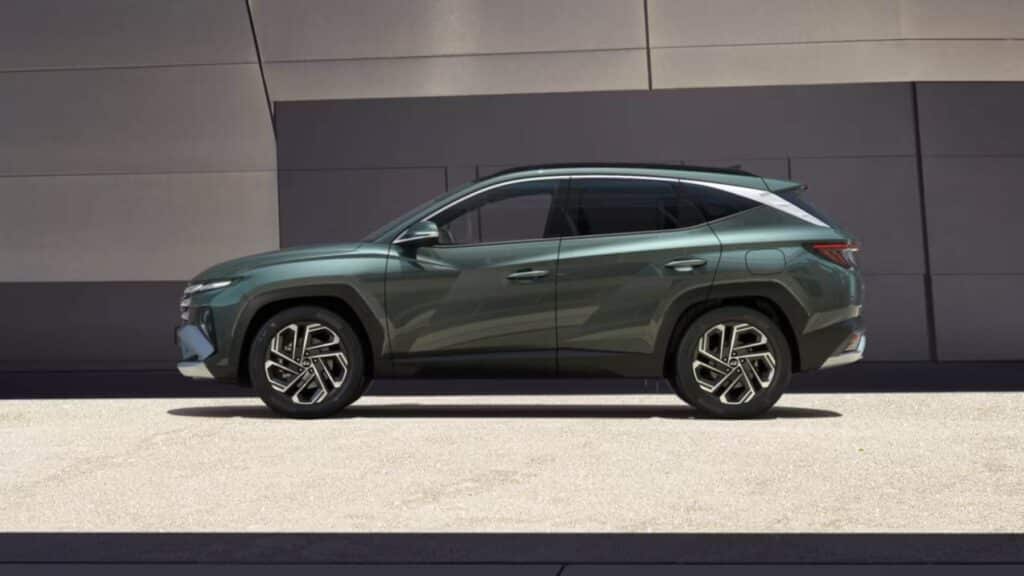
At the risk of sounding like a broken record, the biggest difference between the Tuscon and the RAV4 is in the power and performance department. The current RAV4 has around 20 more horsepower and slightly better fuel economy than the Tucson. And the upcoming “Hybrid-only” Toyota absolutely destroys its Korean competitor in this regard. However, if you aren’t shopping for a next-gen Toyota, then the power difference isn’t as bad as it looks. The difference between both vehicles’ 0-60 times is half a second, and when said time is over 8 seconds for both vehicles, you aren’t going to notice that.
Arguably, the Hyundai comes with more tech as standard. But this makes less of a difference as you move up through the trims. Pricing is also nearly identical, with the base model of both vehicles coming in at just over $31,000.
If you were planning on getting a RAV4 because of its reputation for reliability, then the Korean option may be better for you. The Tucson boasts a better warranty than the RAV4, and some studies have suggested it’s more reliable in general.
The Kia Sportage
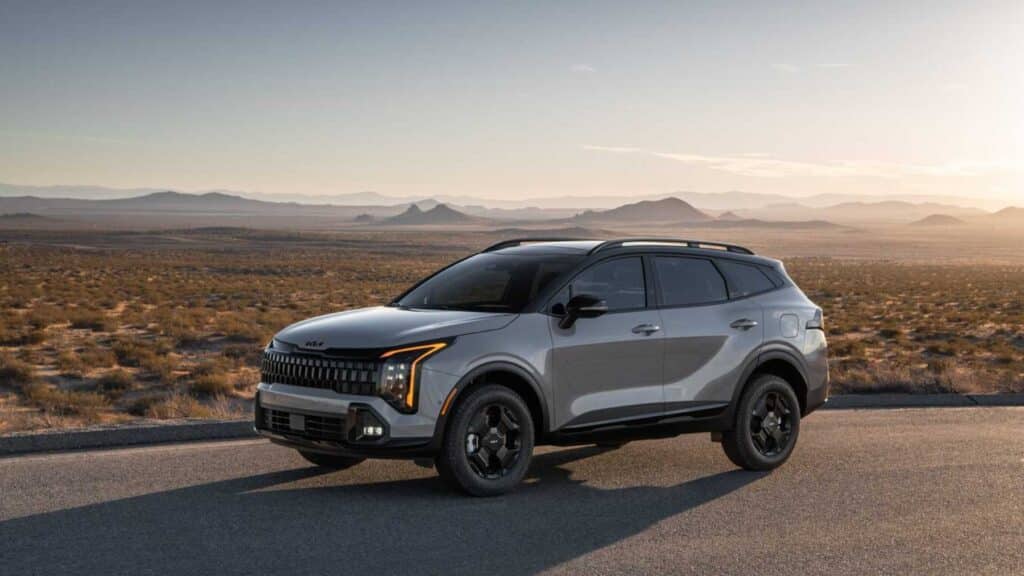
Kia and Hyundai are essentially two branches of the same company, though they may sometimes hate to acknowledge it. Which means the Sportage is a slightly less fancy Tucson. They share a powertrain, platform, and various other components. In terms of things like performance, whatever applies to the Tucson also applies to the Sportage. Including the warranty (which is superior to Toyota’s).
Where you do see a difference is in styling and trim. It’s a little less fancy than the Hyundai, but a little more sporty, and arguably aimed at a younger demographic. While the Tucson and RAV4 are comparable when it comes to finish, you can argue that the Sportage is the worst of the three.
But that also leads to the biggest difference. The Sportage is a few thousand dollars cheaper than the RAV4 and Tucson. It’s one of the most affordable SUVs out there. And there are loads of them, so if you have dreams of walking into a dealership and negotiating, this is your chance. If something is a little scarce, like a RAV4 or CR-V, a below MSRP offer will get you laughed at. If a dealership has a lot full of something, you can probably bring the price down by a couple of grand, negotiate a good financing deal, or have some fees waived at the very least.
The Subaru Forester
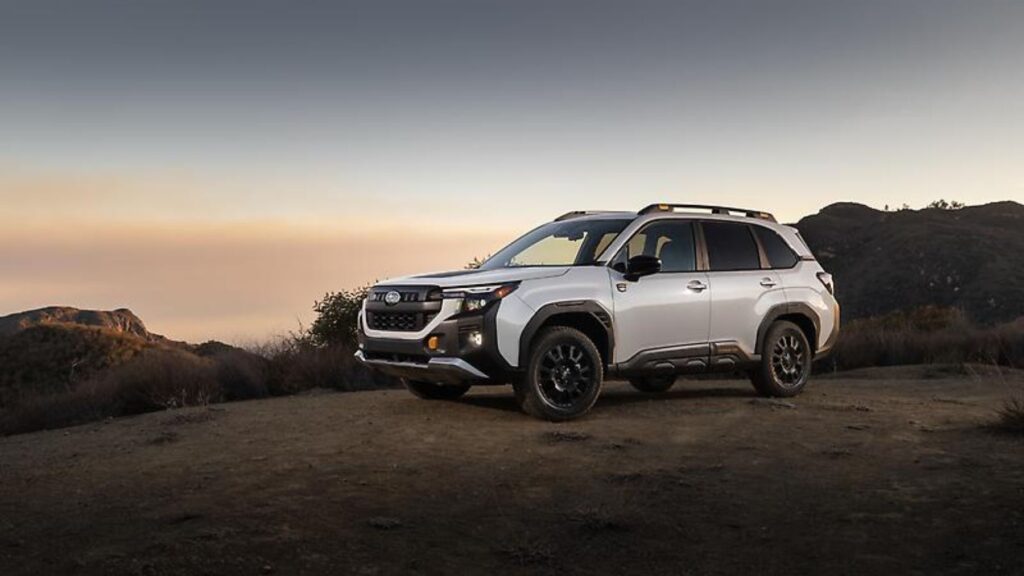
If you want something cheap, practical, and tough enough to handle anything, then it’s hard to overlook the Subaru Forester. Yes, the RAV4 is more powerful, boasting around 20 more horsepower than the Subaru. It’s also more economical, especially if you opt for the hybrid model.
So, where does the Forester stand out? Well, it’s more spacious than the RAV4, with close to 75 cubic feet of internal cargo room. It’s also got close to an inch of extra ground clearance, and is more capable off-road. Then there’s the AWD system; Toyota’s is very good, but Subaru has one of the best AWD systems on the planet. The amount of grip the Forester finds is incredible.
The plucky little SUV even thrashed a Cybertruck off-road shortly after the electric monstrosity made its debut. Subaru’s option is also significantly cheaper; in fact, it’s one of an increasingly scarce number of vehicles still coming in at below $30,000 new.