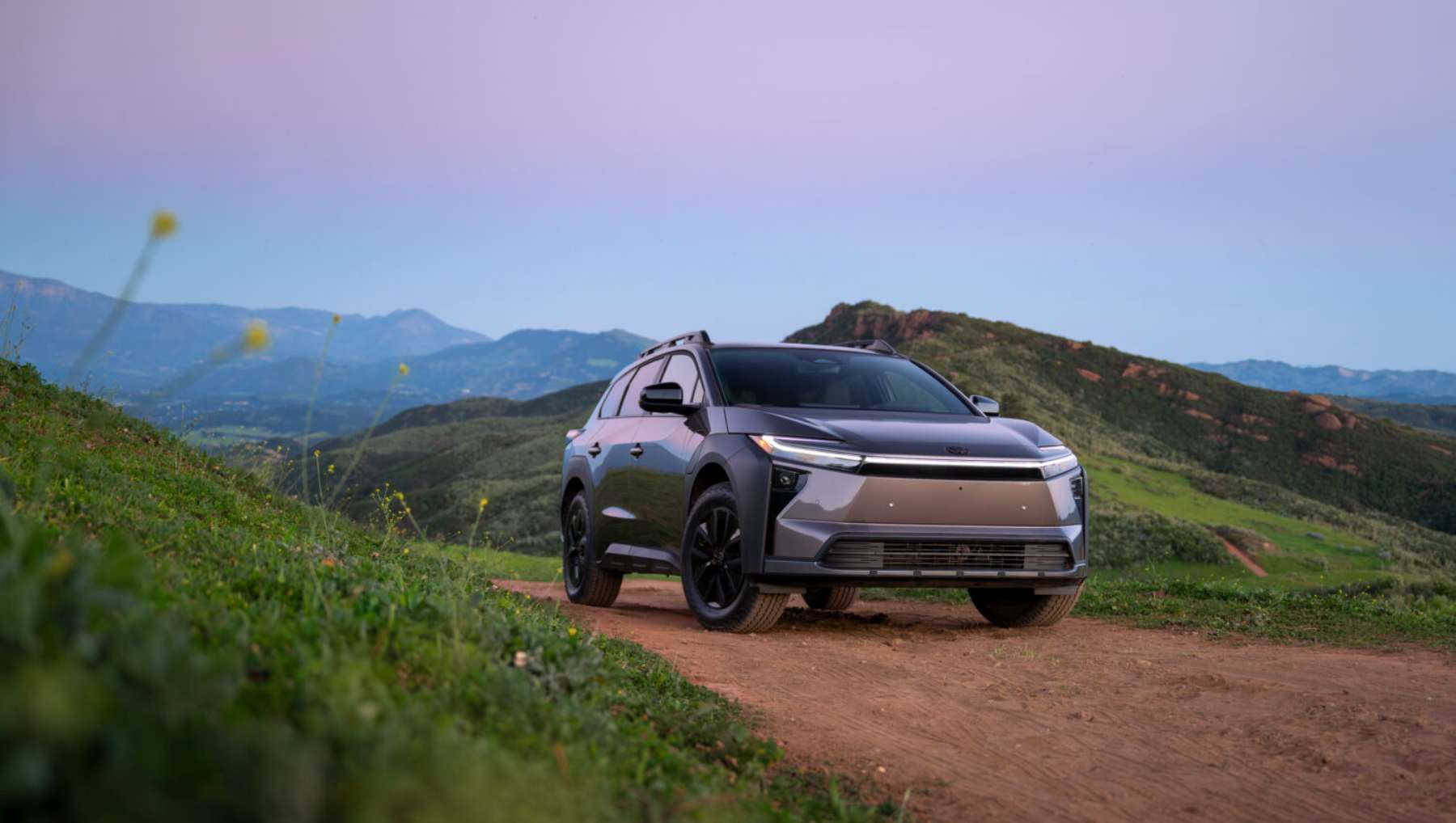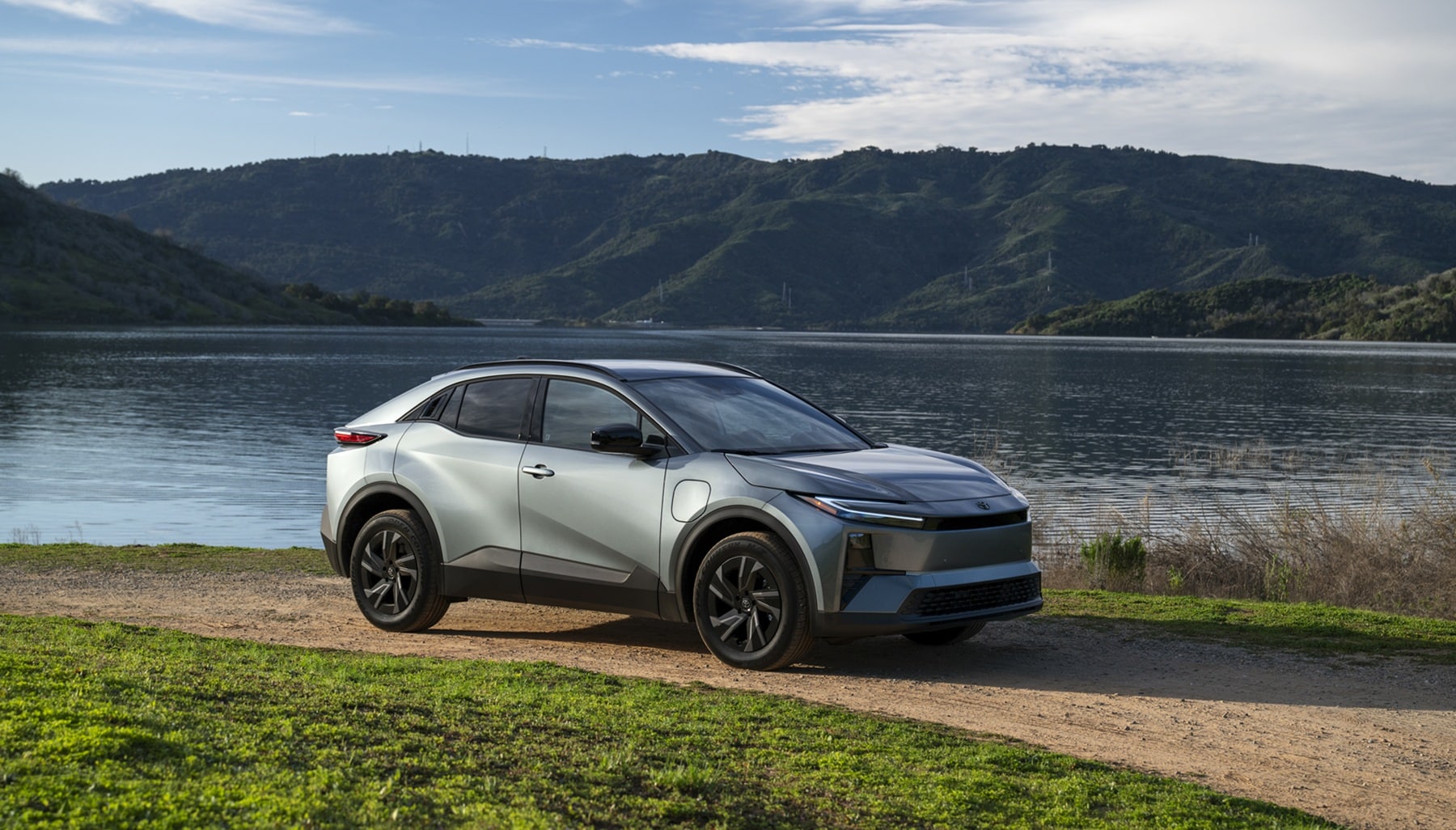
The 2026 Toyota C-HR will be on sale next month, starting at $37,000. It has a sharp, aggressive look, a pretty okay range, plenty of cargo space, and tons of tech. It checks off most boxes for the SUV crowd.
It’d almost be just one of those new cars you briefly nod at before moving on, but I couldn’t help but pause at Toyota’s continuous focus on this SUV’s sportiness.
I’m sorry, but the C-HR has nothing too sporty about it
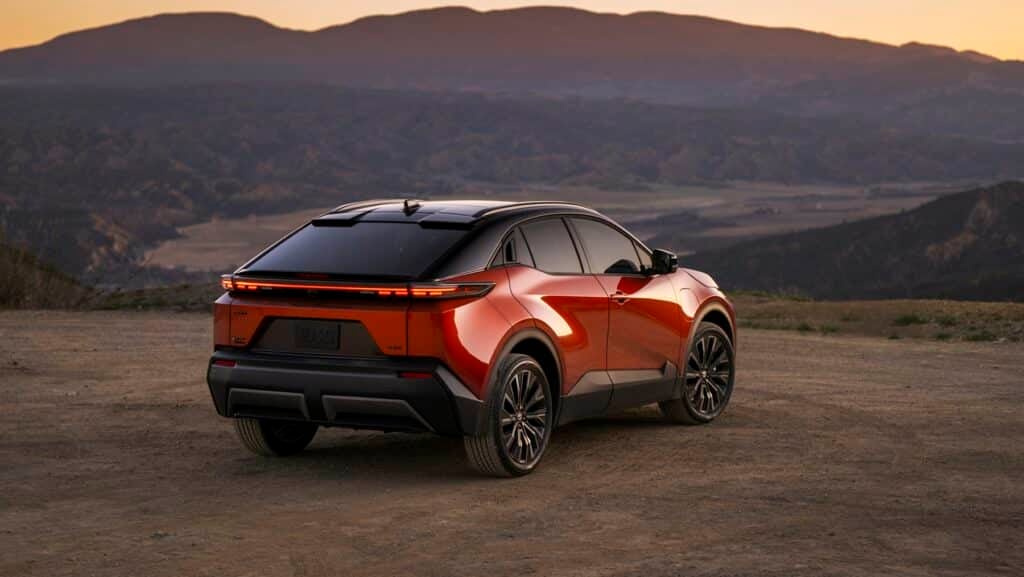
I think the C-HR looks pretty nice. I’m not a huge fan of SUVs, but the bold lines and angles on this EV make it stand out a bit. Toyota calls them “coupe-like,” which, yeah, it does look a bit like a bloated coupe. But the “athletic stance” the carmaker mentioned is questionable.
Toyota then calls the C-HR’s driving experience “dynamic,” noting that it gets to 60 miles per hour in 4.9 seconds. When there are electric SUVs packed into the school parking lot that can hit 60 mph in 2 seconds, I’m not sure I’d find this to be the epitome of sporty performance, not even for electric SUVs. So when Toyota writes that the C-HR “is designed as an expression of the fun-to-drive, exhilarating character of electric vehicles,” I guess I sort of agree that it does have the character of electric vehicles, if we’re talking like Chevy Equinoxes or Tesla Model Y’s. It’s not like you’d let out a “woohoo” while driving this across town.
Car and Driver recently wrote: “While its powertrain is peppy, the C-HR doesn’t really shine on dynamic roads. The steering, while accurate, doesn’t provide much feedback. Most drivers won’t push their subcompact crossover’s handling envelope, and in normal driving, the C-HR’s responsive powertrain is accompanied by a comfortable ride and a quiet, isolated cabin.”
I mean… I feel most people getting the C-HR will appreciate the soothing cabin, the 14-inch touchscreen, the loads of driving assistance, and the ability to reach 80% charge in 30 minutes. But again, none of this screams sporty to me. And I’d not even think to even mention the term “sporty” in an article on this release if Toyota didn’t say it was a “sporty spin” on the original C-HR in its press release. And now I feel fixated on this headline because the C-HR is a generally nice, satisfactory SUV, but it’s not interesting enough to distract me from this point.
It’s sort of like Toyota’s other recent additions to its BEV lineup. The bZ Woodland also seems pretty neat and perfectly okay. Yet Toyota couldn’t help but repeatedly mention its off-roading-style elements. And it does have them – like the Multi-Terrain Monitor – but it’s not an SUV you’d bring into the wilderness over the weekend. I think the issue here is Toyota trying to make these SUVs more standout than they are, but they’re just regular SUVs with some cool features: well-rounded, but masters of none.
But the C-HR is still pretty neat for a non-sporty SUV
With that out of the way, let me give you some specifics. The affordable gas-powered SUV of yore was discontinued in 2022, but the C-HR is a worthy predecessor. It’s no longer $25,000, but its new $37,000 starting point is still well under the average cost of a new vehicle in 2026. And it has a bunch of added features and tech to make that price feel well worth it.
The C-HR has a dual-motor AWD powertrain, with a pretty alright 338 horsepower. The 74.7 kWh battery delivers up to 287 miles of range on the SE grade and 273 miles with the XSE trim. Using DC fast charging gets you from 10% to 80% in 30 minutes, and there’s a built-in NACS port to access Tesla’s Supercharger network.
The C-HR is 177.9″ long and 72.6″ wide, with 18-inch wheels on the SE and 20-inch wheels on the XSE. The “hammerhead” front-end design with its slim LED lights adds to its updated, electric styling.
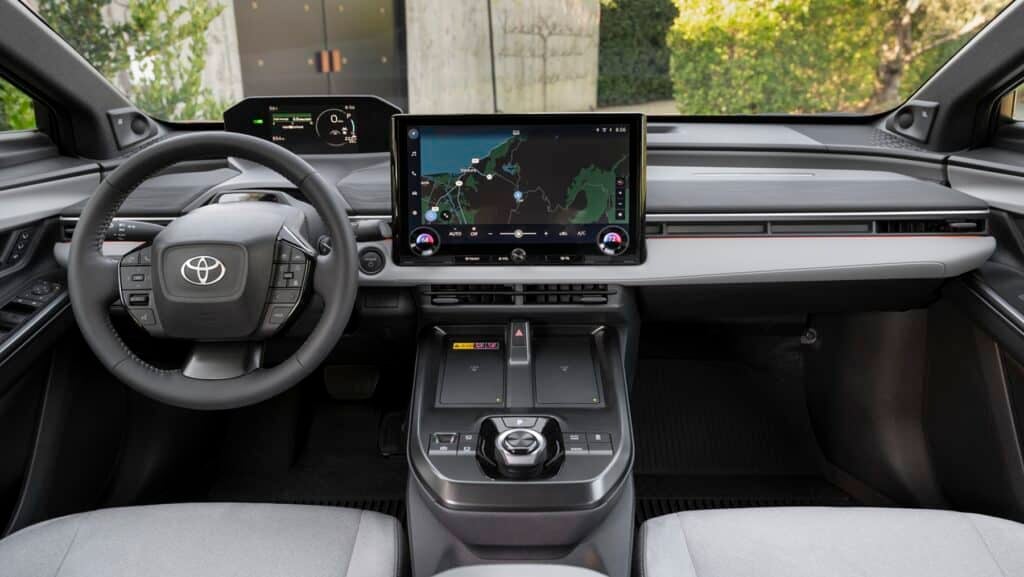
The interior has also been upgraded in 2026, with the latest Toyota Audio Multimedia system, including a 14″ central touchscreen and wireless connectivity. You also get Toyota Safety Sense 3.0, which provides driver-assist features such as pedestrian detection, full-speed range dynamic radar cruise control, steering assist, lane tracing assist, automatic high beams, and more. Add customizable ambient lighting and a heated steering wheel to the mix, and you’re going to feel pretty high-tech in this thing.
The premium interior has plenty of headroom and cabin space – 23.5 cubic feet behind the rear seats, or 59.5 when the rear seatbacks are folded flat. A panoramic roof, rear cabin air conditioning controls, and passenger USB ports make the C-HR feel comfortable for everybody.
There’s nothing really wrong with the C-HR. It has everything you’d need in a compact electric SUV. But yeah, don’t expect anything sporty in this thing.