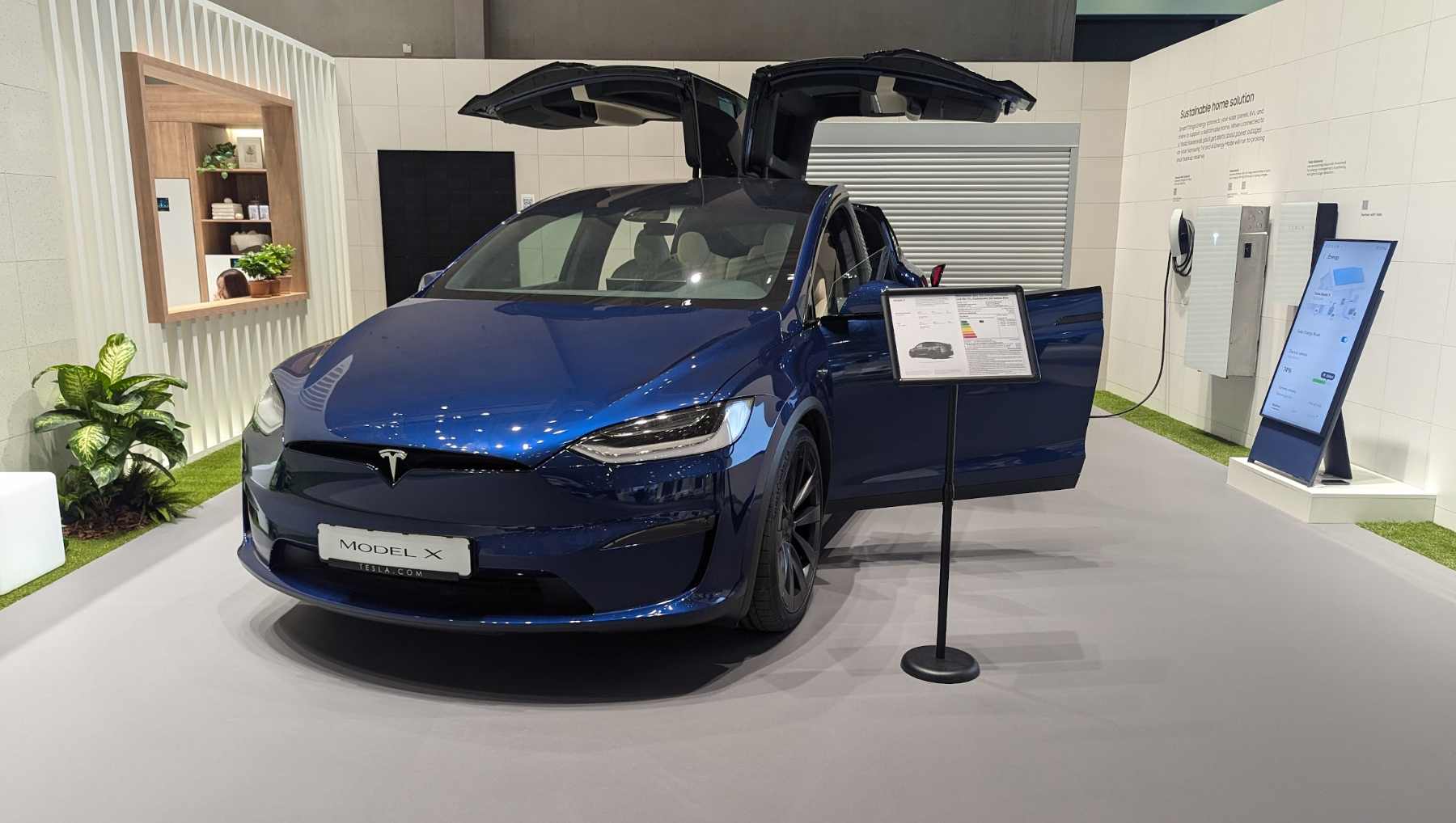

Tesla’s electronic door handles are causing a lot of trouble lately with China having banned them, the US considering a ban, and now a lawsuit fermenting because of the dangers of the electronic door handles on the Model S.
The actual complaints in the suit mirror the concerns that led to both the Chinese electronic door handle ban and a similar ban currently making its way through US Congress. The specific vehicle listed in the case is the Tesla Model S manufactured from 2023 onward, though Tesla intends to cease production of the vehicle in 2026.
The court filing reads:
“The vehicle was designed with electrically actuated, flush-mounted exterior door handles that require electronic extension and latch actuation in order to permit opening from the outside. Further, the interior door handles also require electronic extension and latch actuation in order to permit opening from the interior.
Tesla’s design renders the vehicle not reasonably escapable and not reasonably rescuable following foreseeable collisions involving loss of low-voltage power, fire, or emergency system shutdown.”
The claim describes the potential failure of both the inside and outside handles as “defects” and states that the issue could be worse for passengers in the rear of the vehicle. The lawsuit also states that Tesla knows about the faults, but has proceeded to use the handle design anyway.
If the proposed ban passes Congress, this lawsuit is unlikely to be affected, though the evidence Congress used to reach its conclusion could also apply in this particular case. The vehicles this lawsuit relates to have already been built, and the majority have been sold (though some of the affected Model Ss will still be on dealer lots and available for purchase at the time of writing).
The lawsuit is seeking damages in several forms including “monetary damages for financial loss” which covers the valuation hit used Model S’ will take due to the design being defective, “punitive damages” which are designed to punish Tesla for going ahead with the handle design and discourage similar conduct in future, “restitution and disgorgement” which aims to seize profits that lawyers claim Tesla has made from selling faulty vehicles, and various statutory damages that hinge on individual pieces of legislation.
Attorneys are also seeking “injunctive relief,” which means that the suit could cause a de facto ban of the handle design in question, even if Congress doesn’t push a national ban through. Full details of the lawsuit can be found on Classaction.org.
The Tesla Model S, and similar vehicles, do feature a mechanical backup release that occupants can use to open the door if the electronics fail. However, the release (a hidden cable under the vehicle’s carpet for rear passengers) has been criticized as hard to spot and operate, especially in an emergency. There have been high-profile cases of occupants burning to death in a crashed Tesla as they were unable to escape the vehicle, with another lawsuit related to some of those deaths also being contested at this time.
A Tesla Cybertruck lawsuit may also be on the horizon
Some things are so common, they don’t really count as news. Tesla and Elon Musk getting sued over something or other is an almost daily occurrence at this point. The Texas-based automaker is even fighting a copyright case over just how specifically dystopian one of its launches looked.
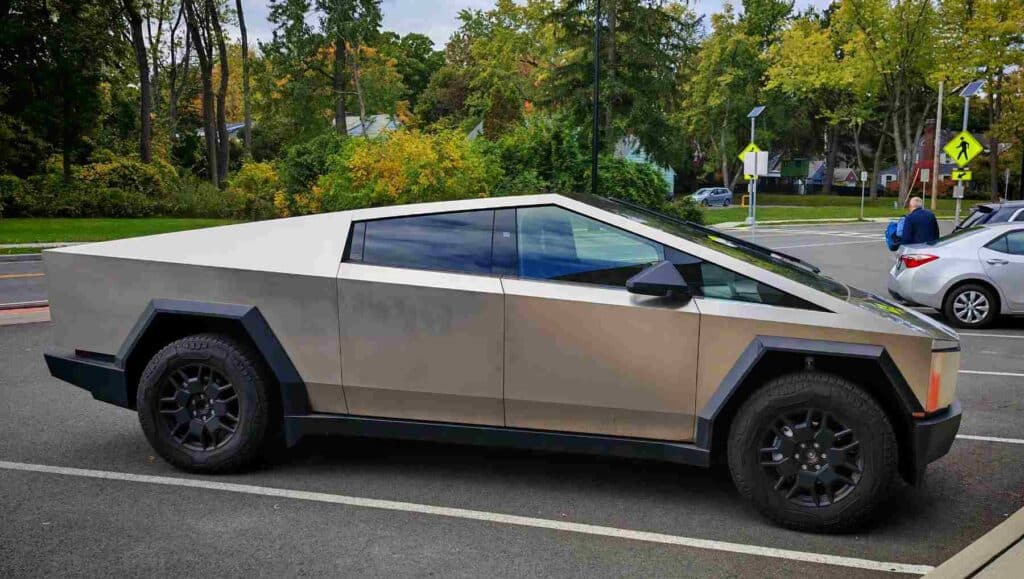
Beyond that, just when you thought Cybertruck-related buyer’s remorse couldn’t get any worse, Tesla may be facing another suit from a group of the controversial EV’s owners. On the CyberTruck Owners Club Forum one user, Joseph Baker, proposed filing the suit, stating:
“On May 7, 2025, I received an email stating that Tesla would not sell the Range Extender and that my deposit would be refunded. This sudden change constitutes a misrepresentation or fraudulent inducement and is grounds for a misrepresentation claim. I—and likely others—relied on the promised Range Extender when deciding to purchase the $135,000 Foundation Series Cyberbeast vehicle. Without the Range Extender, the recommended effective daily charging range is 240 miles at 80% charge, which is significantly lower than the 450 miles promised with the Range Extender.
I would not have purchased the Cyberbeast without the promised range increase from the Range Extender.
Is there any support and momentum among the club to move forward with a class-action claim for misrepresentation?”
The Cybertruck’s Range Extender Battery Pack was a $16,000 add-on for the vehicle, which could extend its range up to 470 miles. The extra battery would be installed in the truck’s bed and take up a significant portion of the bed’s space. Tesla quietly dropped the pack as an option in 2025 and started issuing refunds to customers who had ordered one.
However, many users were quick to point out issues that Baker may face, including the arbitration agreement that was likely signed when the truck was purchased, the difficulties that come with class actions, and the strength of Tesla’s well-practiced legal team compared to an individual customer.
Indeed, the arbitration agreement may be the biggest hurdle to the case. Tesla forces all customers to sign one as part of the vehicle sale and warranty process. The agreement essentially dictates that any issues be settled through arbitration (with an arbiter hearing both sides and rendering a decision) rather than in the courtroom.
With that being said, as the recent door-handle-related lawsuit and many others in recent years show, Tesla is far from immune to customers taking it to court.