Recently, the Tesla Model 3 was named the “Top Rated Electric Car” by Edmunds. The review praised its speed, range, comfort, and tech — all for a pretty reasonable price. But it seems like that price may be one of the deciding factors for Edmunds rather than the overall experience.
Said Edmund’s Executive Director of Written Content, Jodie Tourkow: “Tesla recently added the more affordable Model 3 standard. Which still has the key strengths of the Model 3 at a lower price. This lower bar for entry makes a difference. We appreciate that every version feels solidly built and comfortable. With all the improvements Tesla has made, this is the very best version of the Model 3 we’ve ever had.”
Indeed, the Tesla Model 3 can be found for as low as $36,990. It’s one of the cheapest electric cars on the market. However, there’s an electric car around the same price that actually outshines the Tesla Model 3 in many key categories.
Tesla Model 3 vs. Hyundai Ioniq 6: Range and charging
One of the selling points of the Tesla Model 3 for Edmunds was its range. The Long Range, which is actually $47,500, was the “perfect commuter,” according to Jonathan Elfalan, the Director of Vehicle Testing, partly because he “never worried” about range. On a single charge, the Tesla Model 3 Long Range gets up to 363 miles (AWD) to over 400 miles combined (RWD). The base model gets 321 miles.
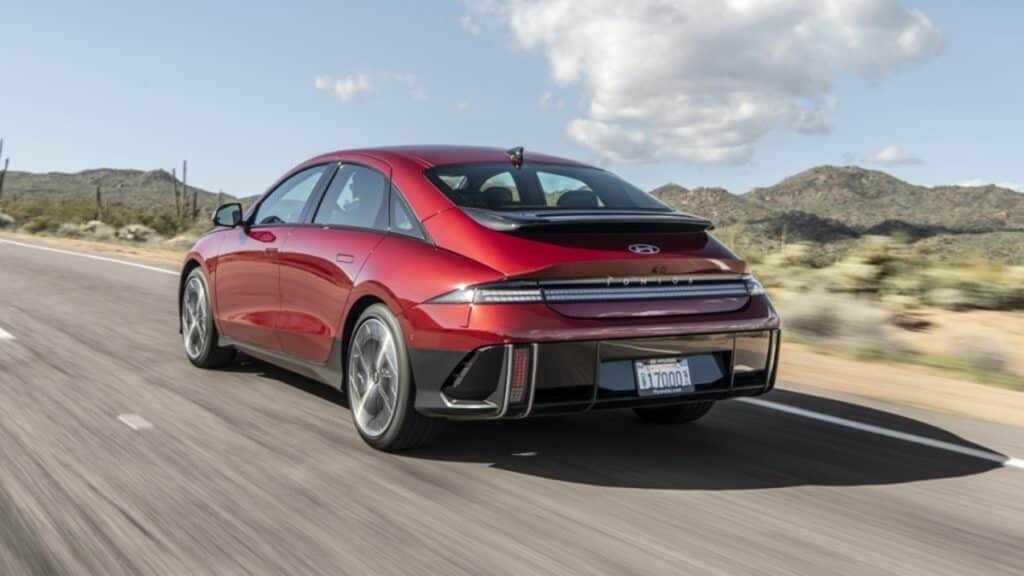
The Hyundai Ioniq 6 starts at $37,700 for the base model, which gets 240 miles. However, the SE Long Range RWD model gets 361 miles, which is not too far off from the Tesla Model 3 Long Range RWD. And guess what? The Ioniq 6’s most expensive version with the longest range is only $42,800. This means it’s about $5,000 cheaper than the Tesla Model 3 Long Range and you still get plenty of range for the price. It sort of kills Edmund’s whole “it’s cheaper, so we love it” argument when they are actually talking about its most expensive Model 3 when it comes to the details.
When you finally have to pull over and charge one of these models, you’ll also be stuck at the charging station much longer with the Tesla Model 3. It can take up to 30 minutes to go from a 10% to 80% charge. It takes the Ioniq 6 about 18 minutes to accomplish the same percentage jump. The Ioniq 6 is also faster at home, taking about five to seven hours compared to the Model 3’s seven to 12 hours.
Tesla Model 3 vs. Hyundai Ioniq 6: Driving experience
Once you’re actually on the road, the Hyundai Ioniq 6 will offer a far superior experience behind the wheel. Those who have driven both say the Ioniq 6 is much quieter and smoother, making it feel much more luxurious and comfortable. The blend of better build quality and a more car-like experience makes the Hyundai Ioniq 6 more appealing when it comes to handling and performance — especially if you are a fan of combustion engines looking to make the switch.
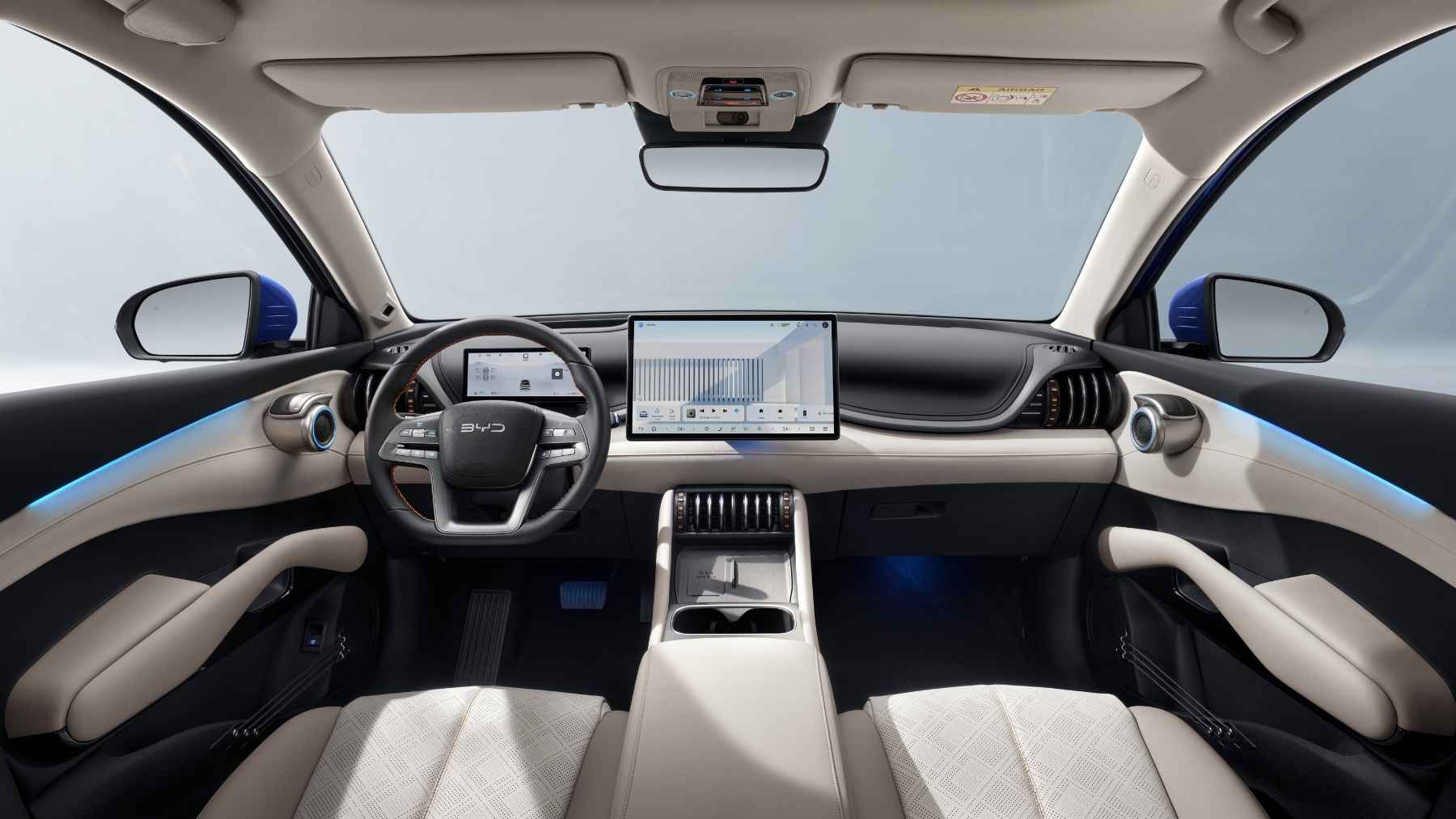
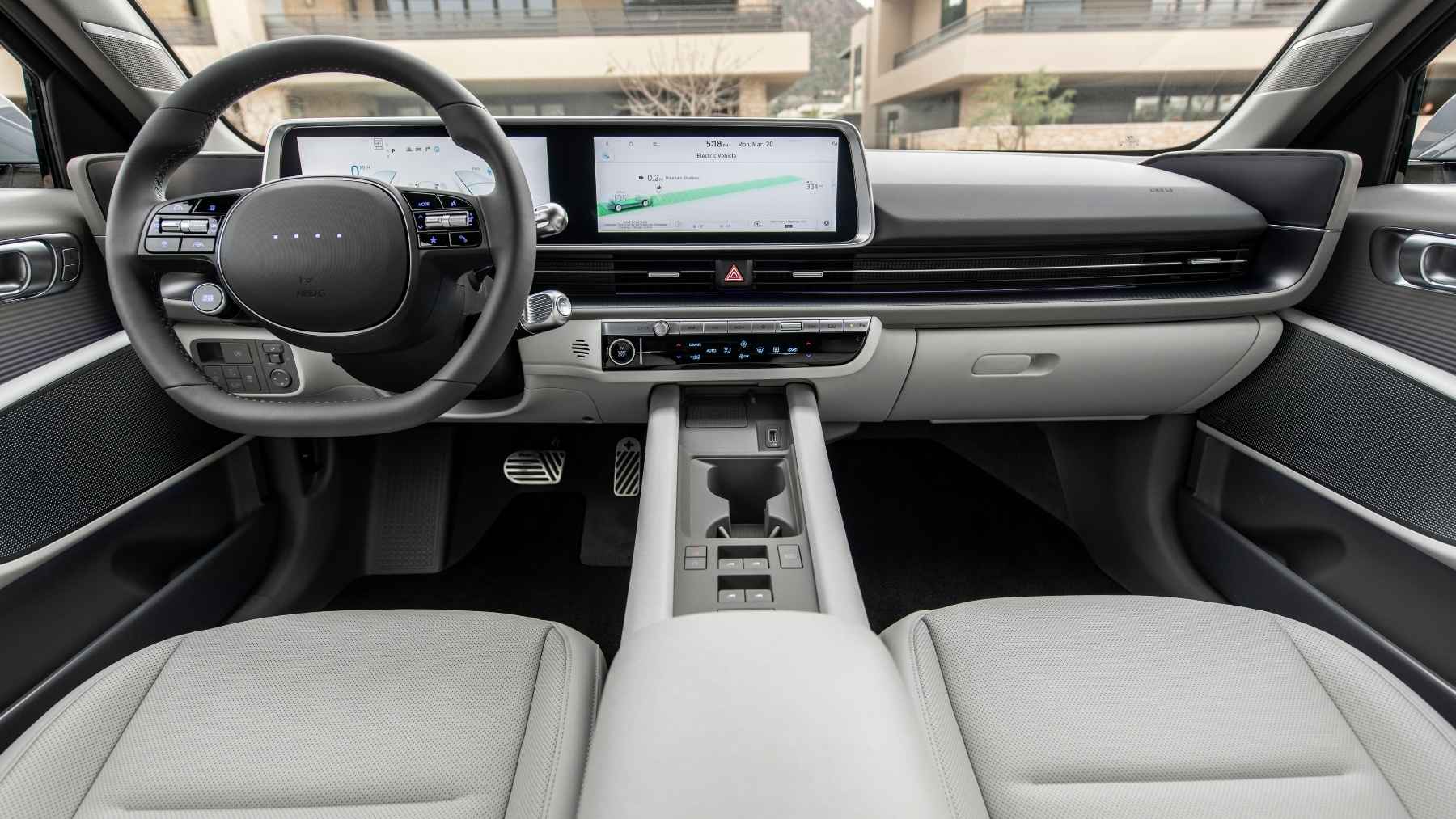
It also has many familiar controls and cabin features that don’t feel as far-out or EV-centric as those in the Tesla Model 3. The Model 3 has better software and technology, but the actual feel is lacking compared to the Ioniq 6. Said one driver: “With Tesla, think about doing everything through an iPad with menus… everything. Heat change, navigate menus while driving. I like legacy car features like buttons for things.”
MotorTrend put it simply when its review of the Ioniq 6 put this on the “pro” list: “Better than a Tesla Model 3.”
There are Tesla stans out there who will argue that the Model 3 is unbeatable. They’ll tell you to ignore Elon Musk’s ongoing breakdown and who cares about all the recalls and lawsuits, really… But the argument is often that Tesla is the most advanced, that it offers the most features. One fan even said Tesla “wraps around your life” as if that’s a good thing. So yeah, if you want more screens, more menus, and more nanny features, the Tesla Model 3 will get you more bang for your buck. But if you want to enjoy your drive, the Ioniq 6 offers a more standard-car experience, not only with more physical buttons but also a more enjoyable overall performance.