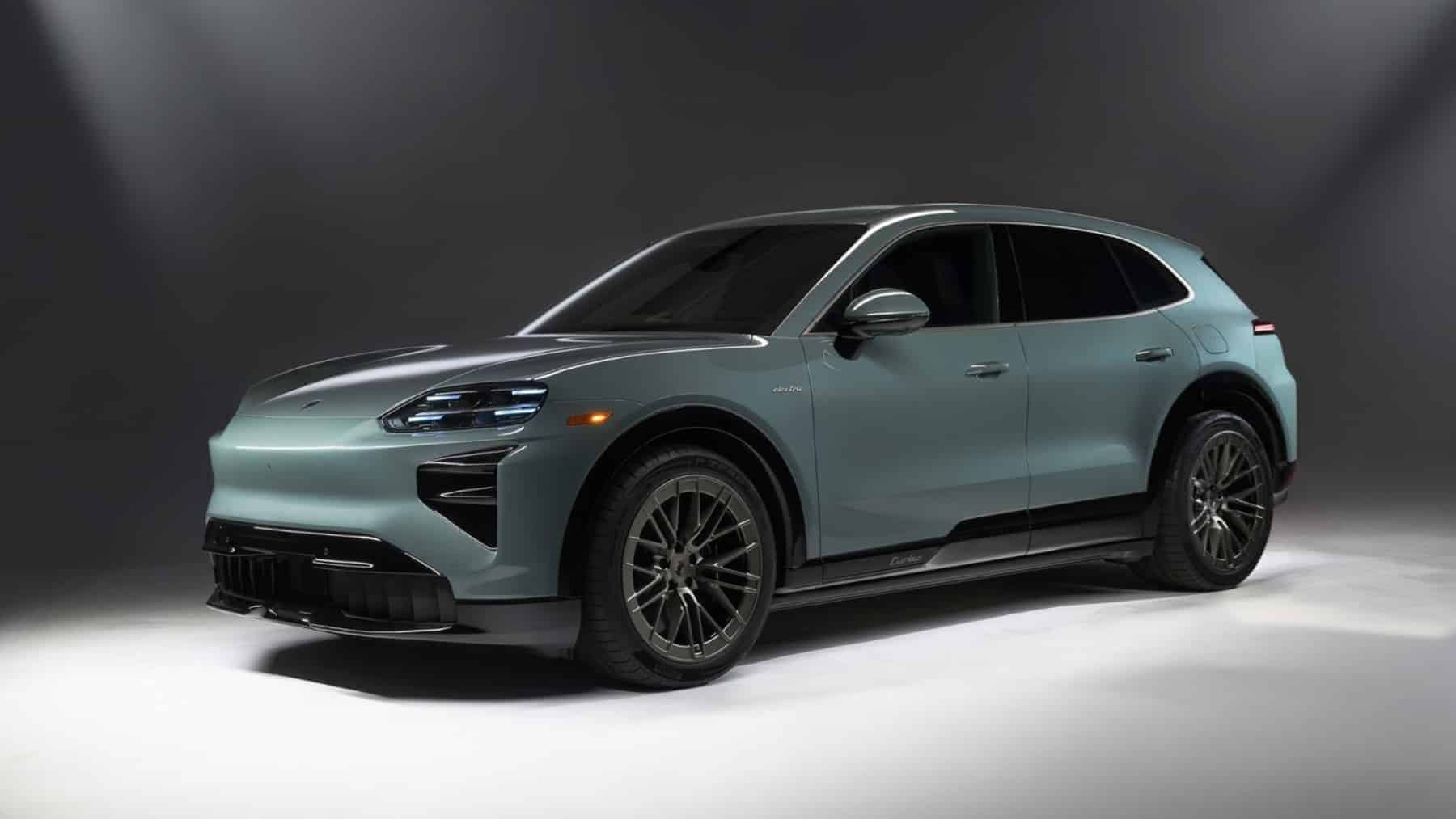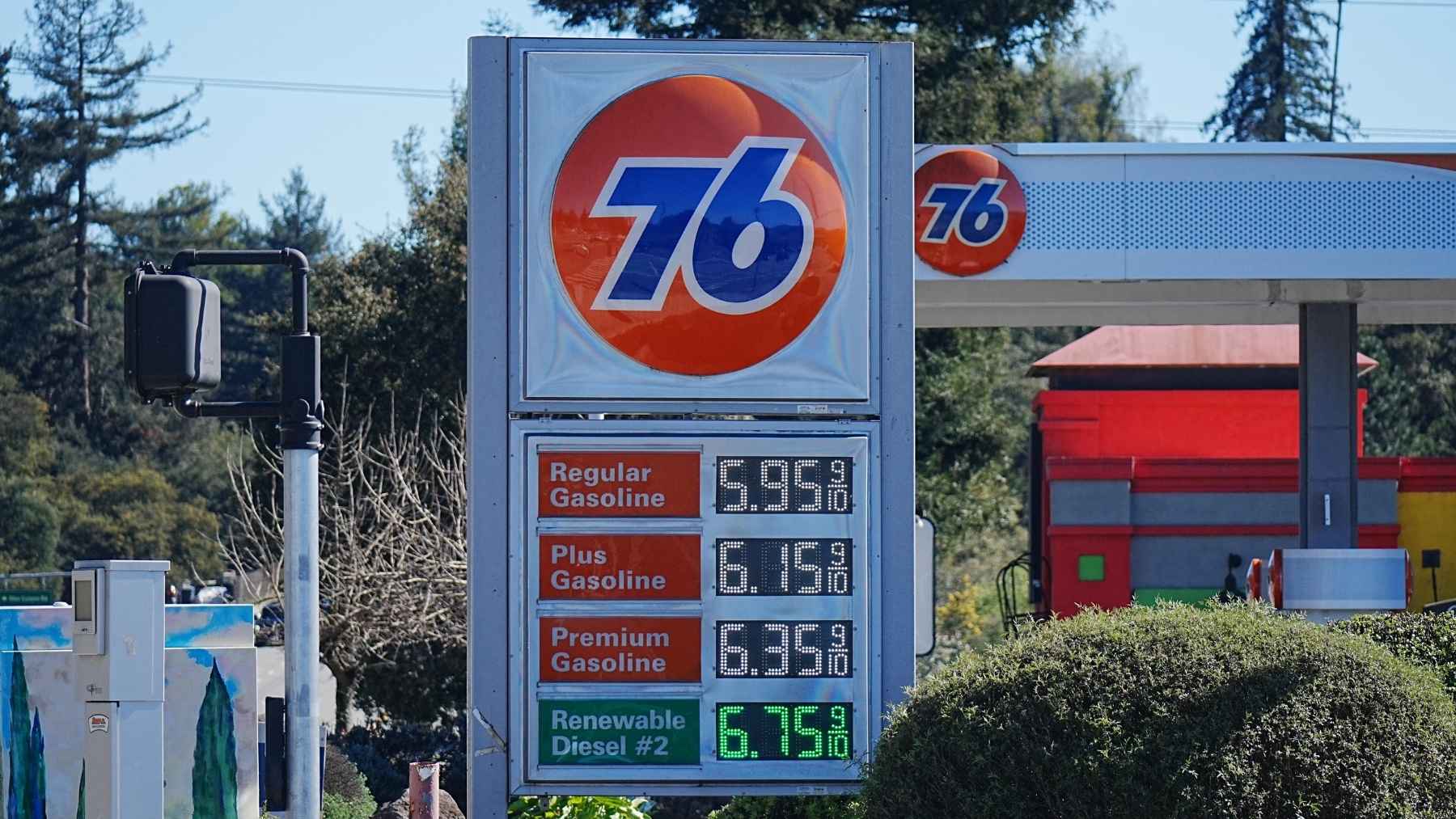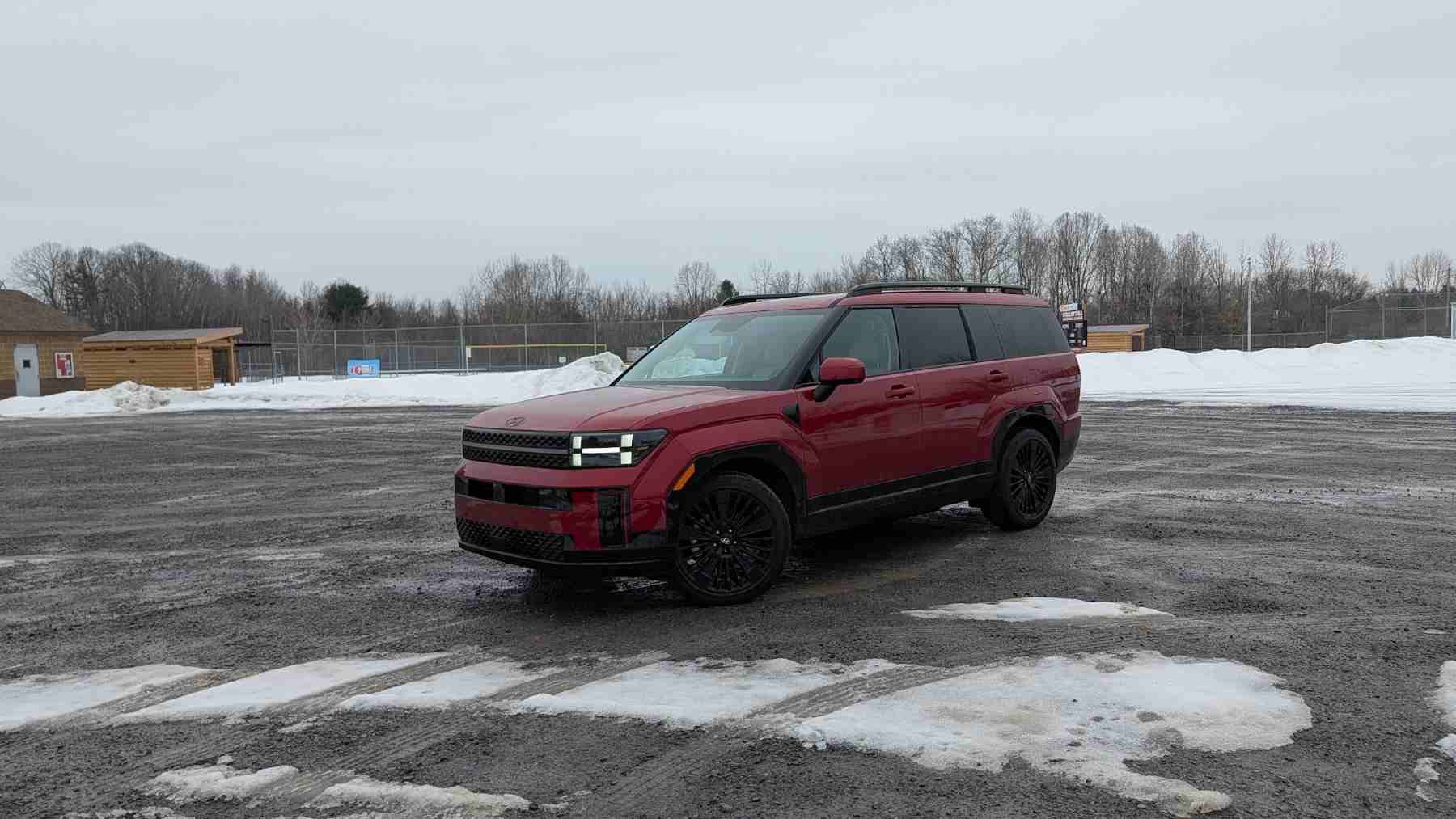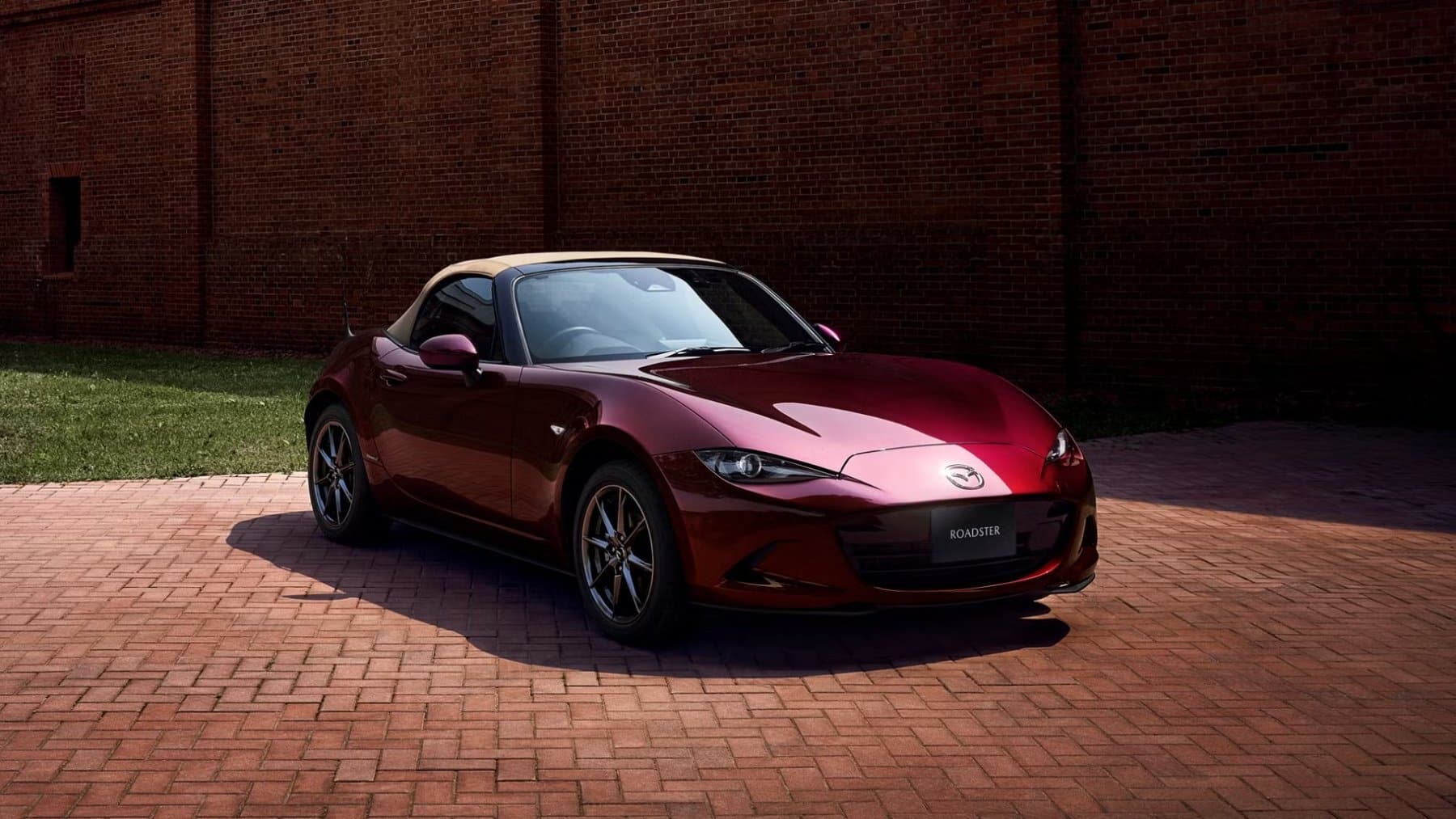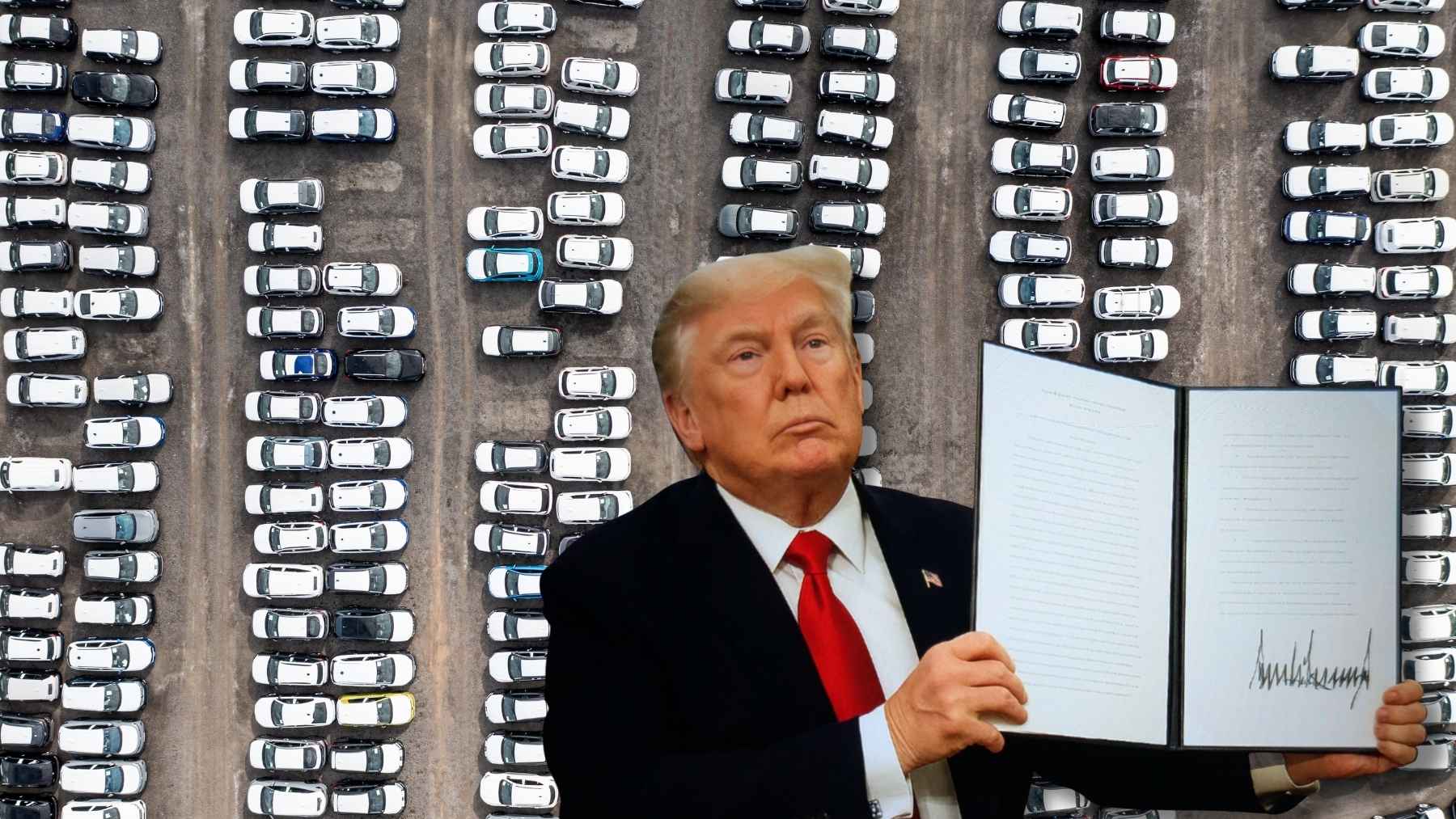

The United States Supreme Court just struck down President Donald Trump’s sweeping tariffs on Friday, February 20th. It was ruled that Trump’s ongoing tariffs, including a 15% tariff on imported vehicles, exceeded the president’s authority.
The Trump Administration argued that the 1970 International Emergency Economic Powers Act (IEEPA) gives the president the power to impose widespread tariffs. The Supreme Court rejected the argument in a 6-3 vote. But what does the ruling actually mean?
According to Adrienne Braumiller, founder of Braumiller Law Group PLLC which specializes in international trade law, the judgement is decisive but the Trump Administration seems to have options. Speaking to Autonocion US, Braumiller says: “The Court held that the IEEPA statute does not authorize the president to invoke any tariffs of any kind. So, they’re ab initio, meaning they’re not lawful from the very beginning.”
Trump swiftly responded to the court’s ruling with a blanket 10% global tariff. According to Braumiller, the president invoked a different piece of legislation to implement the executive order, but it does come with a hard limitation: “He’s doing that under 122 [Section 122 of the Trade Act of 1974], but that has a definitive deadline where it expires. It expires five months from initiation and it can’t be extended. Could he just issue a new set of tariffs? He might he might look at Section 232 or 301, but both of those have specific procedures that have to be followed.”
Section 232 of the Trade Expansion Act of 1962 and Section 301 of the Trade Act of 1974 are two pieces of legislation the president could theoretically use to impose tariffs on various nations. Implementing either is a little more complex than the previous laws Trump was attempting to base his tariffs on. Section 232 can only be implemented against imports that “threaten U.S. national security” and a Department of Commerce investigation has to take place before the tariffs are put in place. Section 301 could be applied to countries practicing “unfair, unreasonable, or discriminatory foreign trade practices that burden or restrict U.S. commerce” and also requires an investigation before they can be implemented.
The tariff ruling is good news for Canada and China, for now anyway
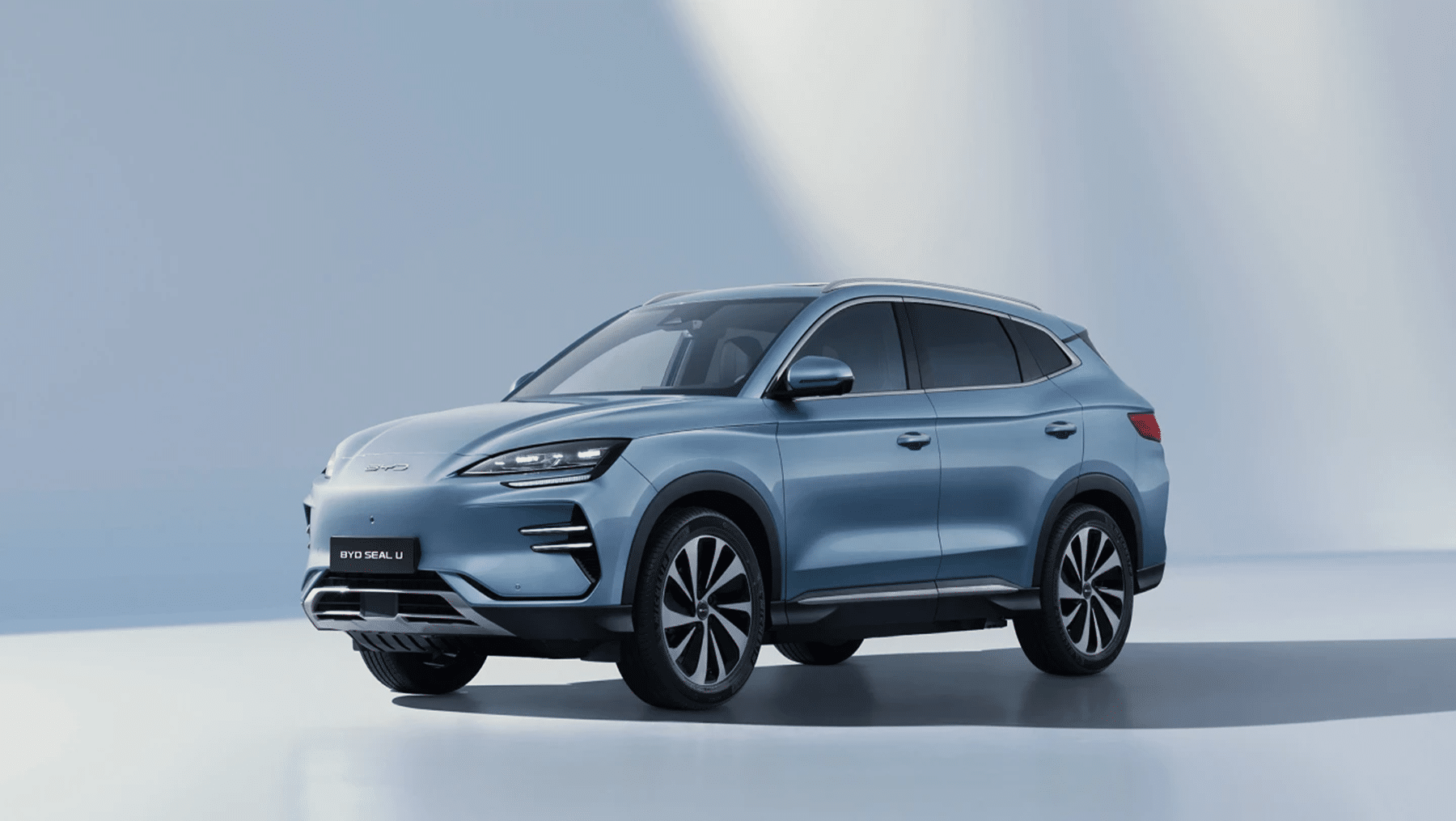
Over the past year, the Trump Administration placed some of its toughest tariffs on China and Canada. Both of which are pretty vital to the US automotive supply chain. Parts and sometimes entire vehicles were sourced from Chinese factories. Tens of thousands of automotive parts per day also crossed the border between Ontario where the Canadian automotive industry is based and Michigan, the traditional home of the American auto industry.
“I would say China and Canada both benefit from this and the automotive industry from this specific ruling because a 10% tariff is a lot less than they’re both currently paying,” Braumiller says.
However, the ruling doesn’t mean the US will be flooded with cheap EVs from China. There was a level of protectionism that predates the Trump Administration’s tariffs that hampered Chinese EV exports to the United States, along with a variety of security-related concerns. There are also NHTSA regulations that Chinese EV manufacturers would have to grapple with before their vehicles could be sold in the US.
Beyond that, it’s easier Trump to put tariffs on individual countries than it is to implement blanket tariffs worldwide, or that’s at least what the administration believes. Braumiller told Autonocion US: “I don’t know if he’ll try to up the 301 tariffs on certain sectors of China, certain industries. I’m not sure about that. But I mean, it’s something that I think he thinks he can do.
“I’m sure you saw his press statements. You probably heard him live, and he said, “I can do anything I want.” And I went, “Ah, I think that’s what the Supreme Court said you couldn’t do.”
The attitude towards Chinese imports could change in the future, as the Trump Administration continues to face pressure — including from American automakers, and as China continues to dominate the EV market. As these cheap EVs reach Canada, US residents will continue to wish they could have them too.
What’s next, including our refunds, is still uncertain
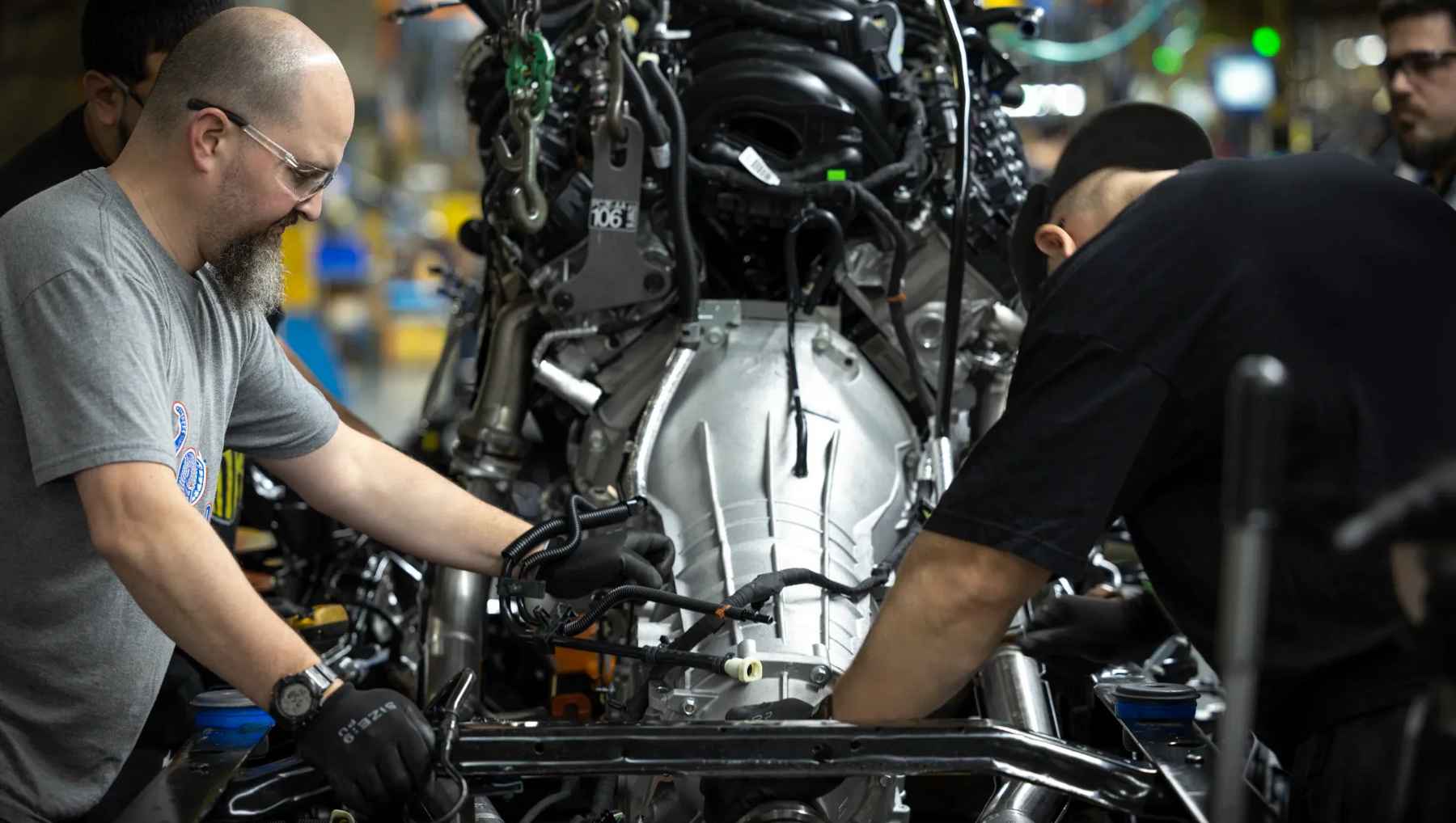
It’s unclear at this time how the removal of the United States’ previously heavy tariffs will impact the car industry. The general consensus is that cars will hopefully become cheaper to manufacture and import, due to the removal of 15% tariffs on materials and vehicles, which would likely make them cheaper to buy in America.
The average price of a new car has steadily increased in the United States, and the tariffs played a big role this past year. With automakers — even American automakers — losing billions due to tariffs, the companies have struggled to keep vehicles affordable. Some companies have resorted to removing small luxury details while others have even considered bringing back diesel vehicles. It was nearly impossible to figure out how to offset the extreme revenue loss from the tariffs, and vehicle prices were forced to increase.
If the tariffs are reduced or finally end, we may possibly see reduced prices for new cars, especially if the car companies are given a refund for the tariffs they already paid for. According to Auto News, the automotive industry paid around $8.6 billion through October 2025.
“The administration’s only responsible course of action now is to establish a fast, efficient, and automatic refund process that returns tariff money to the businesses that paid it,” US, We Pay the Tariffs’ Director Dan Anthony stated after the Supreme Court’s decision was declared.
Unfortunately, the Supreme Court did not address refunds, leaving the matter to US Customs and Border Patrol. There is no set plan when it comes to tariff refunds, but the situation could become clearer in the near future. Braumiller said: “I think this next week will definitely have more clarity about what administrative procedure could be put in place by CBP. I know there are several meetings of the plaintiffs’ council that are being scheduled for next week. So, I think we’re all kind of like, ‘Oh god, what what now?'”
Depending on the outcome, it could lead to a situation where the average person has to file a lawsuit to get the money they paid in tariffs back. A business that paid millions may see the worth in it, but for the average person who paid $40 extra on a set of brake calipers, it probably isn’t worth the trouble. This all adds up, and will likely result in billions of dollars worth of unclaimed tariffs sitting somewhere it wouldn’t be. In short, the status of tariff refunds is as much of a mess as the rest of this situation.
What’s worse is a scenario Braumiller envisions where the “tariff-free gaps” when investigations occur lead to businesses stockpiling products. The surge in demand may drive prices back to levels similar to those under Trump’s tariffs. Either way, there’s a lot of uncertainty ahead, and few outcomes where the consumer wins.