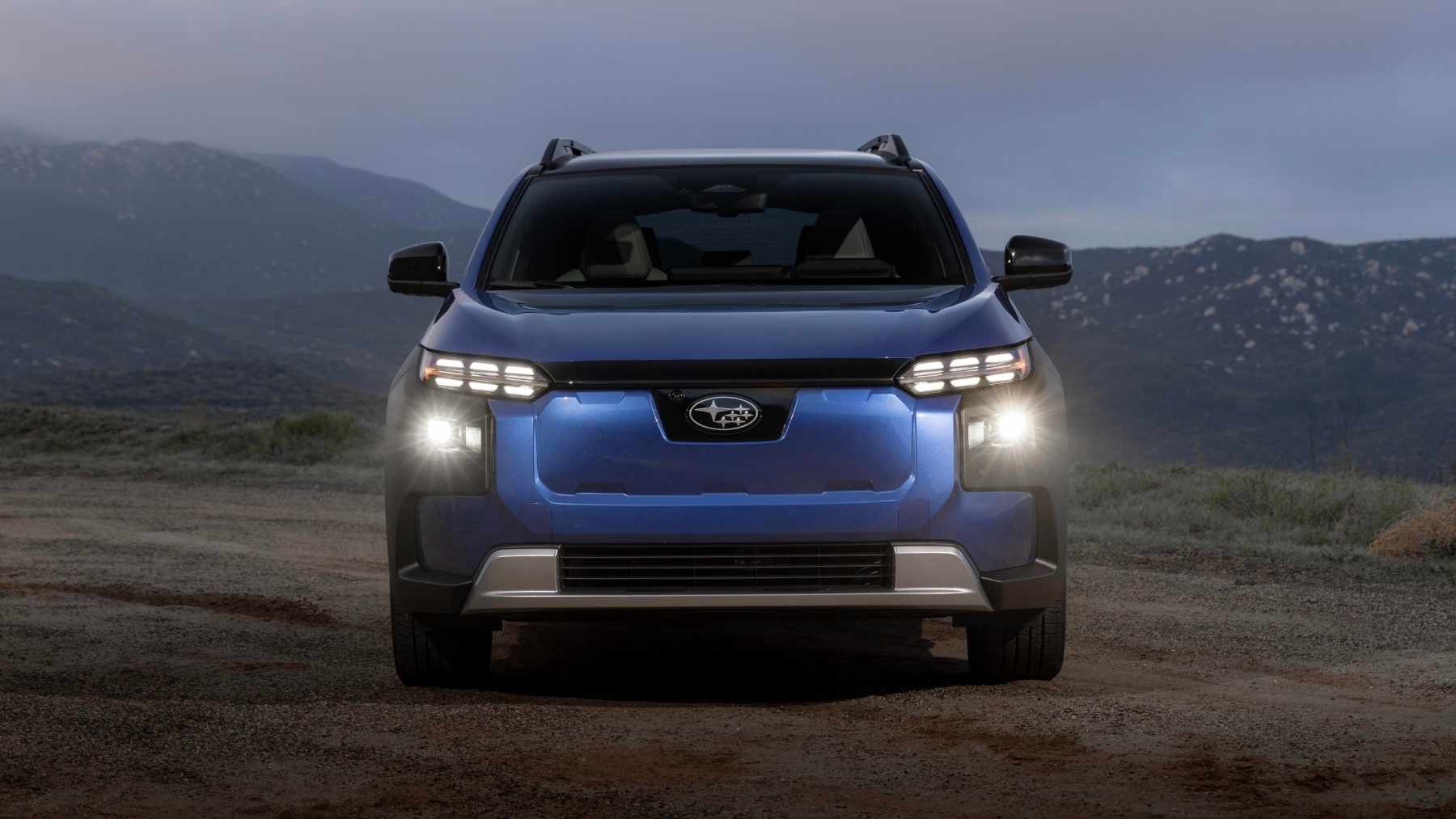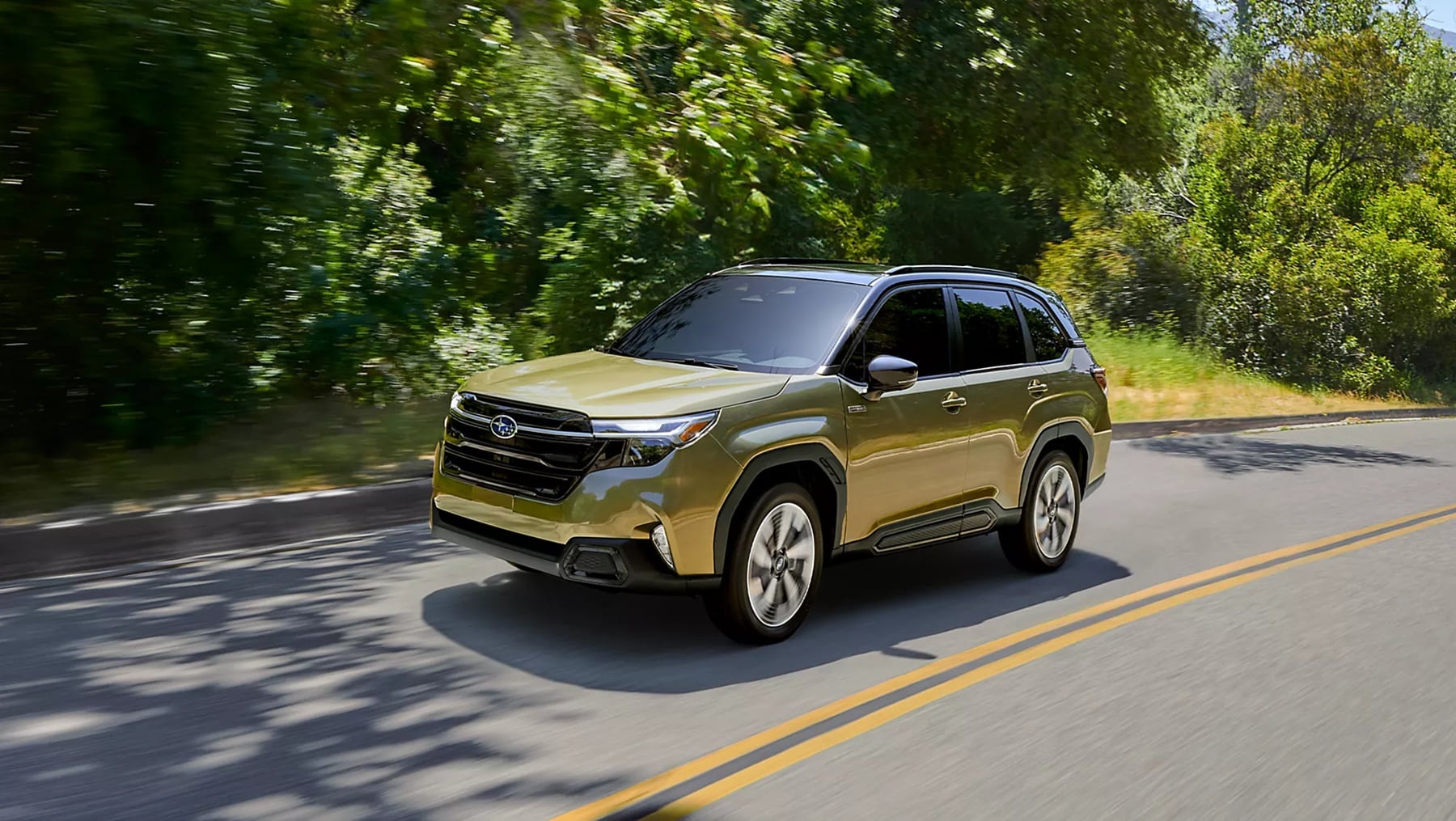

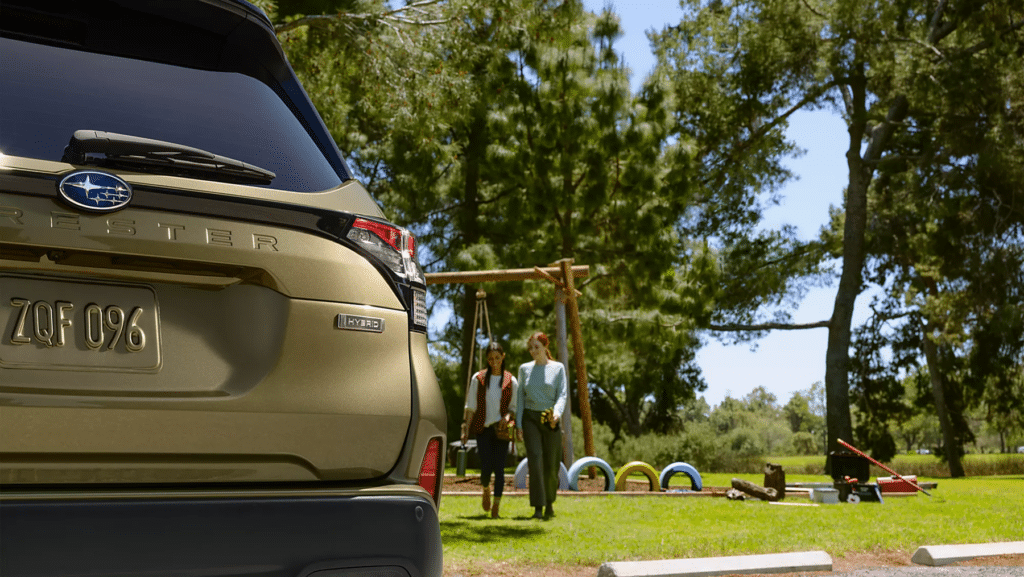
It’s not news that the United States’ car and material tariffs have impacted the automotive industry. However, Subaru is taking a different approach to the ongoing tariff issue with its Forester Hybrid that it hopes will pay off with American drivers.
While most carmakers are raising model prices, essentially wanting customers to eat the tariff costs for them, Subaru is taking a different route entirely: slashing prices. Subaru has never been afraid to stand out, if the BRAT has taught us anything, but it still seems like a pretty risky maneuver after announcing that its full-year operating profit will drop by nearly 70% from 2024, in part due to tariffs.
Subaru Forester Hybrid’s exciting new prices
The Subaru Forester Hybrid launched in 2025 with a starting price of a little over $38,000. While the 2026 Forester Hybrid has the same powertrain and features, it will now start at $36,180. Drivers would save over $1,800 despite the car being exactly the same.
The Forester Hybrid’s trims are also lower this year. The Sport trim is $39,380 ($1,635 less than 2025), the Limited trim is $40,445 ($1,985 less), and the Touring trim is $42,995 ($1,720 less).

Altogether, it’s not too shabby for a capable SUV that can get up to 581 miles of range with a full gas tank. The adventurous Forester has plenty of room in the cabin for a weekend trip and all the features you need to be comfortable, even off-road. It can also tow up to 1,500 pounds, making it even more capable for a short getaway. The Forester isn’t the top contender in the hybrid compact SUV category (that’d probably go to the Honda CR-V or RAV4), but it’s still a popular pick for a reason (and the RAV4 is hard to find anyway). And now it’s even cheaper.
Subaru’s terrible, tariff-filled 2025
Subaru had a horrible 2025. The carmaker revealed its Q3 financial results (for April – December 2025) earlier this week, which included a projected 70% drop in operating profit. It was a lot worse than anyone could have predicted (even Subaru, who previously projected a 51% drop).
The issue? It needs to sell 900,000 cars worldwide by March 2026, which would mark the end of Q4. This is a pledge Subaru previously made, but it doesn’t seem possible to reach at this point. Only half of Subaru’s vehicles are made in America – the other half are imported from Japan with a 15% tariff. This has resulted in an expected $1.5 billion in import costs, putting Subaru $280 million above its expectations.
On top of the massive tariffs, Subaru was set back when the United States eliminated its EV incentive in September 2025. Americans are just not buying EVs at the same rate, especially the Subaru variety.
However, Subaru has decided on a pretty risky strategy. Rather than raising vehicle prices to offset the tariffs (looking at you, Porsche), Subaru is lowering its prices to appeal to American consumers. I think it’s a good bet. As the average price of a new vehicle continues to increase in America, automakers are attempting to lower vehicle prices to stand out – and to keep Americans from looking elsewhere for their next car. Will it be low enough? Only time will tell.
The Subaru Forester is currently made in Indiana, allowing for lower margins since there are no import tariffs to deal with. This gave Subaru the ability to lower its price without feeling the squeeze as harshly while hopefully inspiring sales. Meanwhile, the Outback has lost its base model and moved production to Japan, keeping prices pretty similar from 2025 to 2026. And if all this SUV news bores you, we should also note that the WRX has reduced its price by $5,000 from 2025 to 2026, bringing it to $32,495. While some in the car community called it “backpedaling” after an increased price last year, at least Subaru is admitting its mistake and reducing the cost.