
As United States lawmakers push back against electric vehicles, Europe has seemingly embraced the concept of an electric future. However, Stellantis announced on February 13th that it was reviving some of its diesel vehicles (in Europe, anyway) following some big government changes.
By the end of 2025, electric vehicle sales had surpassed gas car sales in Europe for the first time ever. Fully electric vehicles accounted for 22.6% of cars registered in Europe in December 2025, while gas cars accounted for 22.5%. Hybrids made up the majority of registrations at 44%. But hey, a .1% is still .1% more.
European countries have been embracing EVs for the past few years, even announcing that gas cars would be banned in 2035. However, the EU took back the ban in December 2025, with carmakers facing too much pressure from U.S. import tariffs and difficulty selling EVs profitably as China’s carmakers push dirt-cheap alternatives for much less. Without an impending ban looming overhead, Stellantis has decided it’s time to unleash the beasts.
But does it actually make any sense?

Do European drivers yearn for diesel or is Stellantis crazy?
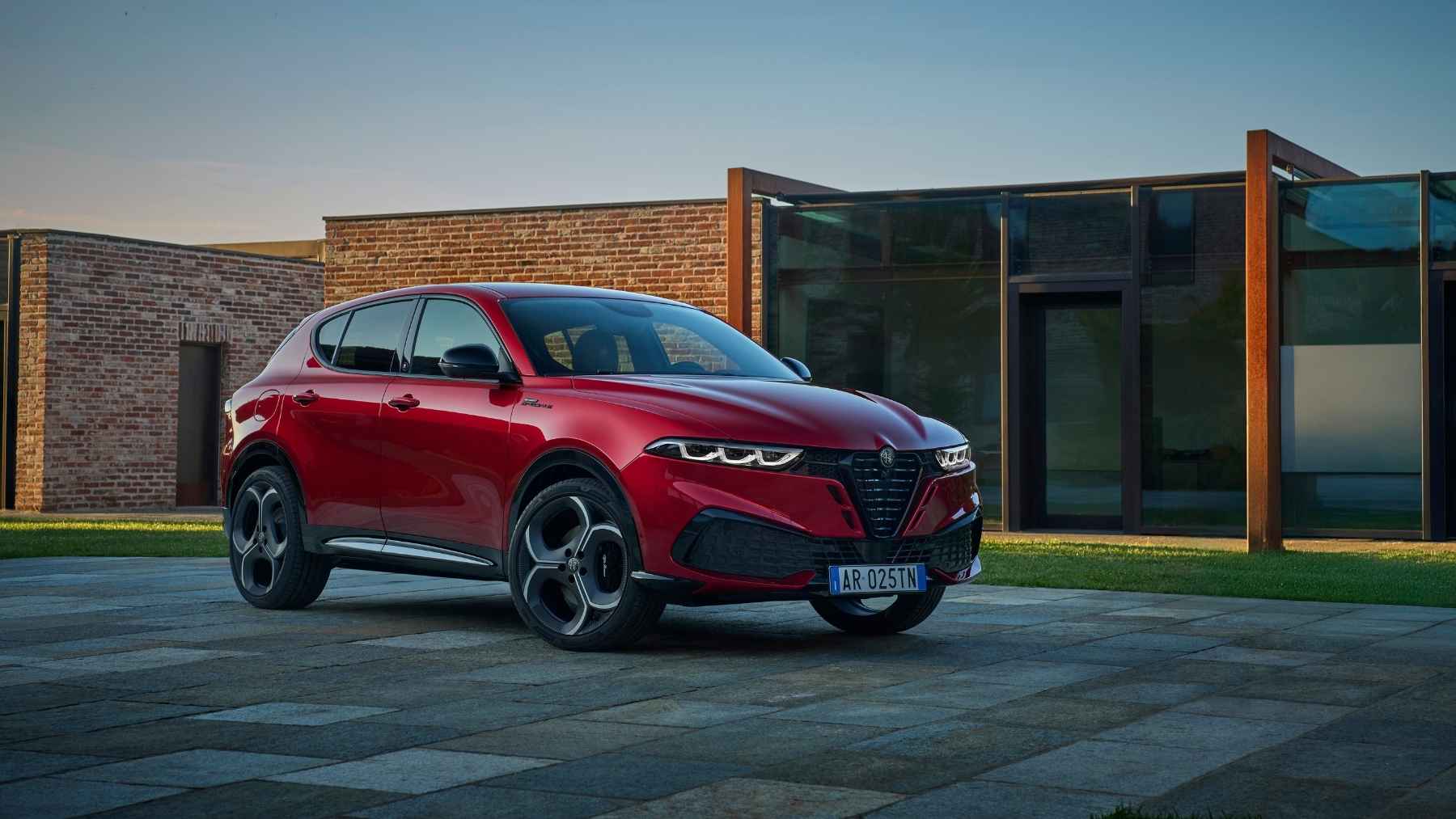
Stellantis has been continuing to reintroduce diesel versions of its vehicles in Europe since late 2025, according to a report from Reuters. Now, it has plans to bring back the Opel Astra, Opel Combo van, the seven-seater SUV Peugeot Rifter, the Citroën Berlingo passenger van, as it continues selling the premium DS7 SUV, and Alfa Romeo’s Giulia along with its Tonale and Stelvio SUVs.
“We have decided to keep diesel engines in our product portfolio and — in some cases — to increase our powertrain offer,” the company told Reuters. “At Stellantis, we want to generate growth, that’s why we are focused on customer demand.” It makes sense to follow customer demand.
But do customers in Europe demand diesel? Maybe in 2015, when diesel vehicles made up around 50% of new car sales in Europe. However, diesel vehicles make up 7.7% of new car sales across European countries as of 2025. When compared to electric cars’ 19.5% it sure doesn’t seme like it.
This is due to a change in political and social landscapes, with Europe largely pushing to save the environment through car sales.
In the UK, new diesel vehicles are set to be banned (along with internal combustion engines) by 2030. Hybrids will follow in 2035. You can still drive your beloved Stellantis diesel after 2030, but the carmaker can’t sell any new ones — which makes a pivot to diesel at this time very, very strange. There will be only three to four years to sell these new diesel vehicles, which doesn’t feel like a permanent long-term solution.
Since July 2019, Paris, France has banned diesel vehicles registered before 2001 to cruise the city on weekdays. In London, the Ultra Low Emission Zone (ULEZ) has implemented a driving fee on anyone driving diesel vehicles from before 2015. While Stellantis’ diesel vehicles won’t be impacted by these regulations, it still goes against the narrative in these cities that diesel is bad and electric is good.
However, desperate times call for desperate measures. Apparently. At this point, it’s quite obvious that most countries can’t compete with China’s EVs, especially in terms of pricing. When Chery revealed an $18,000 pickup, the best Ford could do was $30,000. It’s not likely to deter struggling families in Europe that want a cheap EV — China’s BYD is already outselling Ford all over the world and I don’t think the $30,000 pickup will change that.
Without any hope of making an EV as cheap as China, Stellantis has turned back to diesel. This is something that China isn’t really focused on at all (but the current regulations probably tell you why). With diesel vehicles being cheaper to produce and sell, this could be where automakers outside of China shine. And with Stellantis’ sales falling year over year in Europe, what does it have to lose by ditching the all-electric thing?
“If you look at the direction of travel when it comes to diesel, Stellantis now seems to be bucking the trend,” said Chris Knapman, CarGurus’ UK editorial director, noting diesel can go the distance. “Also, Chinese car brands are coming in with lots of new electric and plug-in hybrid cars.
“If you’re a European brand looking to differentiate yourself, diesel is an area where you could have a competitive advantage over those newer brands.”
Stellantis’ goal is to basically become the bad boys of London by fighting against political and social norms to bring back diesel, which it believes European drivers secretly want but have been too restricted to pursue. Will a shiny new line of diesel vehicles make drivers break social norms and say “screw the environment and screw your regulations?”
My guess is no. But I don’t think Stellantis has any other choice.