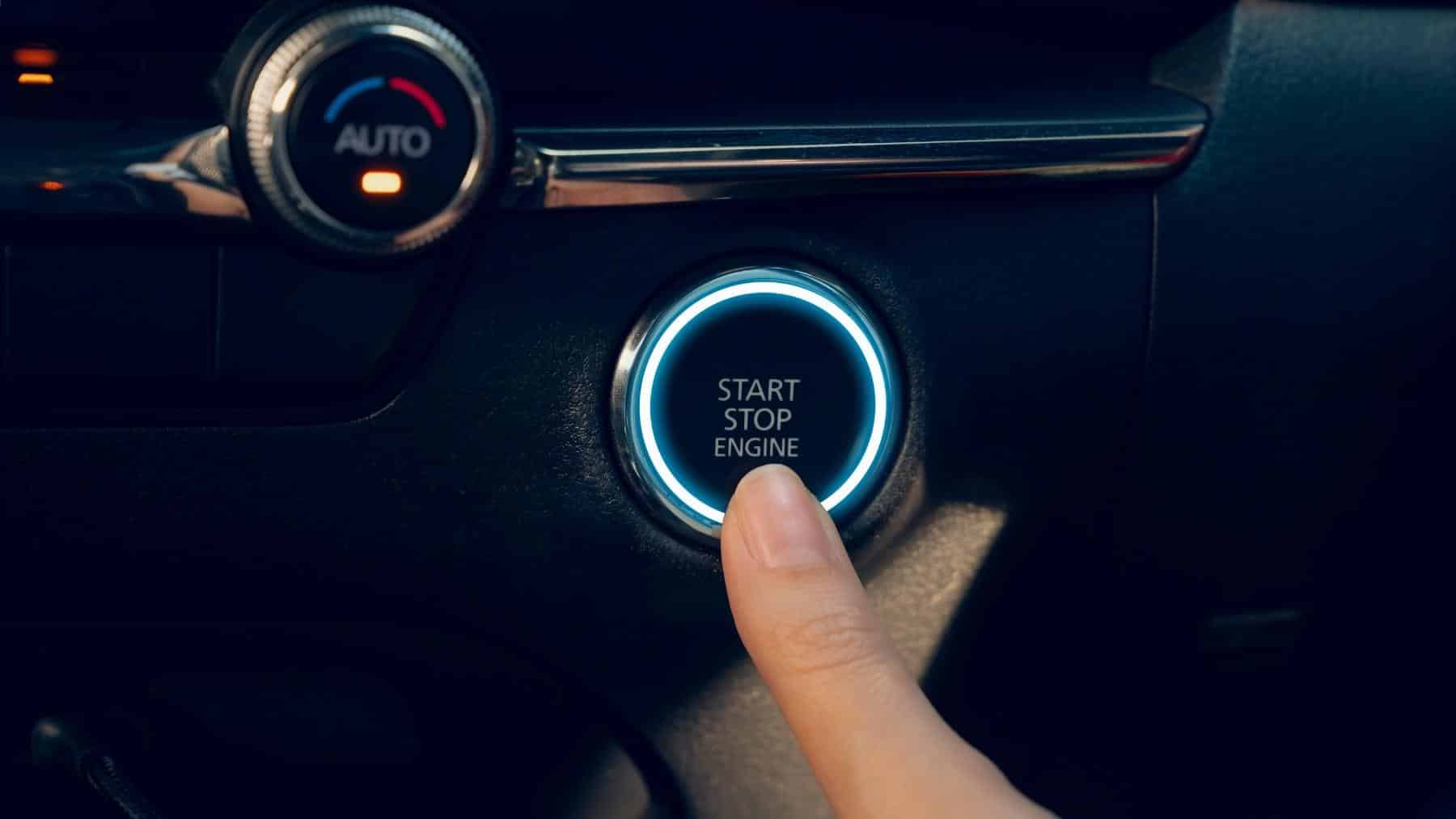

One of the most annoying things about modern vehicles may become far less common as the government incentive behind automatic start-stop ignition systems ends. The systems have caused ire amongst a potentially large — and certainly vocal — sub-section of drivers.
Indeed, that alleged dislike was highlighted by EPA Administrator and former New York gubernatorial candidate Lee Zeldin, as he announced the cancellation of the start-stop system’s incentives. Zeldin, who had previously described the start-stop system as the “Obama Switch,” said: “Automakers should not be forced to adopt or rewarded for technologies that are merely a climate participation trophy with no measurable pollution reductions.
“Consumer choice is a top priority for the Trump EPA, and we are proud to continue delivering commonsense rules for the American people.”
The EPA Administrator then went on to claim that the systems “kill your battery,” downplaying any environmental benefits the systems have.
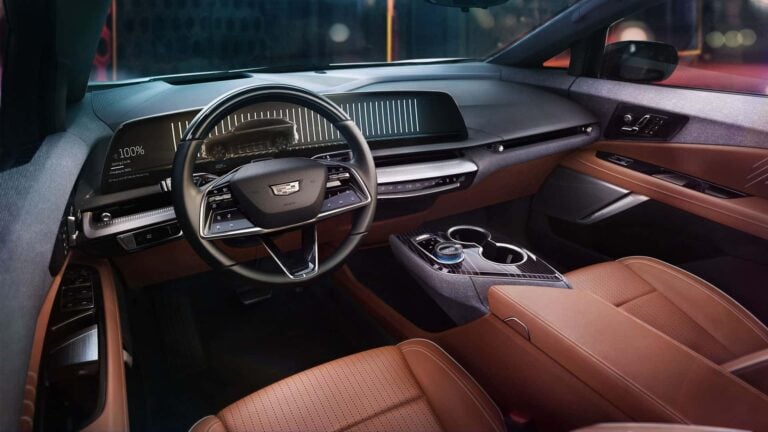
Frustration at start-stop systems is a fairly modern phenomenon, while the feature itself actually dates back to the 1970s. The system, which shuts off the engine when the brake is pressed and the car is stopped, then starts it again once the driver’s foot leaves the brake, was developed in response to the 1970s fuel crisis.
The systems became more common in response to the “The start-stop off-cycle credit” which was introduced by the Obama administration and has now been canceled by the Trump Administration’s EPA.
Are stop/start systems actually bad?
Despite Zeldin’s claims, start-stop systems do have a few benefits. Depending on how and where you drive your vehicle, they can cut fuel consumption by as much as 12%. The systems are particularly impactful in cities, as drivers tend to be stopped a lot. If you spend most of your time doing 60 to 80 miles per hour down a highway then the start-stop system will be less effective.
So, contrary to what Zeldin said, start-stop systems are environmentally beneficial. If you’re burning less fuel overall, then you’re producing fewer emissions. CO2 emissions alone could be reduced by 3% to 7% when these systems are used. Idling is also quieter, and in heavy traffic you don’t have scores of vehicles belching exhaust smoke into the air, so it makes cities more pleasant to walk around.
Even if you don’t care about the environment in the slightest, you’re still saving money. The average American spends around $2,400 per year on gas, so a start-stop system could save you a couple of hundred bucks a year, or a few thousand over the lifetime of the vehicle.
As for alleged damage to the engine, start-stop impacts don’t tend to cause harm to modern engines. They don’t kick in until an engine is up to operating temperature, which means “cold start wear” is not a factor. Modern engines and lubricants tend to keep more oil in the upper engine too, which again massively drops the odds of a start-stop causing engine issues. The increased use of the starter motor isn’t too much of a problem either — modern starter motors are incredibly robust.
There are some negatives to a start-stop system
Zeldin may have had somewhat of a point with regards to battery impact. In addition to the juice needed to get the engine going again, all of the vehicle’s electrical components will be drawing from the battery while the engine is “off.”
Obviously, an engine that isn’t running can’t power an alternator. The discharging and recharging of batteries is what ultimately wears them down, so the start-stop system will cause more wear to a battery. With that being said, the AGM/EFB batteries that are used in vehicles with start-stop systems are rated for the same four to five years standard lead-acid batteries are.
However, to mitigate this, the engine management system is designed to disable the start-stop system if the battery drops below a certain level of charge. As battery damage is more severe when it’s too full or too empty, this tends to spare the cells from the worst of the damage. As an added benefit, you can be sure your battery has enough juice to start the engine again every time the system stops it.
Aside from negligible battery wear, there are some downsides to a start-stop system. Those AGM/EFB batteries the system requires are significantly more expensive to replace than standard car batteries. Often costing up to three times more.
Then there is a small amount of wear on other components. The repeated stopping and starting of the engine can wear out a vehicle’s motor mounts a little faster. Increased condensation in the exhaust can also cause the part to rust through quicker than it normally would. Older systems could also cause increased turbocharger wear, as shutting off the engine after the vehicle has been running hard can cause oil to essentially bake onto a hot turbocharger’s bearings. Modern vehicles usually install an electric pump to keep fluid flowing until the turbo cools, but it is something you should be aware of.
Even if your vehicle has a start-stop system, they can often be disabled by pressing a button on the dash. Unfortunately, there are no plans to stop cars whining at you if you don’t immediately buckle your seatbelt the second the vehicle starts moving. That particular nanny-like feature seems to be here to stay.