
Similar to robots, flying cars, and AI before it, solid-state batteries are coming — and coming faster than expected. It feels like one day we were marveling at Donut Lab’s first-ever production-car-focused solid-state battery and its seven-minute charge time, wondering how to make it possible, and the next day we are saying multiple carmakers will have solid-state battery tech by 2030.
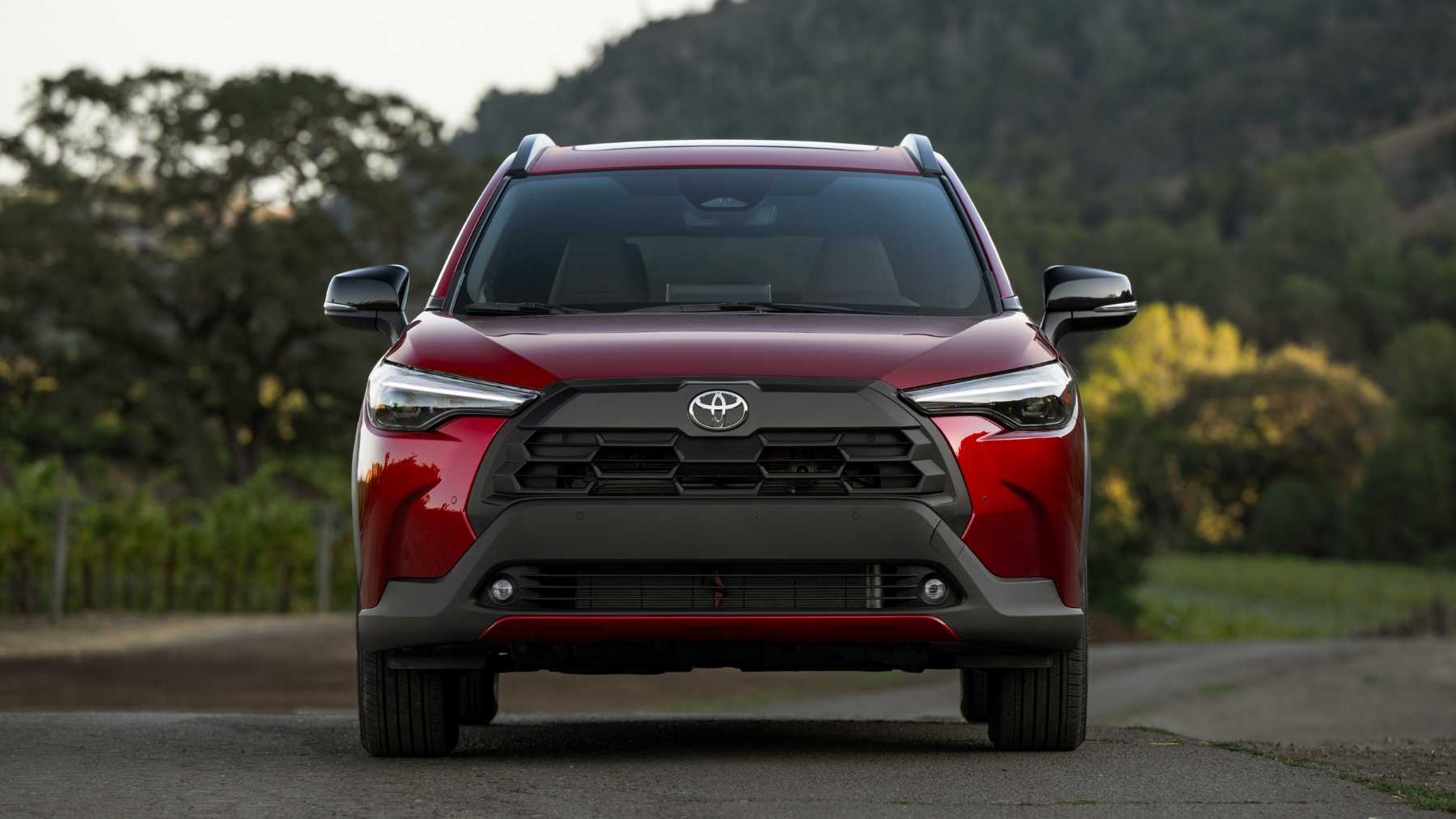
According to a report by Automotive News Europe, multiple automakers expect to equip production vehicles with solid-state batteries by 2027. This includes Stellantis and Toyota claiming they plan to have EVs with solid-state batteries in the next few years, and Nissan building a production plant in Yokohama for 2028.
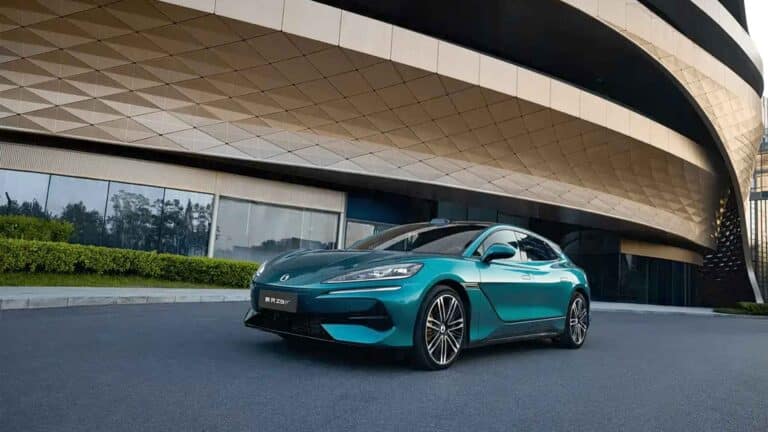
Of course, China’s BYD is planning to add solid-state batteries to its premium models in 2027 — and more by 2030 — along with AIC Motor and Nio. Chery Automotive is testing solid-state battery-powered EVs this year. Because, of course, China has to be first.
“This means there is now an ‘arms race’ to see who gets SSBs to market the fastest and most successfully,” Gartner Vice President of Research Pedro Pacheco told Automotive News Europe.

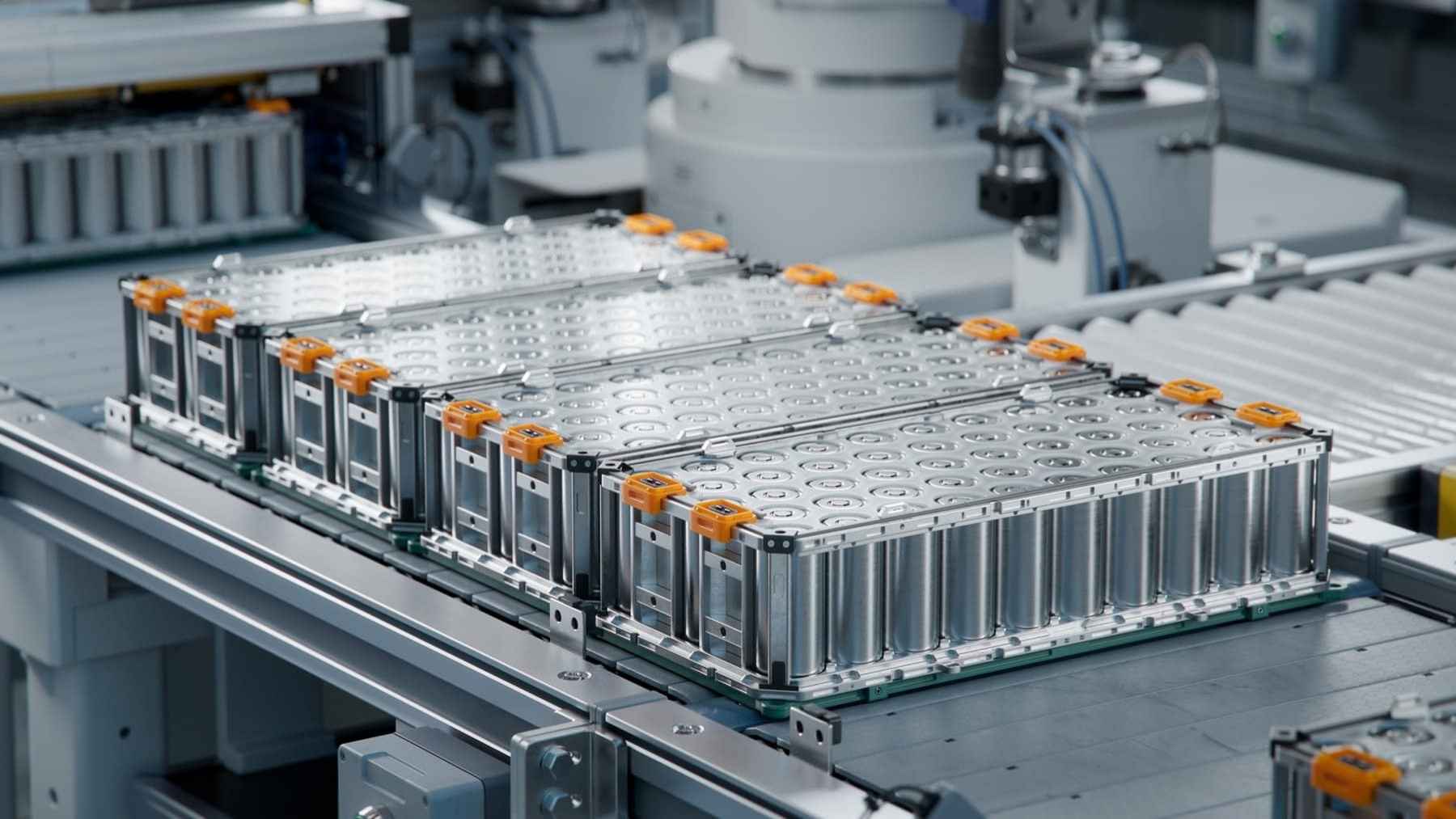
Solid-state batteries use solid electrolytes instead of the liquid electrolytes found in conventional lithium-ion batteries, meaning they can charge faster and no fire risk. It seems like a no-brainer to use solid-state batteries in electric vehicles, hence the aggressive race to bring the technology to production vehicles. However, solid-state batteries are extremely costly to manufacture and automakers struggle to scale up the production.
The future of solid-state batteries includes killing diesel cars
Automotive News has some interesting insight into the future of solid-state batteries. Before 2030, there may be limited volumes of solid-state battery-powered electric vehicles. Maybe 50,000 per automaker due to the production costs.
By 2030, there may be “more mature” solid-state battery technology, allowing automakers to add the new battery to luxury vehicles and higher trims. Then, in 2035, there could be competition between the “wet” and “dry” electrolyte batteries, with solid-state batteries entering mass production.
At this point, diesel would probably be completely obsolete. Diesel has already become a pretty rare fuel source due to stricter emissions regulations, but some carmakers still see the benefit in diesel-powered cars due to the long range they provide. Stellantis, for example, has been planning to release more diesel vehicles into Europe, despite a lot of laws against the fuel source, because it’s a cheaper way to compete with China and it’s constant flow of affordable EVs.
However, solid-state batteries are said to offer over 621 miles in rage off of a single charge. Said Gartner Vice President of Research Pedro Pacheco: “This means you can have a battery in a small city car with high energy density or in a bigger vehicle with major driving range.”
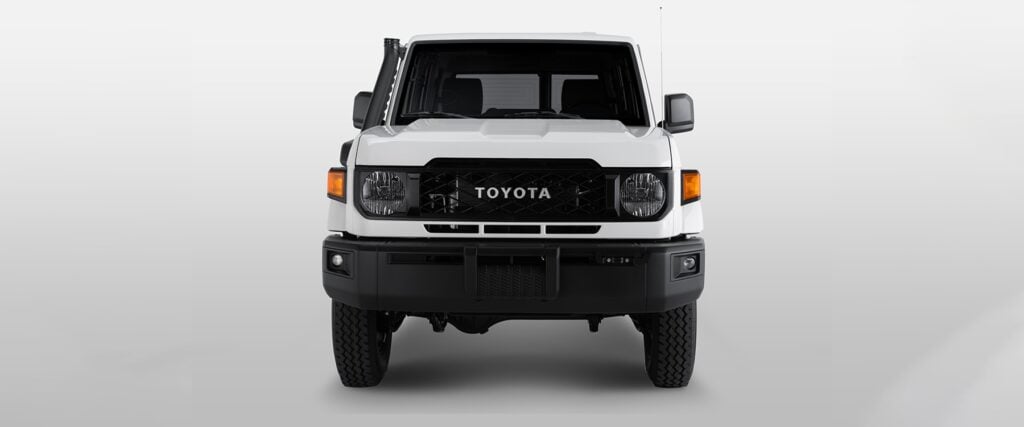
While there are some diesel vehicles that can surpass this — the Toyota LandCruiser Prado 150 Series gets about 870 miles thanks to its turbo-diesel engine — solid-state battery-powered electric vehicles will likely reach this range very soon. And they’ll do it while being better for the environment, fitting stricter emissions regulations, and probably being cheaper if you’re getting them from China. The technology will be more abundant than diesel in a few years as well, making it harder for carmakers to justify their last-remaining diesel vehicles.
Right now, this gas versus electric battle feels focused on extremes. But in 2030, this will be a reality that carmakers have to face since this range will be the average for EVs with solid-state batteries. The benefits of diesel will seem further and far between than they already do now.