The average lifespan of a car in the United States is 12 to 15 years, or 150,000–200,000 miles (my Corolla would scoff at these numbers). However, cars have a much shorter lifespan in colder states that experience winter weather — and that’s largely due to road salt.
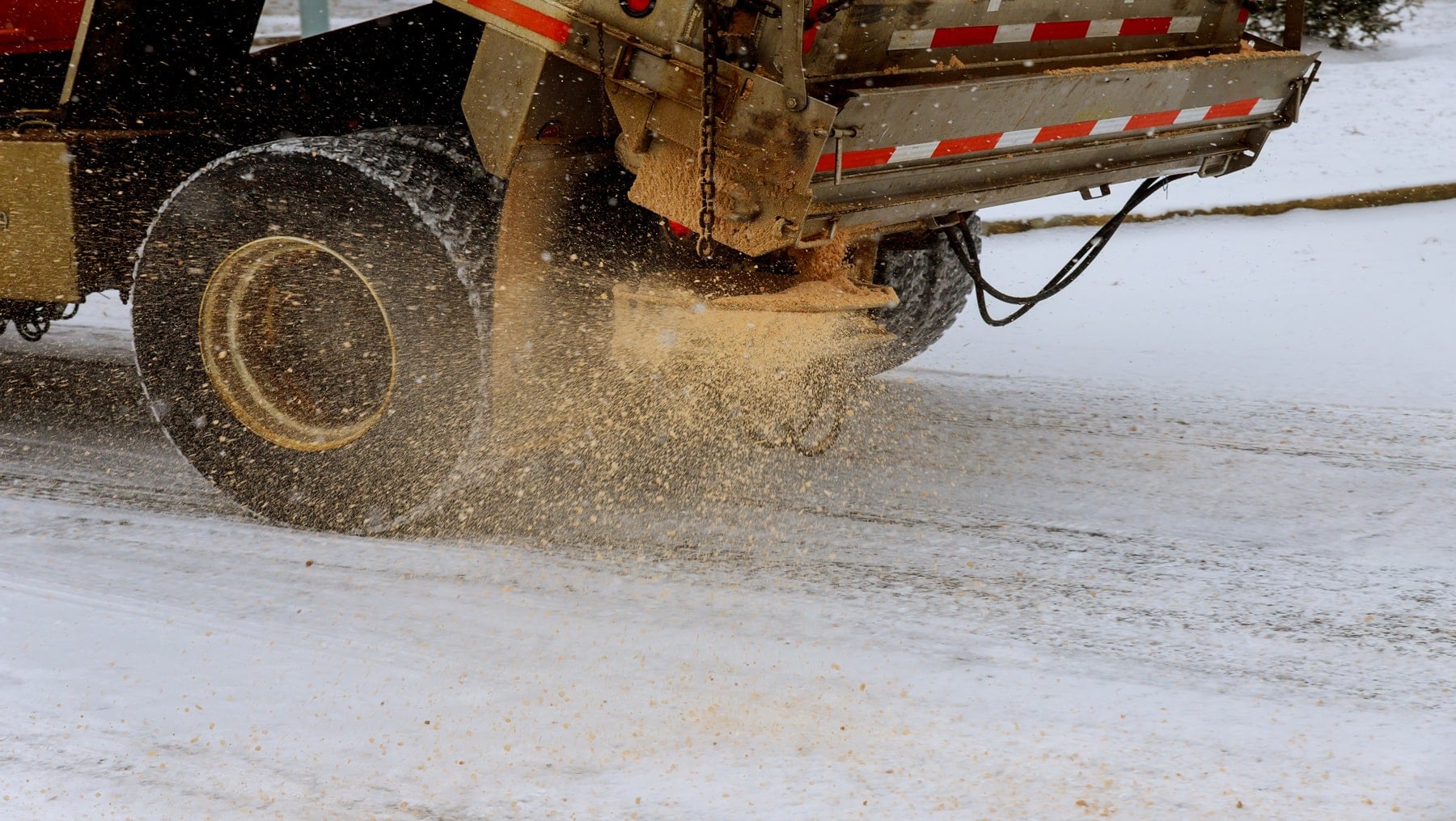
Road salt, primarily sodium chloride, is used during winter to de-ice roads and bridges. By melting ice and preventing new ice from forming, road salt makes driving in cold weather much safer. And if you live in New England, this apparently means you can speed on winding back roads to get a cup of Dunkin’ coffee during an active snowstorm.
While road salt can save human lives, it can slowly kill cars by rusting their undercarriages.
“Salt damage is easy to miss because it happens underneath the vehicle,” said AAA The Auto Club Group spokesperson Adrienne Woodland. “Even with today’s corrosion-resistant designs, the undercarriage is still vulnerable. And because corrosion is considered normal wear and tear, it’s usually not covered by insurance.”
Road salt is highly corrosive, especially when mixed with moisture, which accelerates the oxidation process. Over time, it will accumulate on the car’s undercarriage, clinging to components like the brake lines and suspension, causing rust and deterioration. The rapid rusting can corrode, weaken, and eventually break metal parts, including brake rotors, suspension components, and exhaust systems. Your car’s paint can also become discolored and damaged if the salt crystals aren’t removed.
Check out this gnarly image of a car in Upstate New York that my colleague showed me. Trigger warning for horrifying rust content:
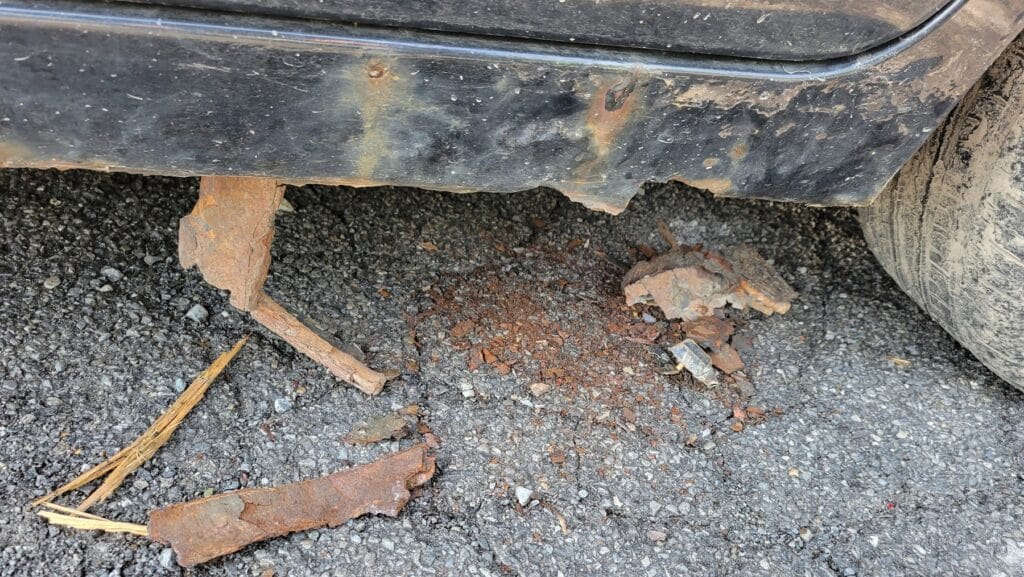
Oh, and don’t think you’re safe from this nightmare if you have an electric vehicle. In fact, it could be even worse. Since battery packs, cooling lines, and electronics are all sitting low in the chassis, they are very sensitive to corrosion. Things like charging ports and aluminum battery housings can actually corrode even faster than their gas-powered equivalents in ICE vehicles. So you’ll need to take the following advice too.
How to protect your car against road salt damage
While it can be concerning to drive on salted, wet roads throughout the winter months, you can protect your car from damage or accelerated rust.
The most important thing to remember is to wash your car frequently. Salt, snow, and ice won’t accumulate if you get regular car washes that focus on the undercarriage. Most car enthusiasts will recommend a wash every one to two weeks during the winter months. Try removing any clinging salt and snow you see before the wash to protect the paint. All this washing may seem excessive, but it’s better than the alternative: spending thousands of dollars to replace rusted and damaged components in your car.
You can also take some preventative measures if you are extra worried about unpredictable weather. Get your car waxed to protect its paint against road salt. Cover your windshield wiper blades to avoid scratching the windshield. Reduce the amount of driving you have to do if possible and avoid parking near snowbanks.
EV owners should look into coating that will protect against corrosion, regularly check that charging ports are dry and salt-free, and routinely inspect sensors and wires. You might also want to park inside if you have that option.
“Winter road salt is one of the most overlooked threats to EV longevity,” Woodland said. “Protecting the battery and electronics is essential.”
This is one of many reasons I’d say moving to California from Connecticut was a W for me. I will never miss driving in winter storms or dealing with the aftermath. For those of you who don’t choose to live in a state with snow, you’ll never know the pain of preheating your car, scraping the windshield, removing all of the snow from the roof, and shoveling the driveway. And don’t forget driving on slippery, salt-filled roads. All of this just to get to work.
Let’s not mention the wear and tear of city driving and long commutes. I’m still taking this as a win after seeing that rusted car image.