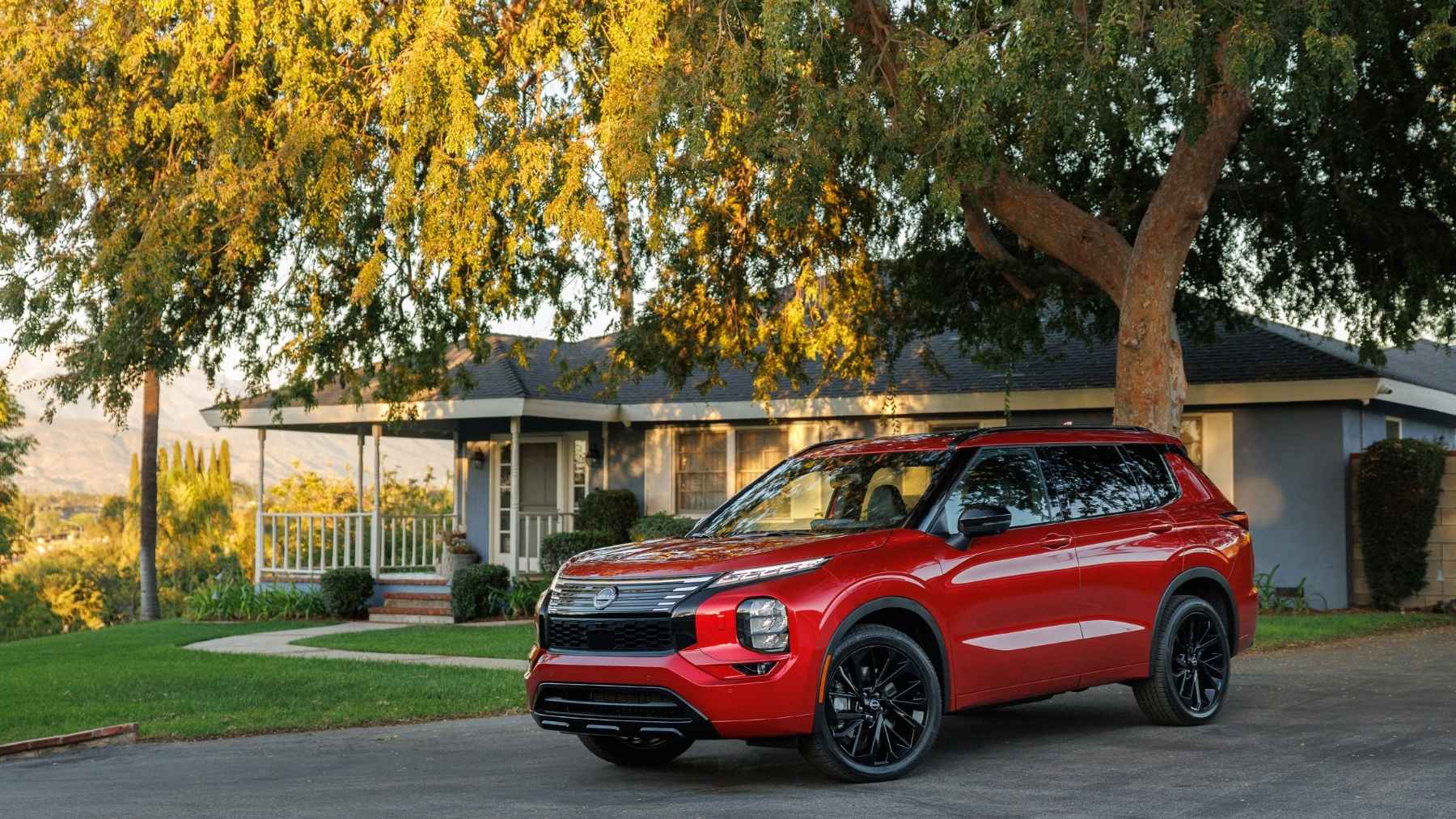

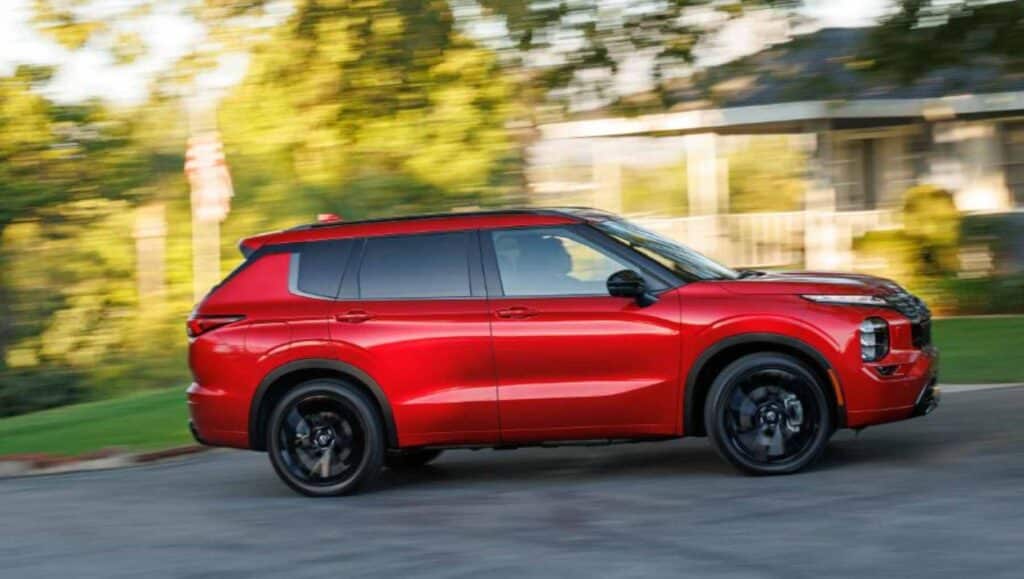
Nissan has announced pricing for the 2026 Nissan Rogue Plug-in Hybrid. The popular crossover, which features 38 miles of all-electric range and can hit up to 64 MPGe when driven with a full charge and fuel in the tank, has a starting MSRP of $45,990.
The Japanese automaker says drivers can expect up to 420 miles of driving range from the vehicle, which boasts 248 horsepower and 322 lb-ft of torque. Intelligent All-Wheel Drive is also included as standard, as is the Nissan Safety Shield 360 suite of drivers’ aids.
While the Rogue Plug-in Hybrid SL AWD comes in at $45,990, there is also the option of splashing out an additional $4,000 on the Rogue Plug-in Hybrid Platinum AWD trim.
The Platinum trim includes everything the SL trim offers, plus a 10-inch head-up display, a Bose nine-speaker sound system, a power panoramic sunroof, heated rear seats, and leather-appointed seating. No further trims have been announced.
Nissan is pivoting away from EVs and towards the Rogue Plug-in Hybrid
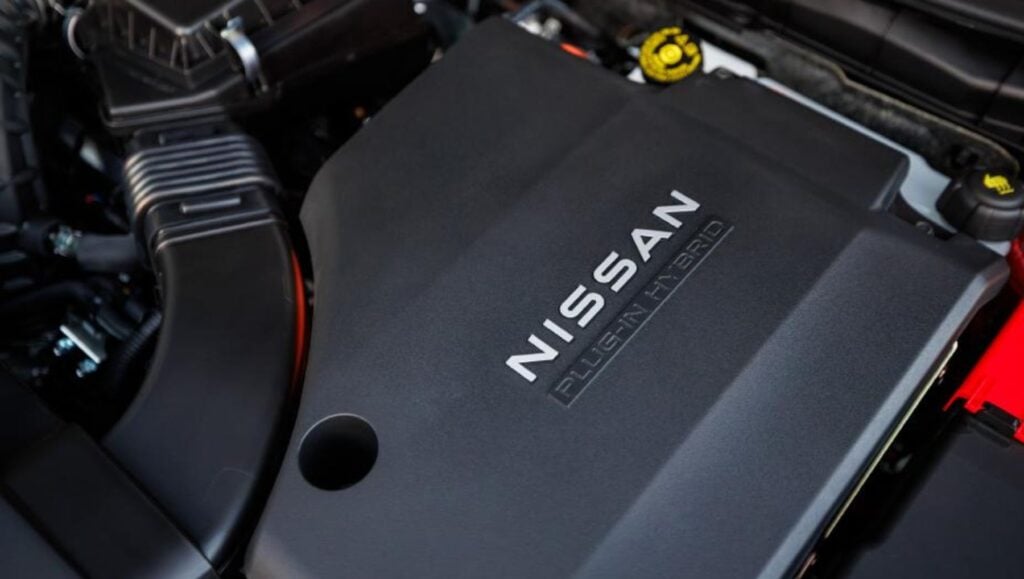
Despite being one of the pioneers of the current EV era, Nissan is pivoting away from electric vehicles. The Japanese company is instead shifting some focus onto hybrids and ICE cars, including the likes of the Nissan Rogue Plug-in Hybrid and the 2027 Rogue Hybrid e‑POWER, which is coming later this year.
According to Automotive News, the company is making the shift in light of changing regulations in the U.S and Europe. Which makes sense. Over the last couple of years, the current U.S. administration has ditched multiple EV mandates, financial incentives, and toned down wider emissions laws.
The Japanese automaker had one of the first functional modern EVs on the market, with the Nissan Leaf making its debut back in 2010. Despite rolling out a pioneering electric compact car, Nissan was arguably left behind by the likes of Tesla, which went on to dominate, and, more recently, by Chinese companies like BYD, which have secured a large chunk of the European and Asian EV markets with an abundance of low-cost vehicles.
Nissan’s pivot is not unique, and not the end for EVs
Nissan’s change in direction comes at a time when consumer EV uptake is stagnating, global laws are changing, and other companies are performing similar adjustments. Ambitious projects, like flagship electric pickups from the likes of Ford with the F-150 Lightning and RAM with the 1500 REV, have been shelved. Tesla has dumped two of its vehicles, the Model S and Model X, to free up factory space for robot production.
Production targets have been torpedoed, with the likes of Audi no longer aiming to be “all electric” by 2033, and Volvo ditching a similar pledge by 2030.
There’s a lot to come from EVs as a platform. We’re a few years from solid state batteries hitting the mainstream, and those effectively double the range of an EV, or halve the weight of its battery pack, alongside other benefits. Then there’s the price, EVs are traditionally expensive, but pressure from cheaper Chinese EVs, along with consumer demand, has companies like Ford looking to drive prices down.
Numerous industry figures, including Volvo CEO Håkan Samuelsson, have predicted that EVs will soon be cheaper than ICE cars. Now we just need electricity prices to drop, so charging one is cheaper than a tank of gas again.