For the longest time, minivans have been mocked in the car community, seen as a bit lame in a country obsessed with monstrous SUVs and oversized trucks. Nobody wanted to be caught dead driving a minivan, not even soccer moms. What three-person family wants to be in a Dodge Grand Caravan when there are SUVs with five rows of seats, enough cargo space for a year-long camping expedition, the ability to tow over 8,300 pounds, and a cabin full of all of the ambient lighting, warmed-up seats, and screens you need to drive down the street?
As Americans continued to pine for excessive, oversized vehicles, the minivan just seemed inconvenient, ugly, incapable, and embarrassing. But now that millennials are the new soccer parents, they are having a change of heart. Last year, minivan sales rose 21% in the United States, with Edmunds reporting nearly 394,000 units sold. With millennial dads experiencing less feelings of toxic masculinity and even less money in this economy, minivans make a lot more sense than a massive six-figure SUV that takes up two parking spots at Trader Joe’s.
“Minivans currently hold a 2.4% market share, which is the highest level it’s been since 2019 when it was also at 2.4%,” said Edmunds Director of Insights Ivan Drury. “While still a relatively small segment overall, the recent increase reflects how competitive and well-rounded today’s minivans have become.”
Men are realizing the minivan is actually pretty cool
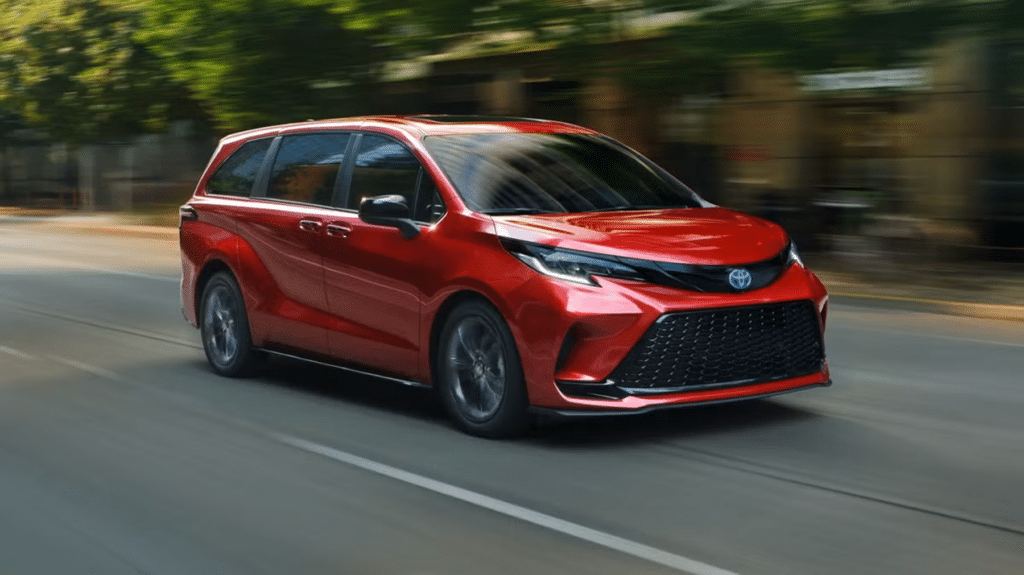
For millennial parents who need space for a growing family while still being conscious about fuel efficiency and cost, minivans fit the bill. Especially ones with off-road tires, overlanding tents, and other off-roading extras.
And it’s not just any millennial buying these minivans — we’re talking about male millennials. Dudes just want a comfortable family car that can handle a weekend getaway and have those sweet center row captain’s chairs.
“This is attracting a new buyer to the minivan segment, predominantly men around 40 years old,” Chrysler president Chris Feuell told Automotive News. “They said, ‘Finally, we’re seeing a minivan that’s attractive to me.'”
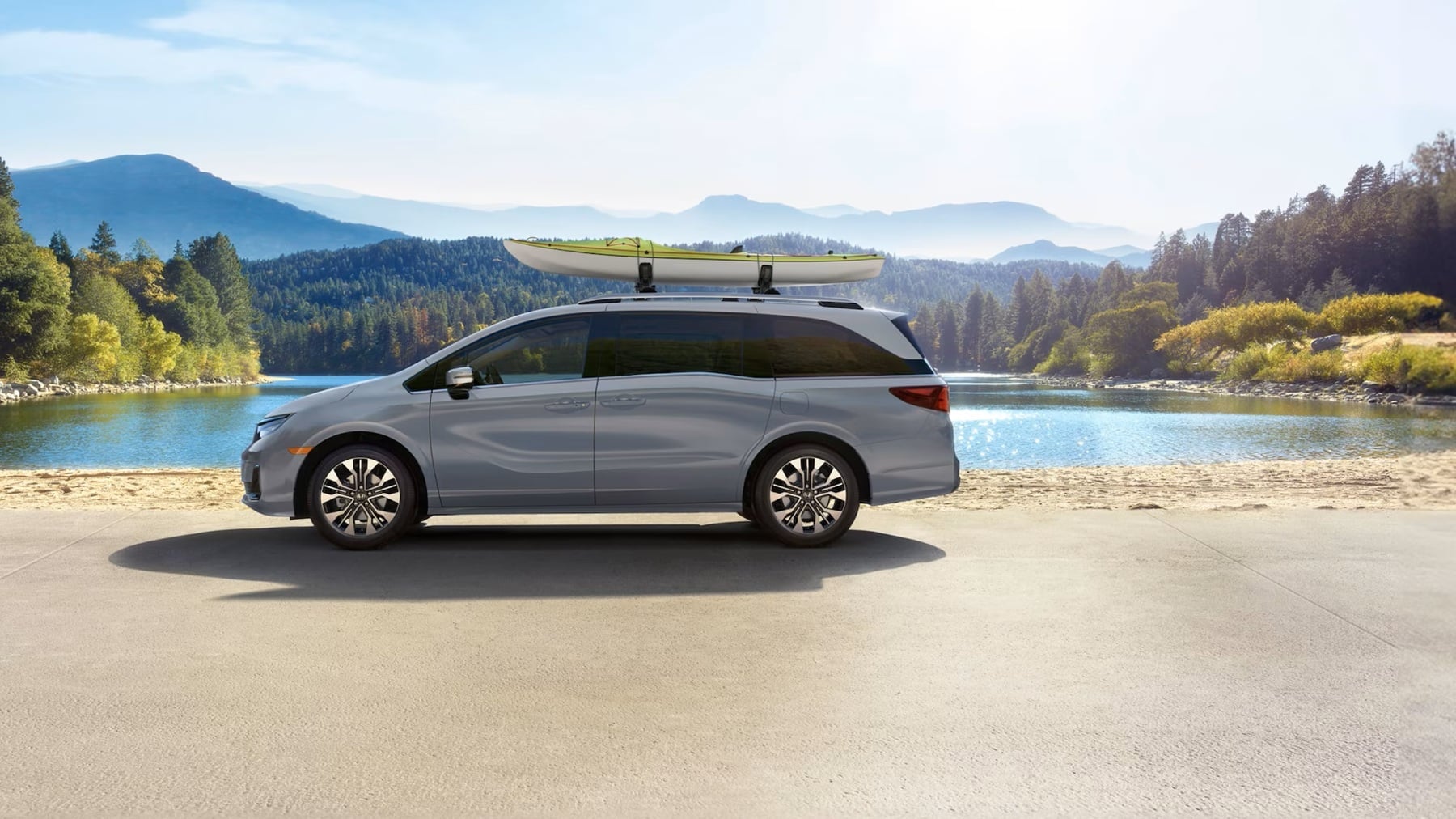
The Chrysler Pacifica has become one of the most desired minivans in the United States, selling 110,006 units in 2025. The Chrysler Voyager saw a 41% year-over-year sales increase, selling 15,792 units. Over at Toyota, the Sienna sold 101,486 units, a 35% increase, with dudes choosing it over the competition due to its all-wheel-drive capabilities for camping. Despite no major updates, the Honda Odyssey saw a 10.2% spike last year, reaching 88,462 sales. This is its best year since 2019. The bros are loving the Honda Odyssey, which sold for an average $43,300 last year.
Compare that to the big three-row SUVs, which have continued to skyrocket in cost over the past few years. Auto News recently reported that three-row SUVs actually had the largest average price increase in Canada last year at 8%. If you’re no longer afraid of seeming wimpy for not getting a 6,400-pound, $100,000 Cadillac Escalade for your drive to school, a minivan seems a lot more practical at this point.
As the average price of a new car continues to increase, minivans are looking cooler and cooler. For a generation that grew up fighting against social norms, maybe the minivan can even be seen as the emo alternative to preppy culture. And you don’t need a GMC Yukon XL to blast Silverstein and Hawthorne Heights on the way to work.