
- Mercedes-Benz losing 57% of its operating profit in a single year isn't just a European problem — it's a preview of what's coming for every automaker doing business in the US, domestic or not.
- The real stunner buried in these numbers is that even the most American brands aren't safe: Ford ate a $2 billion tariff bill, GM is bracing for $4 billion in 2026, and China's BYD quietly outsold Ford while everyone was busy complaining about trade policy.
- If you're planning to buy a new car in the next two years, every one of these billions is eventually landing on your window sticker — and the gap between what Detroit charges and what Beijing can deliver is only getting wider.
Another day, another carmaker admitting that the tariffs are killing the vibe — and earnings.
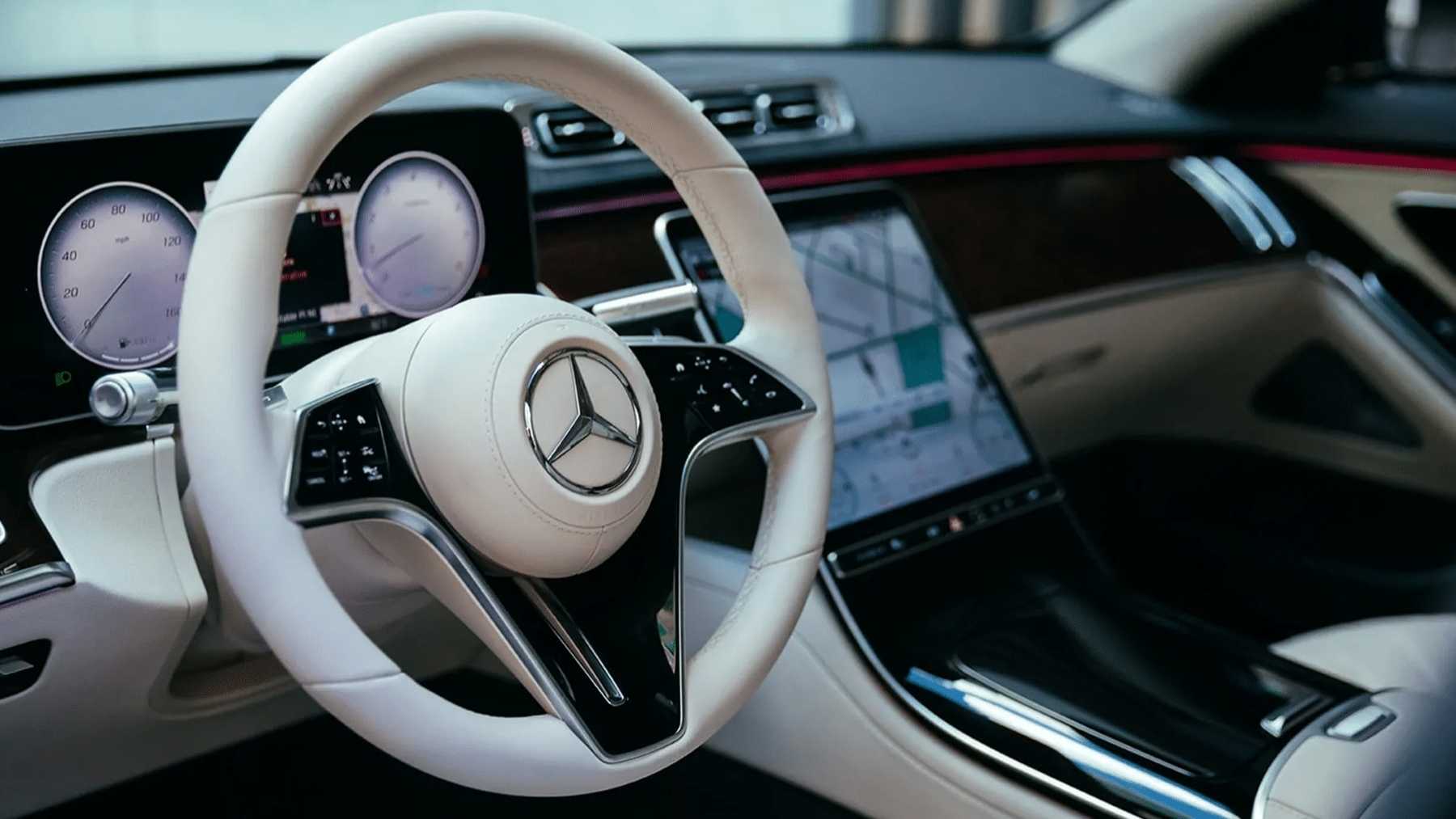
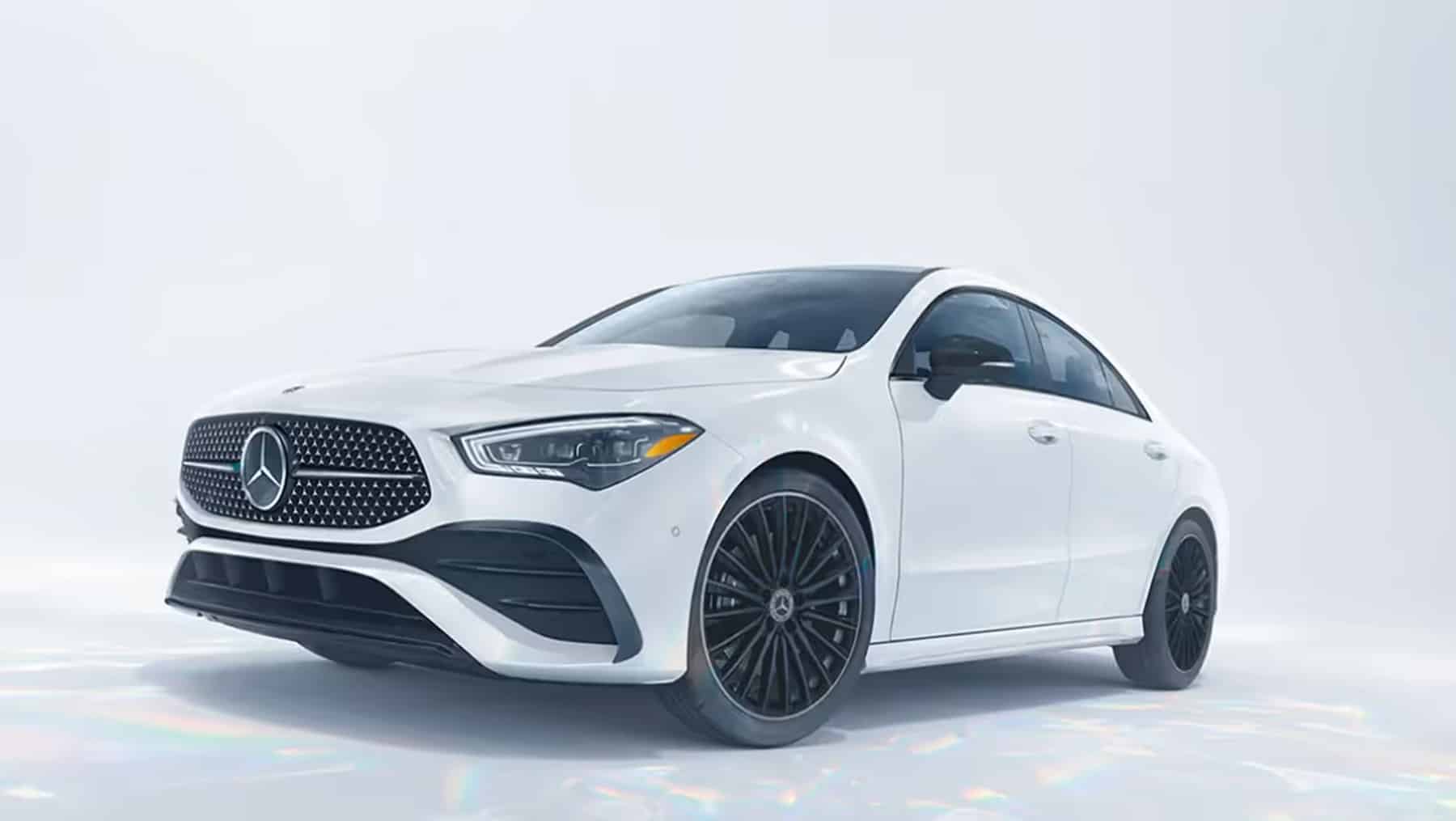
Mercedes-Benz announced earlier this week that its 2025 earnings were slashed by more than half due to the $1.2 billion hit it took in tariffs. The full-year operating profit was $6.9 billion, a 57% drop from 2024.
To nobody’s surprise, Mercedes put the blame on Donald Trump’s tariffs. European automakers — Mercedes-Benz, Volkswagen, BMW — currently face a 15% import tariff on vehicles. This equated to more than $1.2 billion in tariffs for Mercedes in 2025.
To combat the astronomical fees, Mercedes stated that it plans to implement additional cost-cutting measures in 2026. It will also be launching a few new vehicles, part of its goal of releasing 40 new vehicles in three years. Continued innovations haven’t proven successful against tariffs just yet, but the automaker has hope.

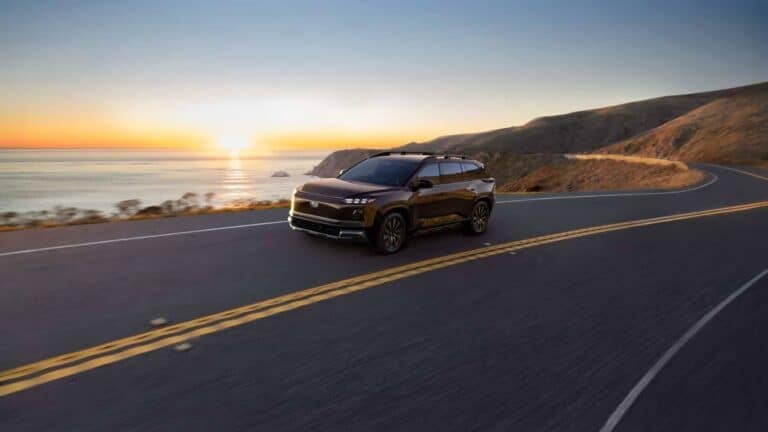
“Amid a dynamic market environment, our financial results remained within our guidance, thanks to our sharp focus on efficiency, speed, and flexibility. Now we are all set for 2026,” Ola Kaellenius, Chief Executive of Mercedes-Benz Group AG, said in a statement regarding the issue.
Donald Trump’s tariffs give China the upperhand
President Trump originally planned a 25% tariff on vehicles for April 2025. He mentioned he “couldn’t care less” if it raised car prices, according to BBC, congratulating carmakers who make vehicles in the United States.
“If you make your car in the United States, you’re going to make a lot of money,” he said. “If you don’t, you’re going to have to probably come to the United States, because if you make your car in the United States, there is no tariff.”
Of course, this hasn’t proven to be true. While foreign automakers have definitely felt the pain of Trump’s steep tariffs — even having to give up fancy leather stitching to save money wherever possible — those that have American factories are also struggling. Many materials these factories need to import are had extreme tariffs slapped on them.
General Motors reported a $3.1 billion tariff charge in 2025 and is already expecting upward of $4 billion in 2026 — even with an increase in US vehicle production. Meanwhile, Nissan has plans to increase domestic production but is predicting a $2 billion hit this year anyway. The most American company of them all, Ford, was hit with a $2 billion bill last year and expects the same in 2026.
On top of a $2 billion tariff fee, Ford struggled with a disruption in aluminum. To add insult to injury, China’s BYD outsold Ford in 2025. In an attempt to keep up with China, Ford has announced a 2027 lineup of electric vehicles under $40,000. While cheaper than its failed Ford F-150 Lightning, these vehicles are still nowhere near hitting the $18,000 price point of China’s viral electric pickup. And it doesn’t seem like China will be able to ever get that low — not when it’s dealing with Trump’s astronomical tariffs.
The continued isolation of the United States car market has not proven to have that much success in terms of carmaker earnings or Americans saving. In fact, both are losing. Bigly.