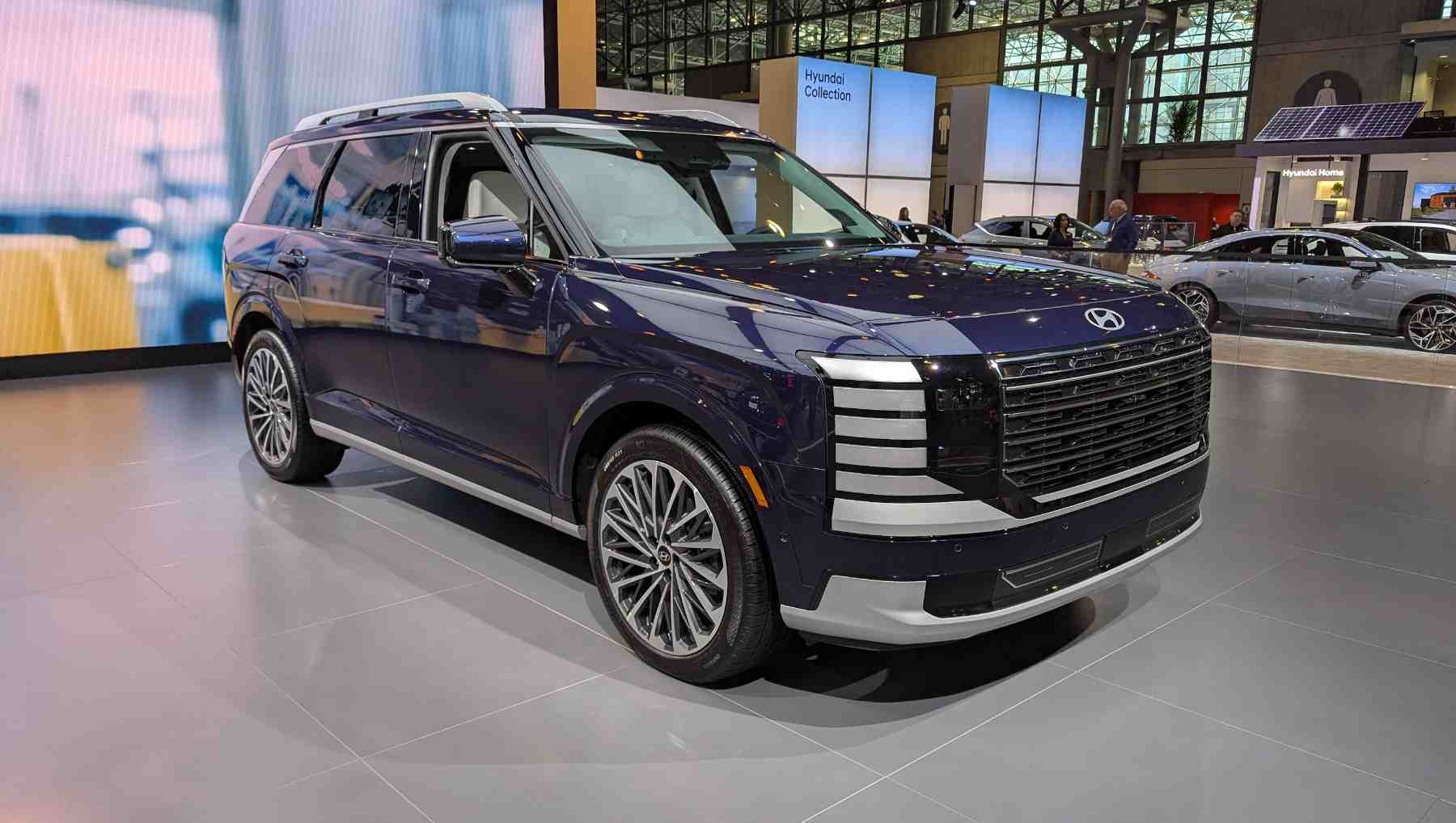
Hyundai has just swept the SUV segment of the 2026 PARENTS Best Family Cars Awards, and it’s easy to see why. The South Korean manufacturer’s vehicles are affordable, its EVs are innovative, reliability is solid these days, and the overall quality of Hyundai has improved drastically in the past few years. That’s very hard to beat, however, there are still alternatives.
A total of four categories awarded gongs to Hyundai. “Best Electric 5-Passenger Vehicle” went to the IONIQ 5, the IONIQ 9 won “Best 3-Row EV,” the Palisade snagged “Best Mid-Size 3-Row SUV,” and the Palisade Hybrid picked up the “Best Hybrid SUV” award.
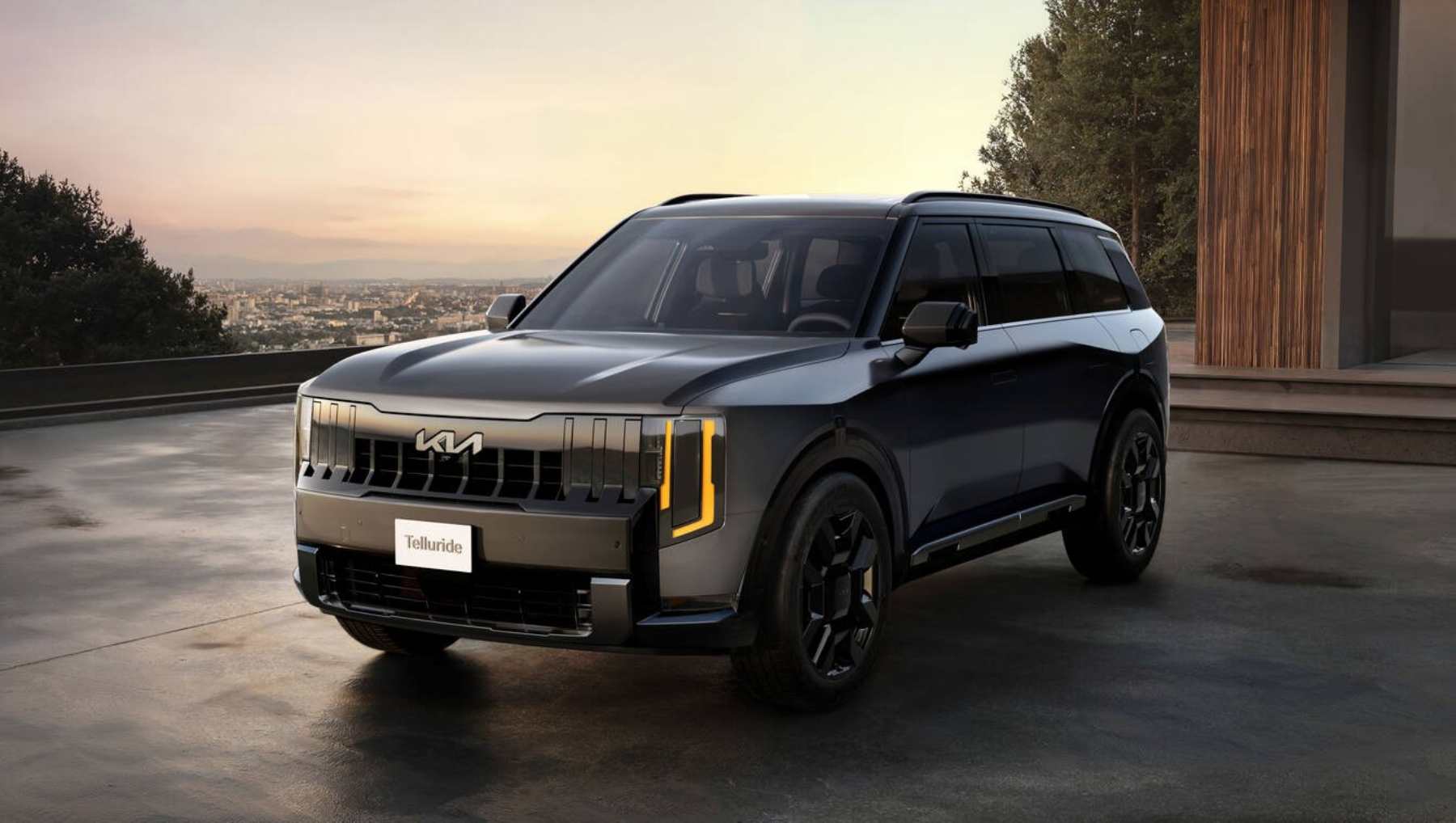
The elephant in the room is Kia. It’s essentially the junior partner in the Kia/Hyundai/Genesis family, and traditionally offers sportier, less-polished versions of Hyundai’s vehicles at a cheaper price. So if you wanted a cheap IONIQ 5, you’d get a Kia EV6. A more affordable IONIQ 9 is the Kia EV9. The Telluride was a cheaper, less refined, Palisade, though this dynamic is set to change with the latest model. But you get the overall idea.
So for the purposes of this piece, Kia doesn’t count.
The Hyundai Palisade is solid, but alternatives do exist
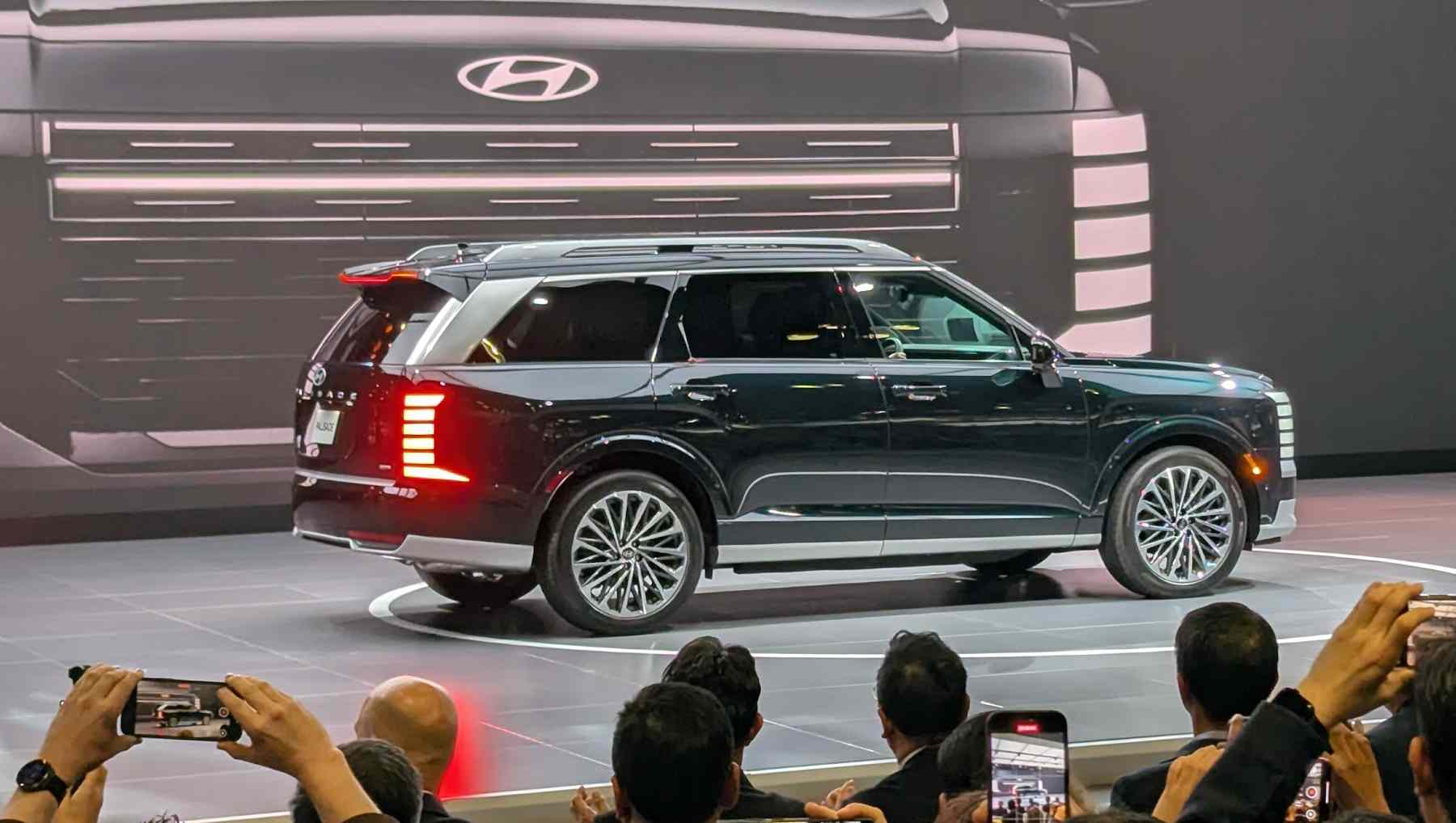
When it comes to ICE and Hybrid SUVs, it’s hard to look past the Hyundai Palisade. It’s immensely practical, the interior has a premium feel, and its retro-futuristic exterior makes the three-row SUV one of the most interesting looking things on the road. But you do still have alternatives.
If you value practicality over comfort, then the Honda Pilot might be a better option than the Palisade. Yes, Honda’s interior is nowhere near as polished, and Hyundai clearly wins when it comes to infotainment. But you do get significantly more cargo space, close to 112 cubic feet in total compared to the Palisade’s 86.7. That extra space also means the folks in the back row will be that little bit more comfortable. If off-roading is a consideration, Honda wins here too.
A Pilot TrailSport comes with a 1-inch lift, a torque-vectoring AWD system, and steel skid plates protecting everything vital. The Palisade’s off-roading trim (the XRT Pro) is mostly cosmetic. With regards to most of the other specs, they’ve pretty much got the same amount of power, same fuel economy, and while Honda has a better reputation for reliability than Hyundai, the South Korean vehicle comes with a decade-long/100,000 mile powertrain warranty that should sooth any fears
When it comes to the “hybrid SUV” category, we can get a little looser. If you’re happy to surrender some size, then the Toyota RAV4 is the best selling vehicle in the United States for a good reason. With that being said, it’s very hard to get hold of a RAV4. Alternatives do exist, with the Mazda CX-50 being a particular favorite of mine.
If you think size does matter, then the Toyota Grand Highlander Hybrid is arguably a better pick than the Hyundai Palisade. It comes with more cargo space (97.5 cubic feet vs the aforementioned 86.7 for the Palisade), and a choice between more power with the 362-horsepower option or more MPG than the Palisade with the more efficient Grand Highlander getting 35. The Grand Highlander is also slightly cheaper than the Palisade,
The regular Highlander may enter the conversation, but that’s about to go all electric. Just like this article.
The EV battle against Hyundai is even closer
Hyundai does an outstanding job with EVs. Finding something to line up against the IONIQ 6 and IONIQ 9 (without just defaulting to the EV6 and EV9) is pretty tough, but it can be done.
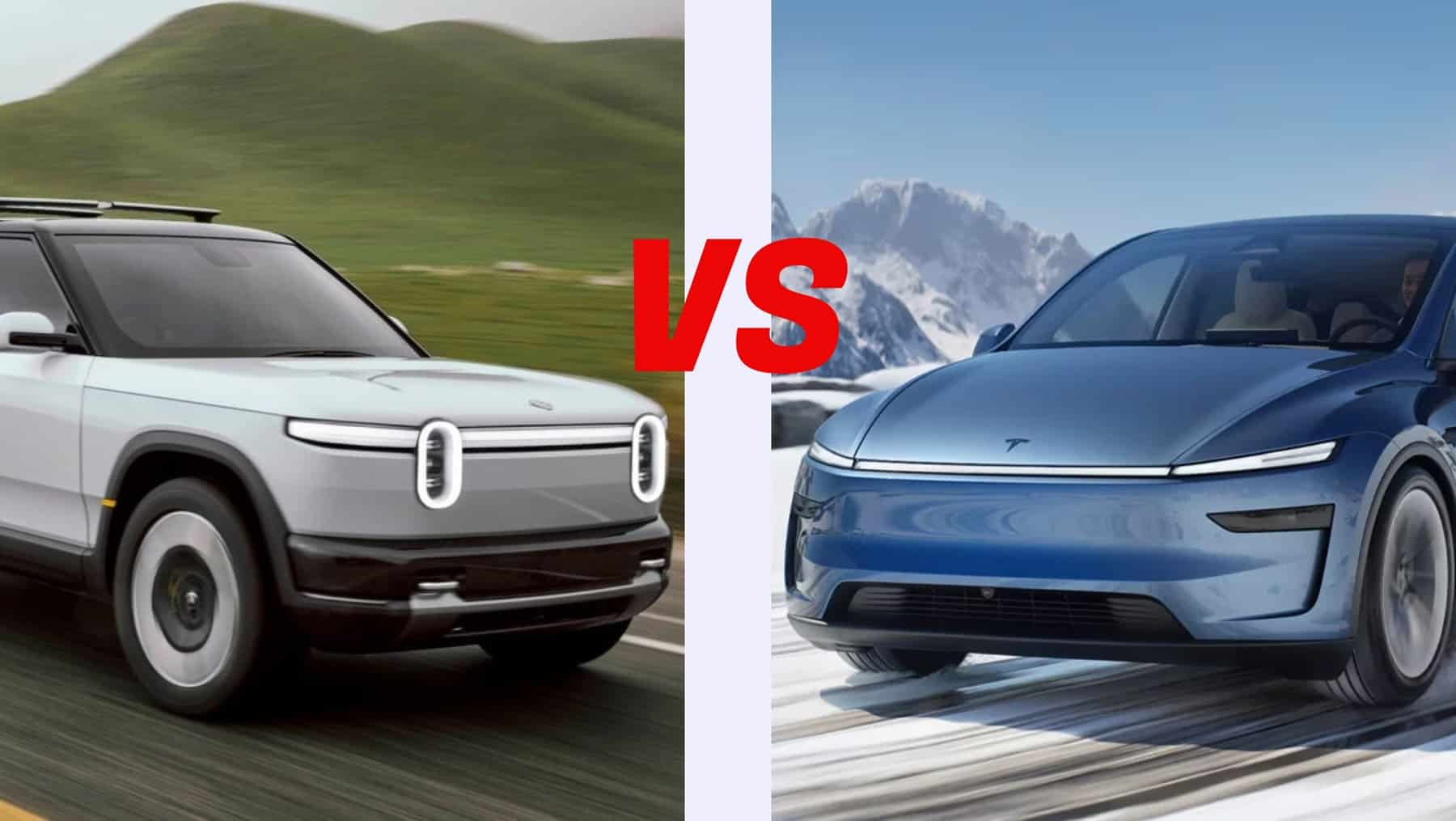
The obvious foil to the IONIQ 5 is the Tesla Model Y. It’s just received a bit of a redesign (the Juniper refresh) which adds missing features like ventilated seats in addition to improving the BEV’s ride quality. In addition to that you get more range from a Model Y (over 350 miles if you pick the correct trim) and cheap access to Tesla’s vast supercharging network. Tesla’s self-driving system is also superior to Hyundai’s, if that’s important, but does cost extra.
If you’re opposed to Tesla for whatever reason (Editor’s note: I can think of many reasons!), the Chevrolet Blazer EV offers a range of up to 324 miles, plenty of interior space, and access to GM’s frankly amazing SuperCruise Level 2 self-driving system.
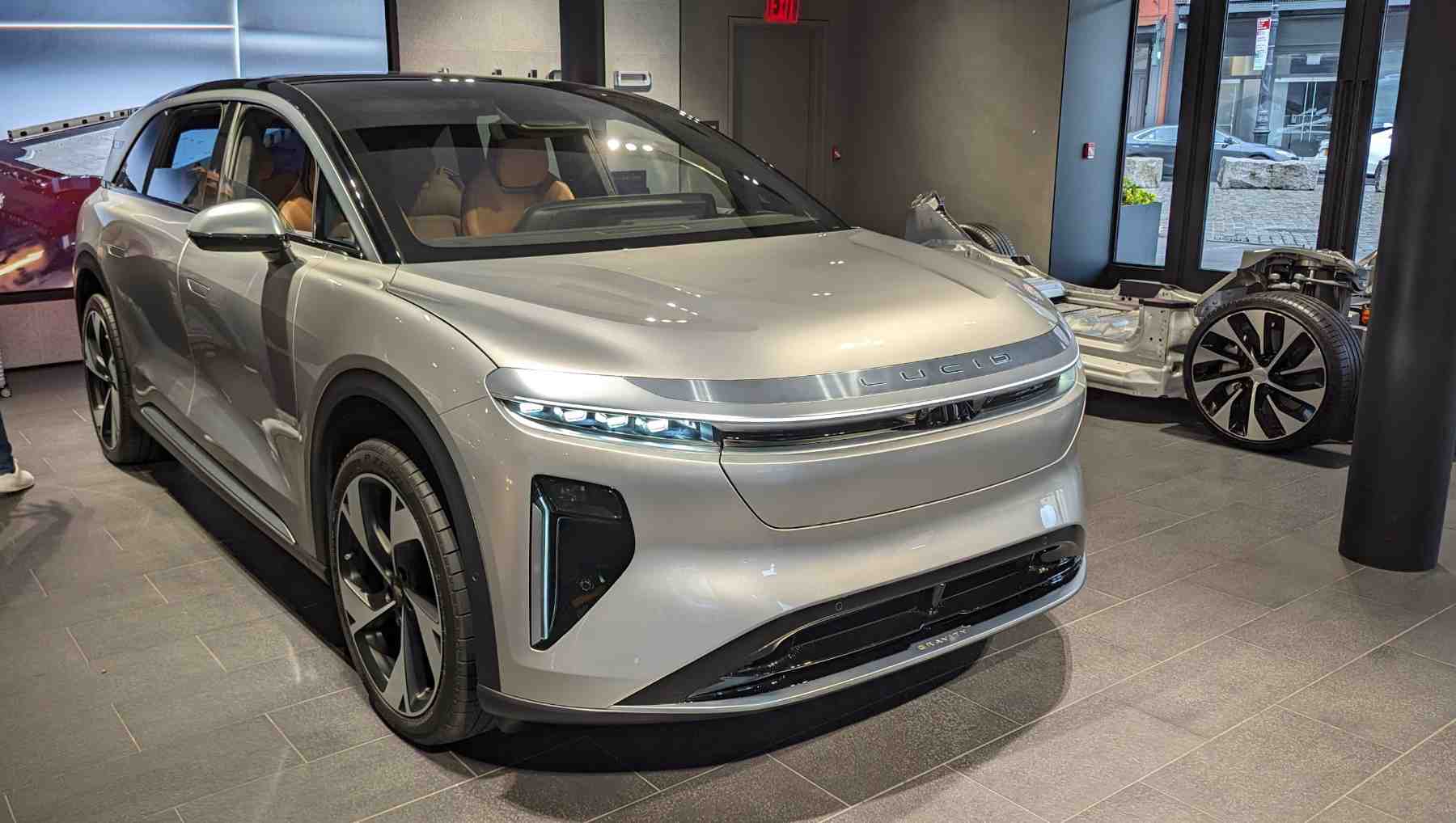
With the IONIQ 9, it’s hard to match the huge driving range, super-fast charging architecture, and reasonable pricing. You can opt for a Rivian R1S, which beats Hyundai’s efforts in most departments, but that’s significantly more expensive. The same can be said for the likes of the Cadillac Vistiq, Volvo EX90, and Lucid Gravity. The Mercedes Benz EQB and Volkswagen I.D. Buzz are similar in price, but one is a minivan that was messed up so badly they had to discontinue it, and the other is significantly smaller with a far shorter range (though far more luxurious).
However, if you need that price and size, the only thing that compares is the EV9. Hyundai has this particular segment pretty much nailed down. At least until Chinese EVs hit the market, anyway.