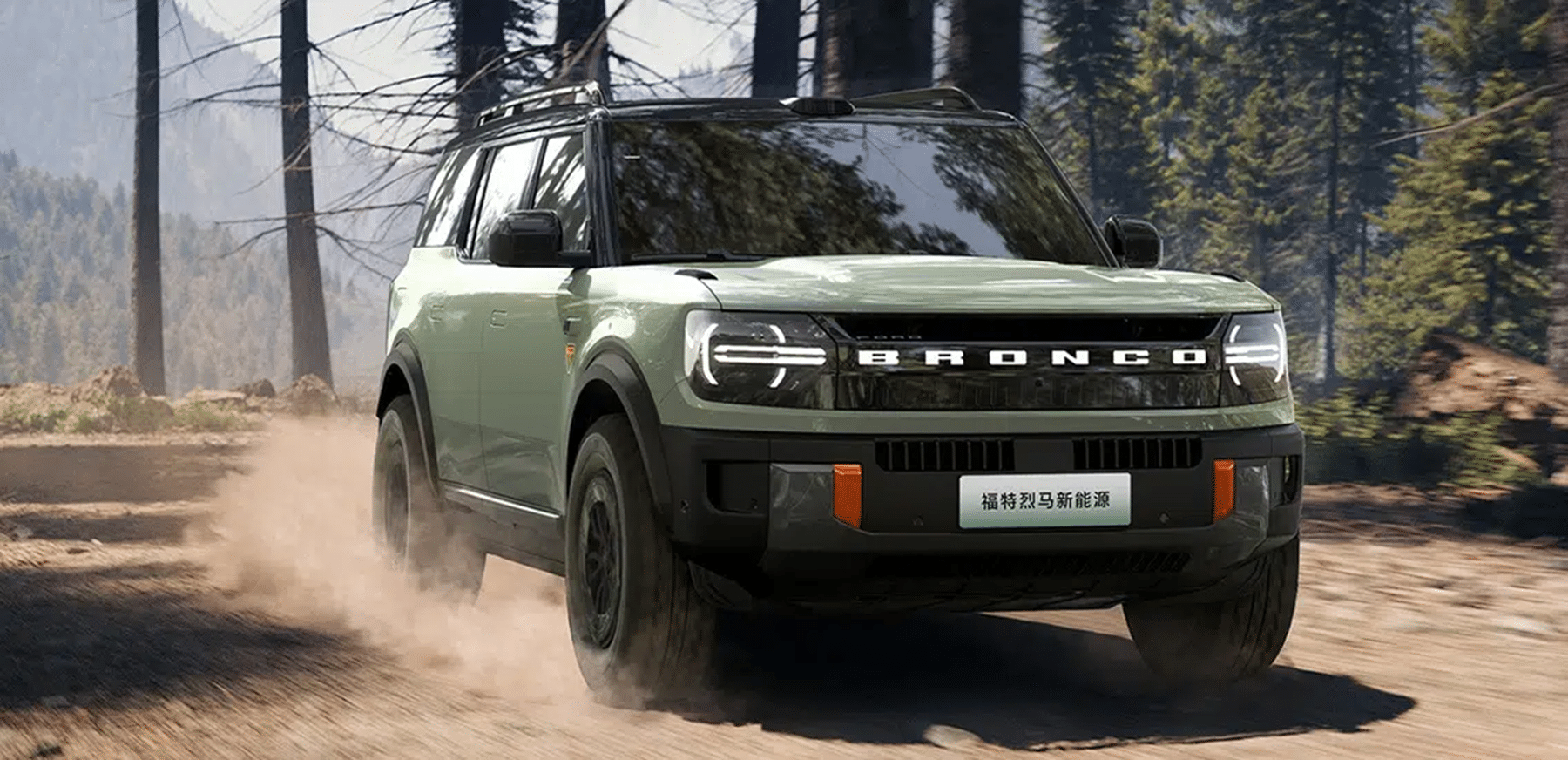
With China taking over the electric vehicle market with cheap, futuristic models, it is predictably only a matter of time before the United States gives up and invites the cars in. However, this invitation may come sooner than expected — thanks to Ford.
According to Bloomberg, Ford’s CEO, Jim Farley, has recently spoken with the Trump Administration about parting with Chinese EV makers. It’s a bit of an unexpected turn, since Ford has been the poster child of anti-China EV efforts in America. When giving a sneak peek of Ford’s new line of cost-effective EVs, including a $30,000 electric pickup, Farley tweeted: “American innovation is how we compete and win against China and the rest of the world.”
But with Chinese EVs reaching all-time low prices and spreading worldwide (including as close as Canada), “American innovation” may not be enough after all.
Ford wants to team up with Chinese EV automakers
The United States has de-facto banned Chinese vehicles from its soil with 100% tariffs and strict regulations that make it nearly impossible. This has left Americans (including automakers) to look on as the rest of the world gets dirt-cheap EVs that can successfully parallel park themselves.
But now Ford has put up the white flag and reportedly discussed partnering with Chinese EV brands to build vehicles in the United States. This would allow Chinese automakers to build vehicles through joint ventures with domestic brands, expanding the country’s market into the American market. The plan is to have both partners share in the technology and profits. The report states that discussions are still in the early stages and nothing has been finalized.
While Ford has allegedly been talking to various people about bringing Chinese EV tech to the United States since the Detroit Auto Show in January 2026, including US Trade Representative Jamieson Greer, Farley has been ramping it up. After President Donald Trump stated, “let China come in” last month, maybe it seemed a good time to bring up the discussion once more with the Administration.
However, American brand GM has opposed the idea of bringing Chinese automakers in. Sources claim that GM has warned the Trump Administration that US automakers would lose market share and face supply chain challenges if this happened. Secretary of Transportation John Duffy has also told Ford that Canada will “regret” allowing Chinese cars into the market. But as countries like Canada form partnerships with China — reducing tariffs from 100% to 6.1% to get cheaper EVs — the United States will just fall behind.
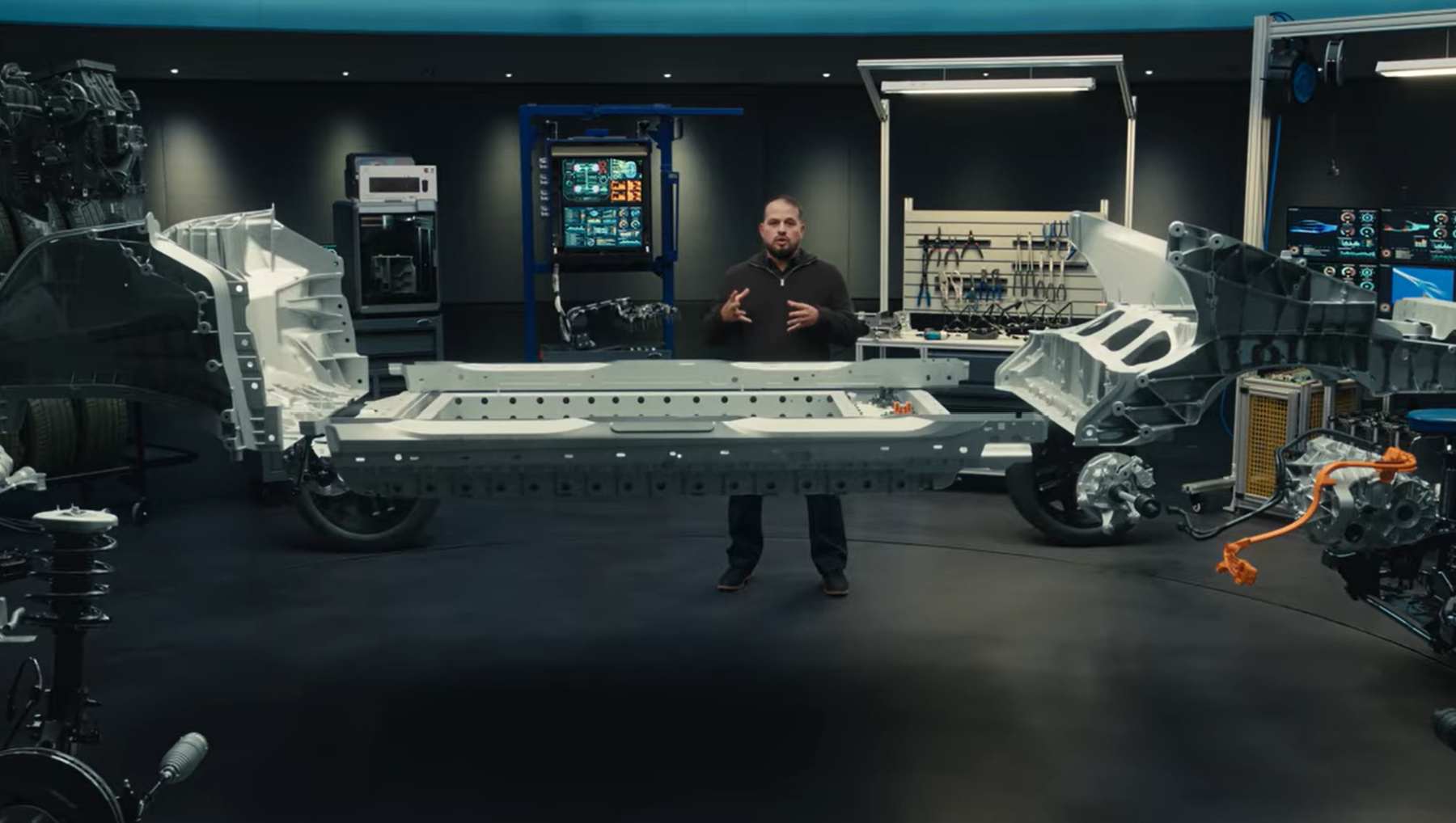
Ford has already partnered with China’s Contemporary Amperex Technology Co., Ltd. (CATL) to produce lower-cost lithium iron phosphate batteries, which were part of its original “American innovation” strategy. Not that Farley seems to be addressing the irony. On X (formerly Twitter) on February 17th, he continued: “The Universal Electric Vehicle platform is one of the most audacious and important projects in Ford’s history. What’s exciting to me is not just what we’re making — a fantastic new truck and family of vehicles — but how we’re doing it. By chasing physics, not competitors. Watch this deep dive from Alan Clarke and his team to see a peek behind the curtain at American innovation in action. This is how we will compete and win against China and the rest of the world.”
I mean, if you can’t beat them, join them.
The car community has continued to point out the continued focus on “American innovation” has started to feel like a fight against America itself, not China, as Americans miss out on cost-effective, technologically advanced cars. With mixed reception on Ford’s upcoming EV lineup, it’s maybe time to stop fighting the inevitable, especially if all it’s doing is harming American automakers and their customers.