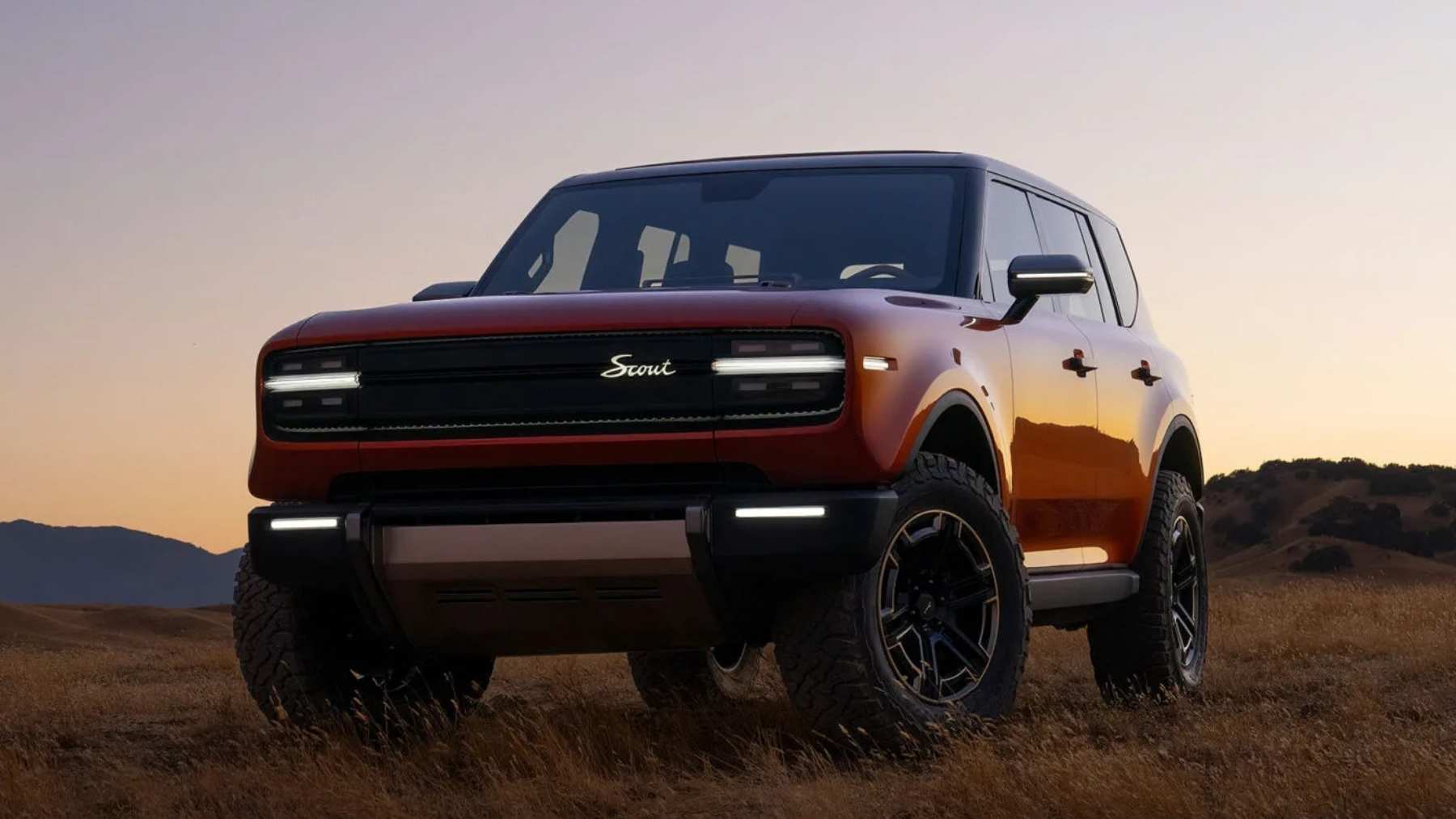

Ford has now confirmed five vehicles priced under $40,000 for the next decade, but it may be a little too late.
In an attempt to keep up with China’s cheap EVs, which have started to spread as far as Canada, Ford has been revamping its manufacturing. CEO Jim Farley recently teased these changes to the Louisville assembly plant, including a unicasting system and a new three-pronged production process that will require far fewer parts to keep prices down.
But can Ford actually keep up with China at this point?
Ford’s change of heart has it going cheaper
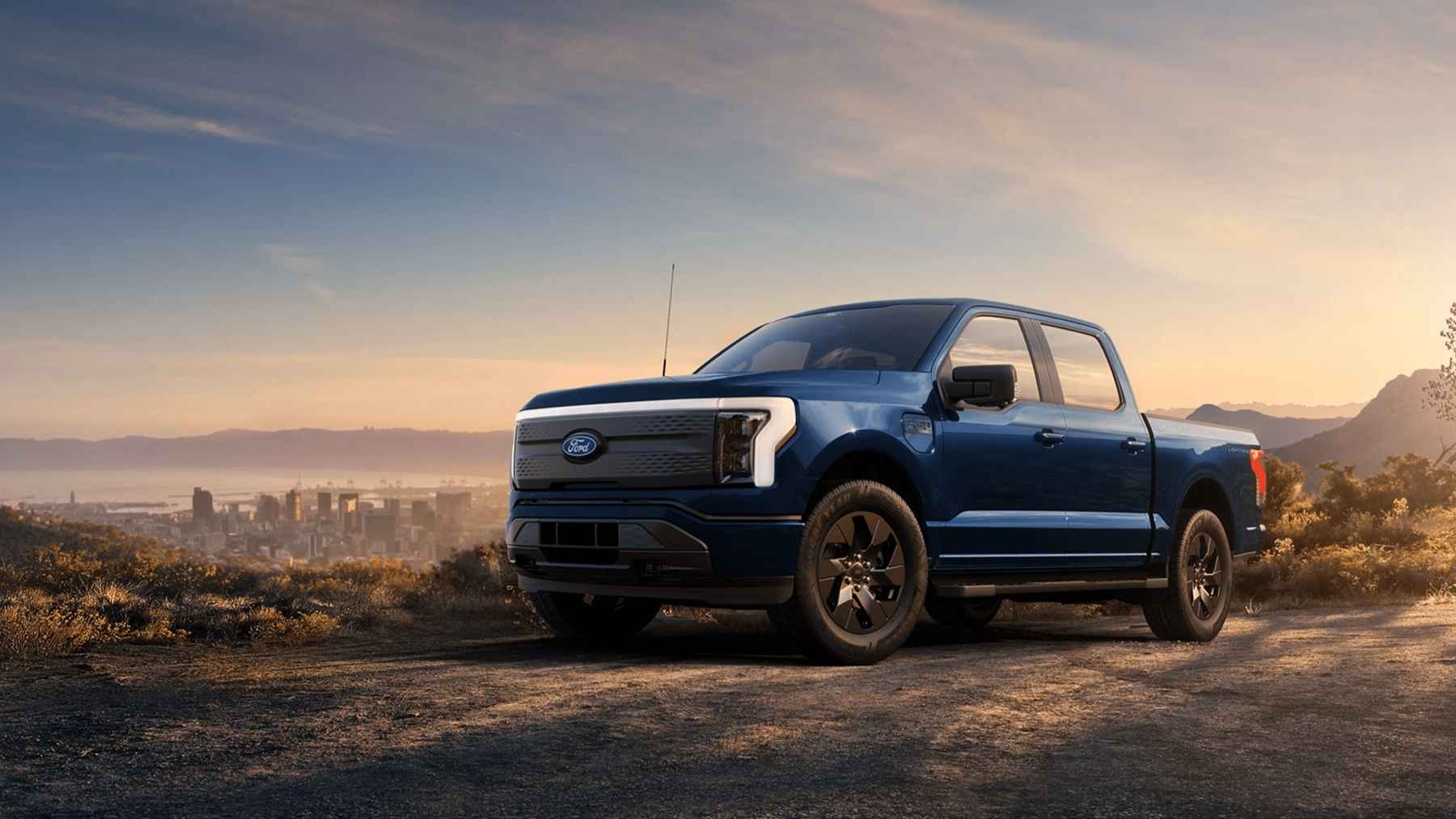
New car prices have continued to skyrocket, with the average cost well over $50,000 at this point. Headlines everywhere indicate that most new car buyers need to make well into the six figures to afford a new car, and Ford is among them. A Ford F-150 base model starts at an MSRP of $39,330 (although it’s well over $80,000 for a Raptor) and a Ford Mustang GT – once meant to be an affordable performance car for the masses – sits at $46,500-plus for a V8. The Ford F-150 Lightning, even, was over $63,000 – and Americans were not buying it.
But as China continues to flood the international market with its cheap EVs, including the ever-enticing $18,000 pickup from Chery, Ford has clearly had a change of heart. In fact, one of its reasons for discontinuing the Lightning was to focus on more profitable vehicles. Its Universal EV Production System focuses on changing its long-standing assembly line and creating one-size-fits-all parts that can be easily used in its entire line of cheap EVs, including trucks, SUVs, and cars.
Automotive News just confirmed that Ford is working on a traditional four-door car that will be under $40,000, but the biggest news has been its teased $30,000 electric pickup. America has been hungry for a cheap yet capable pickup for years, even pining over $10,000 pickups in Southeast Asia that are almost glorified cardboard boxes, safety be damned. Ford is looking to fulfill this alleged desire sometime in 2027.
But Americans already want China’s even cheaper vehicles
This recent push for a fleet of sub-$40,000 vehicles is part of the Blue Oval’s business plan over the last few years: “Fill U.S. plants with affordable new models.” From electric vehicles to hybrids to even possibly gas cars, Ford is hoping to offer a wide range of cost-effective vehicles that avoids the country’s tariffs on imports. In other words, it’s hoping to stop American drivers from wanting foreign cars.
Unfortunately, it may be too late
Without any further insight or context, a $30,000 pickup sounds great, especially considering that a high-end American-made pickup is nearing six figures in 2026. However, this pickup truck won’t even be here until 2027 at the earliest. Meanwhile, Chinese EV brands are already enticing Europe, Asia, and North America with a pickup truck priced at $18,000. And if Ford can go lower, what makes you think Chinese automakers won’t go lower too? What makes you think there won’t be pickup trucks for $15,000 or less in 2027?
And these trucks aren’t just faraway daydreams. They aren’t just in TikToks from people visiting China and marveling at its otherworldly innovations. No, these trucks will be right in Canada. Americans, both consumers and economic groups, will be fighting for those trucks – and other Chinese EVs – to be sold in America. While some citizens are fine with the “at least he doesn’t beat you” mentality, others will wonder why we should applaud Ford’s $30,000 truck when there are $18,000 trucks right next door.
I don’t think it’s a bad thing that Ford is pushing for a cost-effective vehicle lineup. I just think it’s too late. I think Americans have already seen what other countries can do – and drive – and they want it too. According to AutoPacific, over half of the 18,987 people they surveyed in 2025 said they would consider a Chinese brand, up 10% from 2024. The Atlantic also predicted that America won’t be able to keep out Chinese EVs forever as citizens continue to pine for the high-tech, cost-effective overseas vehicles.
“Younger generations of shoppers are clearly aware of the enticing products Chinese automakers are cooking up overseas,” manager of product and consumer insights at AutoPacific Robby DeGraff stated “It’s only a matter of ‘when’ they’ll be able to get their hands on them.”