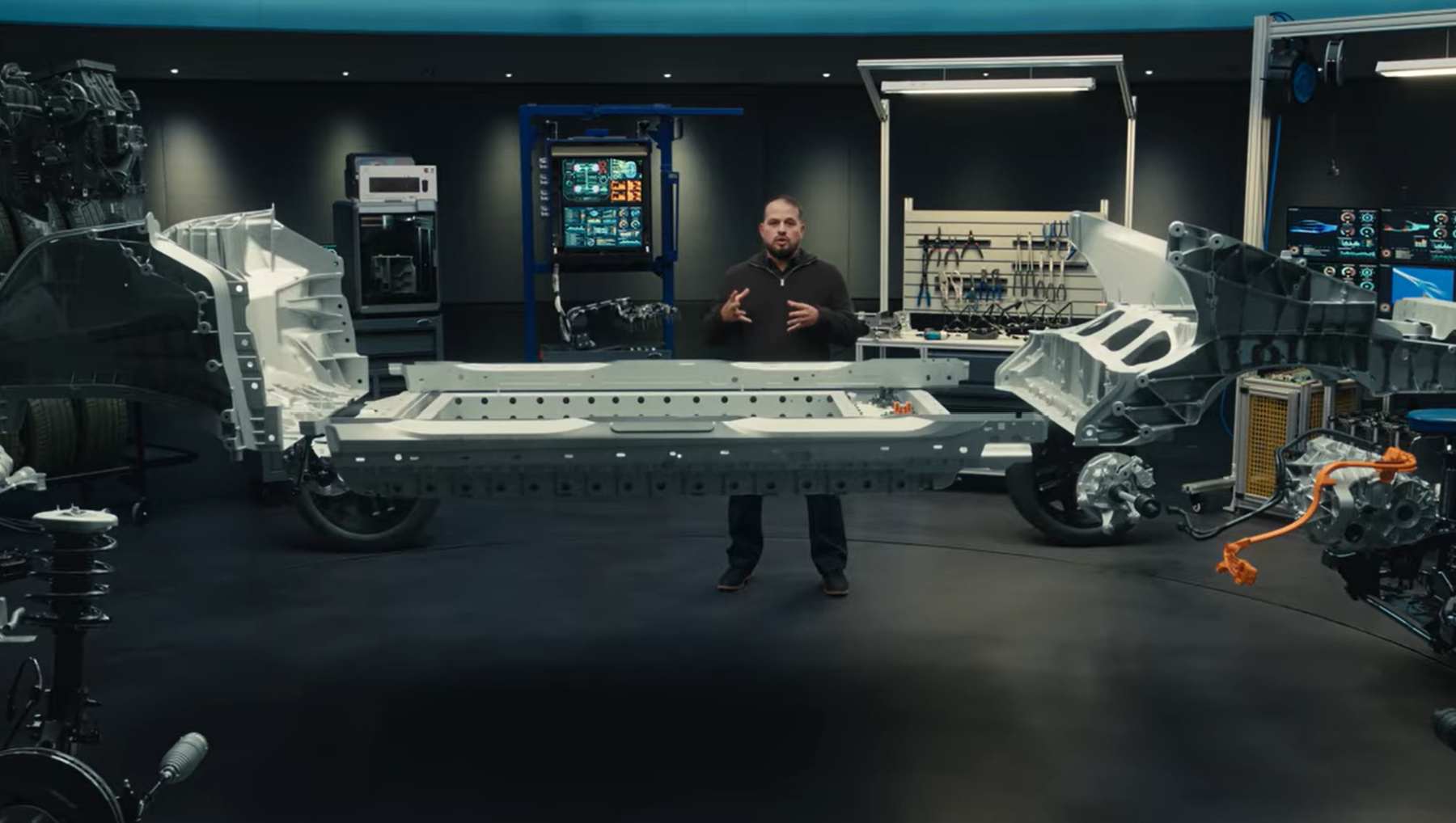
Ford is aiming to mimic a manufacturing technique pioneered by Tesla in a bid to create the cheap, competitive, EVs it has promised. The Detroit-based manufacturer is developing a process called “unicasting” to form the vehicle’s main body from a single aluminum piece.
If you’re a Tesla nerd, that process is going to sound familiar. In Elon Musk’s factories, it’s known as Gigacasting, and it’s used to create underbodies (like Ford is doing) and various other components for Tesla’s range of vehicles. It drops production costs and simplifies the vehicle. Having one large component instead of hundreds of smaller components significantly reduces time and labor costs. The example Ford gives is the Maverick, which contains 146 structural parts in its front and rear structures. The upcoming Ford truck, which utilizes unicasting, has two.
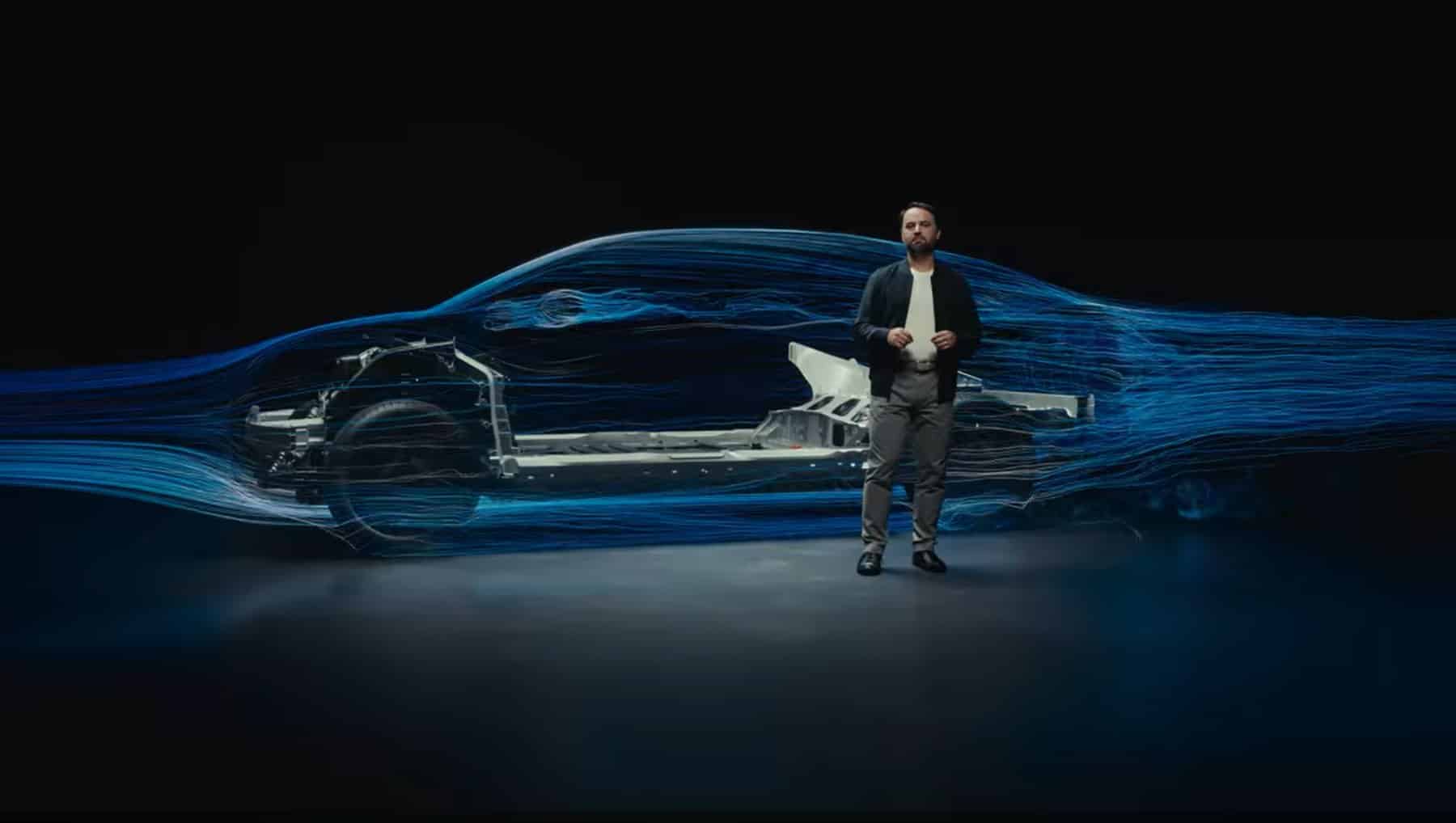
Other innovations Ford has talked about include streamlining the vehicle’s underbody, covering the front of its tires to improve aerodynamics, reducing side mirror size, and shaving the weight of various parts — even if that makes the parts more expensive. The increased cost is balanced against battery life savings, the logic being that if weight shedding or making a part more aerodynamic can help the vehicle hit its target range without increasing battery size, and the extra expense of the part is less than what the extra battery the truck would otherwise need would cost, then it’s a price that is obviously worth paying.
Battery tech is also getting a shakeup in Ford’s upcoming truck. The lithium-iron phosphate (LFP) cells used do not contain any nickel or cobalt. Which means cheaper batteries and fewer associations with horrific human rights abuses in central Africa. Ford will also be using a “cell to structure” architecture, which apparently lets the battery double as an integral part of the vehicle’s structure. The vehicle will use a 48-volt architecture, which saves on around “4,000 feet” of wiring and knocks 22 pounds off the total weight when compared to Ford’s first-gen EVs.
Unicasting is set to create a strange hybrid system, with a notable tradeoff
Nothing is new under the sun, and Ford’s focus on “unicasting” has shades of a previous shift in truck manufacturing. Traditionally, trucks were “body on frame” (BOF) vehicles. So manufacturers would build the chassis, then plonk all the bodywork on top. Large trucks, like the F-150, are still built this way, and it’s initially expensive, but better in the long run. A BOF truck can be smashed up, rusted away, whatever. As long as that chassis survives intact, you can rip everything off the top of it and rebuild.
However, in recent decades, “unibody” vehicles have become popular. This merges the chassis and body together. Essentially, the car is made up of a bunch of pre-stamped sections and panels that are all welded into a single piece. This is still somewhat repairable; you can cut out a bad or damaged part and weld a replacement section in. But it’s far less repairable than a BOF vehicle, and more expensive to work on. It’s also more likely to be written off if it’s involved in an accident, as the impact can travel throughout the vehicle structure and cause damage in areas far away from the initial impact.
The “unicasting” process Ford has outlined is sort of a mix of the two. Hundreds of parts are cast into a single, large component. But oddly enough, it looks like said component will serve as the base for the rest of the vehicle. There are some positives and negatives to this. The main positive, aside from cost savings, is that the bottom of the vehicle is essentially built from aluminum. Anyone who’s lived anywhere that’s covered in road salt most of the year will be pleased to know this means the bottom of your vehicle won’t end up rusting out within a few years. The downside is that aluminum is much more brittle than steel, and these structures are not easy to patch or repair.
So, from the looks of things, you’ll get a BOF-style structure and resistance to deep corrosion, but also have increased fragility and a lack of repairability to contend with.