
In February 2026, the Trump Administration controversially mass-repealed swathes of EPA legislation, leading to condemnation from politicians, public health officials, and environmental organizations. But there is a bit of a silver lining.
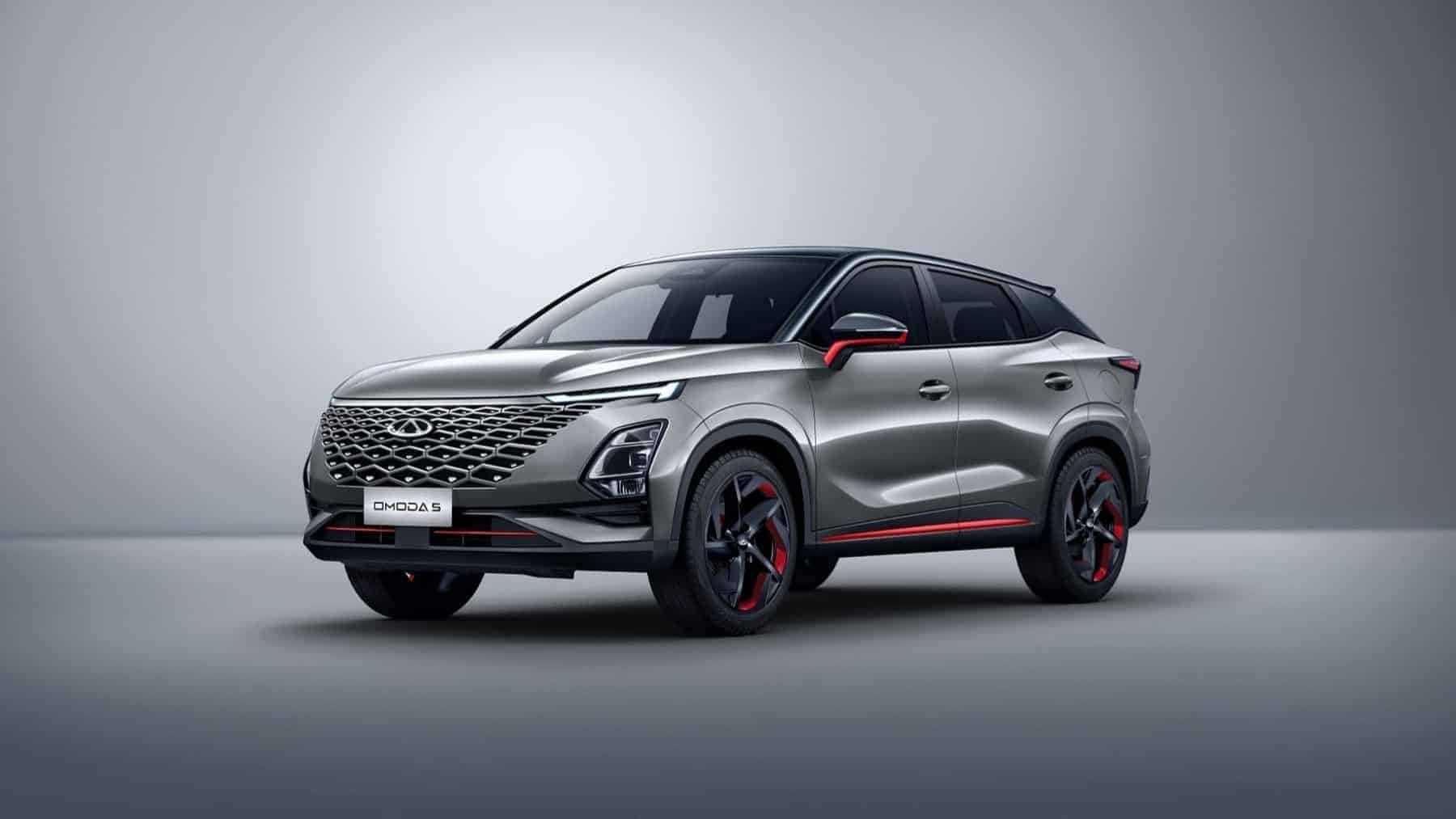
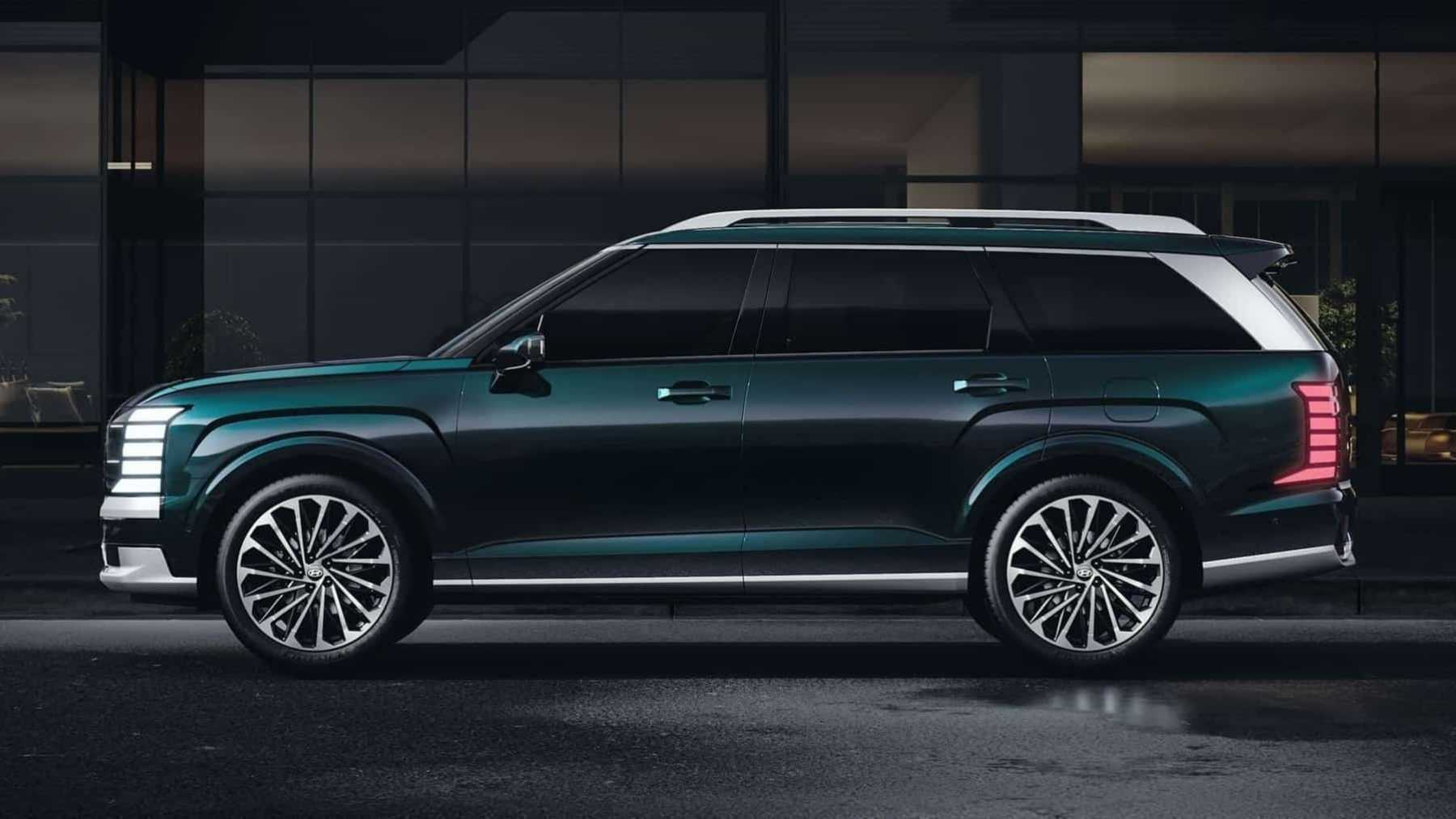
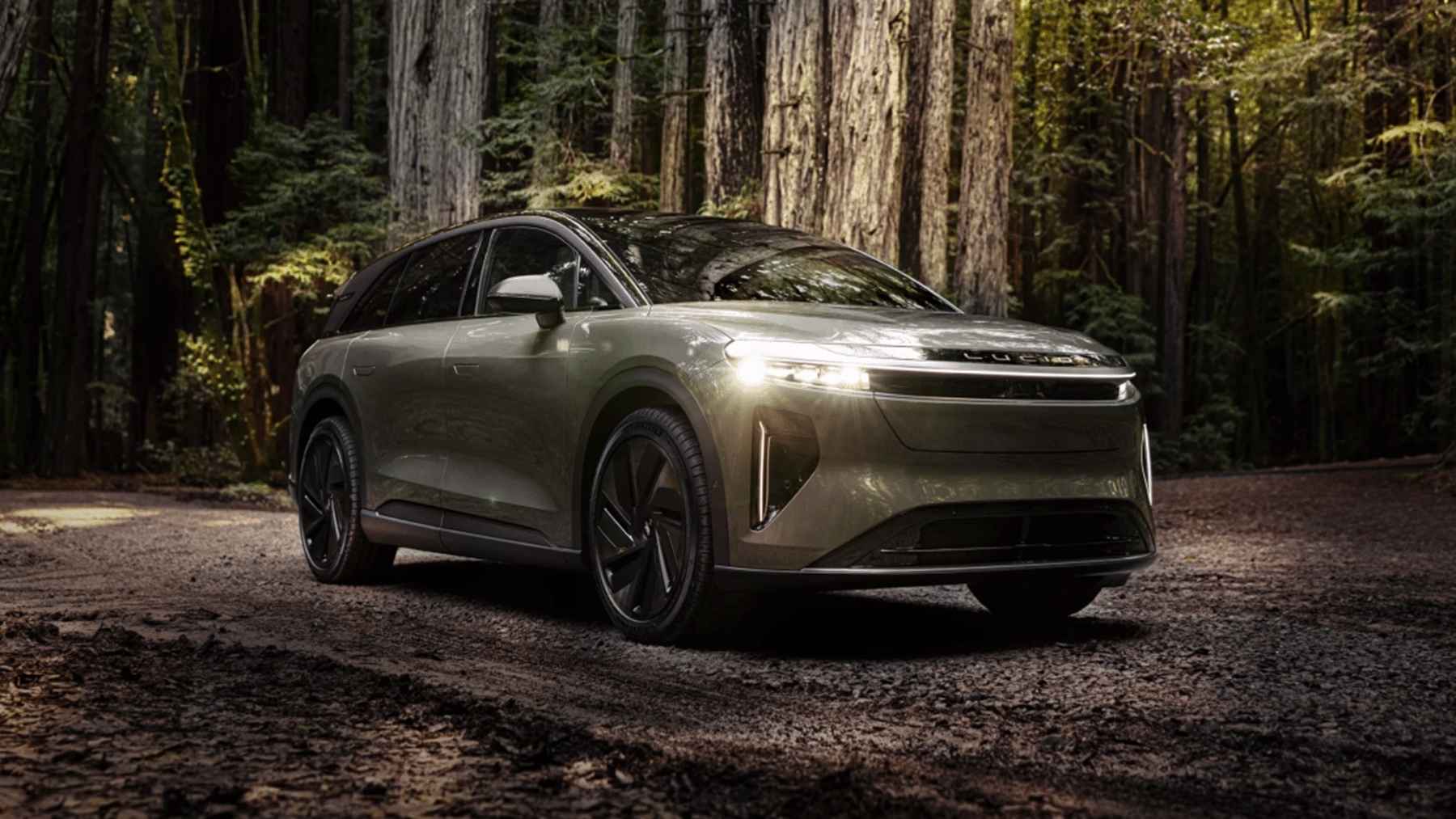
Included in the previous list of culled regulations was a selection of laws that caused more harm to the environment than good, and killed off a large section of the automotive landscape in the process. They’re the reason you can’t get a compact, sedan, or small SUV from an American manufacturer anymore. They’re why our roads are crowded with generic-looking, oversized, SUVs.
American tastes did help with the shift to some degree. Large vehicles sell very well in the United States while compacts, which are very popular in Asia and Europe, tend to struggle. But the main reason the sedan is no longer the “standard” car for most people is mainly down to a piece of now-defunct legislation.
The previous legislation was pretty awful
This may sound shocking, but sometimes Congress messes things up. Politicians will push legislation that looks good on paper, and probably makes them feel fantastic about themselves, but ultimately has the opposite effect to what was intended.

There is no better example of this than the legislation surrounding the federal GHG emission regulations for light, medium, and heavy-duty vehicles that came in the wake of the “Clean Air” act and the 2009 Greenhouse Gas Endangerment Finding.
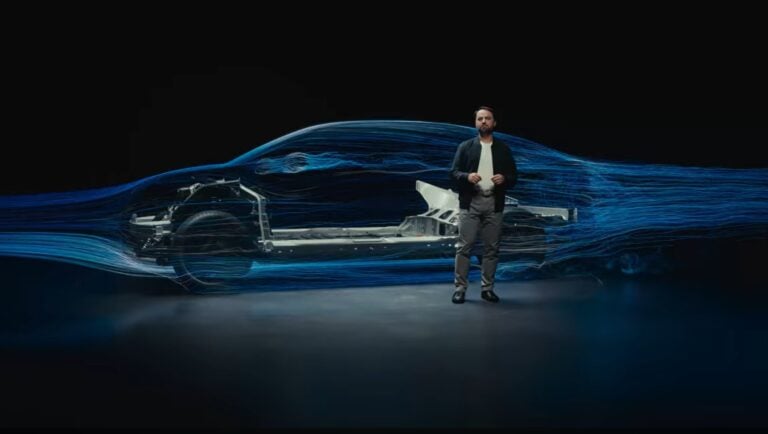
Essentially, the regulations were passed with good intentions but left a glaring loophole. This was 2011’s “footprint-based standard,” which pinned the vehicle’s “footprint” (wheel base x track width) to its required fuel economy. Again, on paper this is sound: a larger vehicle is always going to take more energy to move. Judging a Ford F-150 by the same standards as a Mitsubishi Mirage essentially kills the pickup truck entirely.
And you can’t kill the pickup truck in the US.
In reality, making vehicles much larger was simpler from an engineering perspective than making engines efficient enough to fit the rules. Hence the current, horrifically boring, vehicular landscape. This also had the knock on effect of producing more pollution, as now most people are buying huge vehicles with a 3 liter plus engine under the hood and an average fuel economy of 17 MPG, instead of a regular old sedan with twice the fuel economy and half the engine capacity.
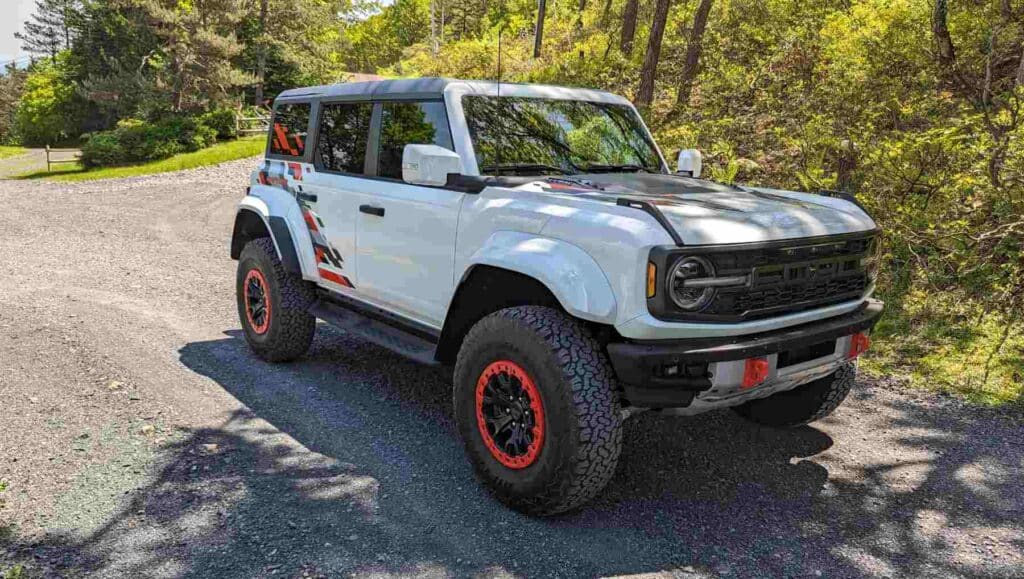
Then to make matters worse, we have the regulatory split between “passenger cars” and “light trucks.” Light trucks” and “trucks” (which includes SUVs) all have laxer emissions requirements than passenger cars. Which again makes them more appealing from a manufacturing perspective.
The unsuitability of the previous legislation is a sentiment echoed by automotive association SEMA. When contacted by Autonoción US for an opinion on the repeal and its impact, SEMA’s Senior Vice President Karen Bailey-Chapman said: “When consumers dictate the market — which is the foundation of our nation’s economy and the very definition of “vehicle choice” — manufacturers have no alternative but to respond accordingly.
“The previous policy position enabled by the endangerment finding promoted the very opposite: a landscape where American innovation was stifled by an overarching fear of regulation and penalties.”
The evidence is everywhere

Last year, Ford finally killed off the Edge and Escape, along with the Lincoln Corsair. They were, at the time, the smallest and most environmentally friendly ICE vehicles in Ford’s lineup. Sedans like the Fusion, Focus, and Taurus — once Ford’s mainstays — were long gone. These days, the “little” Ford is the Explorer. Which has three rows and could likely pass as a school bus if you painted it yellow.
Ford isn’t the only manufacturer that has made the shift. Its traditional Motor City rival GM has also shifted in a similar direction. The only non-EV Cadillac produces these days is the Escalade, and there was a point where Chevrolet was essentially down to just the Malibu in terms of sedans. GMC, which tends to focus on SUVs and trucks, simply made everything bigger, with the Acadia shifting from a smaller SUV to yet another “mid-sized” behemoth.
As for Stellantis’ American brands, the rules probably worked in Jeep’s favor, but Chrysler is effectively defunct beyond a couple of minivans. Dodge dropped the Dart and the Avenger fairly early on once the legislation changed.
US manufacturing was hit the hardest by EPA rules
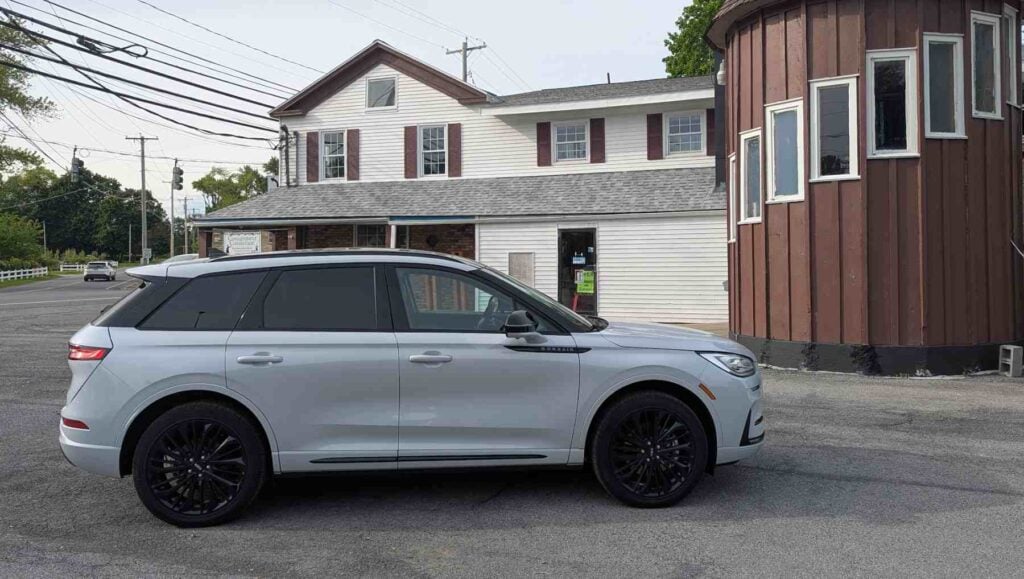
Oddly enough, US domestic manufacturing was hit the hardest by the legislation. sedans with an American’s OEM badge attached to them are essentially extinct, smaller SUVs are on the endangered list. Which is a crying shame when you consider how diverse the American automotive landscape used to be. This isn’t a rant against SUVs and pickup trucks. It’s a lament at the loss of vehicles like the El Camino, AMC Gremlin, Oldsmobile Cutlass. What happened to all of the creativity?
European and Asian OEMs, which tended to have their own smaller, more compliant, engines for their respective domestic markets, fared a lot better.
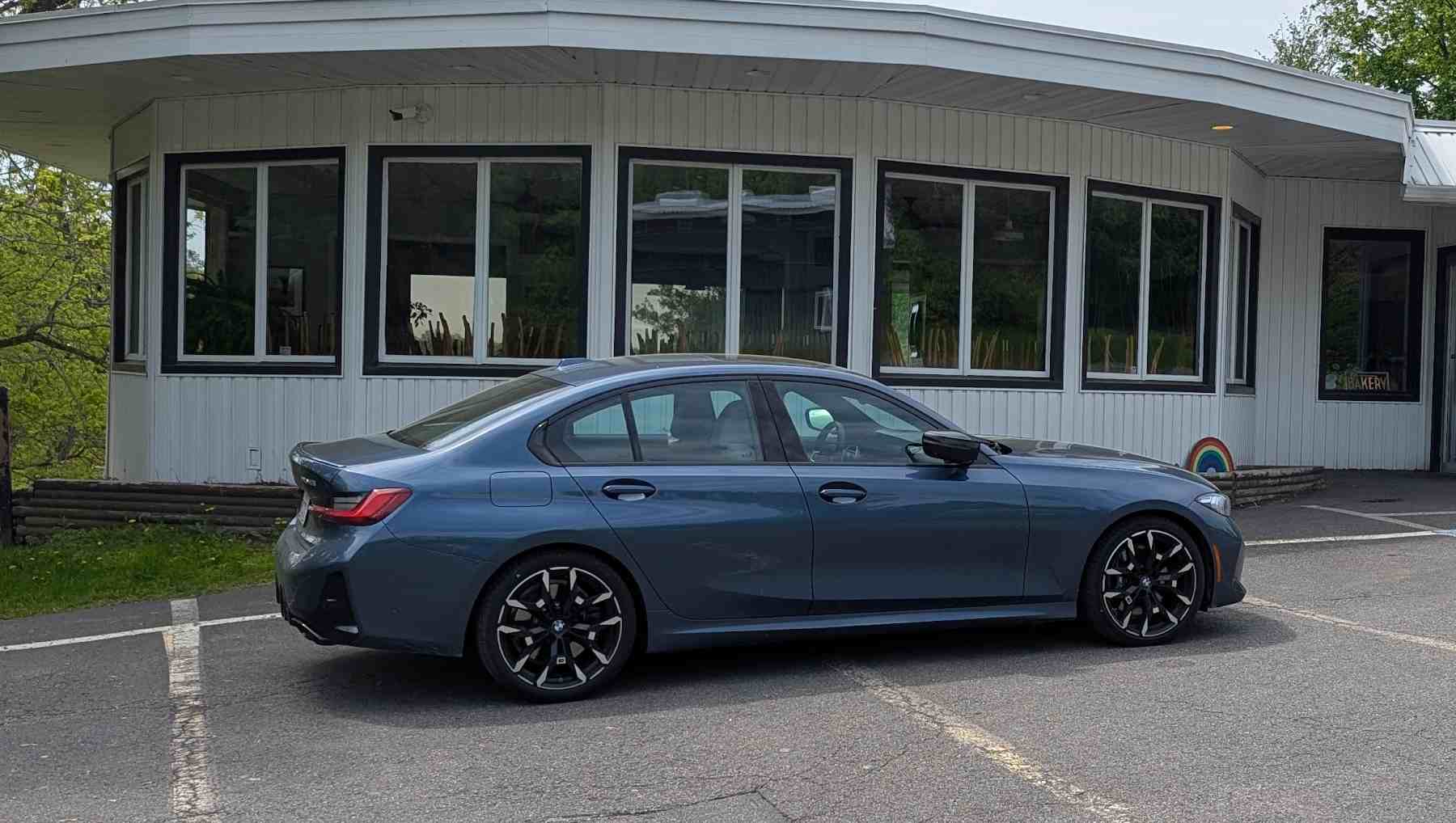
Which is why if you want a new sedan these days, you’ll have to look for a BMW, or an Audi, or a Hyundai, or a Toyota. Furthermore, the success of things like the Camry, Corolla, Civic, 5-Series, and A6 show there is still demand for a sedan there. It had just hit a point where manufacturing one as an American company was a poor business decision.
There is still a major hurdle left for American manufacturers
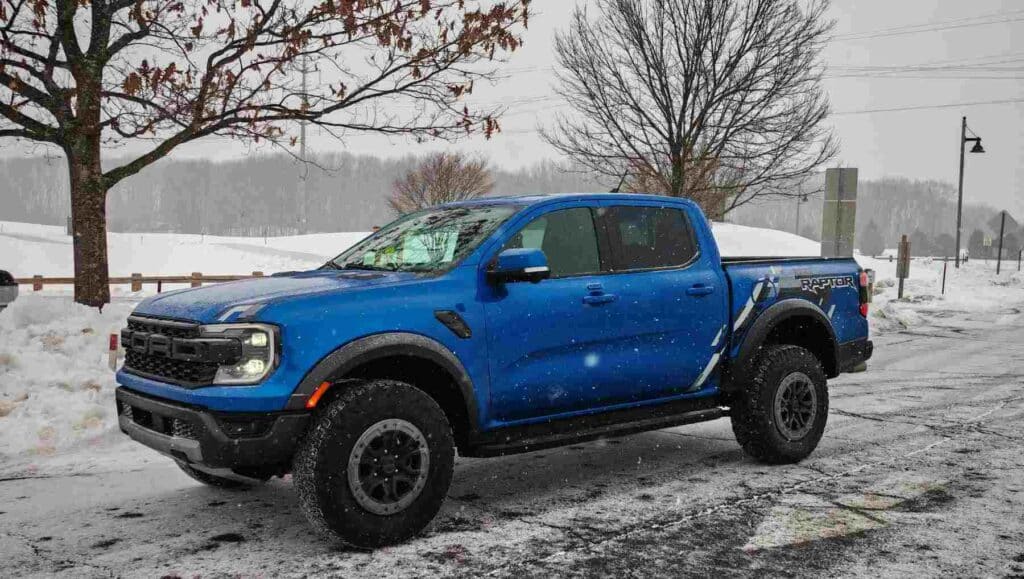
While the repeal of the Endangerment Finding and GHG regulations has opened the door for smaller vehicle manufacturing, the timing means there’s still a pretty big barrier between US consumers and “domestic” sedans.
The majority of American OEMs have already completed their shift to SUVs. Shifting back to smaller vehicle manufacturing would take a massive strategic U-turn, and U-turns cost a lot of money. At the same time, the US automotive industry is in a pretty clear slump — with sales down drastically in the fourth quarter of 2025. Expensive pivots don’t tend to go hand-in-hand with major pivots.
There’s also an argument that the larger profit margins trucks and SUVs provide means there’s less of an incentive for smaller vehicles. But we are also seeing a consumer shift to cheaper cars, and a response from manufacturers in that direction. Sedans were always cheaper than trucks. A loss of demand for a $70,000 pickup or SUV, coupled with the end of legislative incentives, might also bring about the sedan’s resurgence. If the American sedan was ever going to be saved, I’d argue that this is the perfect storm.
But SEMA’s Karen Bailey-Chapman is optimistic, telling Autonoción US: “With the endangerment finding behind us, we’re looking at an open road of innovation, research and development investment, and, most importantly, an opportunity for American manufacturers to once again listen to their customers, identify what they want and need, and introduce products that will serve the market. It’s a shockingly simple concept: let the consumer lead, and the market will follow.
“We’re excited by the possibilities to come.”
Hopefully the laxer (or entirely non-existent) legislation period makes the choice easier and any legislation that replaces the recently repealed laws makes up for its shortcomings. We’ve recently witnessed somewhat of an automotive extinction event, but as with the death of the dinosaurs hopefully new life is going to occupy the space left over.