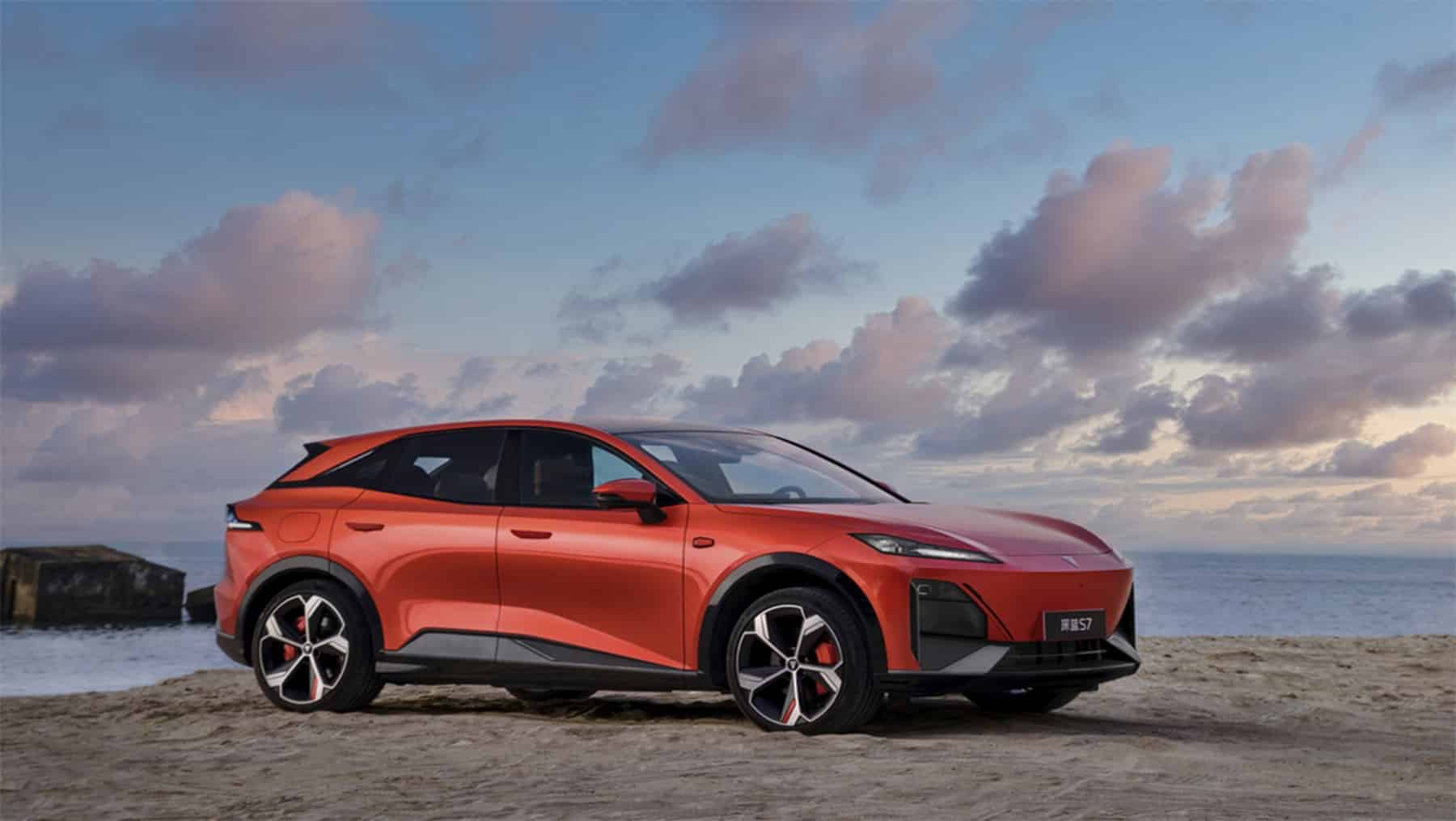
Canada has decided it’s no longer in alignment with the United States’ ban on Chinese EVs and is looking into a “new Chinese joint venture investment” that would allow the vehicles into the country. And Canadians have admitted they would consider buying these cheap Chinese EVs.
Canada recently reduced tariffs on Chinese vehicles to a manageable 6.1% and will allow up to 49,000 Chinese EVs to be imported each year. Bloomberg recently reported on a Nanos Research poll showing that Canadians are ready to politely embrace the new vehicles. Of the 1,009 Canadians surveyed in January and February 2026, 53% said they don’t really care where EVs are made – it wouldn’t affect their decision to buy a car. Even more interesting, 15% of Canadians said they would be more likely to buy a car if they knew it was made in China. This is up from a 2024 poll, when only 9% of Canadians said the same thing.
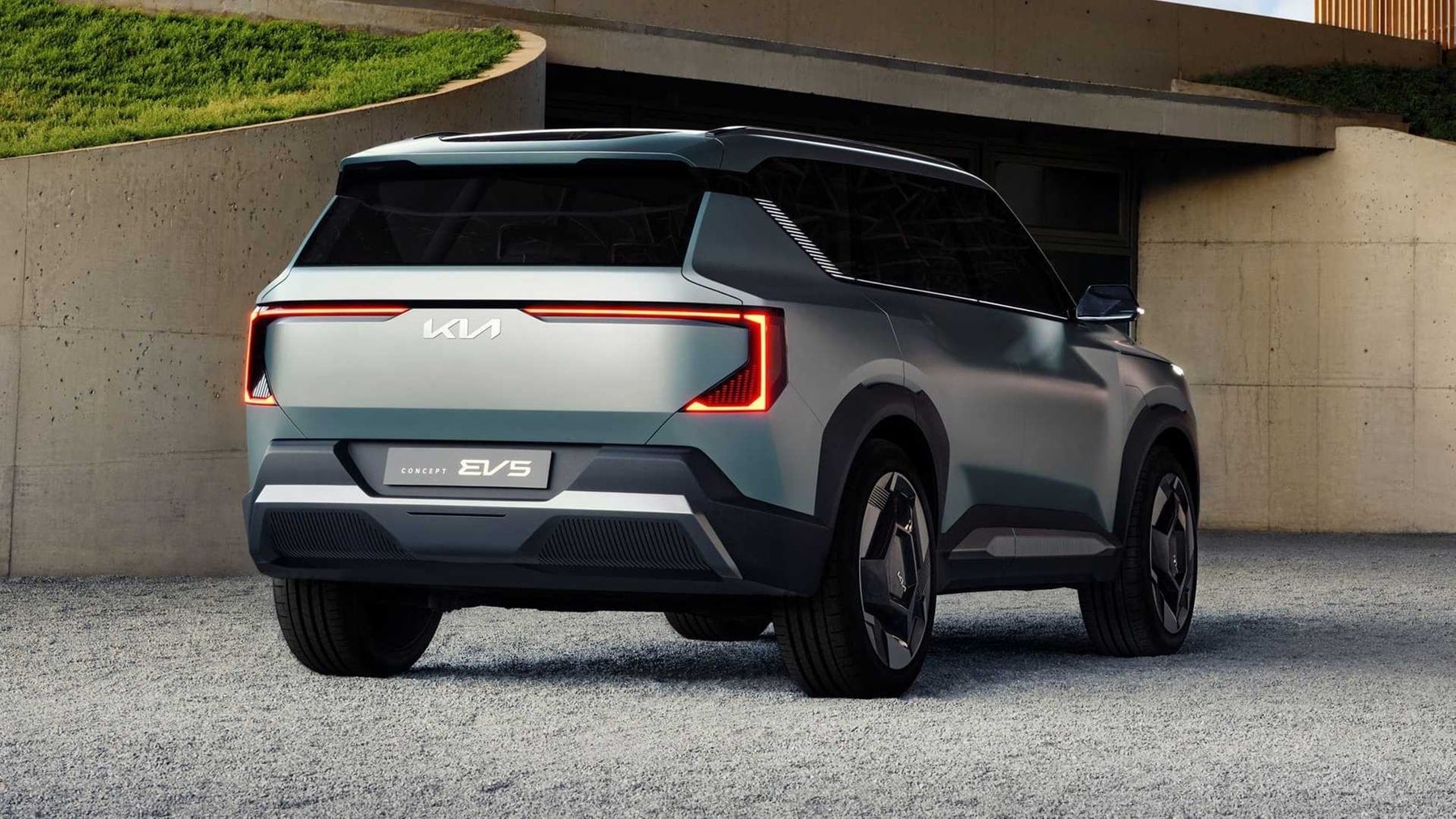
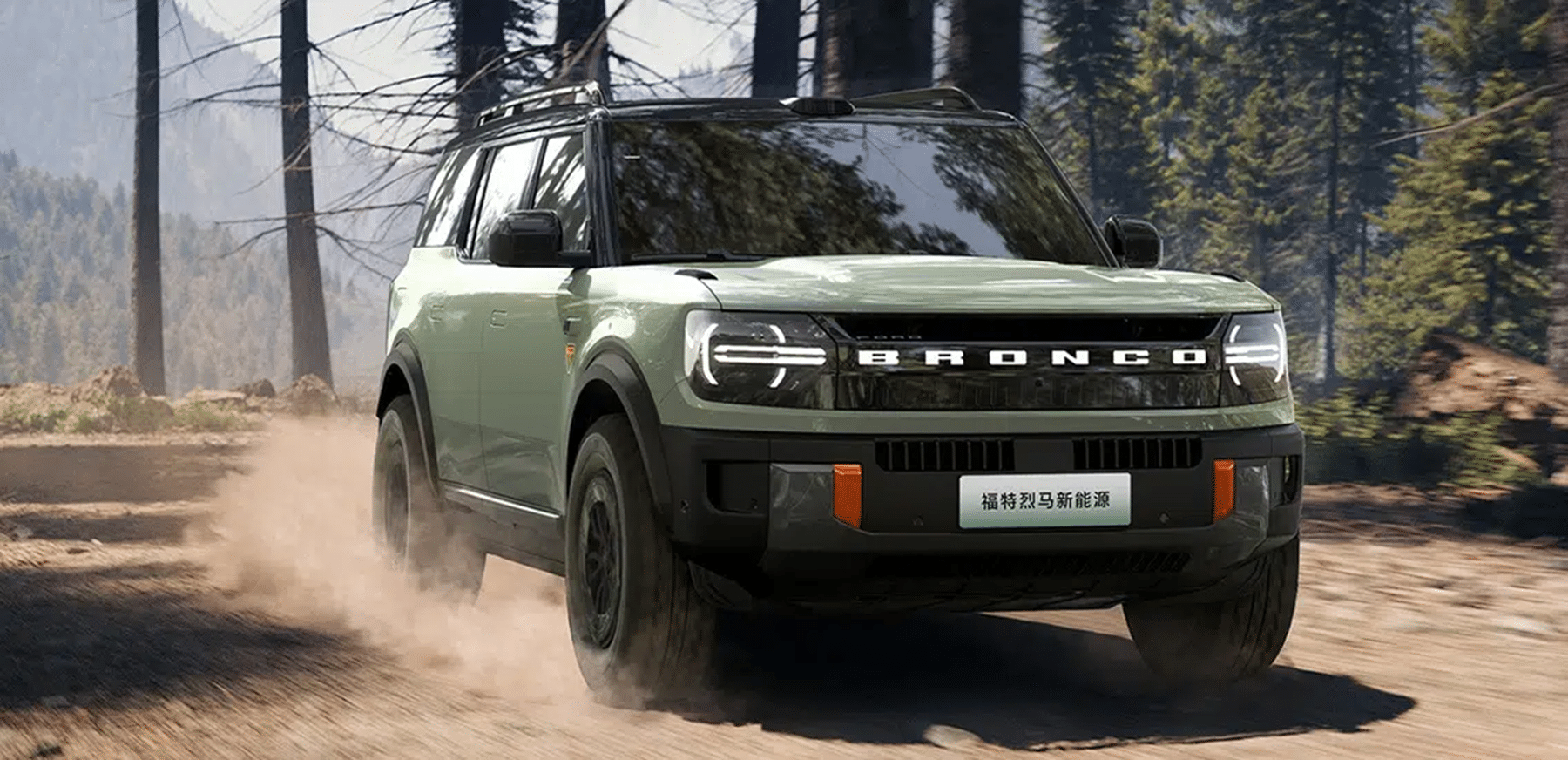
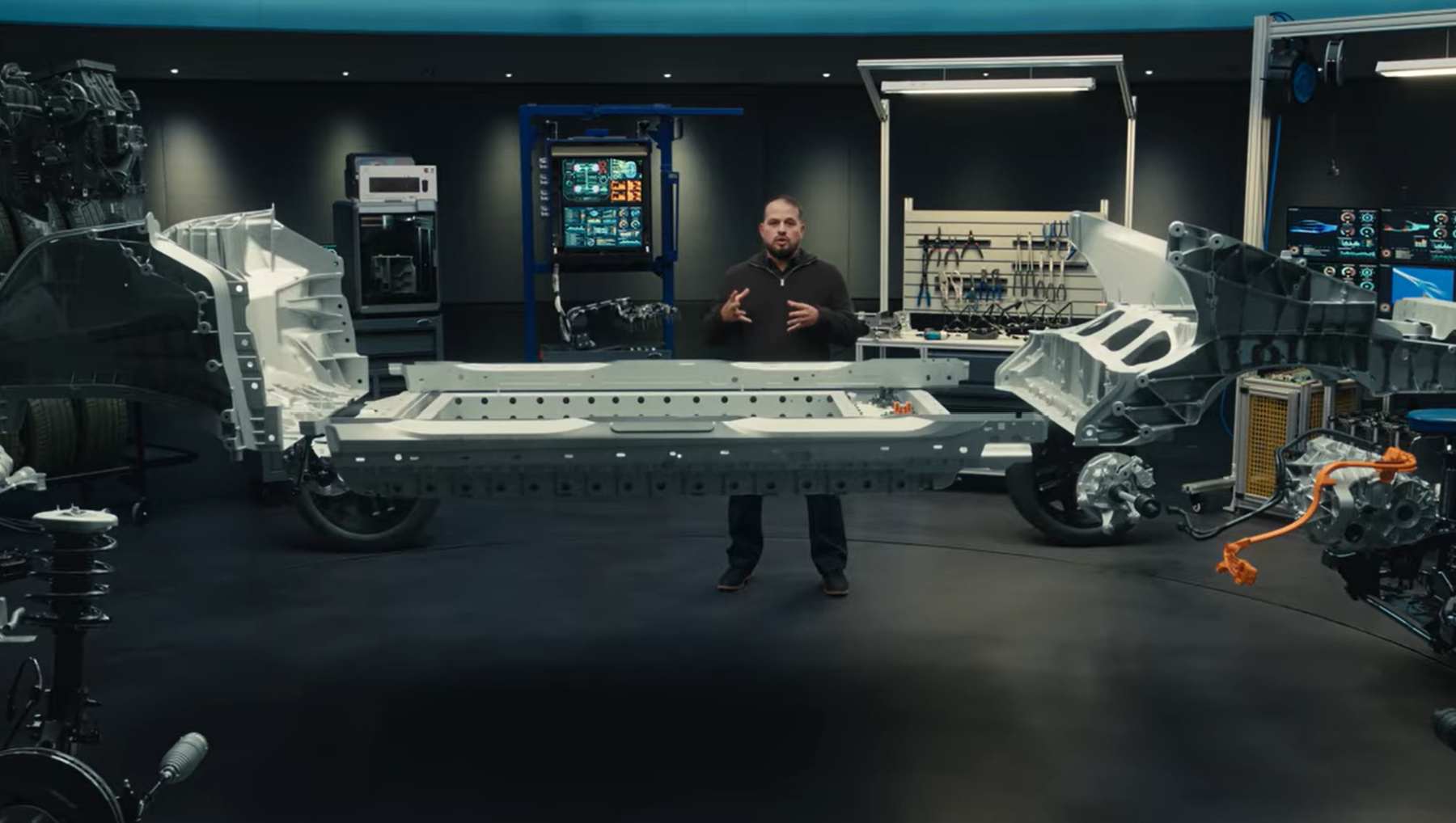
It makes sense. China’s EVs are very, very cheap compared to those made in North America due to increased tariffs on various materials. Lucid recently became a bit desperate, announcing a $50,000 vehicle to compete in the EV market. Ford is another brand that’s desperately trying to stay relevant, revealing a future lineup of $40,000 electric vehicles (made possible in part by partnering with a Chinese battery company). Meanwhile, China’s automakers are frequently churning out EVs priced under $20,000.
Canada’s goal is to make new EVs more affordable, so a portion of the annual quota will be reserved for vehicles costing $26,000 or less. However, Canadians won’t have access to those cheap EVs right away. The first batch of EVs getting imported into Canada will be China-built cars from non-Chinese brands: Tesla, Volvo, and Polestar. It’s believed that Chery Automotive – the company behind the infamous $18,000 pickup – could be the first Chinese automaker to sell a car in Canada after the initial wave of familiar brands.
According to The Globe and Mail, Chery has sent recruiters to contact Canadian auto industry professionals on LinkedIn to gauge interest in a role supporting its expansion into the country. One recruitment message stated that this hiring growth is part of Chery’s “long-term decision to invest and grow its business in Canada.”
Do Americans also want Chinese EVs?
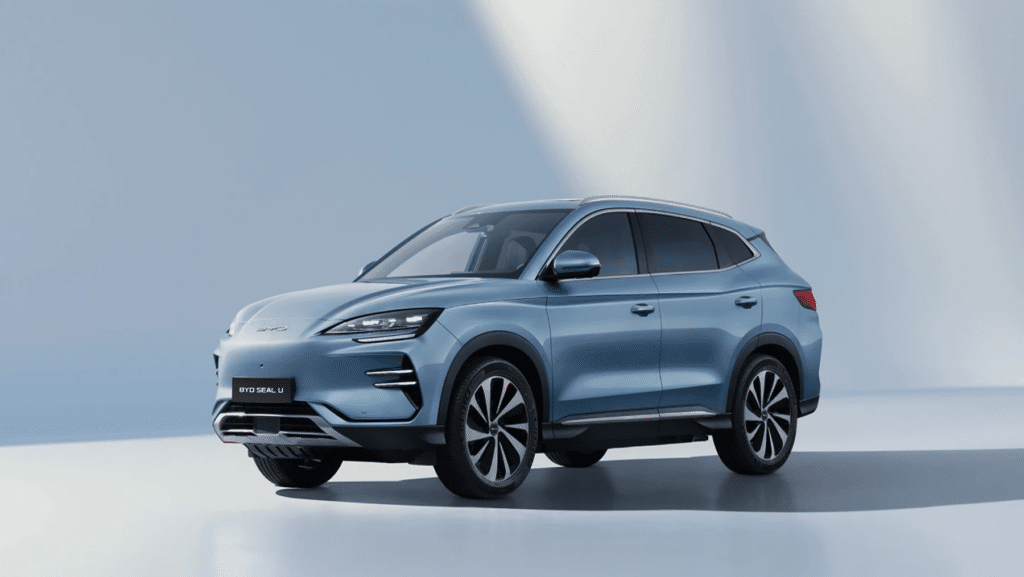
President Donald Trump has been a bit wishy-washy about Chinese EVs, but he is keeping the 100% tariffs on them for now. He recently said on social media: “China will eat Canada alive, completely devour it, including the destruction of their businesses, social fabric, and general way of life.”
National Automobile Dealers Association’s CEO Mike Stanton was one of the officials who has continued to agree with the Trump Administration, stating that letting Chinese cars in would be bad for the country’s economy and consumers. But despite American automakers pushing the idea of “American innovation” to align with the government’s fantasies of a thriving domestic car market, Americans themselves are warming up to the idea of Chinese EVs. Those cheap vehicles are looking pretty sweet as the country’s average new-car price increases to $50,000, driven by tariffs.
“The panic from the NADA is, of course, expected because it’s a wake-up call,” said Robby DeGraff, Product and Consumer Insights Manager at AutoPacific. “The products of today’s Chinese automakers (whether ICE or EV/NEV) are undoubtedly compelling, impressive, and enticing to even the American consumer.”
There are some surveys to back this up (sort of). According to EVs For All America, Republicans are warming up to the concept of EVs, but maybe not ones specifically from China. Americans under 45 are generally pretty open-minded to the idea of a Chinese-made vehicle, but consumers over 55 were “hostile” at the idea.
“The path to breaking down the partisan EV divide is clear in the data,” said CEO Mike Murphy. “It’s all about focusing on great vehicle performance and attributes, not on political climate dogma.”
Right now, Americans are answering a hypothetical question since Chinese EVs are essentially banned from the country. But once these super cheap Chinese EVs are in Canada and Europe, some Americans – even ones over 55 years old – will secretly wish they had a lower monthly payment on their car. And if it actually did become an option, maybe Americans would have to think it over a bit more, given that they can see the cheap cars across the street and get some real FOMO. For now, they can pretend to hate Chinese EVs and shake their fists at Canada while waiting for Ford’s new “unicasting” EVs powered by Chinese batteries.