
- China's January 2026 sales dip grabbed headlines, but the real story is that Ford just posted its third-worst performance ever — losing $8.2 billion in 2025 while BYD quietly outsold it for the first time in history.
- The kicker is that China's "slump" is largely a seasonal blip inflated by expired subsidies and a new 5% EV tax, while Ford's losses stem from structural failures including $2 billion in tariff costs and a botched electric truck strategy.
- Ford's promise of sub-$40,000 EVs to compete with China's $18,000 pickup sounds ambitious until you remember how many times Ford's initial pricing has crept upward after launch.
- If you're an American buyer waiting for affordable electric options, the gap between what Detroit promises and what Beijing delivers should seriously factor into your next purchase decision.
While China’s carmakers’ sales fell in January 2026, they didn’t fall as far as those in America did.
I saw a few headlines dramatically announcing that China’s car sales fell by 19.5%, the fastest decline in nearly two years. It most definitely caught my attention, since China has been getting a ton of international attention for its cost-effective electric vehicles (which apparently had sales fall 22.9% last month, according to the China Association of Automobile Manufacturers). Despite many countries inviting China’s EVs, even China’s most popular car brand, BYD, saw a 30% decline in January 2026.
On the surface, it sounds sort of alarming. However, China’s sales rose 9.4% year on year to a record 34.4 million units. China’s car industry is most definitely having a moment – but January disrupted it. From January 1st to the 11th, China’s new energy vehicle (NEV) retail sales came in at 117,000 units, down 38% year-on-year (and 67% month-to-month), according to the China Passenger Car Association. China previously exempted NEV purchases from its 10% vehicle purchase tax, but new EVs now face a 5% tax. This time of year was also affected by the expiration of year-end trade-in subsidies in November 2025. There is also less demand for new cars in January, as many buyers made end-of-year purchases in December 2025.
In other words, there is a lot of adjusting to do. The CPCA is feeling confident that the numbers will improve as things settle.

Either way, these numbers also don’t sound all that bad once you consider what American manufacturers’ numbers are.
China had one bad month, but Ford had a bad year
If you thought China was doing bad, wait ’till you hear how Ford is doing.
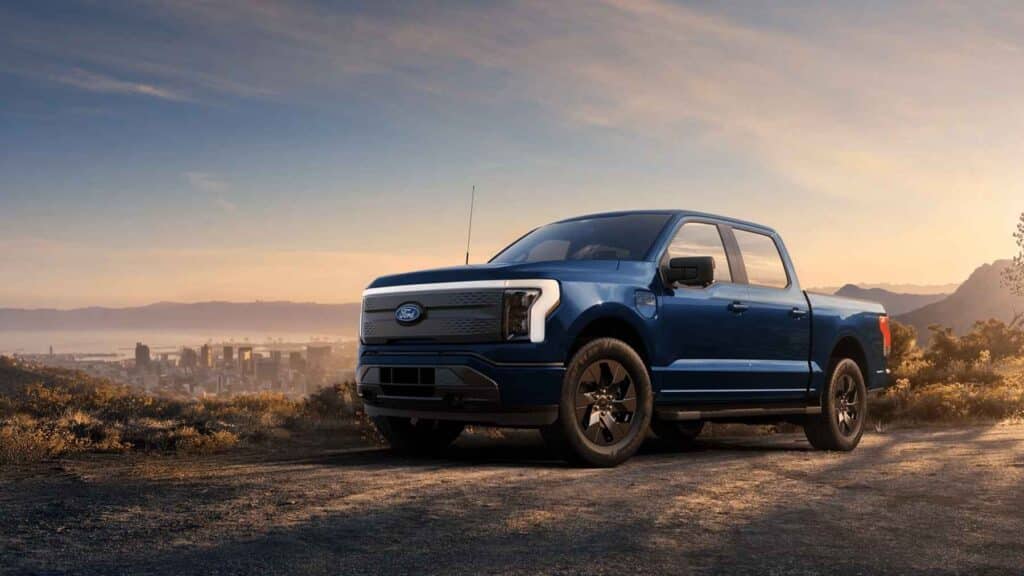
While China’s automakers climbed in sales as 2025 went on, Ford saw its third-worst performance ever. Going on its third full-year loss in the last six years, Ford lost $8.2 billion in 2025. This was due to the United States’ vehicle and material tariffs, which amounted to $2 billion for Ford, and failed investments in electric vehicles like the Ford F-150 Lightning. By the fourth quarter, which saw the announcement of the Lightning’s end and a disruption in aluminum, Ford experienced a $11.1 billion net loss.
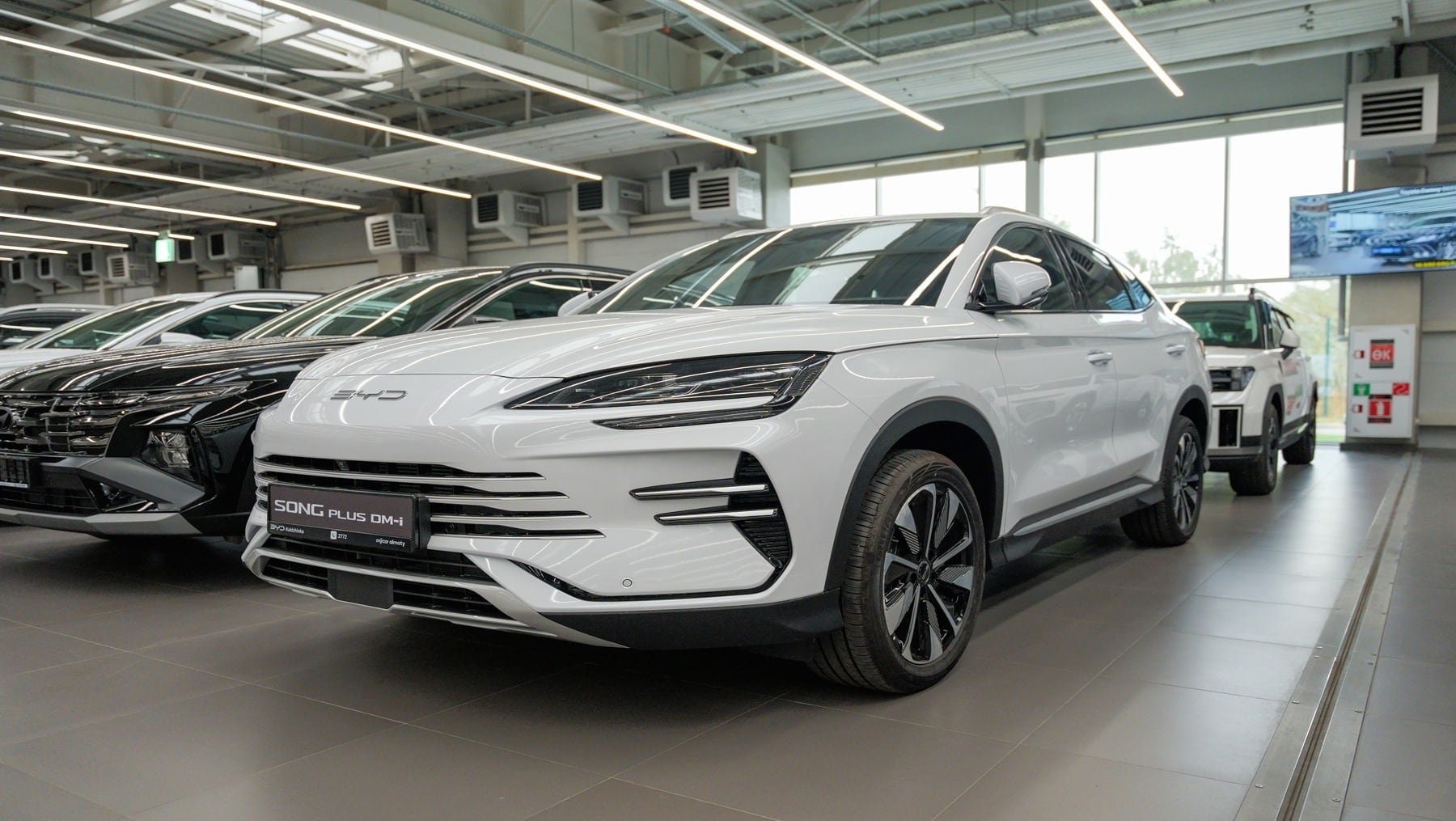
Meanwhile, 2025 saw the continued rise of BYD, the best-selling EVs in the world. In fact, BYD outsold Ford for the first time ever. According to Bloomberg, Ford had 4.4 million in sales while BYD had 4.6 million. This means that electric vehicles aren’t the problem – just Ford’s electric vehicles.
In a desperate attempt to keep up with China, Ford recently announced an upcoming lineup of EVs under $40,000, including a pickup truck priced around $30,000. It’s a price the American car community is skeptical of, already raising suspicions that it will continue to increase like Ford’s past models. But even if it remained where Ford promised, it would still be plenty more expensive than China’s $18,000 EV pickup and the rest of the country’s cheap offerings. As new car prices skyrocket in the United States, automakers are struggling to keep up with international competition.
While China’s January sales may have given the rest of the world a glimmer of hope, the setbacks are all due to the country’s confidence in its NEV growth going forward. And I think it won’t be pretty for Ford.