
It’s sorta strange that the roads we drive on daily can suddenly change without really informing us. You can just be on the highway you drive to work every day, and there is suddenly a new sign or new lines that you have never seen before. But then again, I guess we don’t expect an email or postcard about it. Still, it can often leave drivers a bit confused.
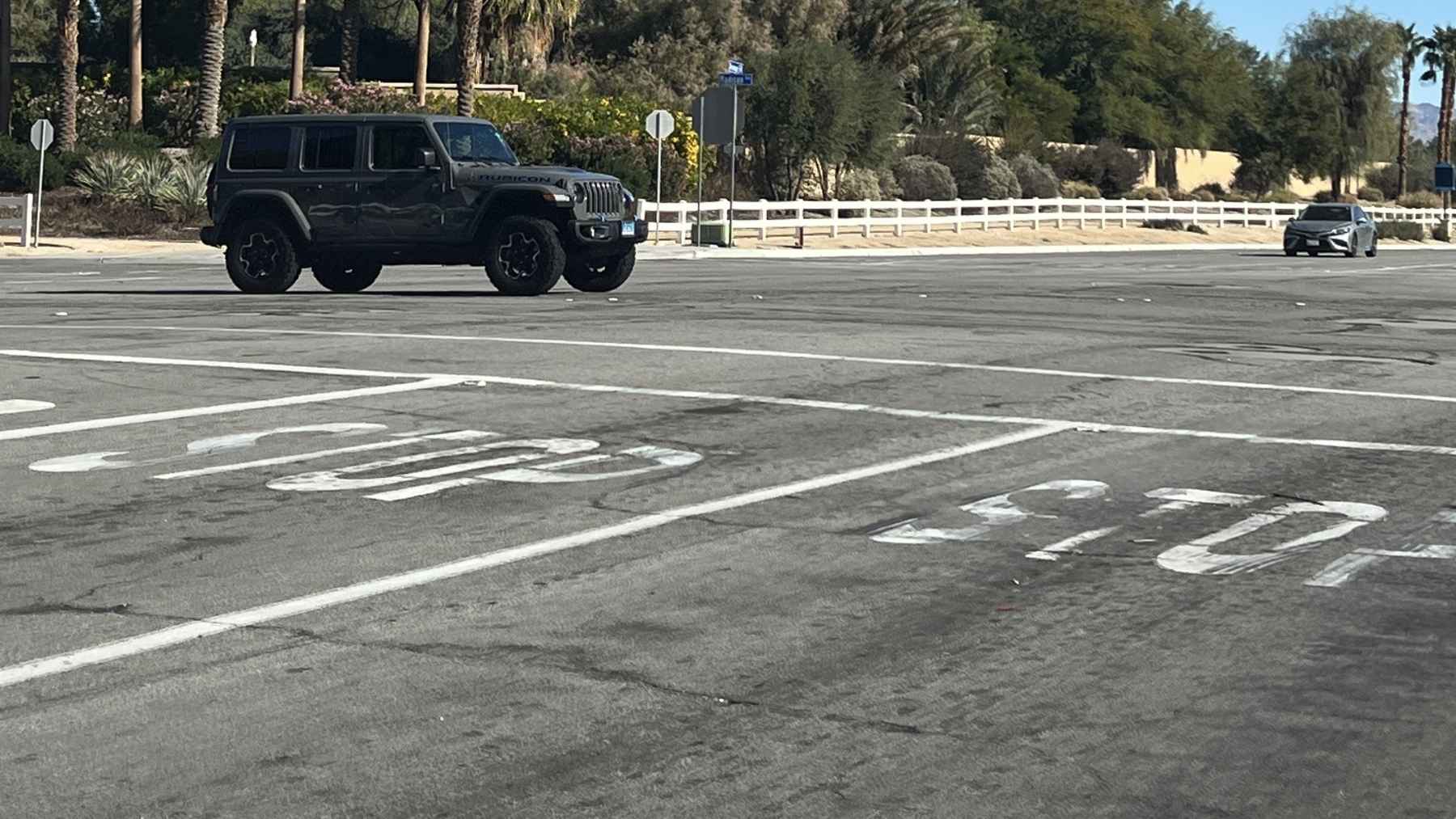
So I just wanted to clear up what those new lines on the road mean—the ones that are half white and half black. These are actually called “contrast pavement markings,” and they aim to address an issue with the usual white lines you probably didn’t even know was a problem. Over time, white lines start to wash out and they can become extremely difficult to see — almost invisible — during certain weather conditions. The black helps our eyes focus, making the lines more visible.
This should help, in theory.
Are the black and white lines on the road actually helping?
Lane departure crashes account for roughly 50% of fatal roadway crashes, usually caused by driver visibility (or distraction, if you’re in Miami). This has made finding a solution for these fading white lines a major mission across the United States.
State agencies have been implementing more white and black stripes across the country over the past few years, even adding glass beads to reflect sunlight or headlights. Research has already shown positive results. The Illinois Center for Transportation analyzed data from six states and found that crashes were reduced by 12% to 29% in areas with contrast pavement markings. That was back in 2022. Two years later, Indiana reported an even bigger turnaround, with 42% fewer crashes on roads with the new lines.
The thing is, it’s not really just the human eye that matters anymore. More and more modern cars have things like lane keeping assist and lane centering, using cameras to detect lane markings to determine the safe and correct position of the vehicle. It’s currently believed that the new contrast pavement markings are beneficial to these cameras as well, giving them a more visible target.
While some drivers have voiced concern over their car not recognizing these new lines, it’s not a widespread problem — and car technology will continue to improve. State agencies are currently studying how different sensors read various road markings to see what is the most detectable in different weather conditions. There is even talks of magnets and radio-frequency identification to help vehicles detect these lines even easier as driving assistance and automated driving becomes more commonplace.