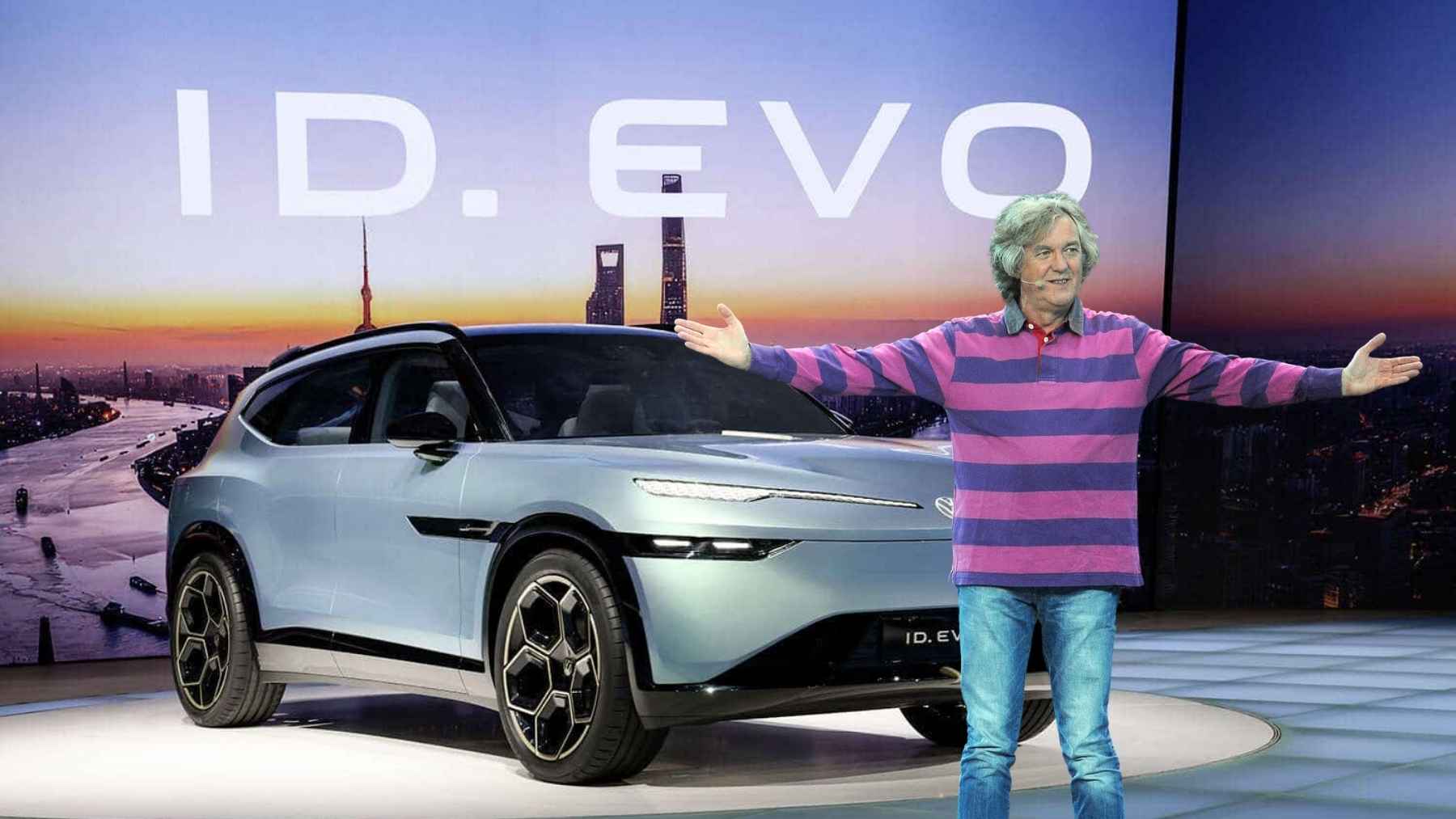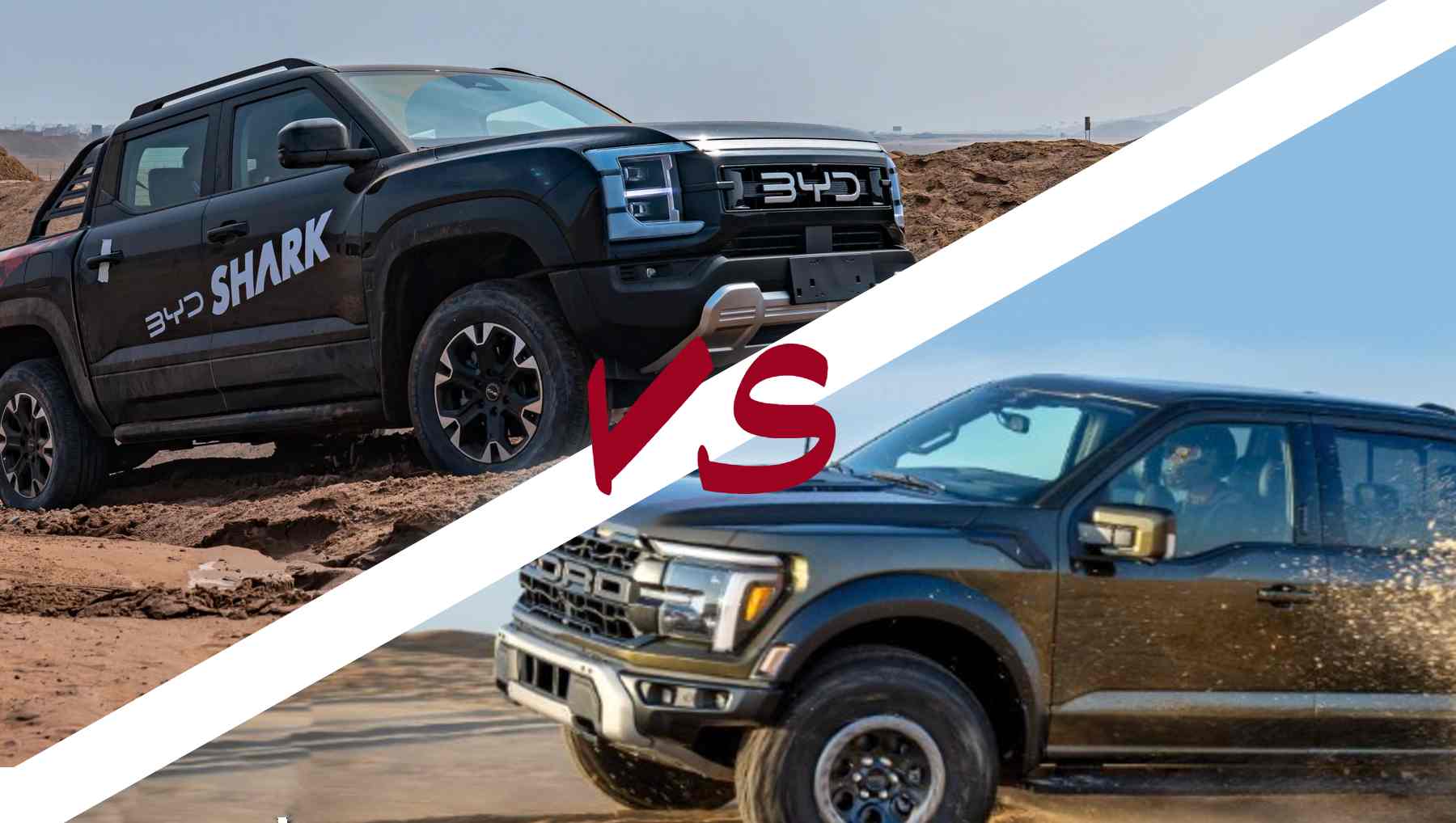
With all the talk of cheap Chinese vehicles hitting North American markets, you may be wondering how much bang for your buck you would actually get with the imported vehicles. Certainly, one recent Reddit thread seems to suggest that Chinese vehicles, particularly domestic hybrids, offer far more power than their American counterparts. But is that actually true?
Well, it gets a little complicated. Chinese vehicles do clearly stand out in one segment, but that tends to be because the US isn’t particularly keen on compact sedans or other smaller vehicles. The Qin Plus DM by BYD and Destroyer 05 DM‑i produce 170 to 180 and 180 to 190 horsepower, respectively. The US has pretty much nothing to offer here, so China wins by default.
You could throw the likes of the Corolla Hybrid and Prius into this segment. Toyota is a Japanese company, but these vehicles are manufactured in the United States. Even then. You’re going to be around 50 horsepower off what the Chinese are offering with the ‘Rolla, though the Prius is pretty much equal to the Destroyer 05 DM‑i.
Things sort of reverse if you start looking at the mid-sized sedan, but again, only if you’re looking at the likes of Toyota. American manufacturers have essentially ditched the sedan in the current era. If you do consider the Camry or the Honda Accord to be as American as apple pie and flyovers before NASCAR races (which Toyota does take part in, by the way), then the US splits a point. You’re looking at 210 to 220-ish horsepower for the vehicles, which roughly matches the likes of the BYD Qin L DM-i (200-218 horsepower). So calling it a draw here is fair.
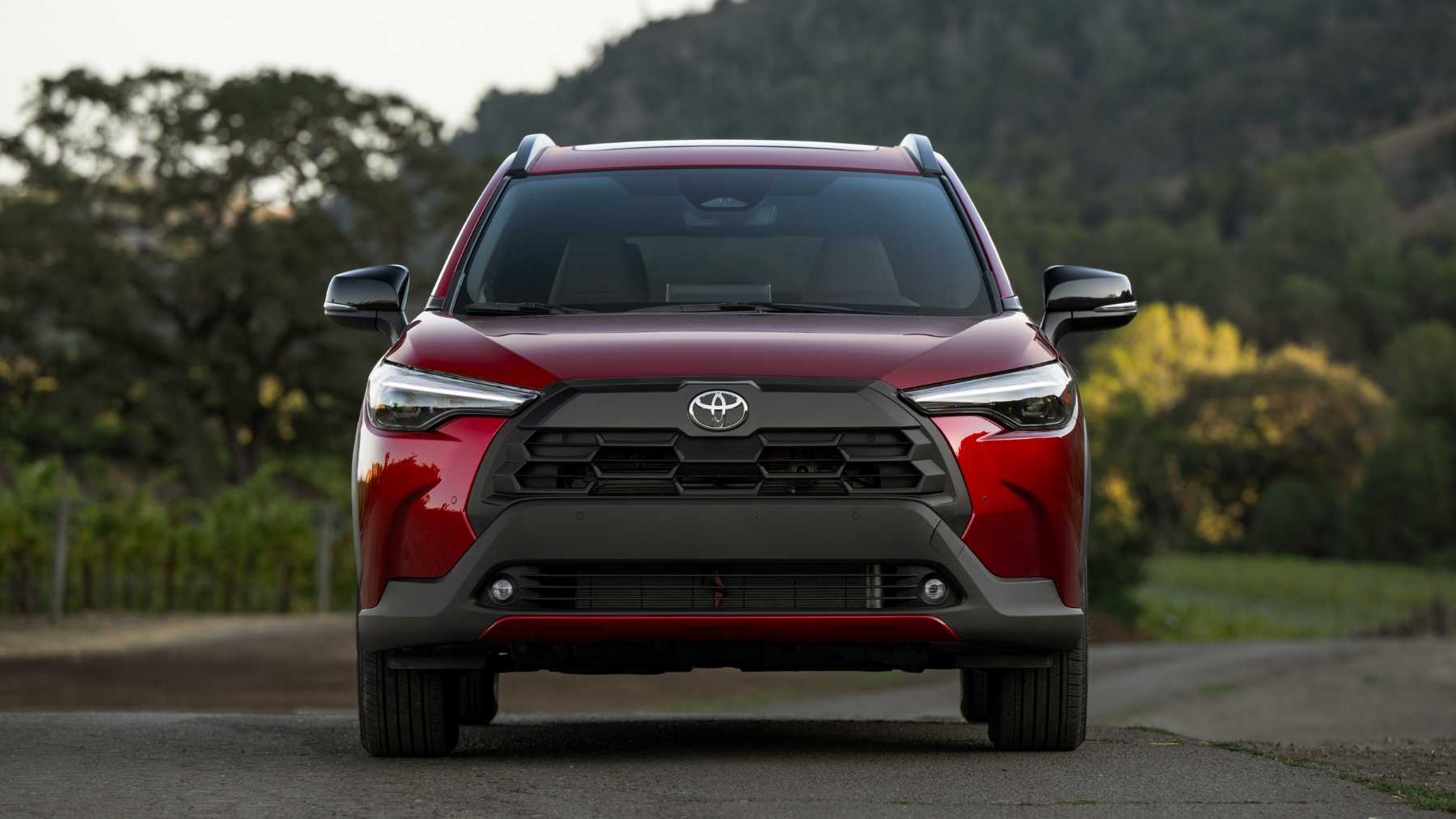
Toyota and Honda are waving the American flag again in the compact crossover segment, as the “big three” have pretty much ditched this category, too. Here things are pretty close. China’s BYD Song Plus DM-i produces between 218 and 240 horsepower, which puts it right into RAV4 and Honda CR-V territory. Though you could argue that the Chinese slightly edge out the two biggest sellers in the US here.
The Dodge Hornet R/T PHEV would have scored well here, but as with a ton of other vehicles, it’s been discontinued. So it’s not bringing its frankly vicious 288 horsepower to the table. It’s joining the likes of the Ford Escape in the crossover graveyard.
As we move on to larger vehicles, the actual American OEMs come riding in, whooping and blasting Hulk Hogan’s entrance music through their upmarket speaker systems or something. China does give a solid showing here. The Li Auto L-series offers around 408 horsepower, while the BYD Han DM-p goes all the way up to 490. But the Ford F-150 PowerBoost is more than a match for the Li Auto L-series, with around 430 horsepower. If you put the Ramcharger in there against the more powerful Han DM-p, it’s not even close. The Pickup Formerly Known as Dodge has 660+ horsepower. You can argue that the BYD Han DM-p is a sedan, but it is one of the most powerful mass-market Chinese hybrids.
And let’s be fair, you’re not matching the RAM with anything here.
There are a couple of things to note, too. With Chinese hybrids, the battery provides most of the power. They essentially function as EREVs. As with normal EVs, that power drains a lot of battery. So if you get your foot down in a Chinese hybrid, it’s not going to be putting out peak horsepower for very long. If the engine can’t keep the battery charged, then performance is going to be restricted, so you don’t run out of juice.
What about non-hybrids? Do Chinese vehicles beat their US equivalents there?
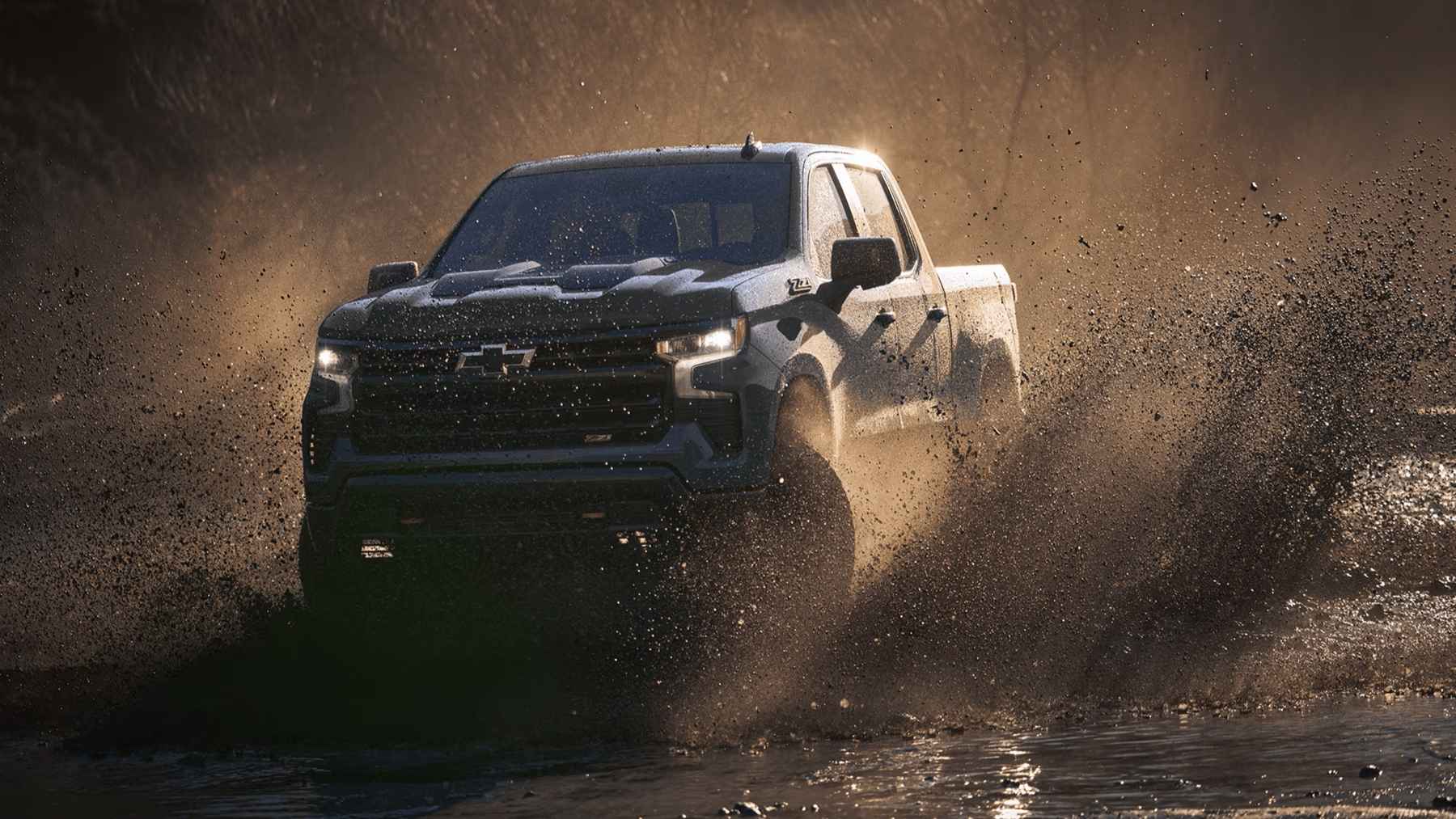
While China seems pretty happy with things like coal-fired power stations, it’s pretty harsh when it comes to vehicle emissions. This is is why you tend to see ICE vehicles with tiny, little, naturally-aspirated, 1.5 liter engines — if you see them at all. These vehicles, like the Geely Emgrand, produce a smidge more than 100 horsepower at best. Respectable back in the 1970s, but incredibly underwhelming in 2026.
In situations where US manufacturers are producing little, piddly, 1.5 liter engines and dropping them in something cheap like a Chevy Malibu, they tend to include a turbocharger. This bumps the horsepower north of 150. Most vehicles sold in the U.S. tend to have a larger engine than that, and north of 200 horsepower is pretty normal in an American vehicle these days. Premium vehicles, or larger platforms like trucks and SUVs, are even more powerful, averaging 250 to 400 horsepower, with many higher trims and premium models pushing even higher.
You’d think that with Chinese EVs constantly being in the news, China would absolutely dominate this segment. If Tesla goes head-to-head with itself, then China sort of does. The Asian market exclusive Model Y L has about 40 more horsepower than its standard-length American sibling for some reason. But America dominates here for the same reason it won with the ICE vehicles.
Most Chinese EVs, the vast majority that sell, are subcompacts with piddly little 75 to 100 horsepower motors in them. Like the BYD Seagull. It wins its own category by default, because America just didn’t bother to enter anything.
American EV strategy seems to be different. Most OEMs have decided the best way to sell BEVs as a concept to a nation built on massive, thirsty V8s is to dial the power up to 11. Which is why you have the likes of the Mustang Mach-E belting out 480 horsepower, or the Rivian Gen2 Quadmotor popping out 1,025 horsepower. The Lucid Air knocks out anywhere between 430 horsepower at the low end to a staggering 1,234 horsepower if you manage to snag a sapphire.
The Chinese do have the odd outlier, though. The 3,000+ horsepower BYD Yangwang U9 Xtreme is, by all accounts, the fastest vehicle in the world right now. But it’s limited to 30 units, as these things often are. There are other little exceptions too, but in terms of EVs you can actually stroll into a dealership and buy, horsepower just isn’t China’s thing.
Chinese vehicles aren’t more powerful than their American counterparts
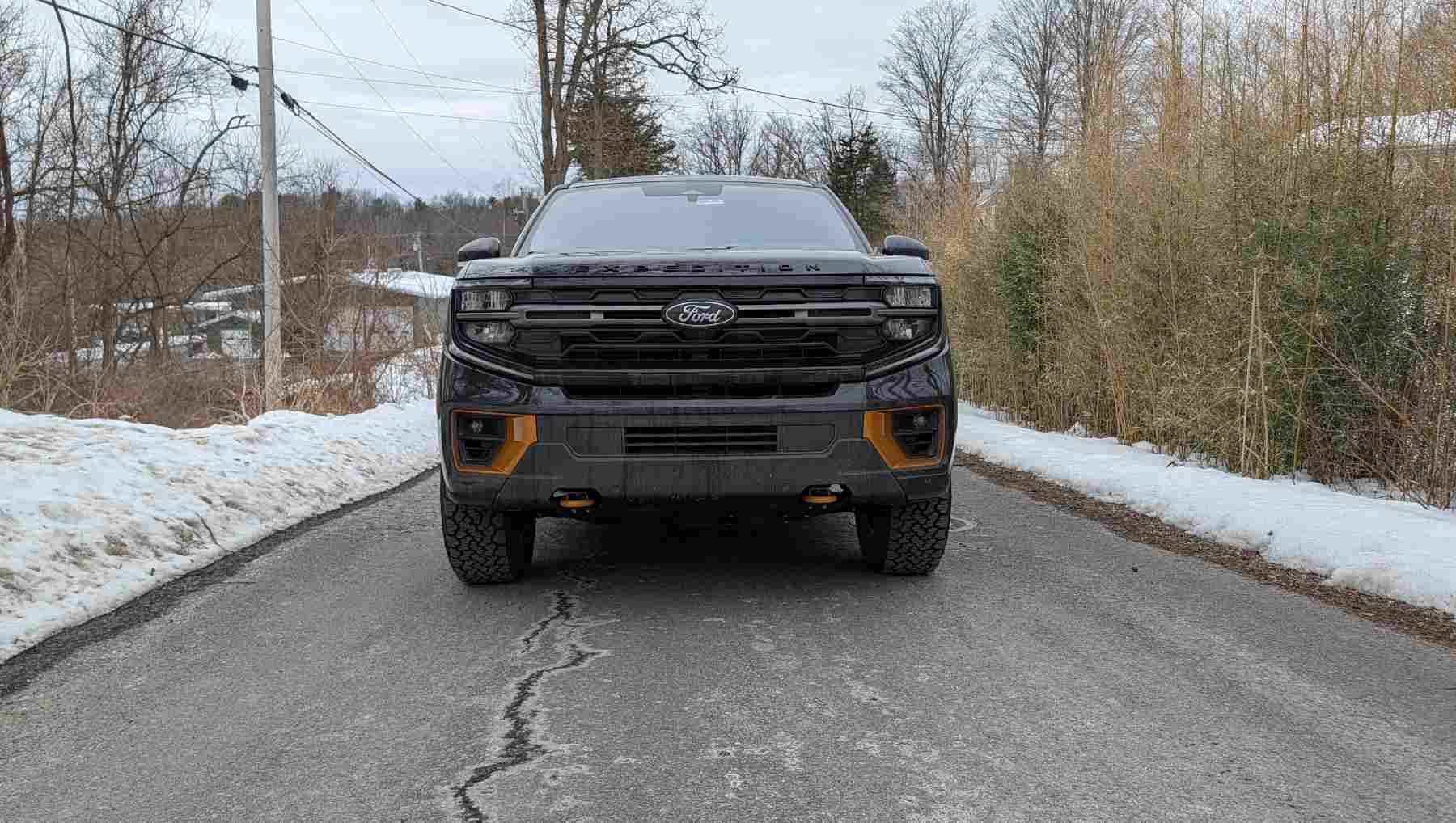
So, what have we learned? Well, there are a few areas where Chinese vehicles are more powerful because the US manufacturers just don’t make that kind of vehicle. Americans have never been big on compacts, and vehicles have only gotten larger in the past couple of decades.
Where vehicles of a certain type are sold in both countries, hybrids are about equal, while US ICE vehicles and BEVs are notably more powerful than their Chinese counterparts. With one big exception right at the ultra-high-end.
China does win out in strict “horsepower per dollar” terms a lot of the time. But with average vehicle costs in the United States almost double those in China, that was always going to be the case. It’s not a fair comparison either; you get more square footage per dollar of house value in Gary, Indiana, than in Manhattan. It’s not the same market; comparing prices is irrelevant. Though it will be interesting to see how things compare if Chinese EVs do end up for sale in the US, as current trends suggest they may.