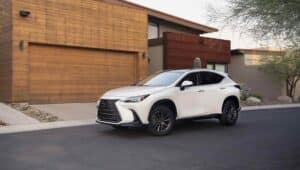

There are no longer any cars for sale in the United States that are below $20,000.
For anyone looking to buy a car in 2026, it’s not going to be a surprise to hear that car prices are increasing. A very unnecessary study (which I hope wasn’t paid for) found that you need more money to afford these higher-priced new cars. A very “water is wet” moment for the car industry.
As the updated average price for a new car inches up to $50,000, America no longer has any new cars that could be considered cheap by international standards. And it has actually revealed a pretty contradictory view on the types of cars Americans desire.
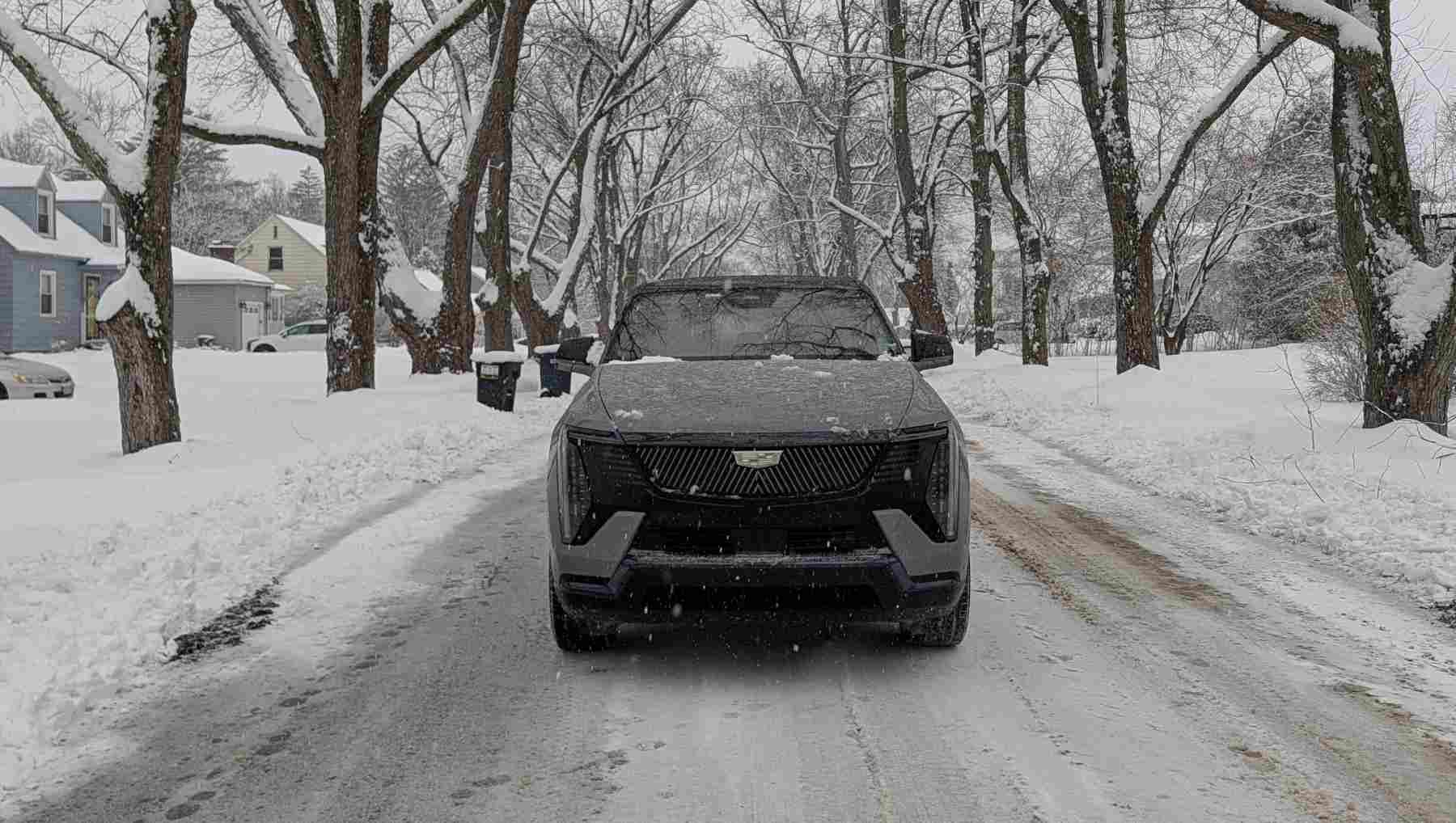
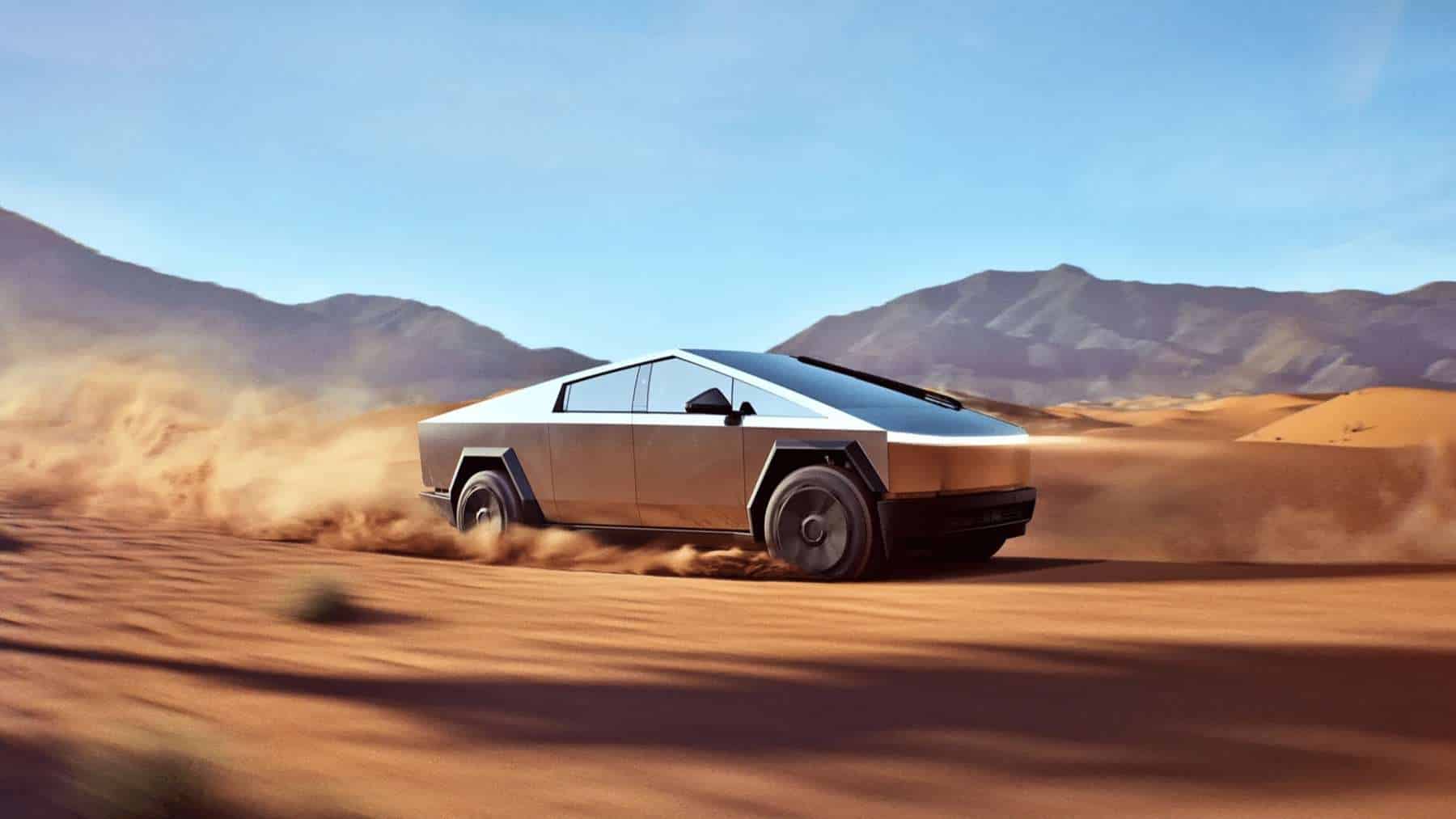
According to January 2026 transaction data gathered by Cox Automotive, Americans are buying larger and more luxurious vehicles. An Executive Analyst, Erin Keating, even noted that there are “plenty of options” that are lower than average, but Americans apparently want the big, obnoxious, excessive vehicles. This has led manufacturers to drop their budget-friendly models and create more large, luxury vehicles in response to demand. You can apparently thank the Hummer H2 for starting this American stereotype in the early 2000s.
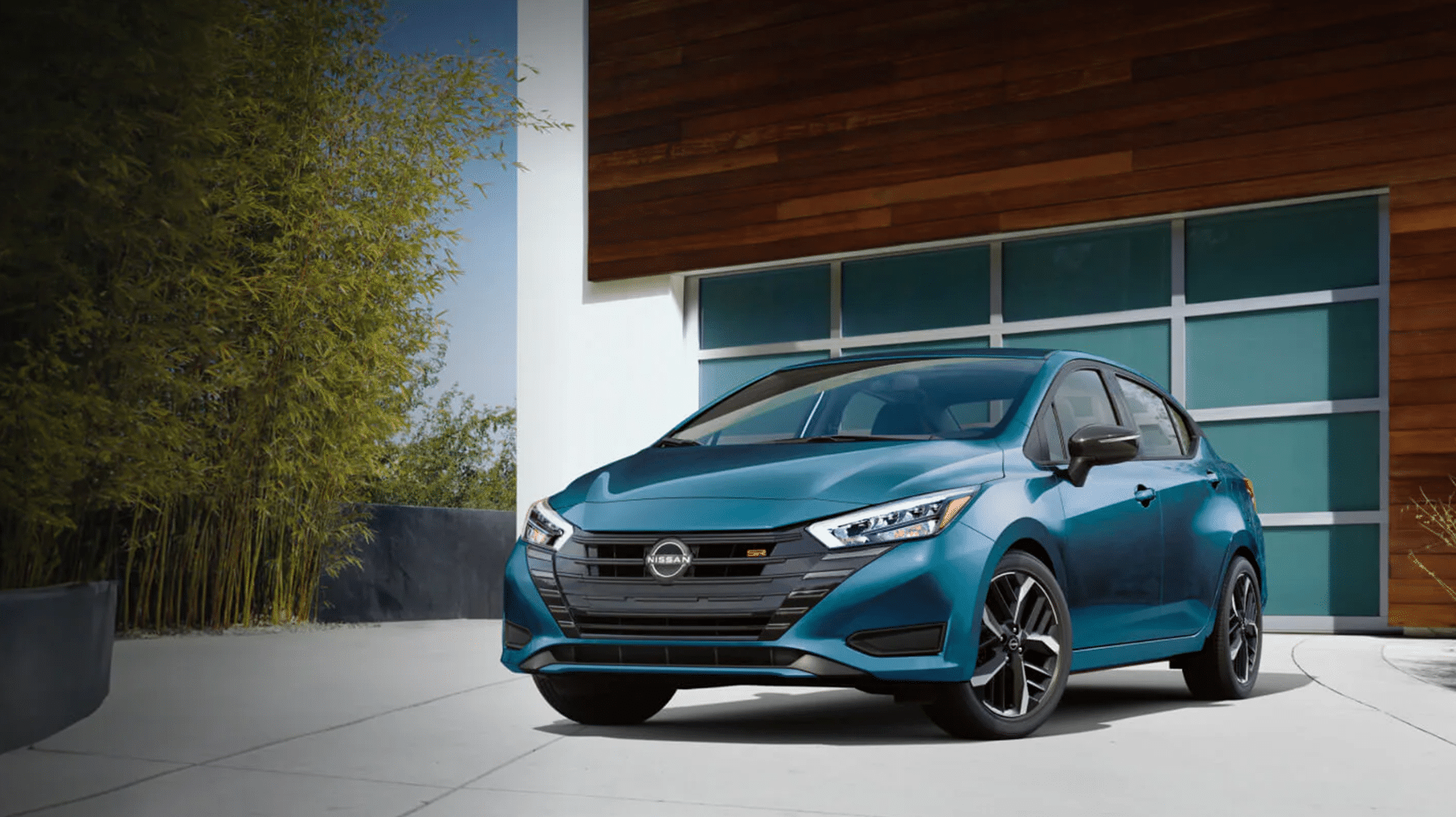
Some carmakers have clung to their cheap models, but had to throw in the towel in the last few years. By mid-2025, one of the last remaining sub-$20,000 vehicles couldn’t hold on any longer. Discontinued in 2024, the Mitsubishi Mirage’s final MSRP was $16,695 for the base model. In 2025, only 1,700 new Mirages were up for sale, according to Kelley Blue Book. And of those 1,700 new Mirages, only 691 were priced under $20,000 by then. The 2025 Nissan Versa had a starting price of $18,585, still under $20,000, but was discontinued. Going into 2026, the sub-$20,000 vehicle has gone extinct in America.
“January’s pricing story is really a reminder of how much mix still matters in this market,” said Keating. “We hit a new January high even as prices naturally pulled back from December’s luxury-heavy finish. Consumers are still finding plenty of options below the industry average, especially in core segments like best-selling compact SUVs, but the disappearance of true entry-level vehicles continues to raise the floor. At the same time, strong sales of full-size pickups and large, luxury SUVs keep pulling the averages up, proving that demand for high-priced models remains incredibly resilient.”
Are Americans really to blame? Did they kill the cheap cars by desiring big, honking SUVs and oversized trucks, as Cox Automotive data suggested?
Americans have always wanted cheap cars, but automakers weren’t listening
At the start of January 2024, Toyota Motor North America told Automotive News that it was receiving a “surprising” number of requests for the Corolla. Americans were looking for an affordable entry point, but couldn’t find many out there. That’s because over the past decade, automakers have dropped more and more low-cost models and added more expensive ones to their lineups, after noticing that luxury vehicles were outselling cheap ones. But why weren’t Americans buying cheap cars? Was it because they were lame?
No, it’s because people couldn’t afford to buy a car. Period.
With average Americans struggling to purchase a car, especially amid high interest rates in 2023, only high-income consumers with excellent credit could afford new cars. These six-figure buyers purchased more expensive vehicles, making it look like Americans were ditching the cheap cars for luxury models. And automakers ran with it.
As car prices have continued to skyrocket, fewer and fewer people can afford them. There are six vehicles left in America that sell for under $25,000, but the families these cars are aimed at often struggle to pay that price. In response, they don’t even bother going to dealerships anymore. This makes it look like everyone hates the 2026 Toyota Corolla LE and is demanding more BMW M5s. But we swear, we want the Corolla! It’s just that the average American can’t even afford to buy groceries in 2026, let alone drive a $24,000 car off the lot.
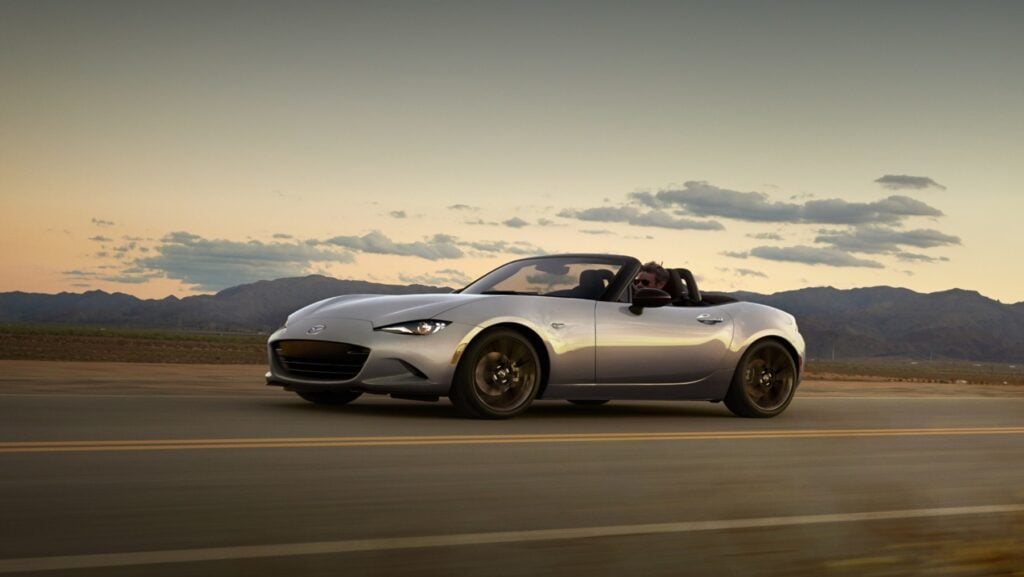
Automakers have finally started to take notice now that their large, luxury vehicles are not working out. With middle-class families cutting back on spending in 2026 as prices increase and the job market dwindles, fancy vehicles are not at the top of the list. Meanwhile, these expensive vehicles are sitting in the lot, costing carmakers billions due to higher tariffs and production expenses. Automakers are noticing that American consumers are cutting costs in whatever way possible, like opting for entry-level models without any fancy trims. Maybe they shouldn’t even bother with the trims then? That’s what Mazda is wondering as it cuts back on fancy detailing to save money amid tariffs that are ravaging the company.
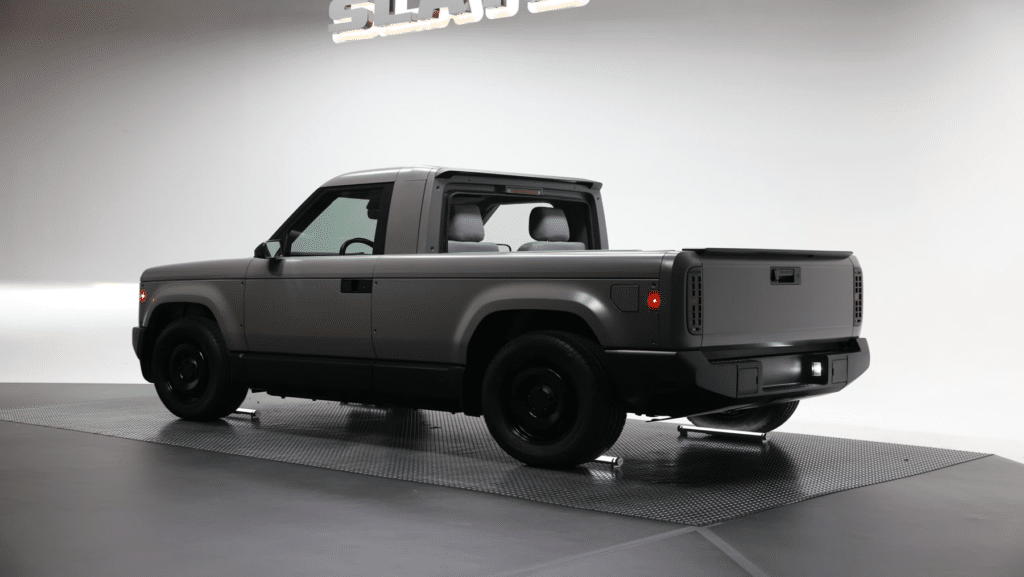
But maybe it’s time for automakers to accept that Americans want cheap, small cars. They just need them to be actually cheap and they’ll buy them. I recently pointed out how the Ford F-150 Lightning, a large electric pickup priced at $50,000, failed after three years. But meanwhile, Americans are excitedly pre-ordering the Slate EV pickup, a plain, sorta-ugly, minimalistic truck with no features that will cost $25,000 to start. Ford noticed as well and has been heavily promoting its future $30,000 EV pickup, which it hopes will compete with Chinese EV automakers as they head to Canada. I’m not sure how it will do against China’s $18,000 EVs, which bring us back to that sweet spot for cheap cars we had a few years back. But it’s a start.
As American automakers continue to find ways to reduce the prices of existing models and build cheaper alternatives, I think it’s safe to say that Americans never wanted these oversized beasts to begin with. Lower-income Americans just didn’t have a voice, since automakers were only listening to the “ca-ching” of money being spent rather than families struggling to even afford a $25,000 vehicle. With America recovering from inflation and active tariffs ravaging the economy, I don’t think we will get to that sub-$20,000 price point again. But this is all a good start in the right direction.
Still, can’t help but be jealous of Canada’s incoming Chinese EVs.