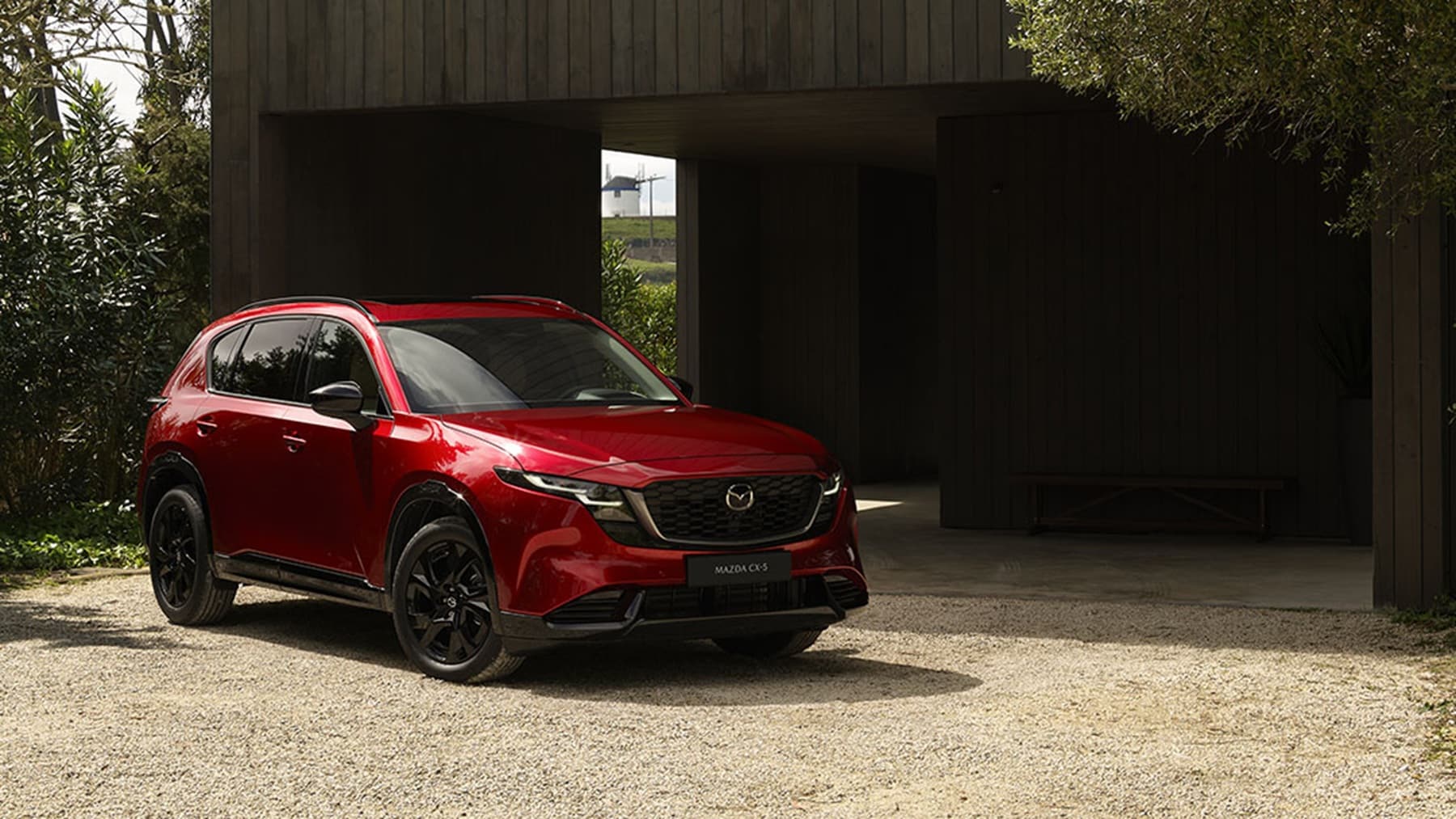

The Mazda CX-5 is getting some changes to cut production costs for its 2026 model, but the carmaker doesn’t think they’ll be noticeable.
The CX-5 is Mazda’s best-selling model, reaching 5 million global sales in 2025. In the United States, it sold about 136,300 units, an increase from 2024. The third-generation CX-5 is planned for early 2026, and it’ll include some small changes in areas that buyers won’t really care about, promised Chief Financial Officer Jeffrey Guyton.
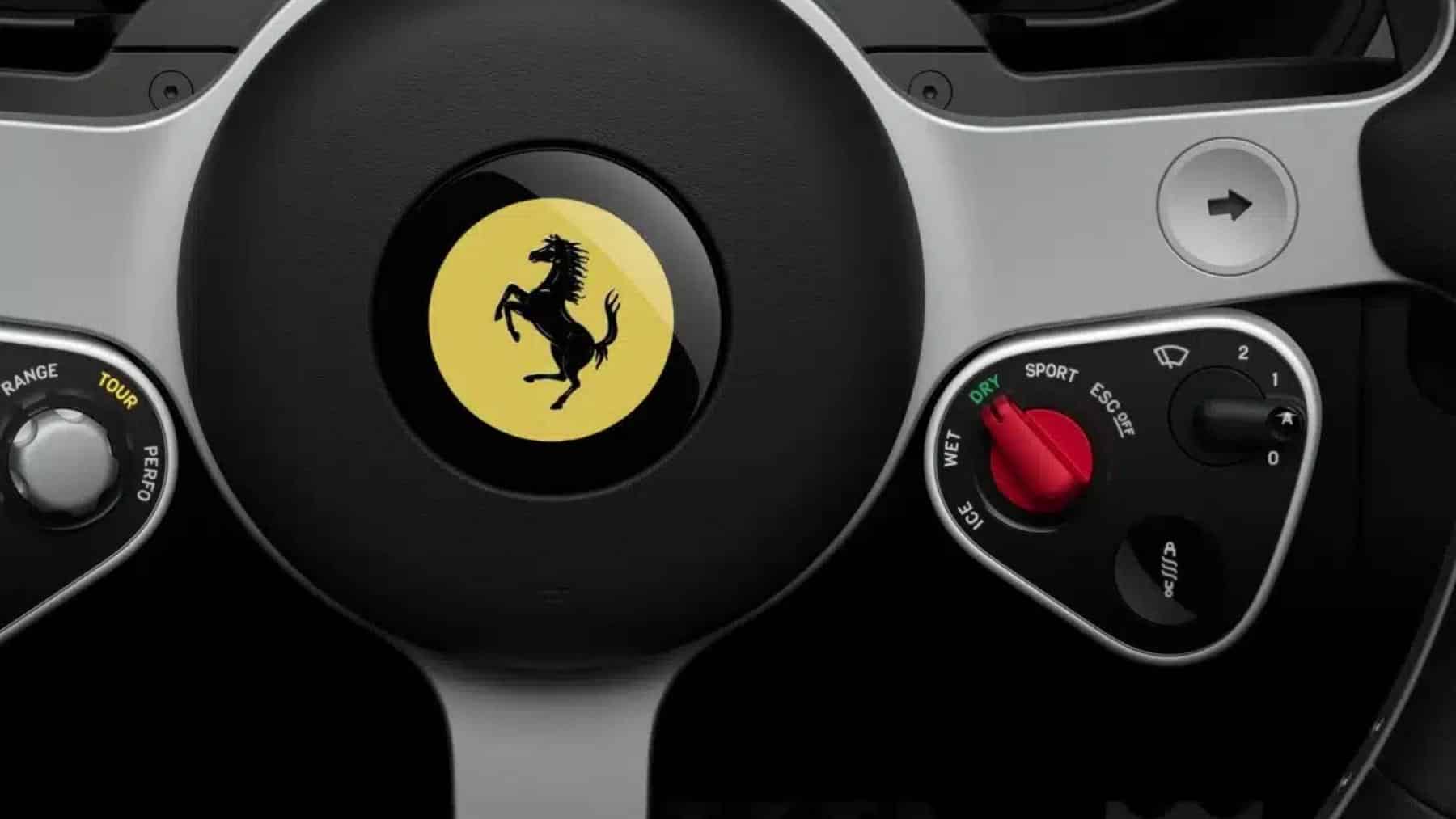
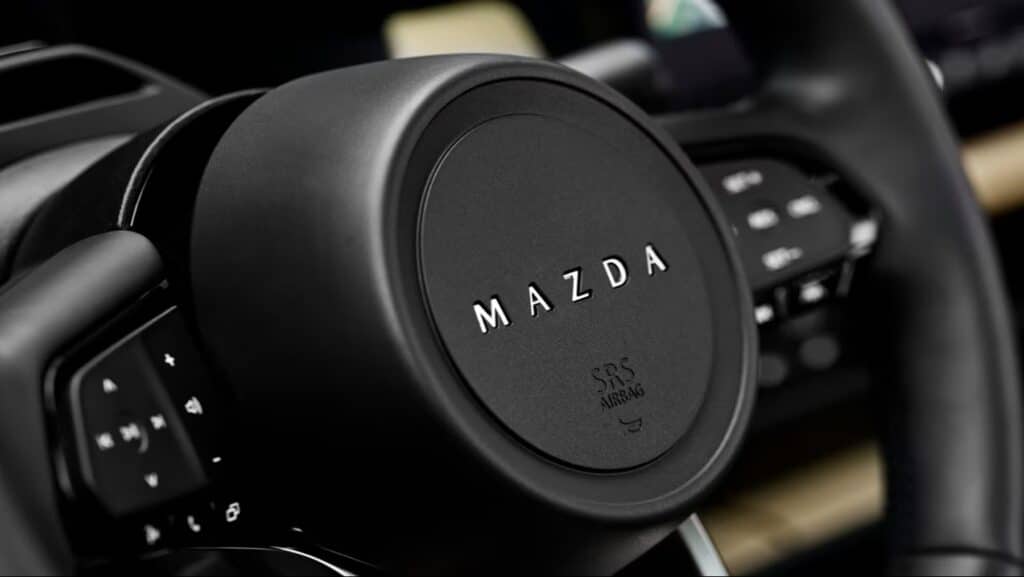
According to an Automotive News report, these cost cuts are “hidden” throughout the CX-5, although Guyton wouldn’t give very many specifics. An example, however, is the CX-5’s steering wheel. The previous models had leather that was very precisely stitched to ensure all of the seams lined up perfectly straight. However, this is something that Guyton felt drivers didn’t notice, so why pay extra to do it? The Mazda CX-5 will still have the same leather going forward, but it’s switching to angled stitching to skip some steps and save money.
These small changes that customers “won’t notice” coincide with the known updates coming to the third-generation CX-5. Mazda worked with Nippon Steel to trim costs and weight from the body, making the SUV longer and wider than the previous CX-5 without increasing its production costs. With Japanese woodworking details, LED-accented headlights and taillights, ambient lighting options, a larger touchscreen, and a spacier cargo and rear passenger area, the 2025 Mazda CX-5 will be plenty different. Maybe even enough to distract you from the small cost-cutting measures that they secretly made.
Mazda, Subaru fight United States’ 15% tariffs on Japanese imports
Mazda is one of many car manufacturers trying to figure out how to deal with the United States’ massive import tariffs. In September 2025, President Donald Trump imposed a 15% tariff on Japanese imports, down from 27.5%. But the 15% tariff is still enough to hurt manufacturers with factories in Japan – like Mazda, which will face an estimated $1 billion in tariff costs this fiscal year. It’s one of the reasons that the MX-5 Miata has soared past $30,000, putting an end to an era of affordable sports cars.
And Mazda isn’t alone. Subaru, which has factories in Japan and America, reported an operating loss of $233 million in 2025 due to tariffs. The carmaker has taken a different route to deal with the tariffs, however, by making its Forester and WRX cheaper. Subaru is hoping the reduced pricing will entice American buyers amid rapidly rising new-car prices.
American automakers are also feeling pressure from tariffs on various materials and car parts. Ford has announced an entirely new lineup of cost-effective EVs that it hopes will keep Americans so preoccupied they don’t notice China’s continually lower prices. That may be tough, however, with Chinese EVs making their way as close as Canada.
Will Mazda’s secret cost-cutting measures be effective enough to fight tariffs? Will Subaru increase its sales in America? Will Ford’s new electric pickup actually remain at $30,000? You’ll have to find out next time in the next episode of “Carmakers vs. U.S. Tariffs: Attack! Attack!”