
While everyone’s looking for ways to make cheaper and cheaper EVs, Mazda had its head down focusing on the important things: making rotary engines a thing.
The RX-7 was discontinued by 2002 due to its signature Wankel rotary engine, which was super costly to manufacture and maintain, got drivers pretty awful fuel economy, and didn’t meet increasingly strict emissions regulations. But it’s the same Wankel engine that made the RX-7 an iconic JDM car that collectors and drivers still praise to this day.
Well, it seems like Mazda can’t get over the Wankel either and has been looking at ways to introduce a cost-effective rotary sports car for years.
The RX-7’s spirit lives on (sort of)
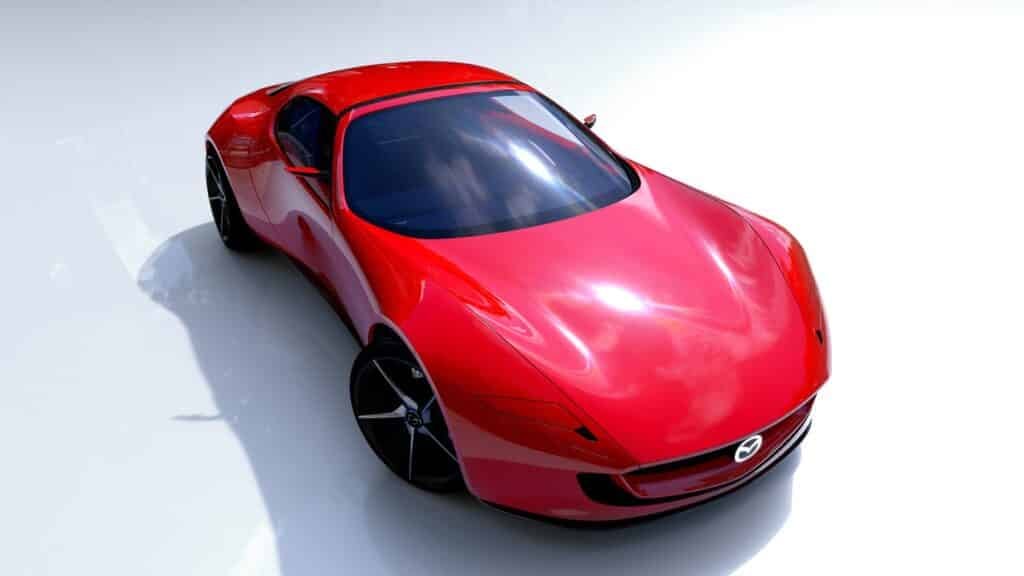
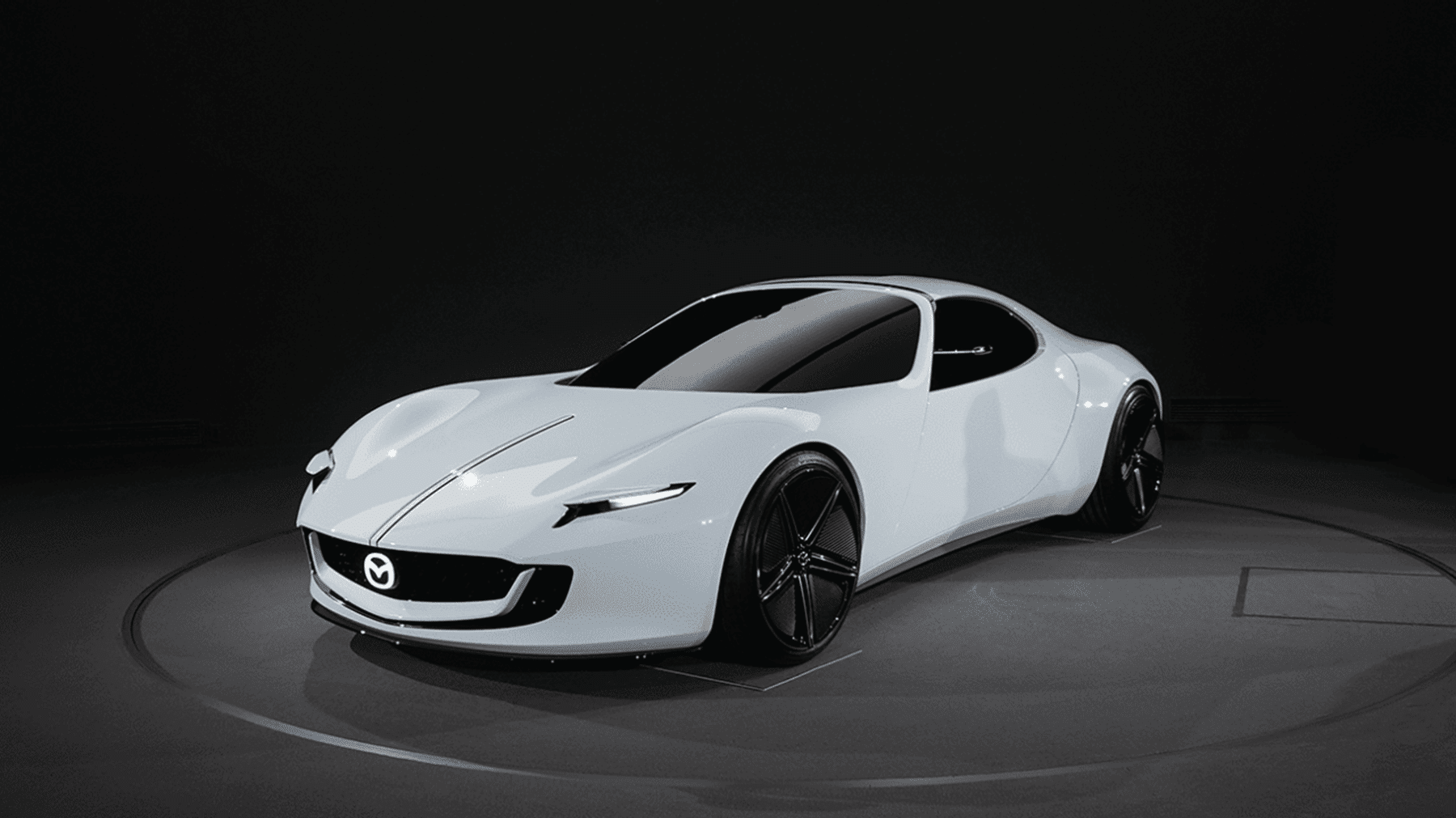
Over the past few years, Mazda has continued to file patents and tease us with concept cars in its continued effort to make rotary engines a thing in a world filled with cheap EVs. Then, Mazda revealed the Iconic SP at the Japan Mobility Show in 2023 — and the concept seems to have stuck around.
At the time, Mazda’s design division general manager Masashi Nakayama told attendees that the plan was to mass produce the Iconic SP. It apparently wasn’t just a peculiar concept, a novelty to daydream about. The Japanese carmaker was still very much invested in the idea of a rotary engine-powered sports car.
Well, it’s now been two years. Is the Iconic SP just another letdown? Will we get our inconvenient, environmental hazard sports car from Mazda? Yes, according to a recent interview with Auto Express. Will it be cheap? Uh, maybe.
But is the rotary sports car for ordinary folks?
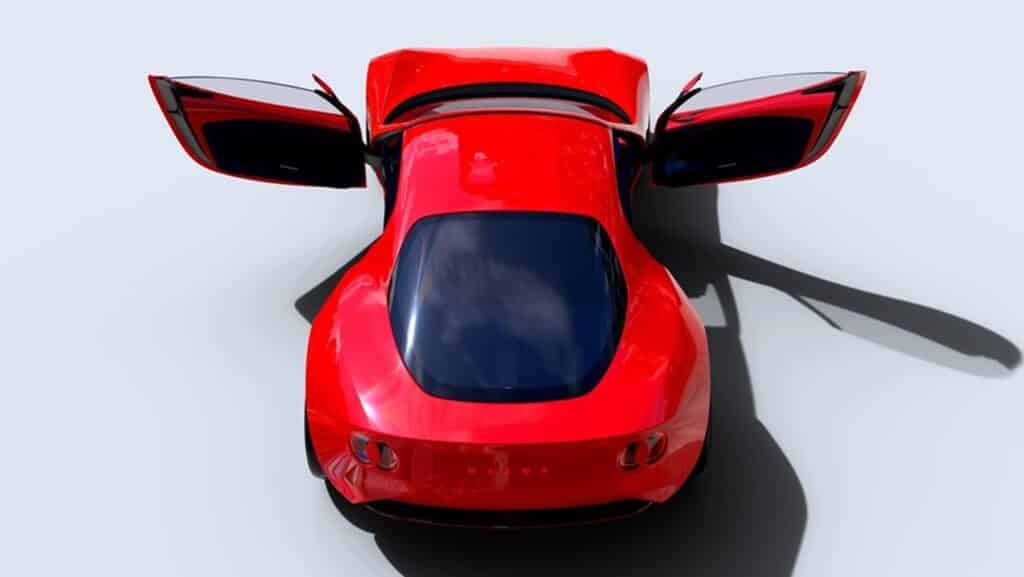
Auto Express recently spoke with Mazda’s Brand Product Planning Supervisor in Europe, Mortiz Oswald, about the continued idea of a rotary engine sports car. He said that if it’s “feasible,” then Mazda would “make it happen.” The carmaker is full of “enthusiasts” that want to bring something more than the MX-5 to people who truly love driving.
“The amount of car enthusiasts in this company is insane,” he said. “Everybody loves cars, so of course there is a deep desire to keep on launching emotional products. So are we looking into that? Yes, of course. But again, we are also a company that has to bring in revenues.”
Showing off these tantalizing concepts has been part of the process, Oswald promised, explaining that the team wants feedback. They want to see if we truly want a rotary engine sports car in the big 2-6. That means there is still no solidified model and no timeline for the rotary sports car.
One of the big issues has been making this car accessible to a wide range of car lovers. Oswald noted that anyone can make a “credible sports car” if they’re selling it for $100,000. The real challenge, however, is making a car for “normal people,” he said.
“One thing you must understand, Mazda stands for cars for ordinary people,” added R&D Mazda Europe’s Deputy General Manager Christian Schultze.
However, it should be noted that the Mazda MX-5 recently surpassed the $30,000 threshold, meaning there are no longer any affordable sports cars in that category. It has felt like the end of an era, killed by Mazda. This latest development makes it hard to believe that the rotary sports car would be as accessible and “ordinary” as Mazda is claiming (and hoping), especially since the rotary engine was so expensive to manufacturer in the past.