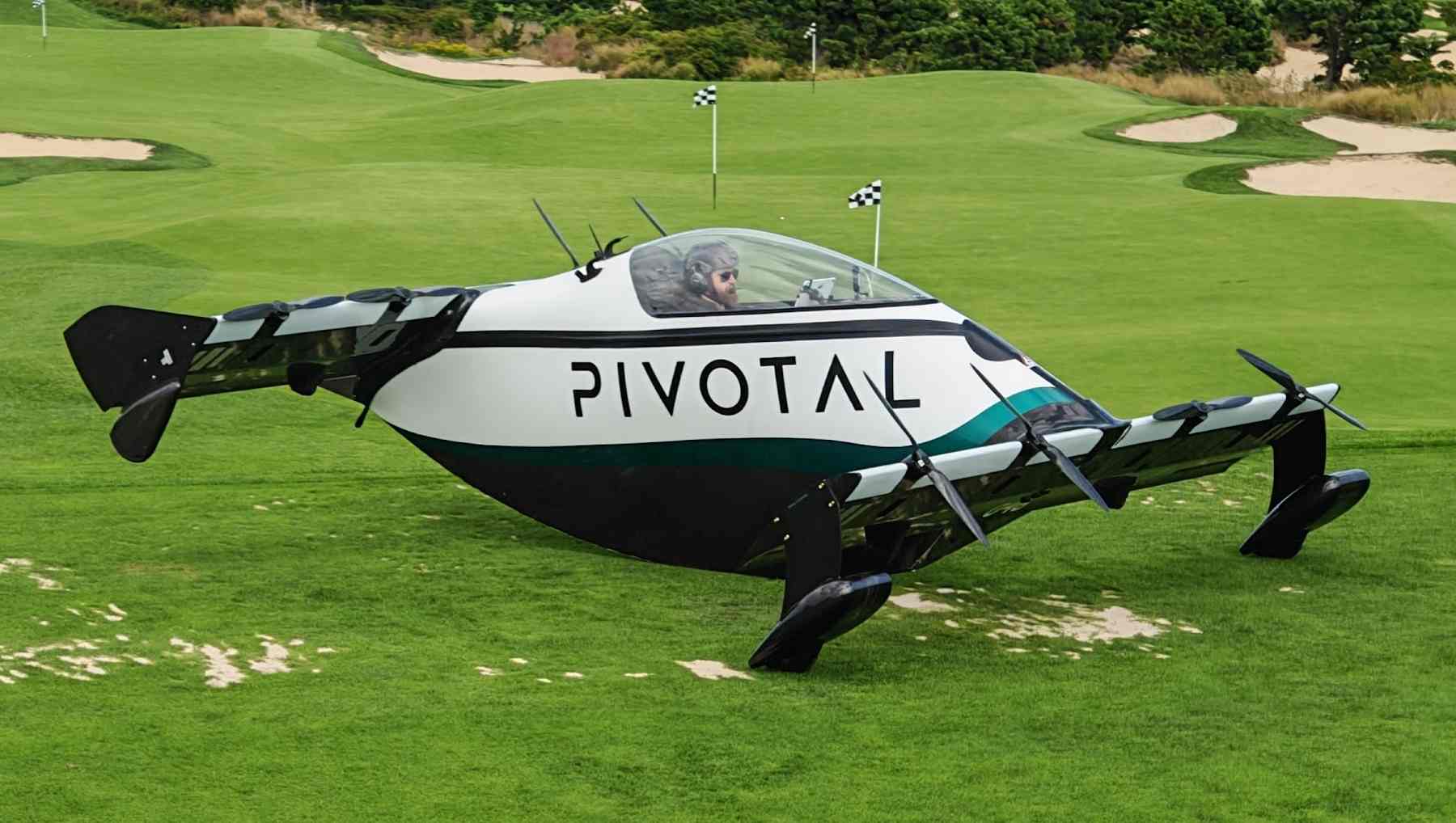
It’s a bird! It’s a plane! No, wait, it’s just someone who can afford to drop $200K on a piece of personal transport. The Pivotal Helix, which is a flying car that pretty much pilots itself, has finally hit the market.
The little electric aircraft can hit speeds of up to 62 miles per hour and fly for up to 30 minutes on a full charge. Though the spec sheet specifies a “20-mile” range and the ability to go for 20 minutes flat out.
You may have spotted Pivotal’s aircraft before. It was announced way back in 2014, and working prototypes have since shown up at events like CES and car shows like The Bridge.
The Pivotal Helix is safer than it looks
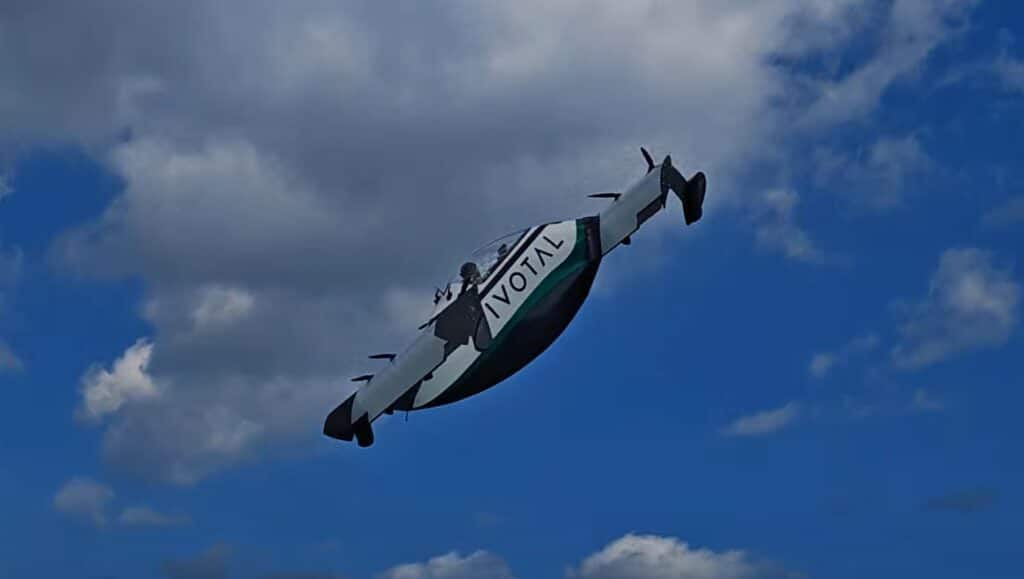
Safety is central to the Helix. The whole thing runs on autopilot and features vertical takeoff and landing. So it will avoid terrain, take off directly upwards from a safe spot, and find an equally safe spot to set down at the end of the trip. If you get too distracted by the novelty of it all, and your battery runs low, the aircraft will overrule you and force itself to safely land before you get into any real trouble.
Finally, parachutes are also fitted to the aircraft, which can be deployed if anything goes dangerously wrong. Of the 9,000+ recorded Helix flights so far, only 2,500 or so had a human pilot sitting in there. So the self-flying feature is pretty solid (although a lot of drivers don’t even trust autonomous vehicles on the ground.)
The flying car itself costs $190,000, but there are a few ad-ons available. You can nab a trailer designed to transport the aircraft for an extra $21,000 and an official charger will set you back $1,100. Those ordering a Helix are expected to drop a $50,000 deposit down once the paperwork is complete. The trailer is probably a necessary purchase, as recovering your Helix from a random spot it pitched down in well away from a charging source may be difficult otherwise. The price is pretty reasonable — it’s less than most supercars and not too far off what surprisingly average vehicles cost these days.
With that being said, you shouldn’t expect to slap a couple of hundred grand down and fly out of the dealership this afternoon. While the ultralight aircraft are now officially “on sale,” delivery is still a few months away. Pivotal are optimistic they can have customers flying around by the end of 2026, but delays can happen. Then, there are a few other formalities to take care of.
The Pivotal Helix doesn’t need a pilots license (but there is a catch)
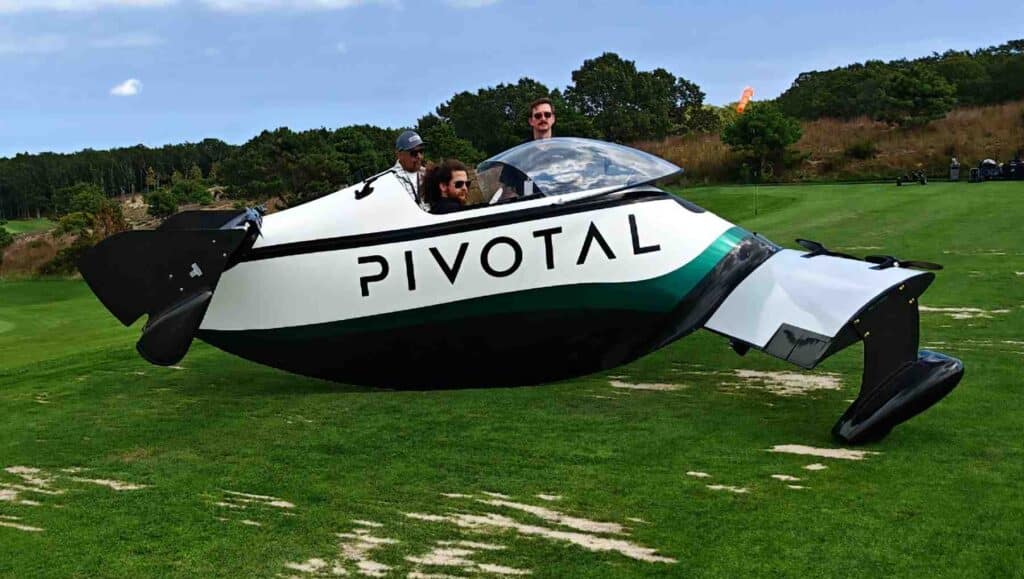
One of the major selling points of the Pivotal Helix is the fact you don’t need a pilot’s license to operate one. This is for a few reasons, the main one being its weight. At 355 pounds, the airborne EV makes it into the “ultralight aircraft” category, which includes things like hang gliders. So in a legal sense, you’re covered.
You can’t just hop in one and take off however — there is still some training required. Pivotal has previously told me that the actual flying part is easy. You could teach a child to pilot the Helix in a few hours using a simulator, they claim. However, the company does take safety seriously. And drilling the various safety mechanics into people’s heads takes time.
So if you do purchase one of Pivotal’s flying cars, expect to spend a couple of weeks training at their Palo Alto-based facility. The training itself is included in the purchase price, though you are responsible for your own expenses. Over 50 people have already completed the training successfully. This includes several members of Pivotal’s staff, some of which fly demos around the country, and an undisclosed number of early customers.
There’s also a weight limit of around 220 pounds. So if you’re on the heftier side, you’re stuck using ground-based transport until you can afford a real helicopter.