
American automakers have been desperately seeking ways to achieve wider profit margins — or any profit at all — after losing billions due to tariffs and other challenges throughout 2025. With new car prices already increasing and Americans unable to afford them, automakers don’t want to raise the actual MSRP if they can help it. This has led to some pretty creative ways to squeeze money out of the deal, and the latest scheme is increasing destination fees.
A vehicle’s destination fee is a non-negotiable, tacked-on charge meant to cover shipping from the factory to the dealership. For a while, the destination fee wasn’t really calculated based on distance — you could pay the same destination fee whether you lived in Hawaii or Nebraska. That’s due to “equalized delivery,” which factors in the cost of shipping to all vehicles on the line to make the payment equal across the board, regardless of miles. But that may have changed, with America getting the brunt of it.
American automakers lose all reasoning with massive destination fee spike
Going into 2026, automakers have been breaking the “equalized delivery” tradition, and it’s leading to some questionable variables. And many of the offenders are American brands.
While you’d expect some exotic luxury brands to have high destination fees, a lot of American automakers have been raising destination fees like crazy. In 2025, GMC and Chevrolet raised their destination fees from $1,995 to $2,095. This went up again in 2026, now $2,595. Ford and Ram saw this as an invitation to raise their destination fee to $2,595 as well. Weirdly enough, GMC and Chevrolet raised their destination fee again, bringing it to $2,795.



In comparison, Mercedes-Benz has an average destination fee of $1,250, Porsche is at $2,350, and Lamborghini is at $3,000 to $4,000. And these have to travel overseas. It highlights just how shocking the destination fees are for American automakers, which began increasing them after President Donald Trump implemented illegal tariffs on imported vehicles and car parts.
“They are hiding some of the tariff costs in the destination charge,” said Telemetry Vice President of Market Research Sam Abuelsamid to USA Today. “Because you can’t opt out of the delivery charge even if you live next to the factory and pick up your vehicle at the gate. It should just be part of the price.”
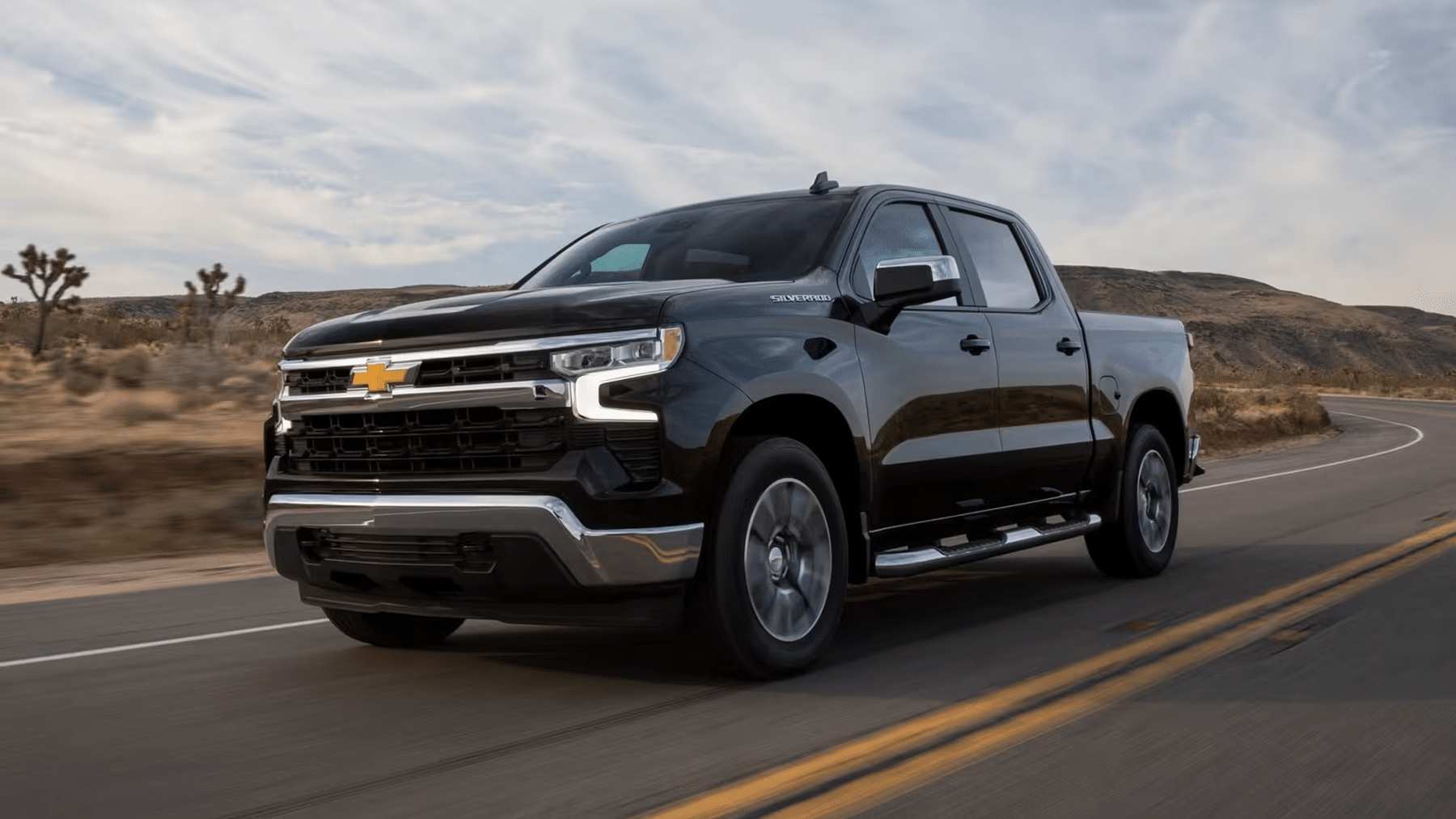
At this point, the 2026 Chevrolet Silverado starts at $36,900 plus $2,795. This puts the base price at nearly $40,000 without any bells and whistles. That’s a price that doesn’t sound nearly as good, and that destination fee cannot be negotiated. However, it gets worse.
CarBuzz found that American automakers are screwing over their fellow Americans even more. While General Motors’ destination fees leapt to $2,795 in the last few weeks, that same GM truck is only $1,900 for a Canadian buyer. And that’s despite the truck having to cross an international border. Equalized delivery is clearly out the window as automakers calculate every little way they can get more money out of a car sale.
It’s a bit tricky to determine exactly why Canada is paying a lower destination fee. It could be due to Canada’s lower import tariffs, fluctuations in the Canadian dollar, or because the vehicle costs more in Canada and GM is trying to soften the blow. It’s tough to justify a practice that seems to have no logic beyond saving money. CarBuzz even questioned American automakers about the insane increase, asking Chevrolet whether shipping costs have truly gone up 50% to justify the price hike. No answer, which is nothing new.
“The auto industry’s relative silence on the rise of destination charges is a bit deafening,” David Friedman, Consumer Reports’ VP of Advocacy, said back in 2023. “If they had a valid reason beyond just driving up the price, they would actually be able to point us toward specific examples of costs that have gone up within the shipping process.”
Some American automakers claimed that a shift towards larger vehicles, like SUVs and pickups, has increased shipping costs. Blame the Americans, I guess. But foreign automakers with oversized monstrosities have not raised their destination fees to the same crazy extent, casting doubt on this reasoning. The continued lack of transparency regarding destination fees has Consumer Reports demanding more regulations, including more blatant mentions of the fee in advertisements and listings. We get that automakers want to save money amid the wild economy, but let’s make their practices a bit more transparent to consumers.
Along with destination fees rising, automakers are raising subscription service costs and cutting back on small luxury details to make more money on car sales without raising a vehicle’s sticker price. However, it’s all an illusion. New cars are more expensive than ever, and it’s by a long shot.