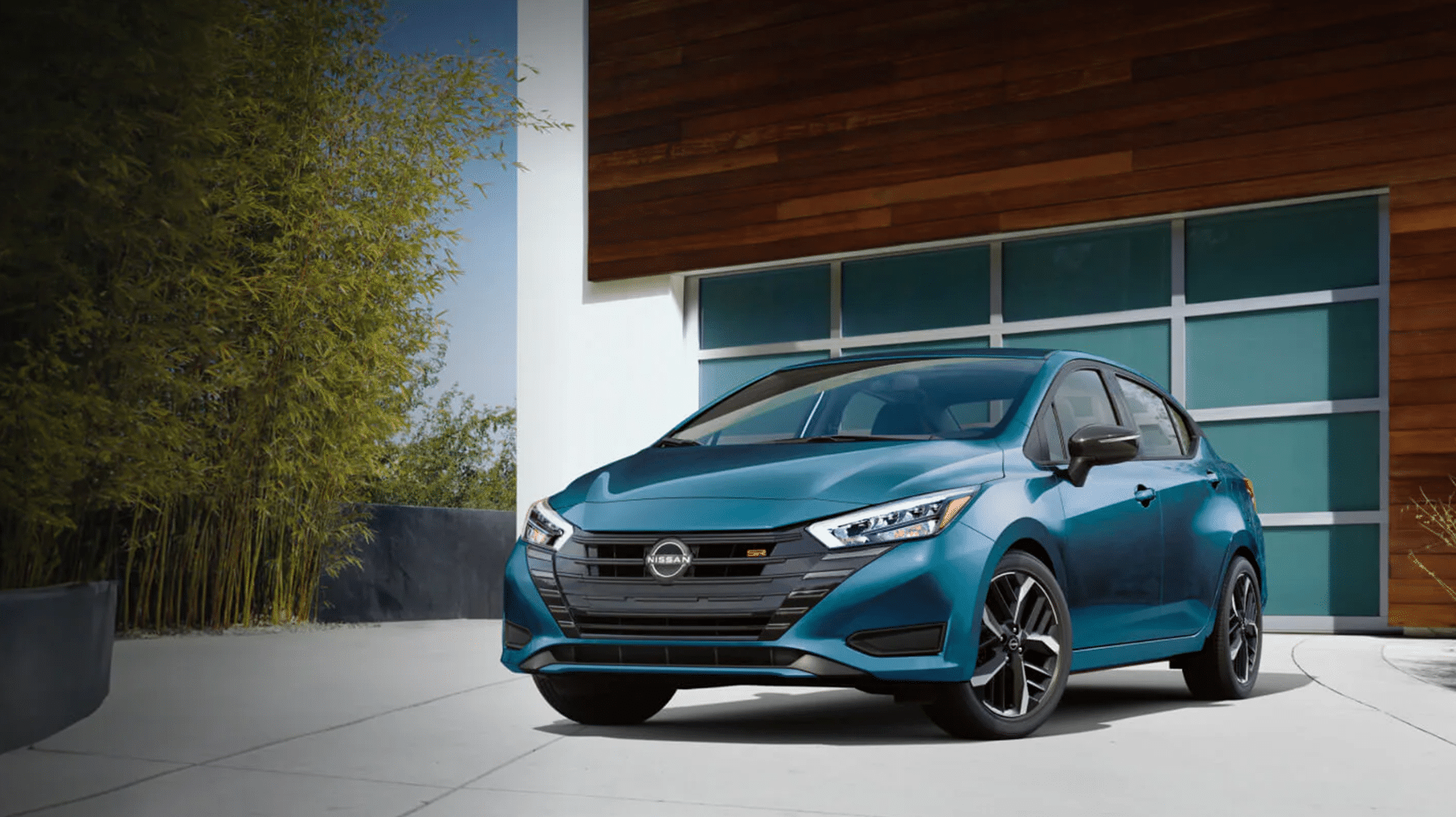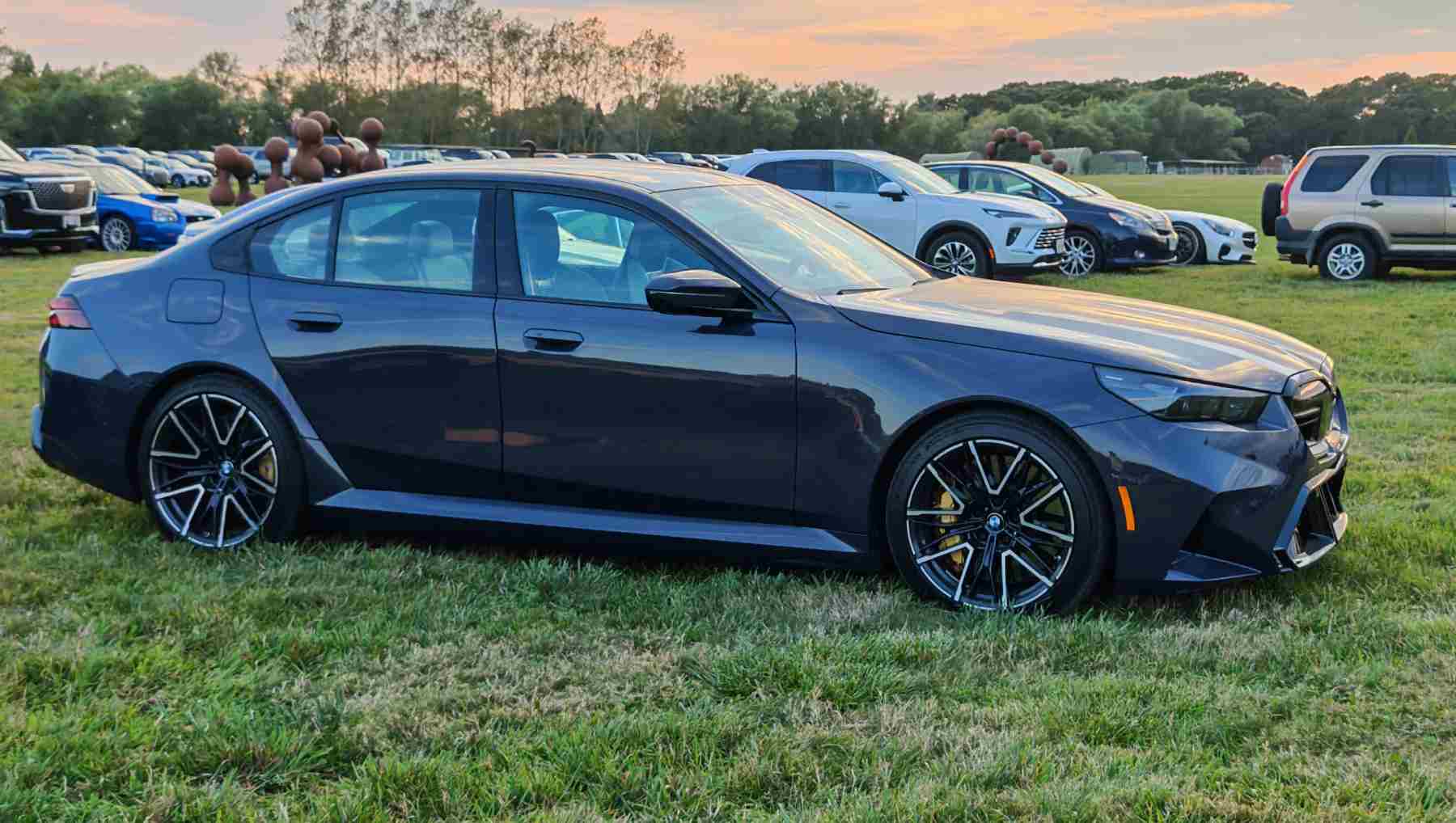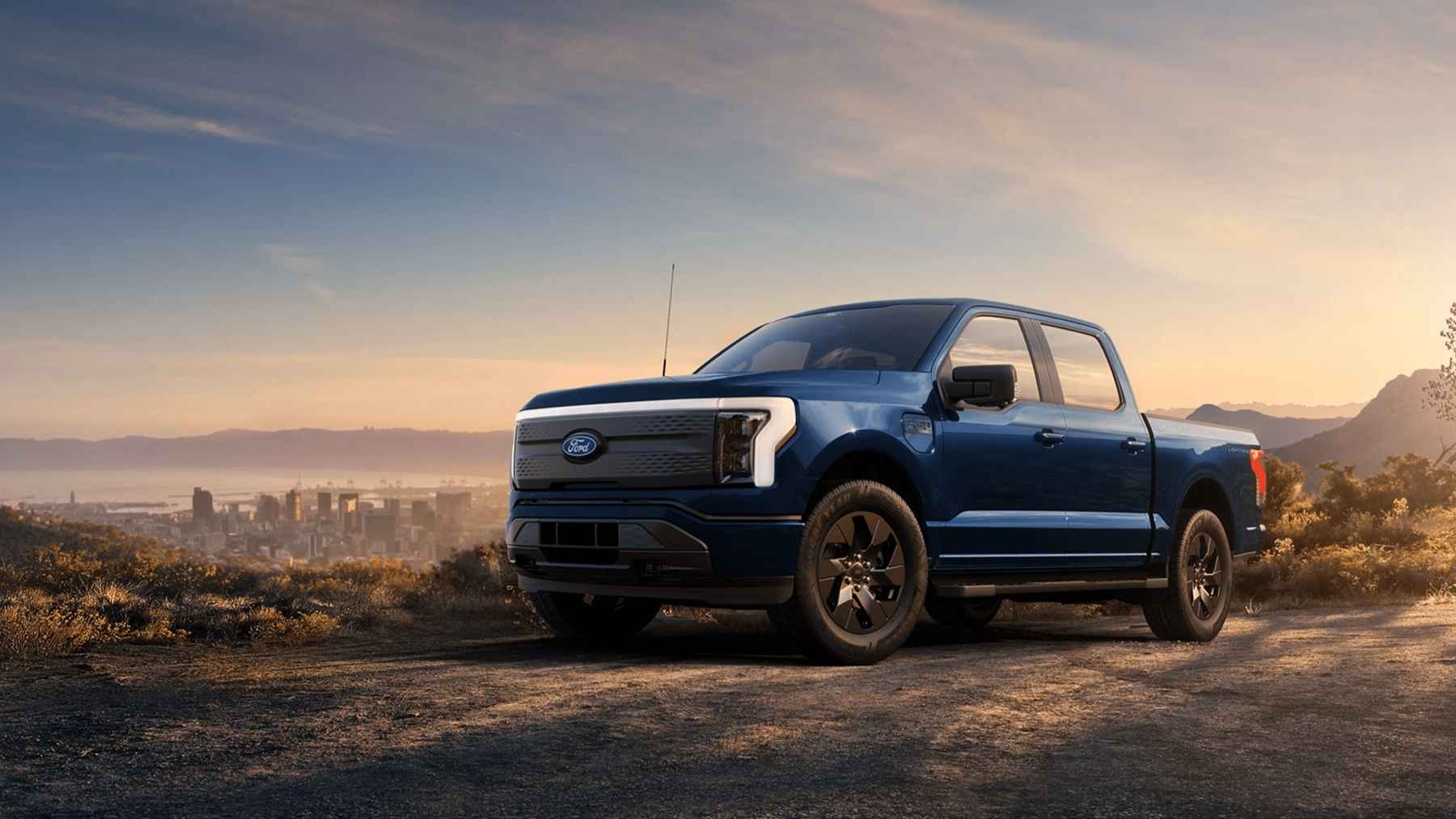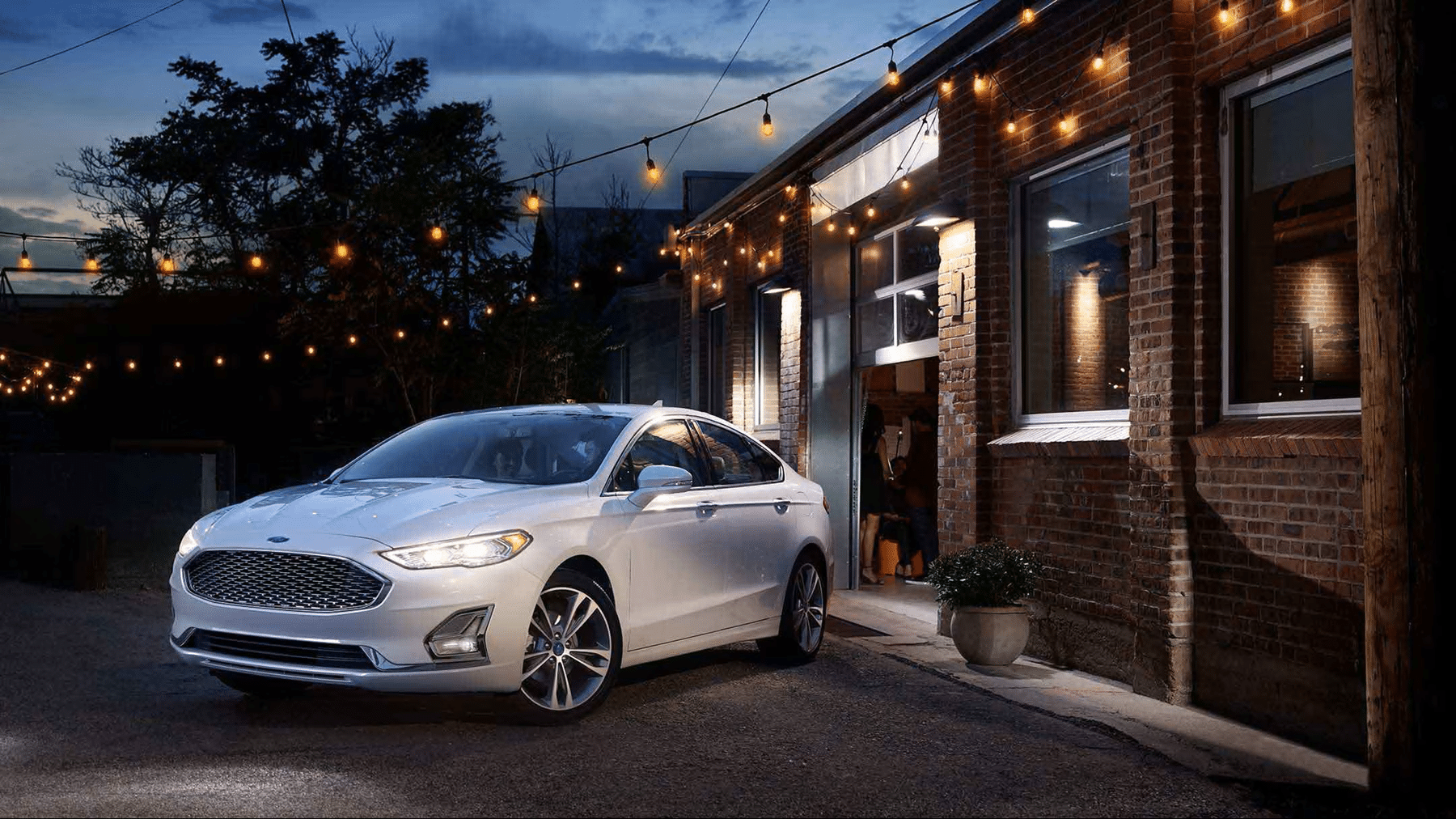
The recent repeal of a plethora EPA legislation in February 2026 left a lot of people puzzled. However, automakers and car enthusiasts alike couldn’t help but notice that some of these questionable changes may actually save us from the abundance of oversized, boxy SUVs that have taken over the road. With some of the emissions regulations removed, we may start seeing sedans again.
The Detroit Auto Show earlier this month brought the Big Three together — and the talk turned to sedans. According to the Wall Street Journal, Ford CEO Jim Farley said the sedan market is “very vibrant.” He didn’t mention this, but I think he meant it’s vibrant in Korea and Japan. Honda, Toyota, Hyundai, and Kia have plenty of sedans. Meanwhile, the United States hasn’t had a vibrant sedan market for a while, but American automakers want to change that.
General Motors President Mark Reuss recently said that he would “kill” to make a hybrid-electric sedan. He added: “GM is working on how to do that.” Farley echoed that sentiment at the Detroit Auto Show: “It’s not that there isn’t a market there. It’s just we couldn’t find a way to compete and be profitable.”
The desire from Americans is indeed there. We have repeatedly said we are sick of big, honking cars — and we try to express this sentiment by not buying them. The issue is that there has been a very limited selection of sedans to purchase instead, especially as the years go on. But the sedans that exist do sell: Kia’s K4 and K5, Toyota’s Corolla and Camry, Hyundai’s Elantra, and Honda’s Civic were popular purchases in 2025, some even seeing year-over-year sales improve.
This isn’t much of a surprise, with AutoPacific’s poll of 18,000 consumers finding that one-third of Americans who plan to buy a new car within the next three years would consider a sedan.
“The demand is there, and even if an automaker has to bite the bullet and commit to the not-as-profitable sedan segments again, they should,” said AutoPacific’s Manager of Product and Consumer Insights Analyst, Robby DeGraff.
What kind of sedans are we talkin’?
You may have noticed something about the sedans that were listed above as a success, however: they’re sorta boring. I don’t think anyone is really out there fantasizing about a bunch of commuter cars. But you gotta start somewhere.
The solution to fitting a profitable sedan into your lineup is likely playing it pretty safe and practical — and making them cheap. Right now, Americans are desperate for China’s super-cheap EVs, not its record-breaking supercars. To keep up with the competition, Ford has announced a future collection of sub-$40,000 electric vehicles, including a sedan. These are not going to be overly flashy and powerful. They’re part of Ford’s cost-cutting Universal EV Production System, which uses fewer, cheaper parts. Still, at least we’re getting a sedan.
Chrysler CEO Chris Feull has been working on a concept very similar to this. Last year, he gave a peek at a sub-$30,000 small sedan that he said would be “beautiful” and “fun to drive.” Even though the goal is to provide something affordable to Americans to fill that market void, he still wants it to be a car customers can be “proud” of.
However, Chrysler also has plans to bring back another sedan that drivers may find more exhilarating: the 300C SRT8, offering a more performance-focused sedan option. This coincides with Dodge’s plan to bring back the Dodge Charger Hellcat V8 in 2027, which is probably the most exciting news we’ll get in a while after the extreme disappointment of the Dodge Daytona.
So, it’s not all lame.
I think most sedans we will get will be no-frills commuters for people on a budget, which is definitely something America needs — and has been begging for. Automakers have realized that Americans can’t afford the oversized, luxury SUVs they keep cranking out and are looking into ways to give us budget sedans that still work under their own restraints (aka tariffs). The reduced EPA regulations will help, so we expect to see a lot more sedans on the road in the future. Most won’t be cool, but you never quite know what American carmakers will throw in there after they get bored with the first batch of cheap sedans (especially when they can’t compete with the Corollas and Chinese sedans of the world).